

Thermomechanics of Polymers
Understanding Material Behavior Under Temperature-Induced Effects and Optimizing Components for Maximum Dimensional Stability


Polymers change their mechanical and geometric properties depending on temperature. Thermal expansion, shrinkage, relaxation processes, and glass transitions significantly affect the function, service life, and dimensional stability of plastic components.
A detailed understanding of thermomechanical behavior is essential for the development of modern polymer materials and precision components. Modern measurement techniques enable the investigation of dimensional changes under conditions that closely resemble real-world scenarios and provide important information for materials development, component design, and quality assurance.
LINSEIS’s material characterization solutions enable the precise determination and targeted optimization of the thermomechanical properties of polymers.
Relevant Questions
- How much does a polymer expand when the temperature changes?
- Which materials offer the highest dimensional stability?
- How does temperature affect component geometry?
- How much shrinkage occurs during processing?
- How do glass transitions affect the properties of structural components?
- What thermal stresses arise between different materials?
- How does the material’s behavior change over its service life?
- Which materials are suitable for precision applications?
- How do fillers affect thermomechanical behavior?
- How can warping and dimensional deviations be minimized?
Relevant Material and Process Parameters
| Parameter | Meaning |
|---|---|
| Coefficient of Thermal Expansion (CTE) | Evaluation of dimensional changes |
| Glass transition temperature | Determining the operating range |
| Shrinkage | Optimization of Manufacturing Processes |
| Dimensional Stability | Ensuring dimensional accuracy |
| Relaxation Behavior | Evaluation of Long-Term Deformations |
| Thermal Stresses | Preventing Material Failure |
| Softening Behavior | Evaluation of Temperature Resistance |
| Distortion | Optimization of component geometry |
| Effect of Filler | Modification of thermomechanical properties |
| Long-Term Stability | Evaluation of Material Behavior Over the Service Life |
Measurement Methods for the Thermomechanics of Polymers

Thermomechanical Analysis (TMA)
TMA enables highly precise analysis of dimensional changes under thermal stress.
Analysis of
- Thermal Expansion
- Glass transitions
- Shrinkage
- Softening behavior
Typical Applications
- Plastic components
- Electronic components
- Composite Materials
- Precision Components

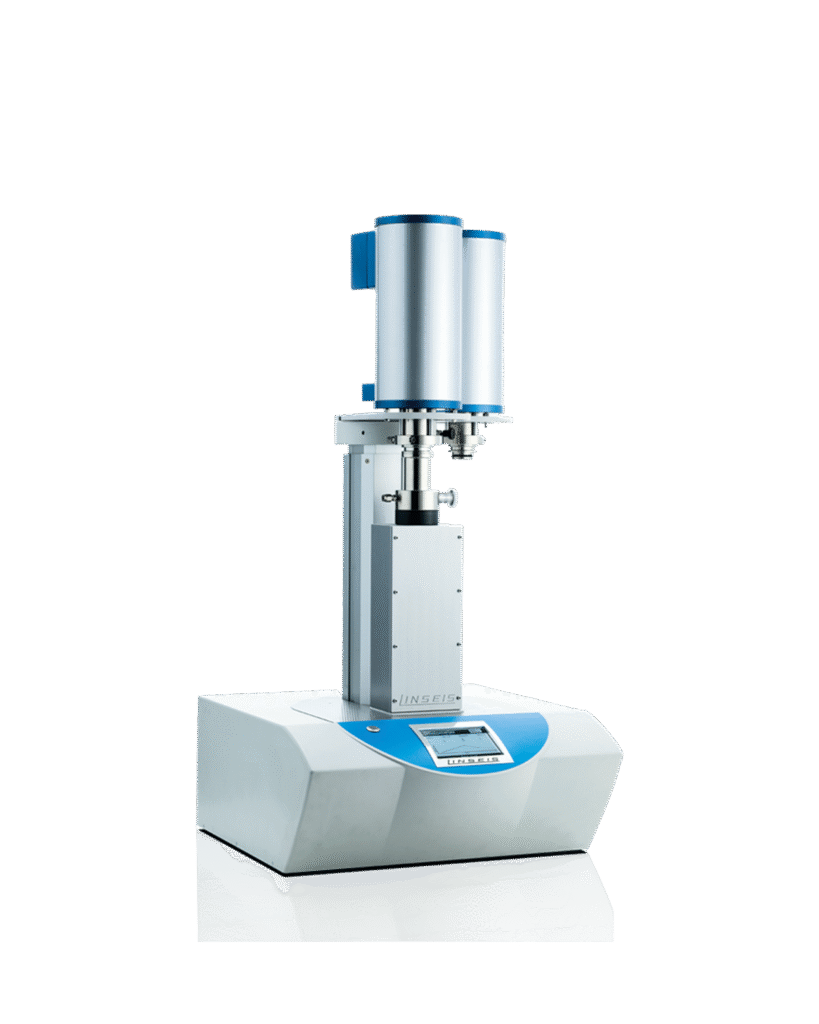
Dilatometry (DIL)
Dilatometry determines coefficients of thermal expansion and dimensional changes over a wide range of temperatures.
Analysis of
- Thermal expansion
- Changes in Dimensions
- Phase Transitions
- Material Behavior
Typical Applications
- High-Performance Polymers
- Fiber-reinforced composites
- Engineering Plastics
- Structural components

Differential Scanning Calorimetry (DSC)
The DSC examines thermal transitions that influence thermomechanical behavior.
Analysis of
- Glass transitions
- Melting processes
- Crystallinity
- Heat Capacity
Typical Applications
- Thermoplastics
- thermosets
- Elastomers
- Polymer blends
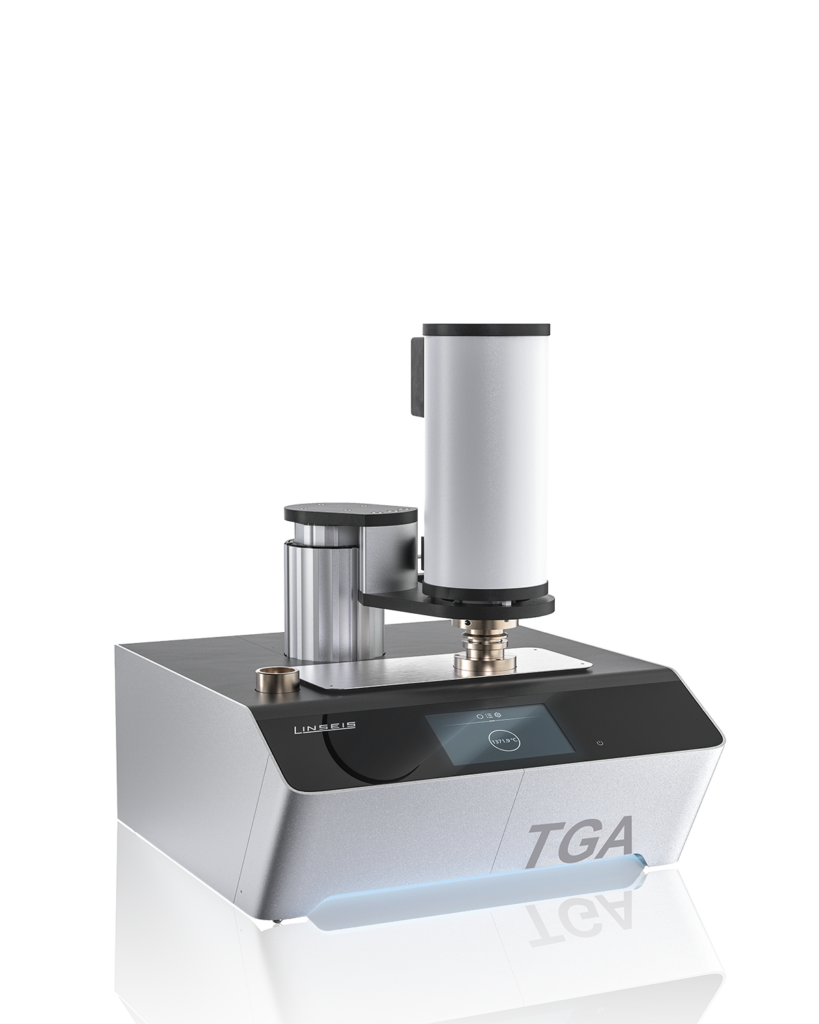
Thermogravimetry (TGA)
The TGA evaluates thermal stability at elevated temperatures.
Analysis of
- Mining
- Thermal Stability
- Aging Behavior
- Decomposition processes
Typical Applications
- High-temperature polymers
- Composite Materials
- Engineering Plastics
- Long-Term Stability Studies
Recommended Instruments for the Thermomechanics of Polymers

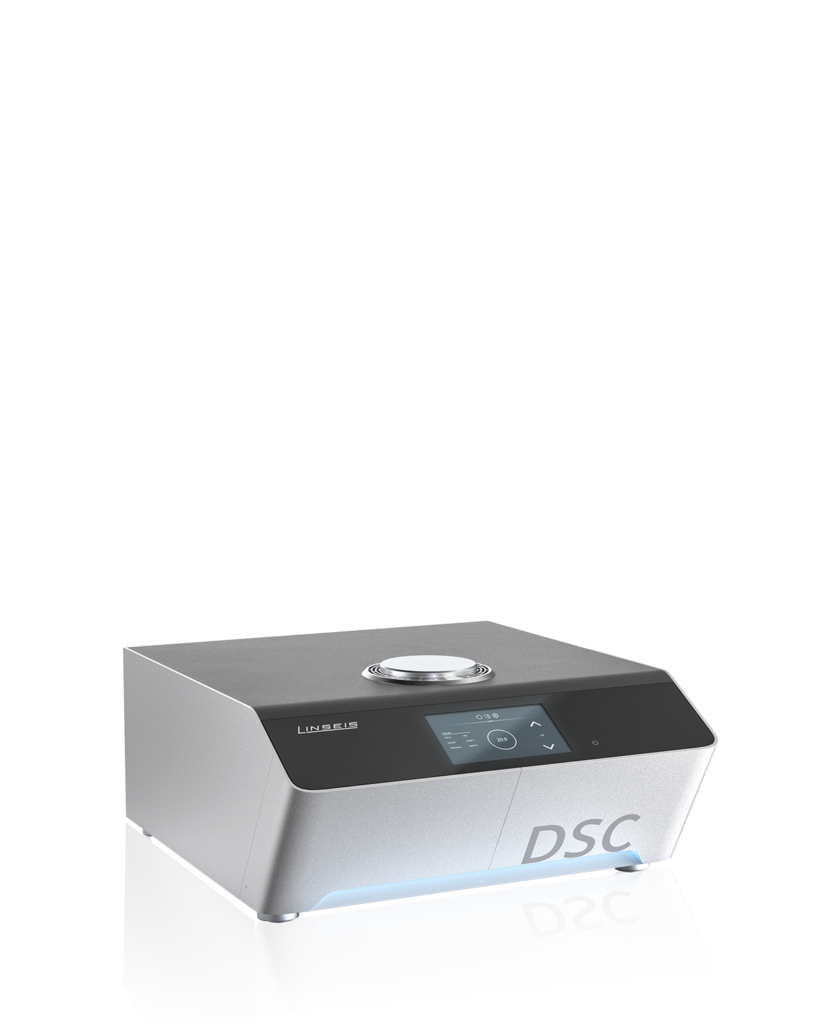
DSC L63
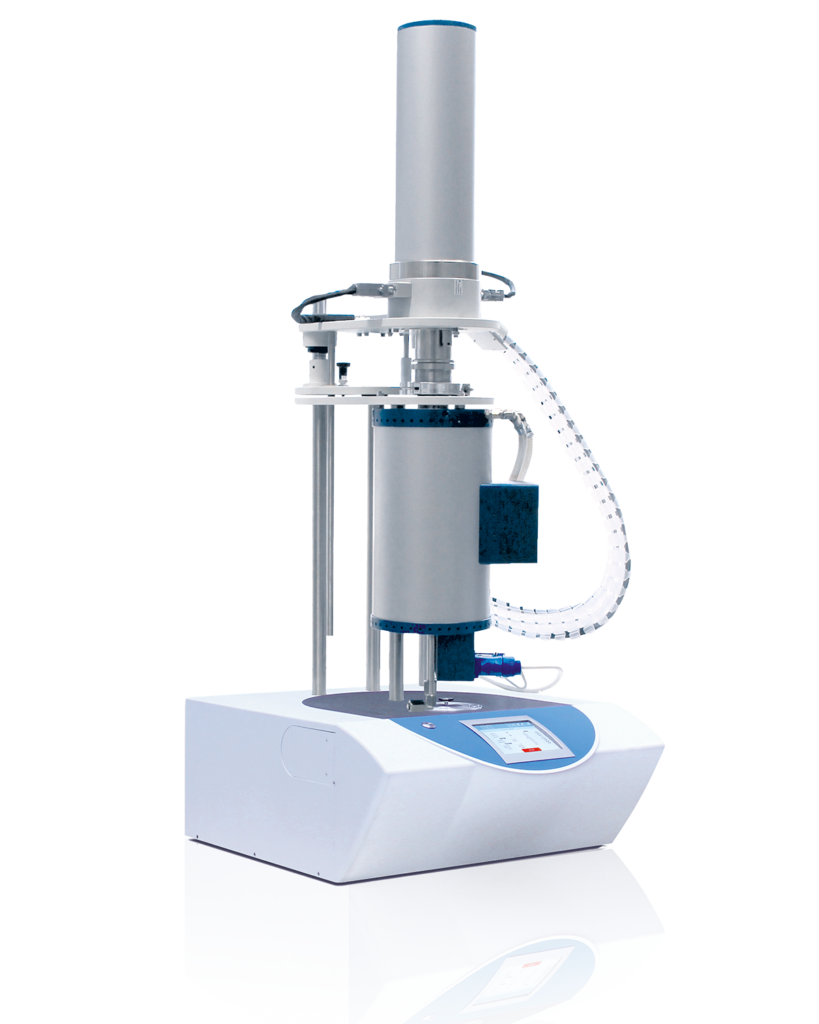
Case Study: Analysis of the Thermal Expansion of a Polymer Material
Anisotropic Thermal Expansion of Carbon-Fiber-Reinforced PA6
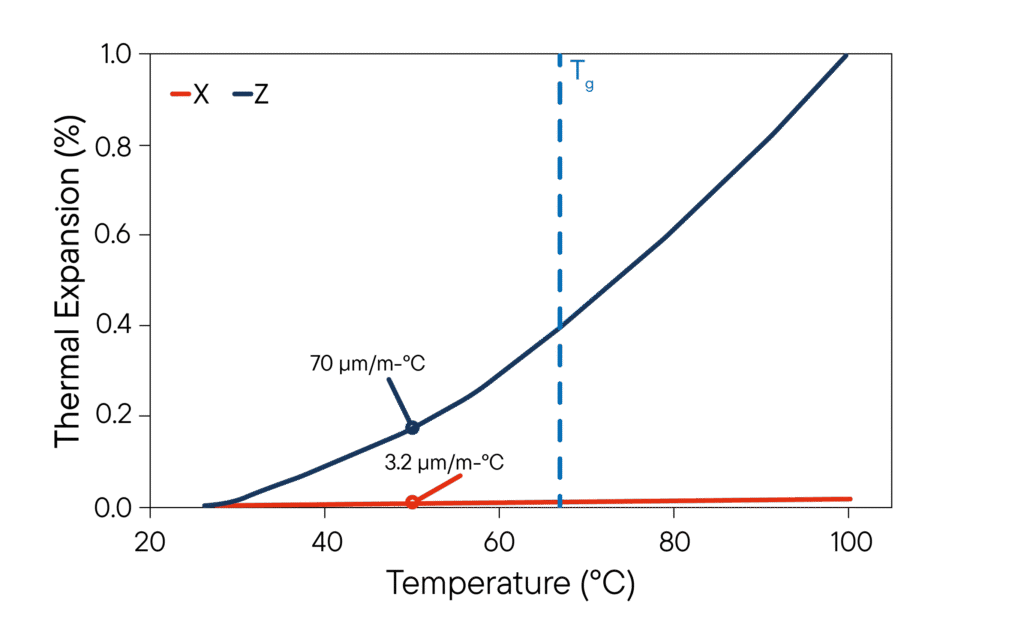
This practical example demonstrates the investigation of the thermal expansion behavior of an additively manufactured, carbon-fiber-reinforced PA6 using dilatometry. The measurement was performed using the LINSEIS DIL L75 Horizontal illustrates the influence of fiber orientation on dimensional stability and provides important information for the design of thermally stressed polymer components and molds.
Why Thermomechanics Is Crucial for Polymers
Even minor dimensional changes can impair the function of complex components. Knowledge of thermomechanical properties enables the targeted selection of materials and the design of reliable products.
The combination of modern measurement methods makes it possible to:
- Determination of Thermal Expansion
- Analysis of Glass Transitions
- Study of Shrinkage and Relaxation
- Evaluation of Thermal Stresses
- Optimization of Component Geometries
- Development of Dimensionally Stable Materials
Applications – Polymers
Chip-DSC 100 (Chip-DSC L66 Ultimate) – Polymer Oxidation – OIT (Oxidation Induction Time)
Chip-DSC 10 (Chip-DSC L66 Advanced) – Polymer Sample (PP) – Characterization of Polymers
Chip-DSC 10 (Chip-DSC L66 Advanced) – Polymer sample (PE) – characterization of polymers
FAQ – Thermomechanics of Polymers
Why is thermomechanics important for polymers?
Thermomechanical properties determine how a material behaves in response to temperature changes. They influence the dimensional stability, functionality, and service life of plastic components and are therefore crucial for product development and quality assurance.
What measurement methods are suitable for investigating the thermomechanical properties of polymers?
TMA, dilatometry, DSC, and TGA provide important information about thermal expansion, glass transitions, shrinkage, thermal stability, and dimensional changes.
What does the coefficient of thermal expansion (CTE) describe?
The CTE indicates the extent to which a material expands or contracts in response to temperature changes. It is an important parameter for the design of components and material combinations.
Why are glass transitions relevant to the thermomechanics of polymers?
The glass transition marks the transition from a hard, glass-like state to a softer, rubber-like state. As a result, mechanical properties and dimensional stability often change significantly.
What role does thermomechanics play in composite materials?
Differences in the coefficients of thermal expansion between the matrix and the reinforcement can generate thermal stresses. The analysis helps optimize material combinations and prevent damage.
In which industries are thermomechanical tests of polymers used?
Thermomechanical analyses are used in the automotive industry, electronics, aerospace, medical technology, energy technology, the packaging industry, and the field of additive manufacturing. They support the development of reliable and dimensionally stable plastic components.