Linseis > Material Analysis for Construction Materials
Building materials play a central role in the energy efficiency, safety, sustainability, and service life of modern structures. From high-performance insulation materials to cement-based materials and passive fire protection systems, these materials must function reliably under a wide variety of thermal and mechanical stresses.
A precise understanding of their thermal properties is crucial for the development and optimization of modern building materials. Thermal conductivity, heat capacity, thermal expansion, moisture behavior, and fire resistance significantly influence a material’s performance and durability.
With over 69 years of experience, LINSEIS offers innovative solutions for characterizing building materials in research, development, quality control, and compliance testing.
Typical Applications for Building Materials
Select your specific application and gain detailed insights into material characterization, measurement methods, and innovative solutions for modern building materials.
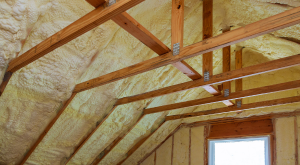
Insulation Materials
Analysis of thermal conductivity, heat storage, and energy efficiency of modern insulation materials for buildings and industrial applications.
Real-world measurements demonstrate how modern analytical methods are used to solve real-world problems involving building materials.
Thermal Barrier Properties of Fire-Resistant Coatings
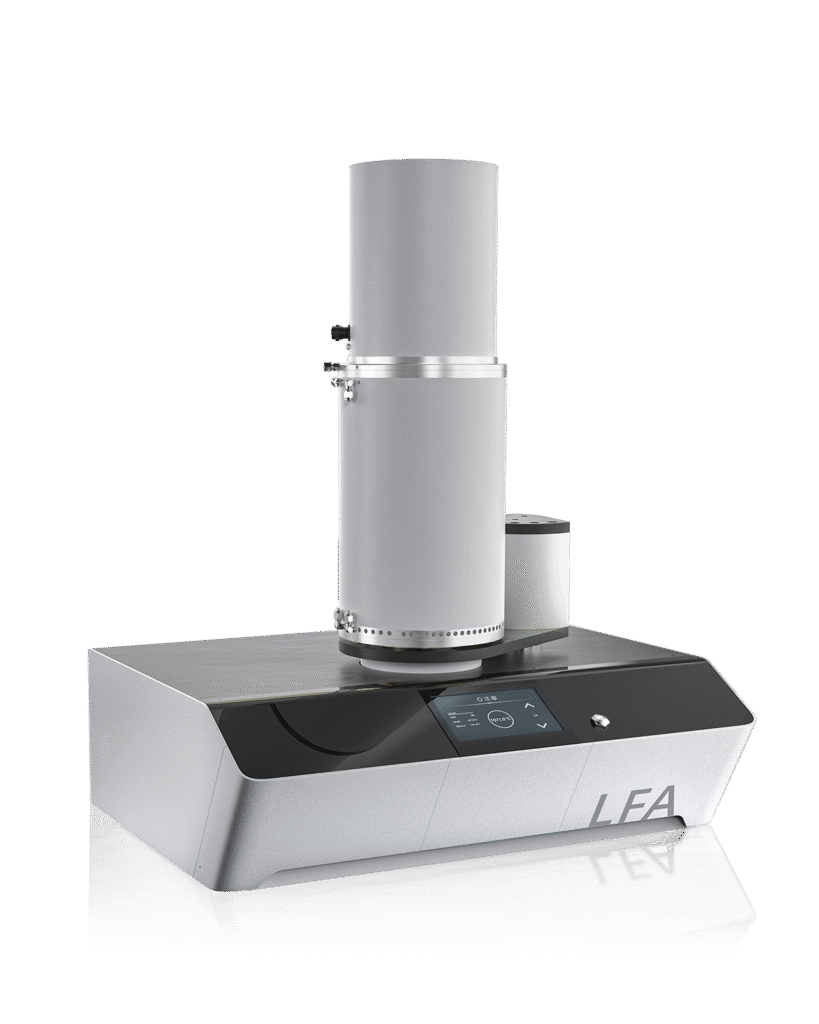
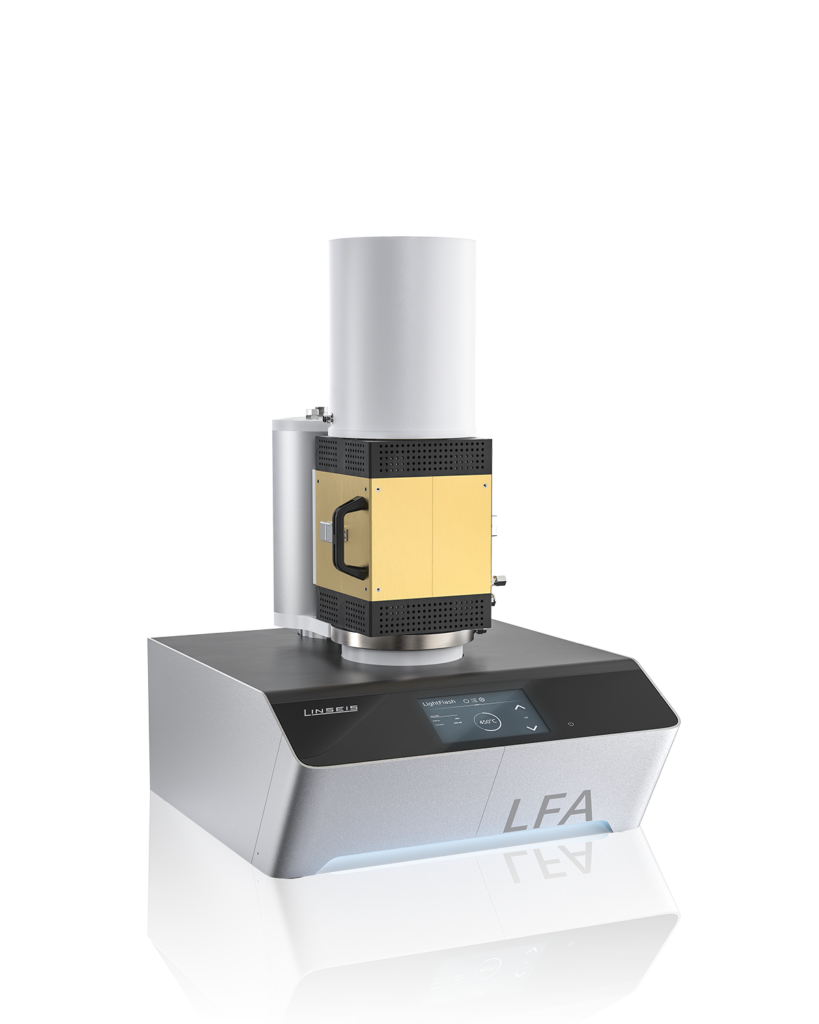
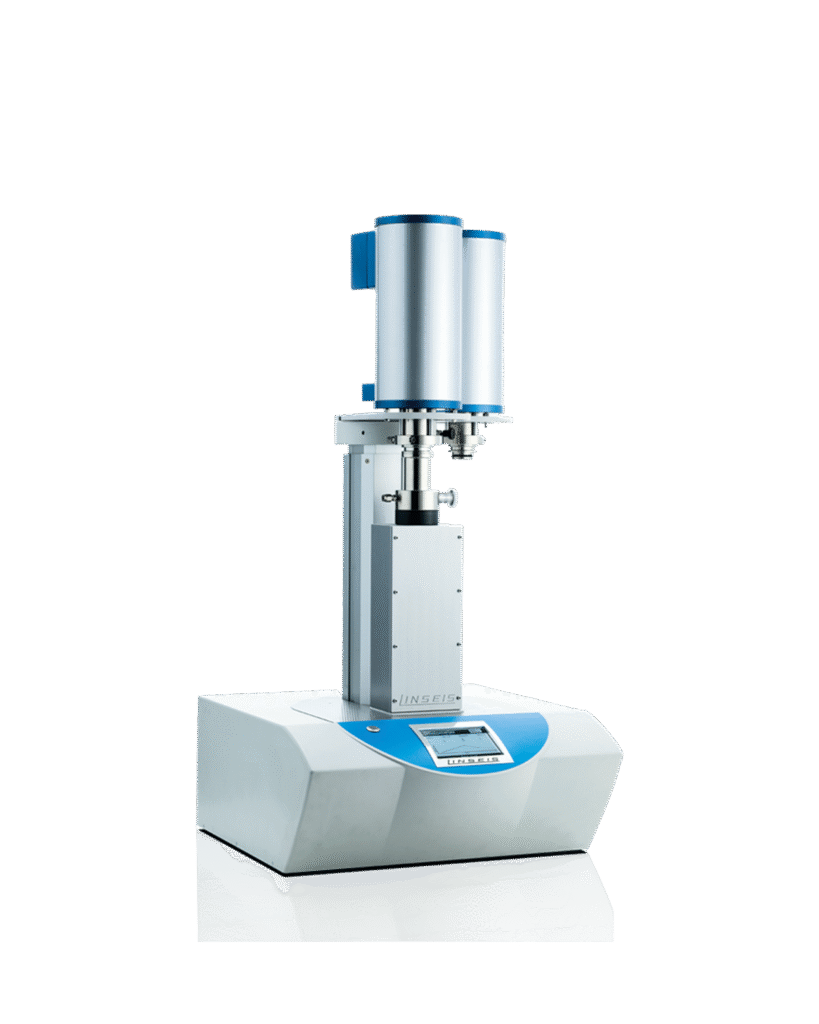
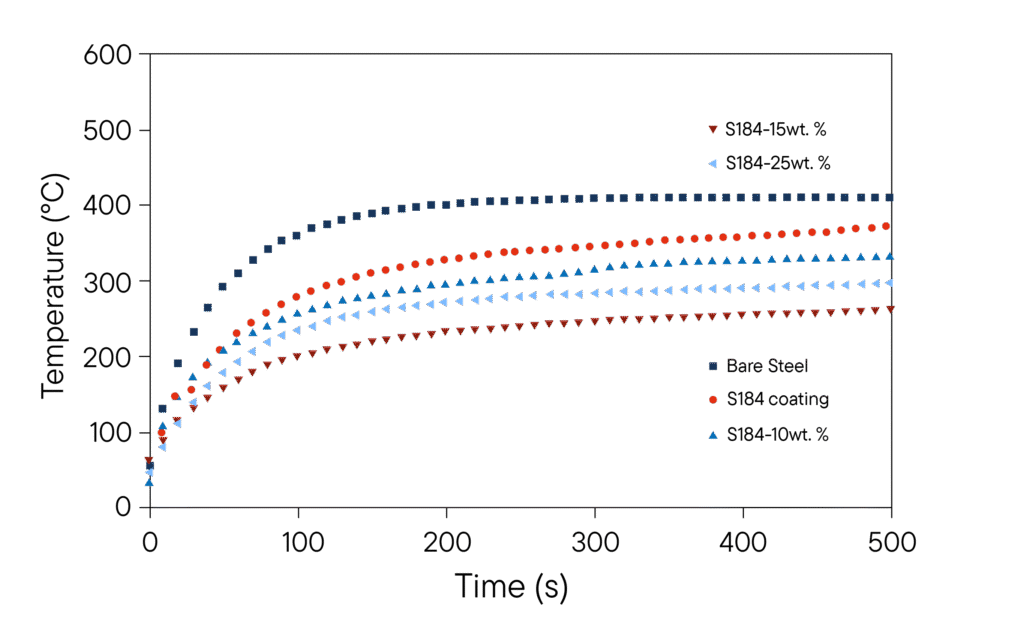
With the LINSEIS LFA L52 , the thermal insulation performance of a silicone-based fire-retardant coating containing thermoresponsive hybrid capsules was investigated. The results show a significant reduction in heat transfer and an improvement in thermal barrier performance of more than 30%. The findings support the development of modern fire-retardant and insulation materials for construction and industrial applications.
Improving Energy Efficiency in Sustainable Roofing Systems
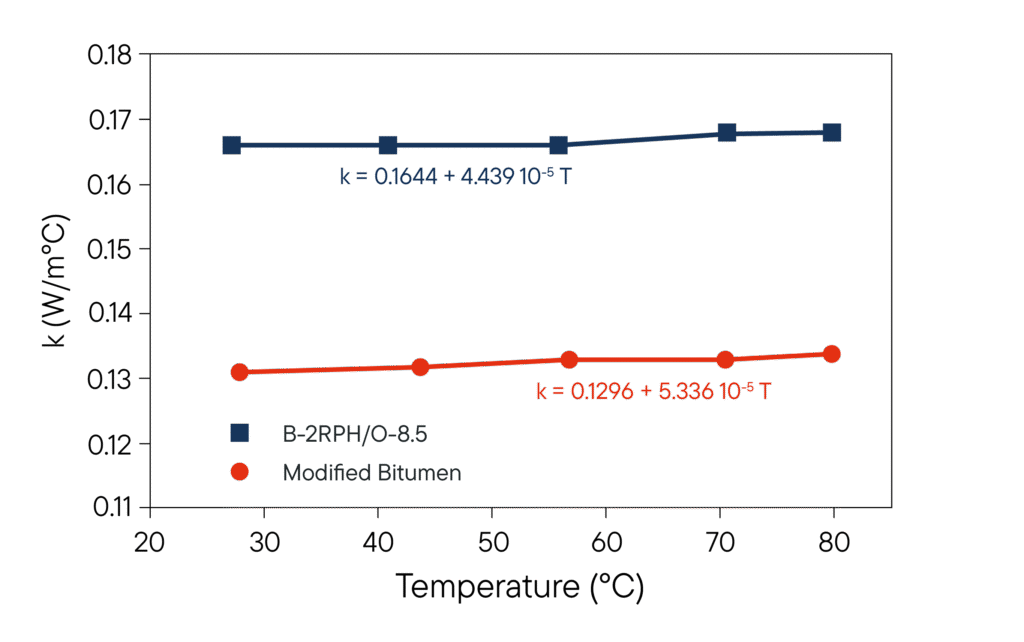
With the LINSEIS THB L56 was used to investigate the thermal conductivity of sustainable roofing binders based on biogenic and recycled raw materials. The measurement results demonstrate the potential of modern roofing materials to reduce heat gain in buildings and provide key performance metrics for the development of energy-efficient and sustainable roofing systems.