Catalysts play a central role in modern chemical processes and influence reaction rates, energy efficiency, and process stability. Material analysis of catalytic systems enables the investigation thermal stability, catalytic activity, aging mechanisms, and temperature- and atmosphere-dependent material properties.
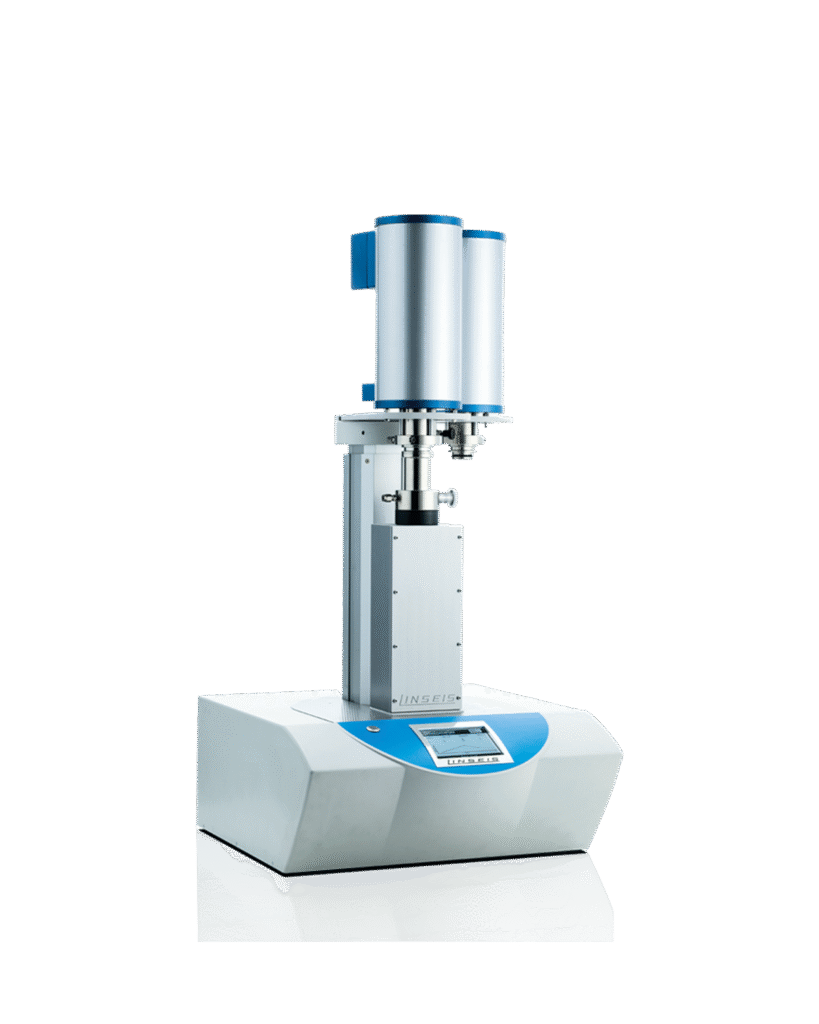
Depending on the application, methods such as DSC, TGA, STA, Dilatometry, thermal conductivity analysis or high-pressure measurements. These methods enable the precise characterization of catalytic materials under realistic process conditions—from research through to industrial process optimization.
With over 69 years of experience, Linseis develops high-precision measurement systems for the analysis of complex catalytic processes, high-temperature applications, and thermophysical material properties.
The performance of catalytic systems is significantly influenced by thermal, structural, and material-dependent properties.
Relevant Questions
How does catalytic activity change under thermal stress?
At what temperatures does deactivation or structural changes occur?
How do gas atmospheres affect reaction behavior?
What aging processes occur during long-term cycles?
How durable are substrate and coating materials?
What role does heat conduction play in catalytic systems?
How do temperature gradients affect process stability?
What changes in mass result from oxidation, desorption, or coke formation?
Relevant Material Properties of Catalysts
The analysis of catalytic materials involves the study of their chemical, thermal, and thermophysical properties.
Material Property
Meaning
Thermal Stability
Evaluation of Aging and Deactivation Processes
Reaction Enthalpy
Analysis of Energetic Reactions
Thermal Conductivity
Optimization of Thermal Processes
Thermal Conductivity
Evaluation of Heat Transfer
Thermal Expansion
Investigation of Structural Changes
Change in Mass
Analysis of Sorption, Oxidation, and Decomposition
Cycle Stability
Evaluation of Long-Term Performance
Atmospheric Stability
Behavior under defined process gases
Measurement Methods for Catalytic Materials
Differential Scanning Calorimetry (DSC)
DSC enables the analysis of heat flows during catalytic reactions and provides information on:
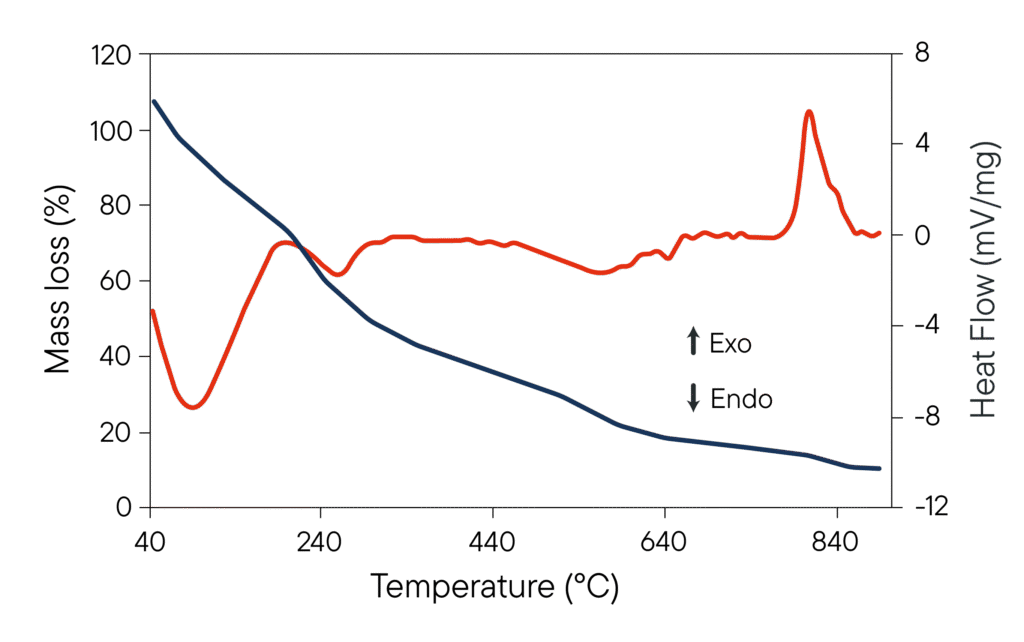
Thermal Stability and Phase Transitions of Calcium Silicate Hydrates
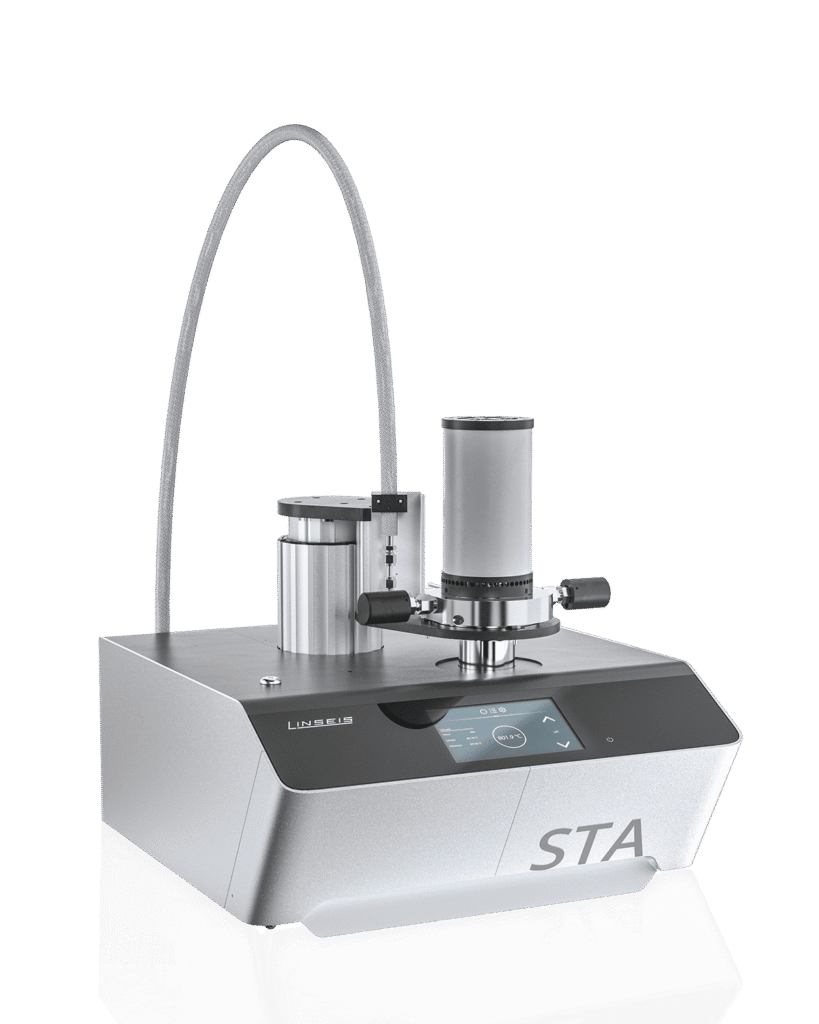
STA measurements performed using the Linseis STA L82 provide insights into the thermal decomposition and phase transformation behavior of calcium silicate hydrate systems. Download the white paper to learn more about the complete setup of the STA measurement, the analysis of thermal stability, and the interpretation of the observed mass loss and heat flow behavior.
Why Material Analysis Is Crucial for Catalysts
The performance of catalytic systems is determined not only by chemical activity, but also by thermal stability, heat transfer, and structural integrity.
The combination of modern analytical methods makes it possible to:
What measurement methods are suitable for characterizing catalysts?
DSC, TGA, STA, dilatometry, thermal conductivity analyses, and high-pressure measurements are frequently used to characterize catalysts. These methods provide information on reaction behavior, thermal stability, changes in mass, and structural changes under actual process conditions.
What can thermal analysis reveal about catalysts?
Thermal analysis enables the investigation of activation and deactivation processes, thermal stability, oxidation behavior, and reaction kinetics of catalysts. This allows for a targeted evaluation of performance and long-term stability.
Why is the thermal conductivity of catalysts important?
Thermal conductivity affects the temperature distribution within catalysts and catalyst beds. Optimized heat transfer can improve reaction efficiency and prevent localized overheating.
What information does dilatometry provide for catalysts?
Dilatometry measures changes in the dimensions of catalyst materials as temperature varies. This allows for the analysis of sintering processes, thermal expansion, and structural changes.
Why are high-pressure measurements important for catalysts?
Many industrial catalysts are used under elevated pressure. High-pressure measurements make it possible to study reaction behavior, stability, and material properties under conditions that closely resemble real-world process conditions.
What other applications are there for catalysts in the chemical industry?
Catalysts are used in a variety of fields, including hydrogen technology, petrochemicals, exhaust gas aftertreatment, plastics production, and sustainable chemical processes. Material characterization supports the development of high-performance, long-lasting catalyst systems.