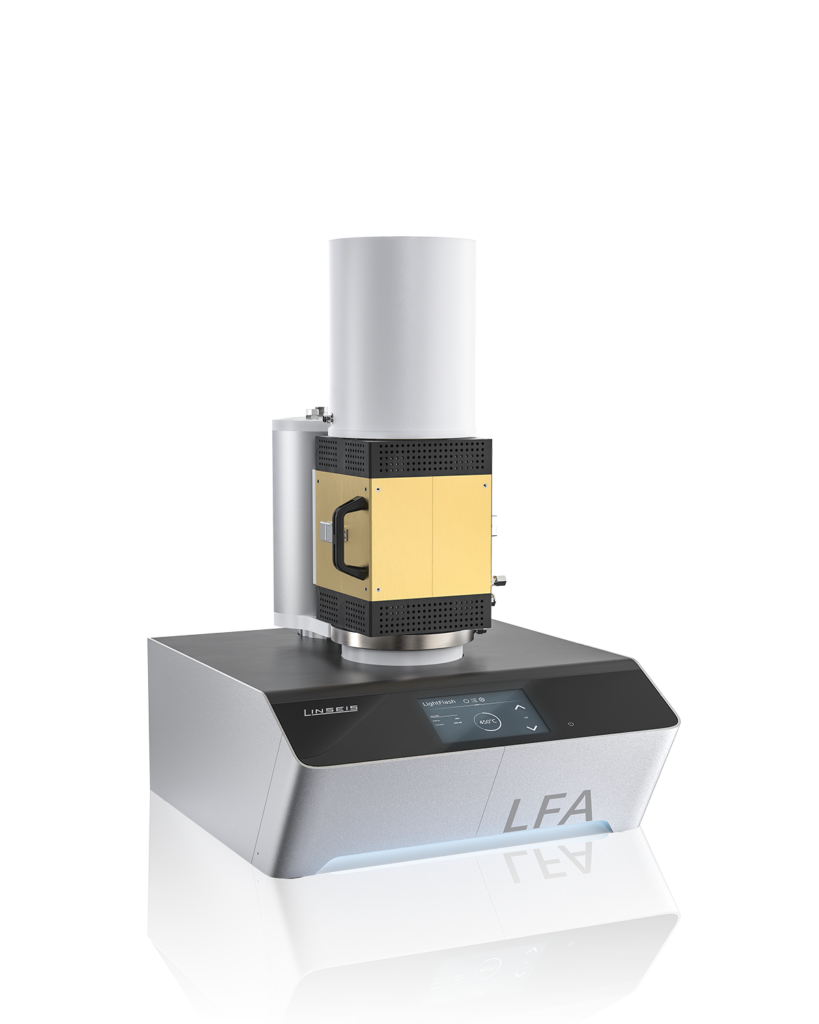
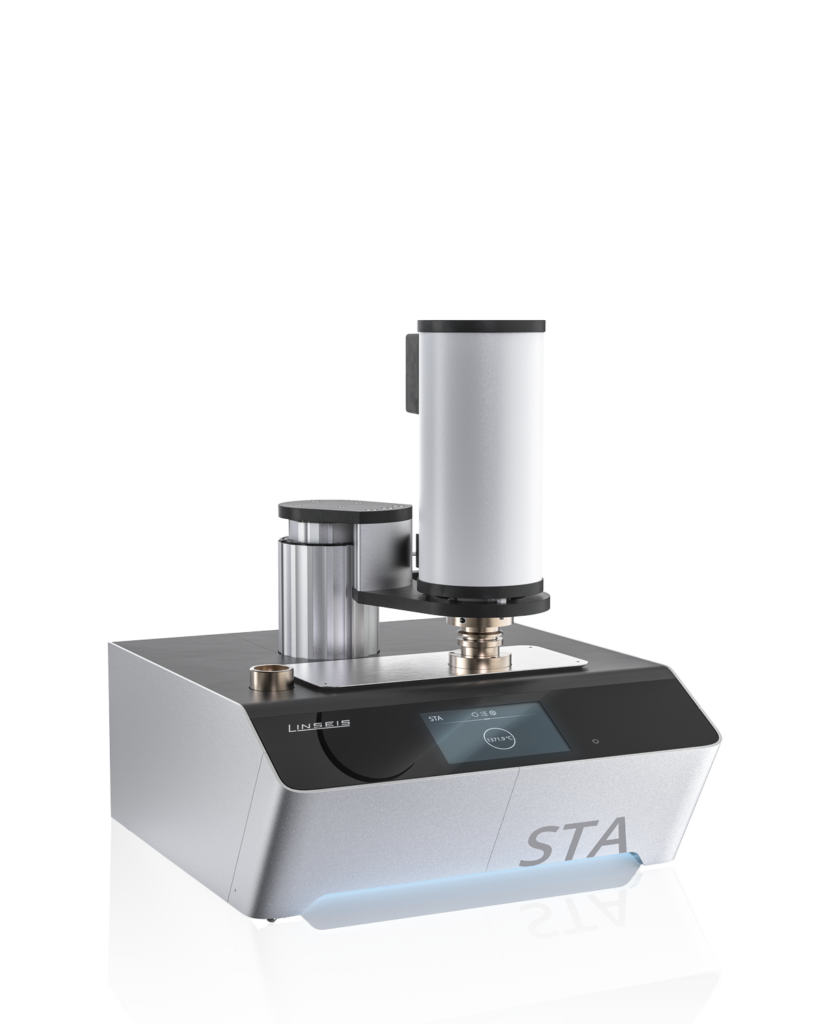
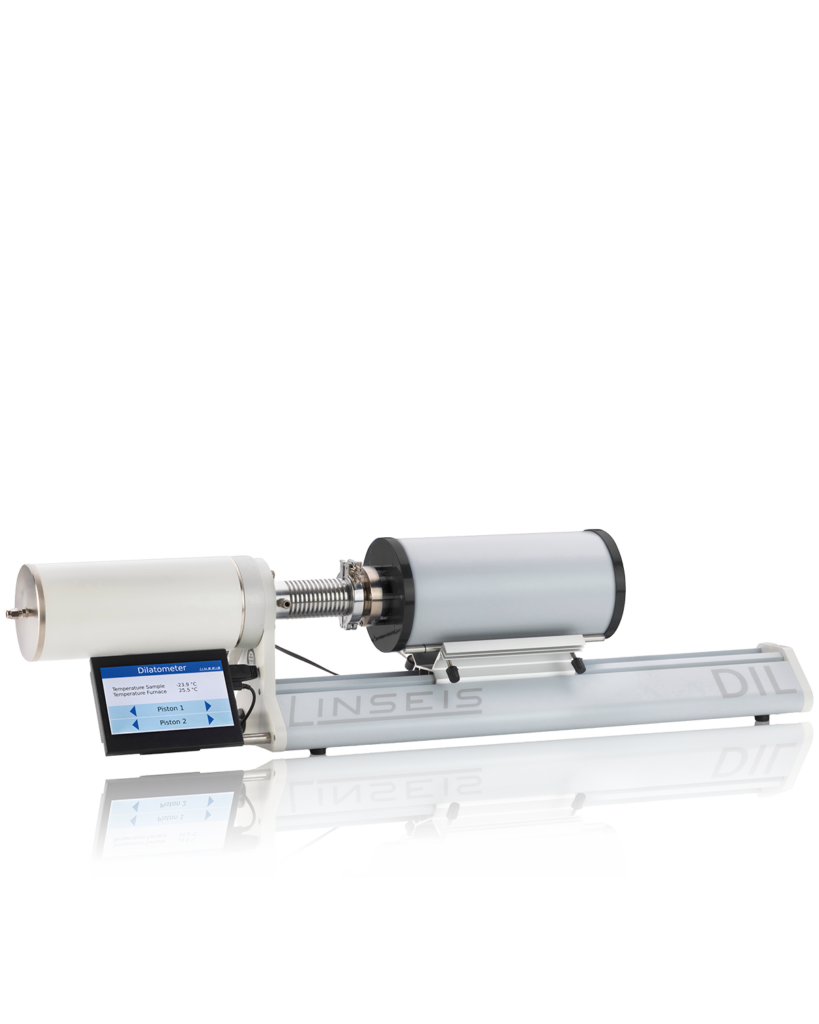
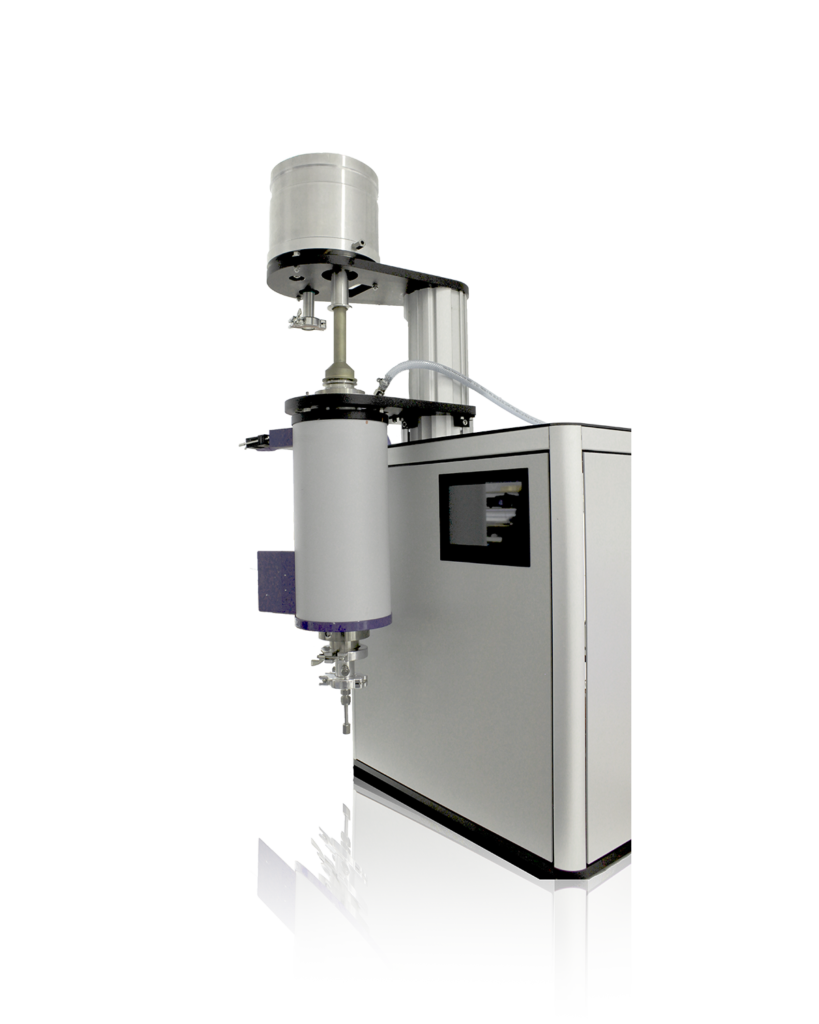
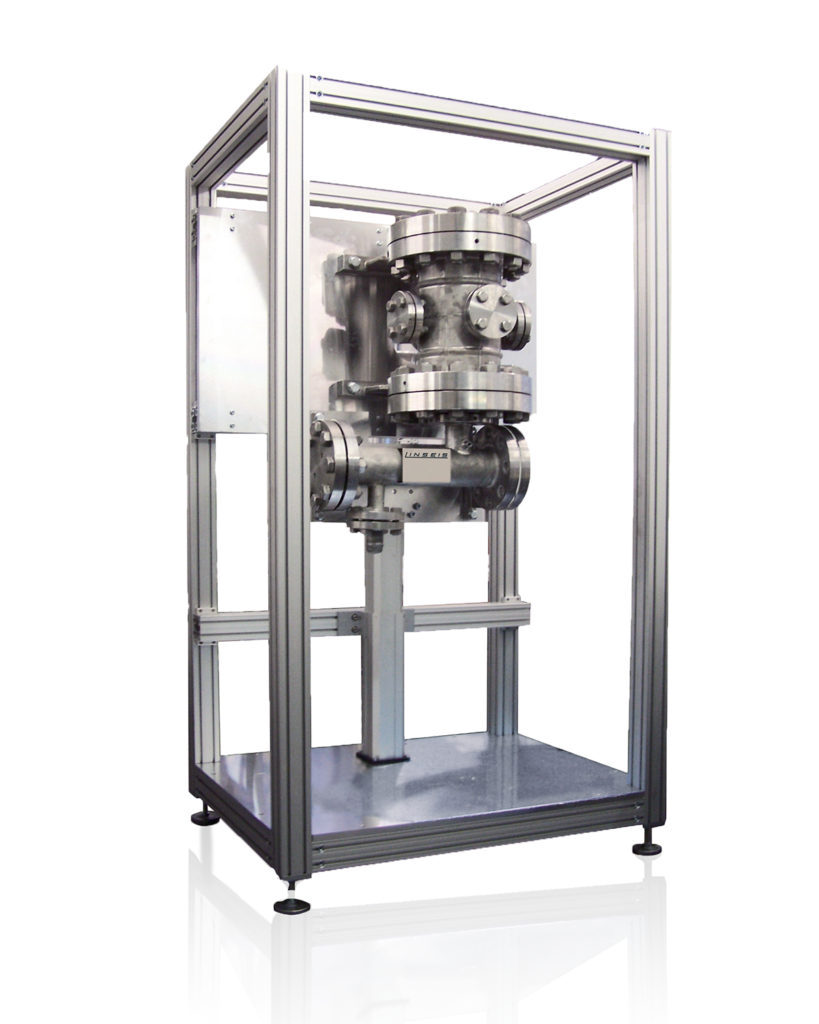
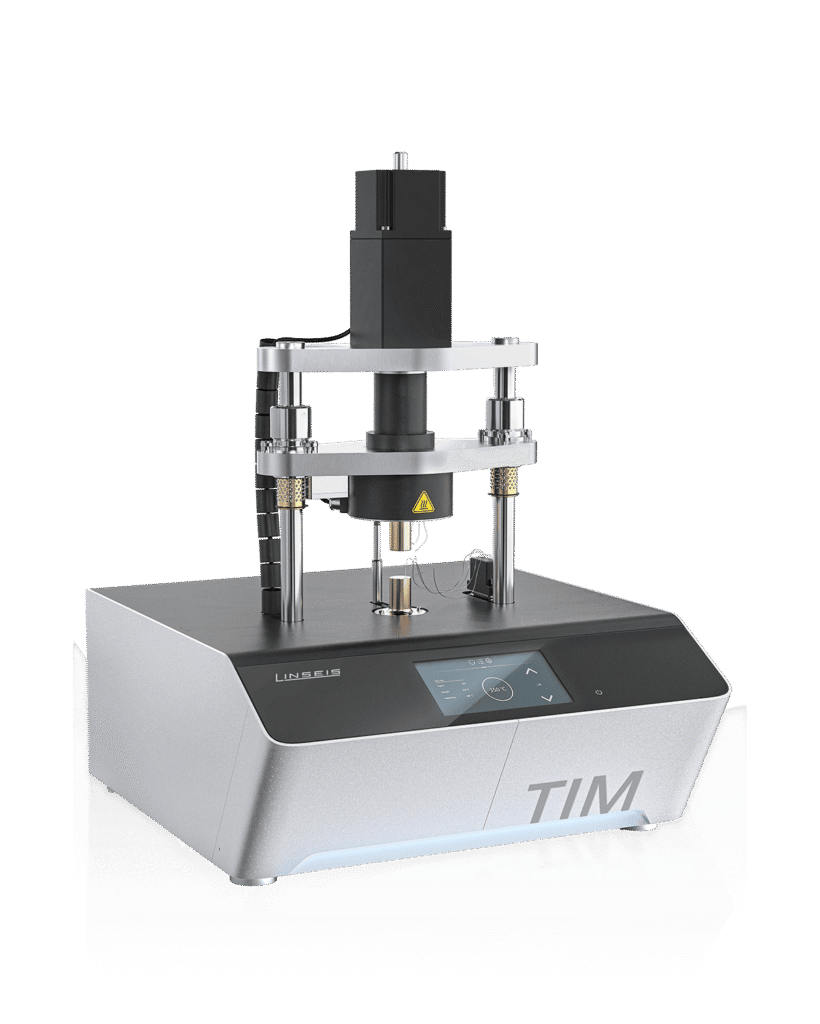
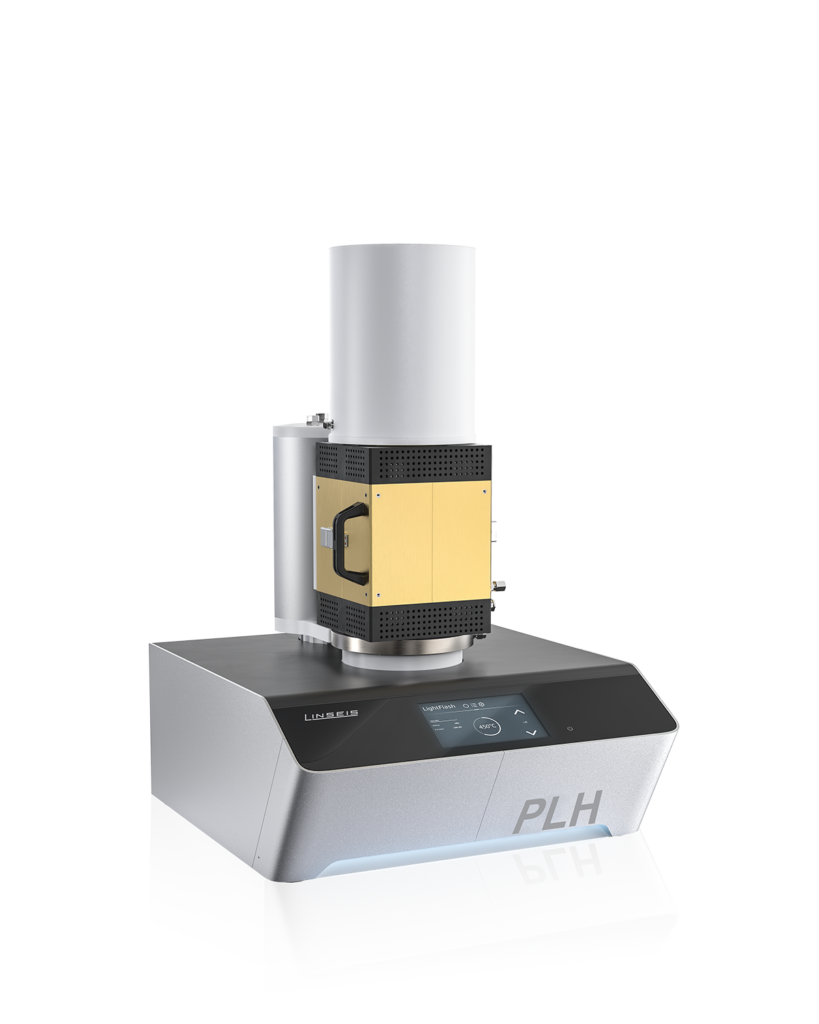
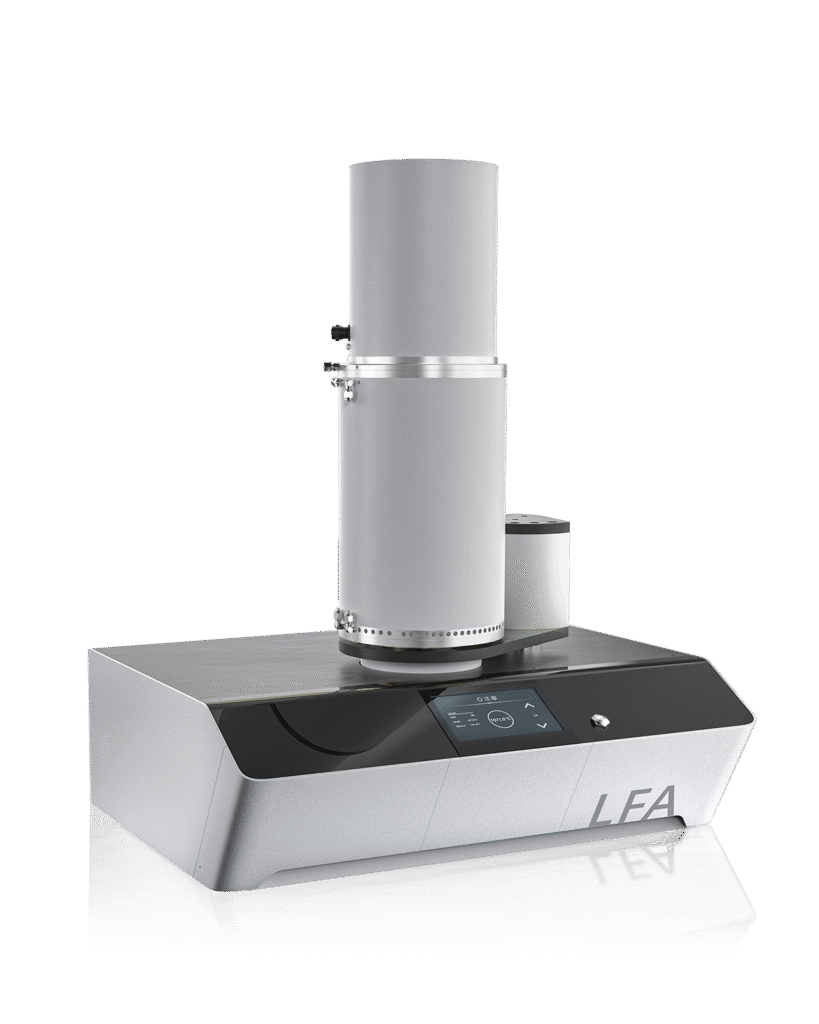
These methods enable a detailed investigation of reaction kinetics, chemical transformations, stability, and transport processes—from basic research to industrial applications.
With over 69 years of experience, Linseis develops customized solutions for a wide range of requirements, temperature ranges, and materials. Our systems support you in process optimization, quality control, and material development. Discover our equipment or contact us for a personalized consultation.
Typical Applications in the Chemical Industry
Select your specific application to gain detailed insights into measurement methods and solutions.
Catalysts
Analysis of the Activity, Stability, and Reaction Behavior of Catalytic Systems
Real-world measurements demonstrate how thermal analysis methods are used to solve real-world problems in the chemical industry.
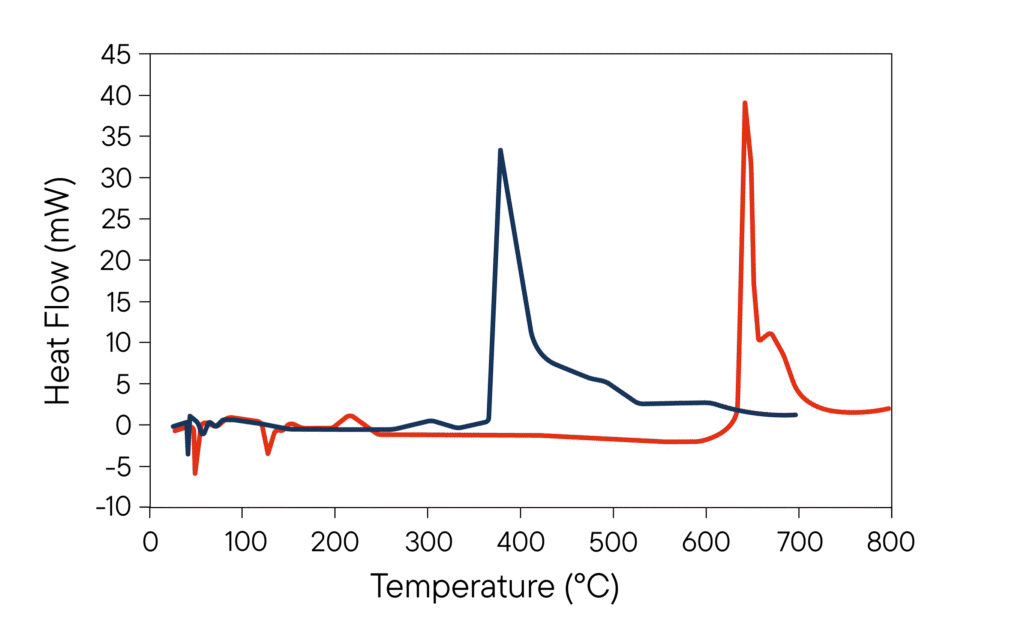
Analysis of Reaction Kinetics in Ni/Al Systems Using DSC
DSC measurements performed using the Linseis HDSC L62 show a significant decrease in the reaction onset temperature following particle modification, indicating improved reactivity and energy release behavior in Ni/Al systems. Download the white paper to learn more about the complete measurement setup, the thermal analysis data, and their interpretation.
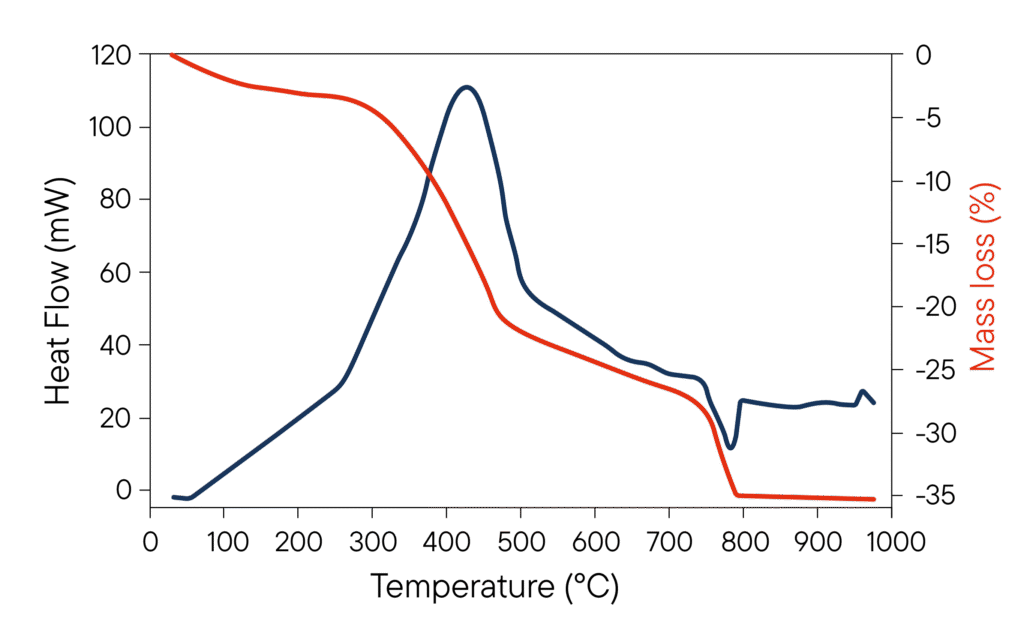
Characterization of Biochar Using Simultaneous Thermal Analysis (STA)
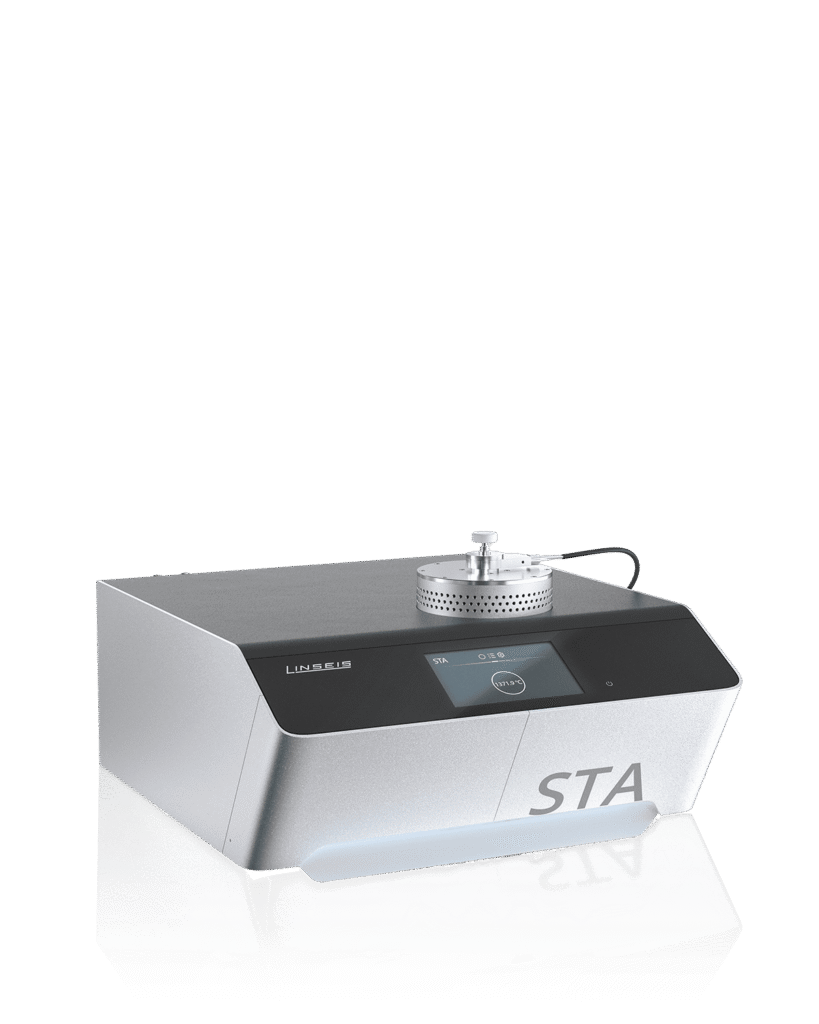
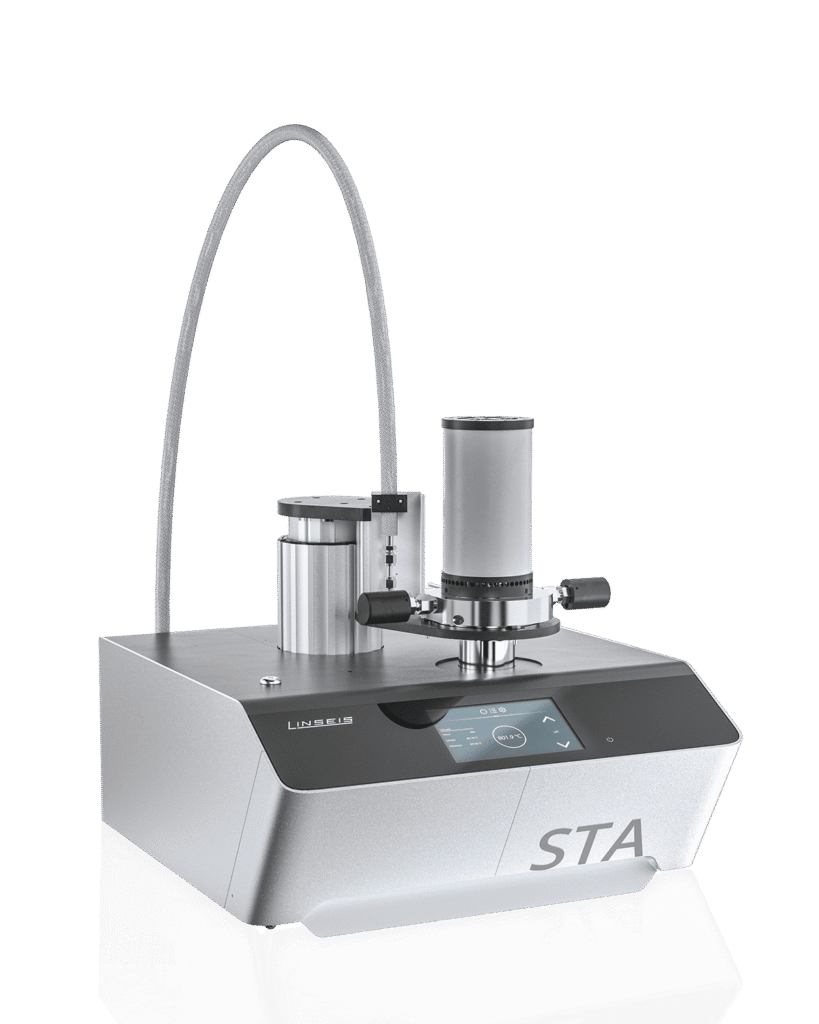
STA measurements taken with the Linseis STA L81 show the thermal decomposition and mass loss behavior of biochar produced from sewage sludge and wastewater from olive mills. Download the white paper to learn more about the complete setup of the STA measurement, the decomposition analysis, and the interpretation of the thermal stability behavior.