Glass is one of the most versatile materials used in modern technology. It is used in architecture, electronics, optics, medical technology, energy technology, and numerous industrial processes. Depending on its composition, glass can exhibit exceptional thermal, optical, chemical, or mechanical properties.
The development of high-performance glass materials requires a deep understanding of their thermal behavior, dimensional stability, and physical properties. Modern analytical methods provide important information about thermal expansion, glass transitions, thermal conductivity, heat capacity, and thermal stability.
With over 69 years of experience, LINSEIS offers solutions for the characterization of glass materials in research, development, and industrial quality control.
Typical Applications for Glasses
Select your specific application and gain detailed insights into material characterization, measurement methods, and innovative solutions for modern glass materials.
Thermomechanics of Glasses
Analysis of thermal expansion, glass transitions, and dimensional stability for technical glass, specialty glass, and high-temperature applications.
Measurement Methods for Electronics & Semiconductors
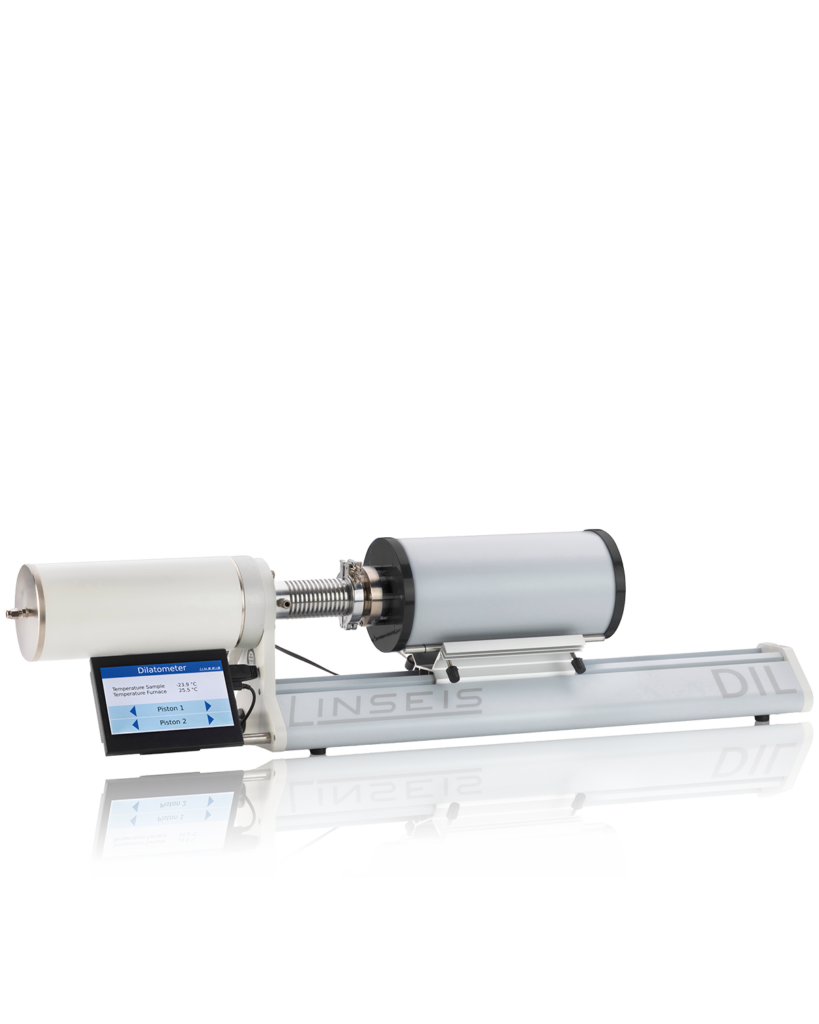
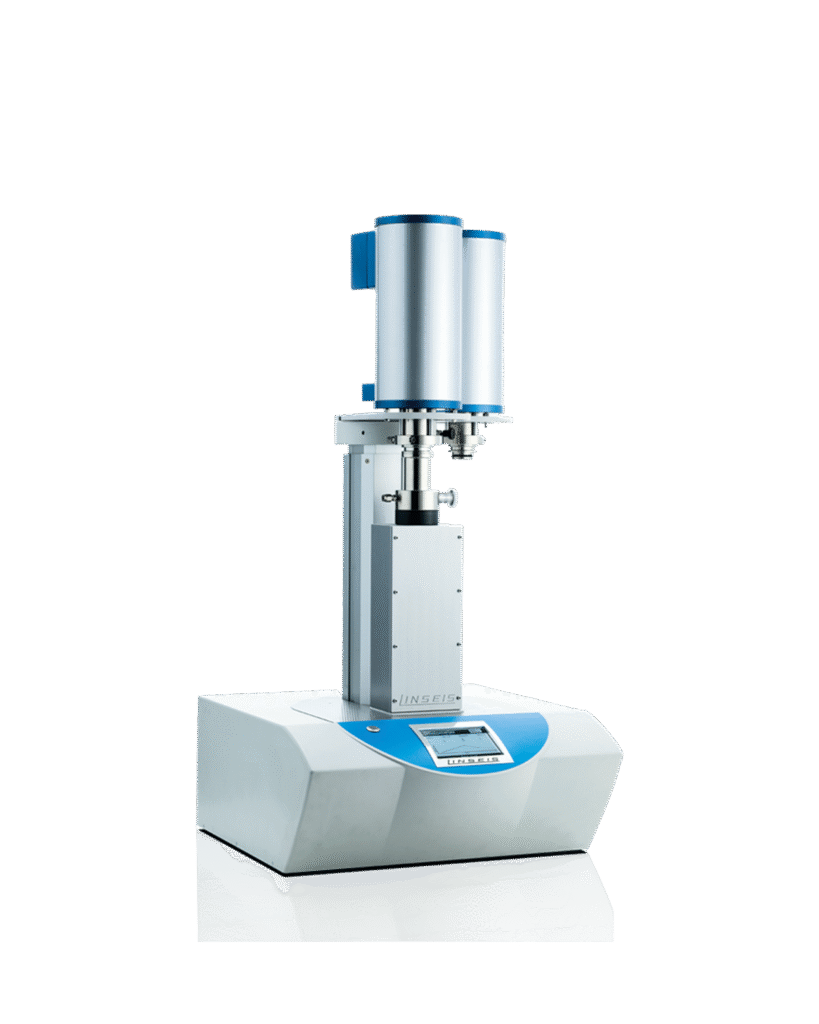
Dilatometry (DIL)
Determination of thermal expansion, glass transitions, and dimensional changes for technical glass, specialty glass, and high-temperature applications.
Real-world measurements demonstrate how modern analytical methods are used to solve real-world problems related to glass.
Thermal Characterization of Li₂O-Al₂O₃-SiO₂ Glass-Ceramics
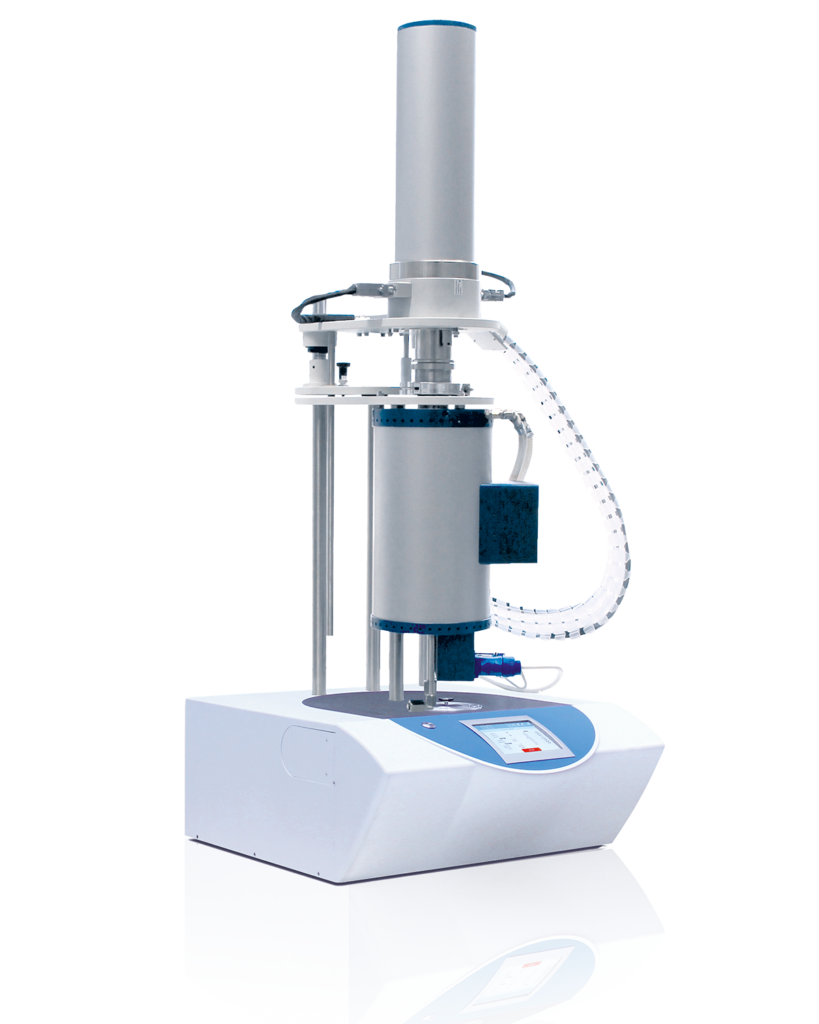
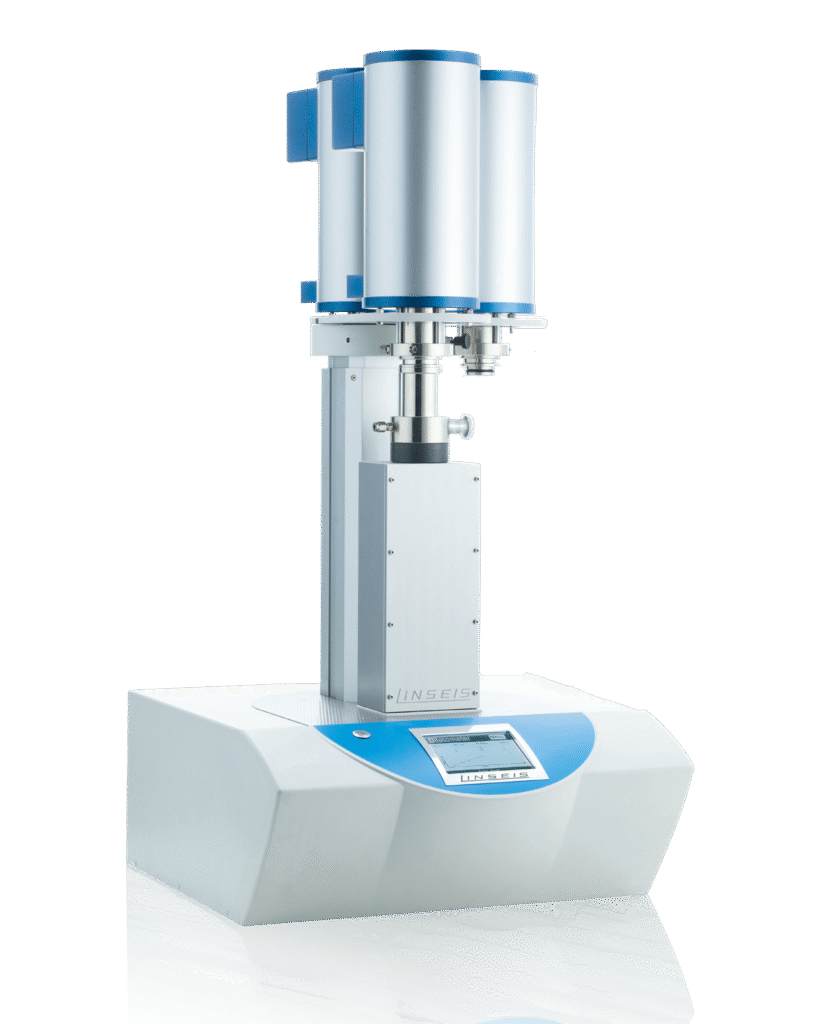
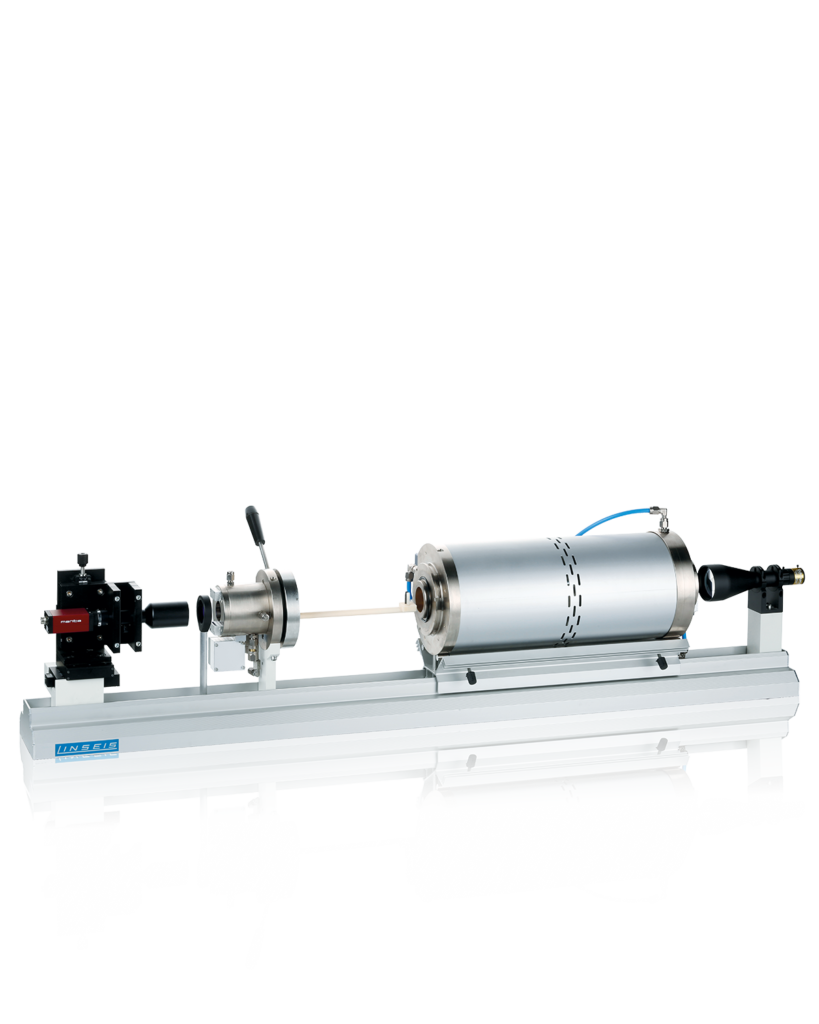
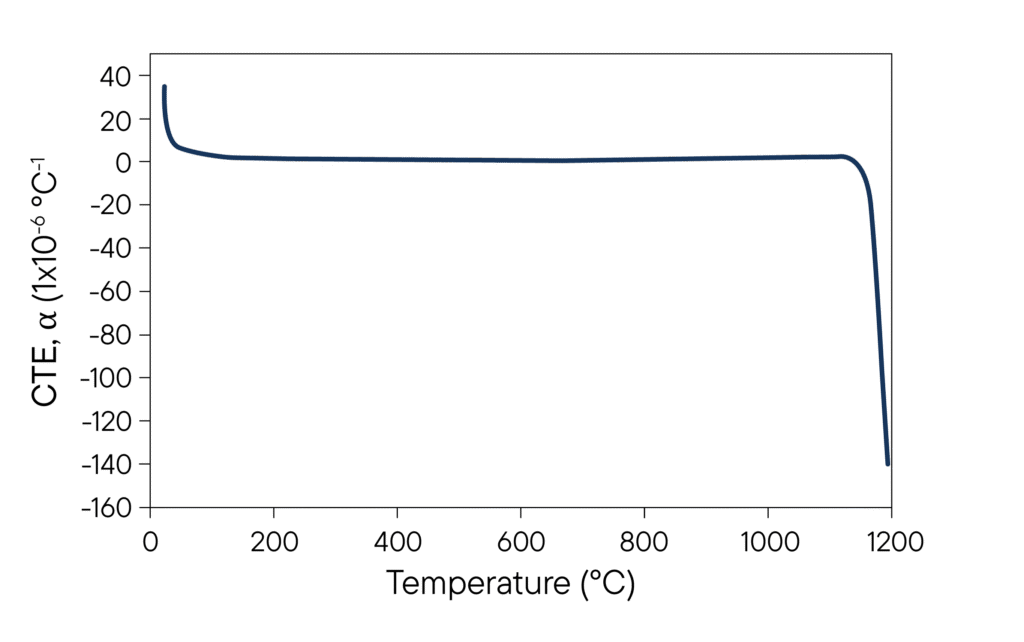
Lithium-aluminum-silicate glass-ceramics are characterized by their exceptionally low thermal expansion and high thermal shock resistance. This practical example demonstrates the characterization of thermal expansion behavior using LINSEIS DIL L75 Horizontal and highlights the suitability of these materials for optical components, electronic substrates, and high-temperature applications.
Thermal Characterization of BaO–SrO–SiO₂–B₂O₃ Glass Sealants
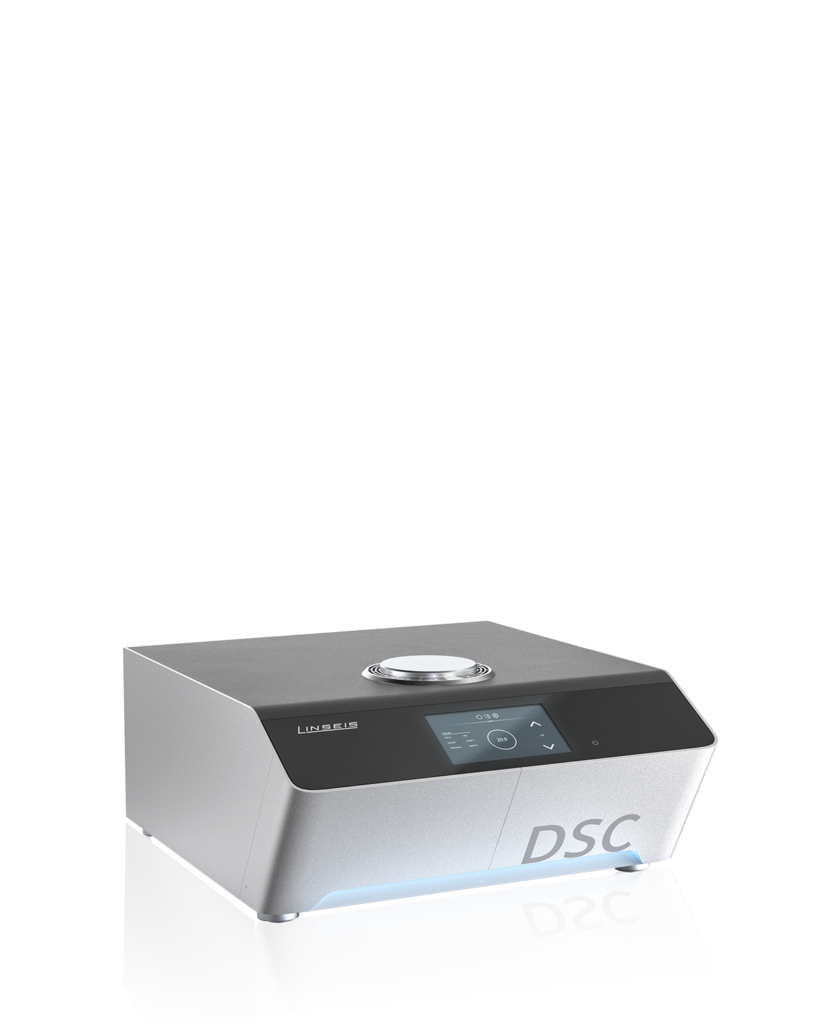
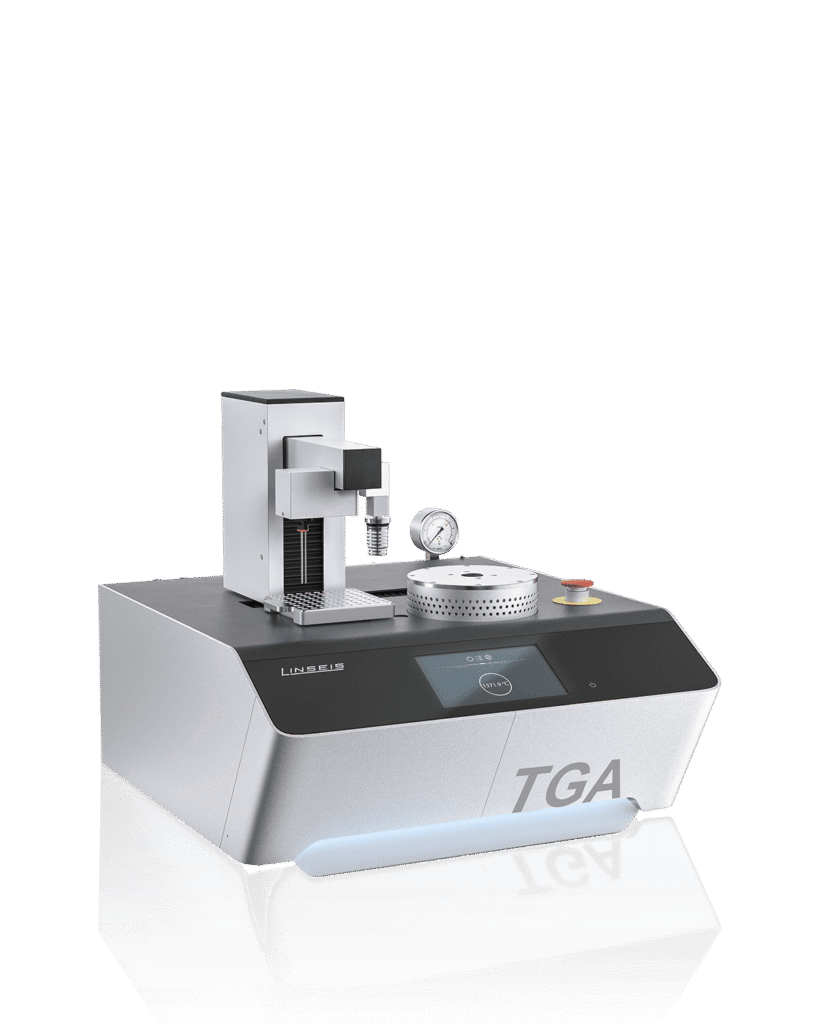
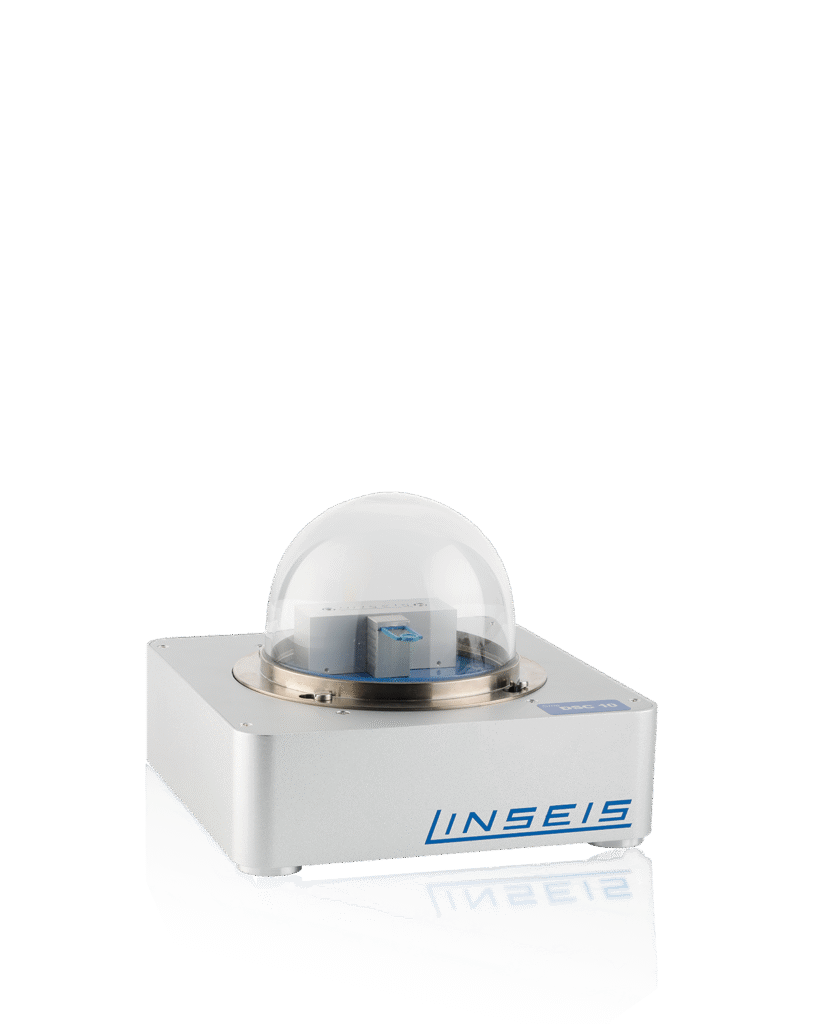
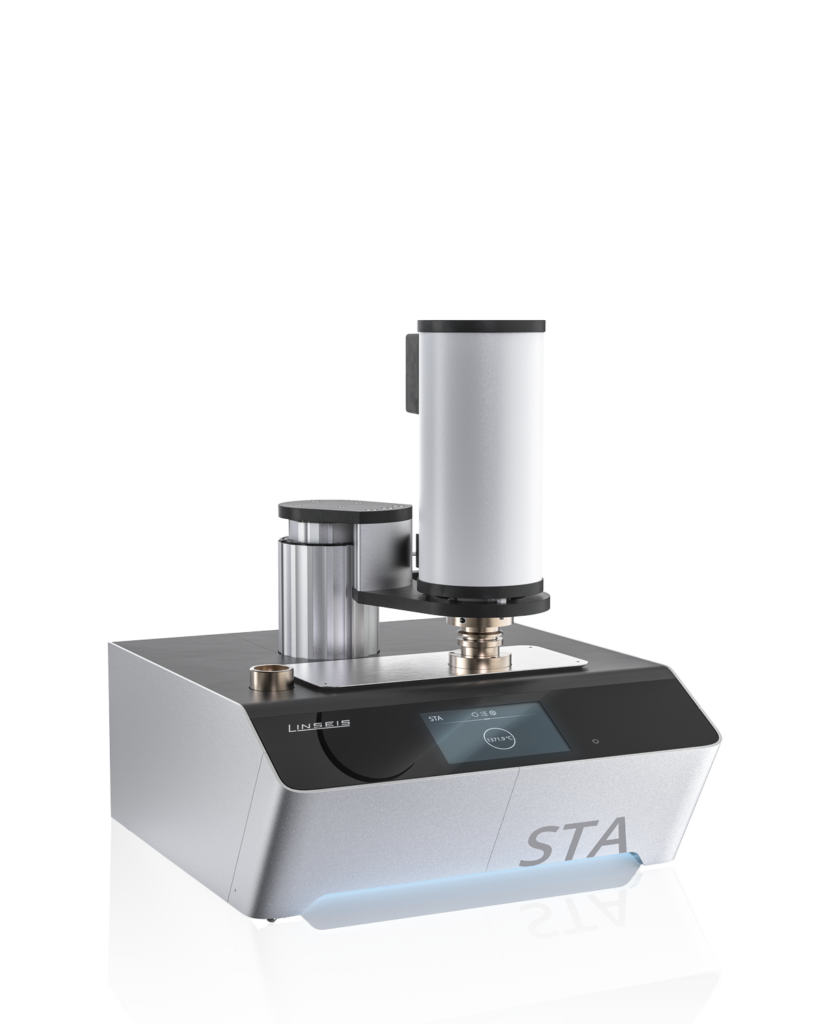
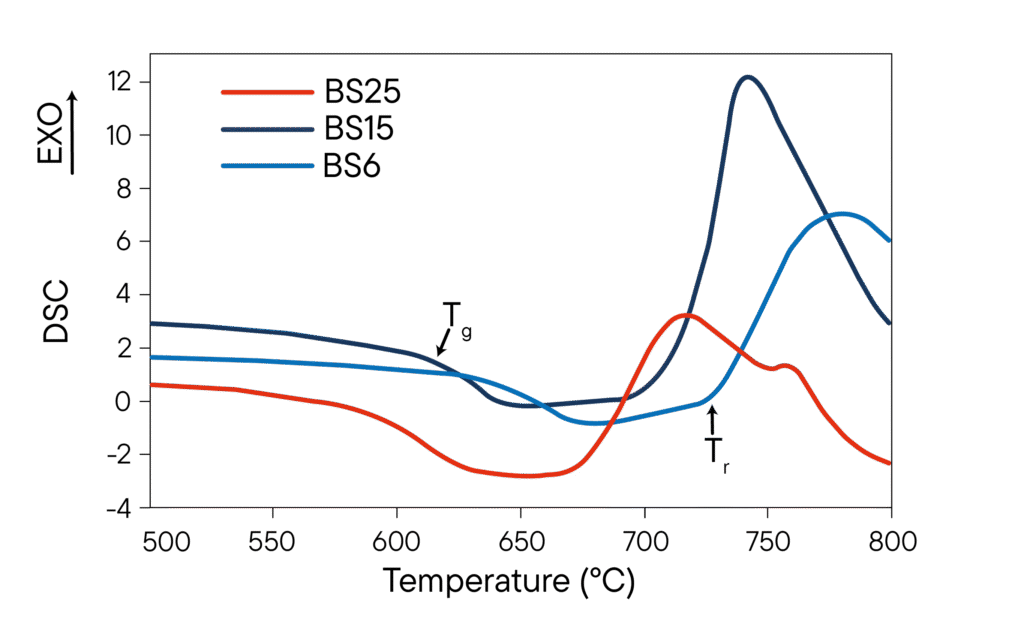
The thermal properties of glass seals are critical for the reliable bonding of oxygen transport membranes in high-temperature applications. Using DSC measurements with the LINSEIS STA L81 , BaO–SrO–SiO₂–B₂O₃ glasses with varying strontium contents were investigated. The results demonstrate the influence of composition on glass transition, crystallization, and thermal stability, and identify the BS15 composition as a particularly suitable candidate for high-temperature seal applications.