Cryotechnology plays a central role in fields such as the hydrogen economy, LNG infrastructure, space exploration, medical technology, and superconducting systems. Materials and insulation must reliably maintain their thermal and structural properties even at extremely low temperatures.
Modern analytical methods enable the study of thermal conductivity, thermal expansion, phase transitions, and material stability under conditions that closely resemble real-world scenarios, and support the development of safe and durable cryogenic systems.
With over 69 years of experience, LINSEIS offers innovative measurement solutions for research, development, and industrial quality assurance in cryotechnology.
Relevant Questions
How can heat loss in cryogenic systems be minimized?
How can cryogenic insulation systems be specifically optimized?
What thermal stresses occur under cryogenic conditions, and how can they be reduced?
How can high-performance storage materials be developed for cryogenic applications?
Which materials are best suited for use in LNG and hydrogen systems?
How stable do materials remain during long-term use under cryogenic conditions?
How reliably do materials perform under repeated temperature cycles?
How can the energy efficiency of cryogenic systems be improved in a sustainable way?
Relevant Material and Process Parameters
Parameter
Meaning
Thermal Conductivity
Efficient Design of Cryogenic Insulation Systems
Thermal Expansion
Preventing Stress in Tanks and Piping
Thermal Diffusivity
Evaluation of Heat Transfer in Building Components
Heat Capacity
Analysis of the Thermal Behavior of Materials
Phase Transitions
Characterization of Materials at Low Temperatures
Thermal Stability
Safe operation under cryogenic conditions
Aging Behavior
Long-term material reliability
Insulation capacity
Reduction of boil-off losses
Dimensional Stability
Precision and reliability during temperature changes
Cryogenic Material Compatibility
Suitability for hydrogen, LNG, and aerospace applications
Measurement Methods for Cryogenic Technologies
Thermal Conductivity (TC)
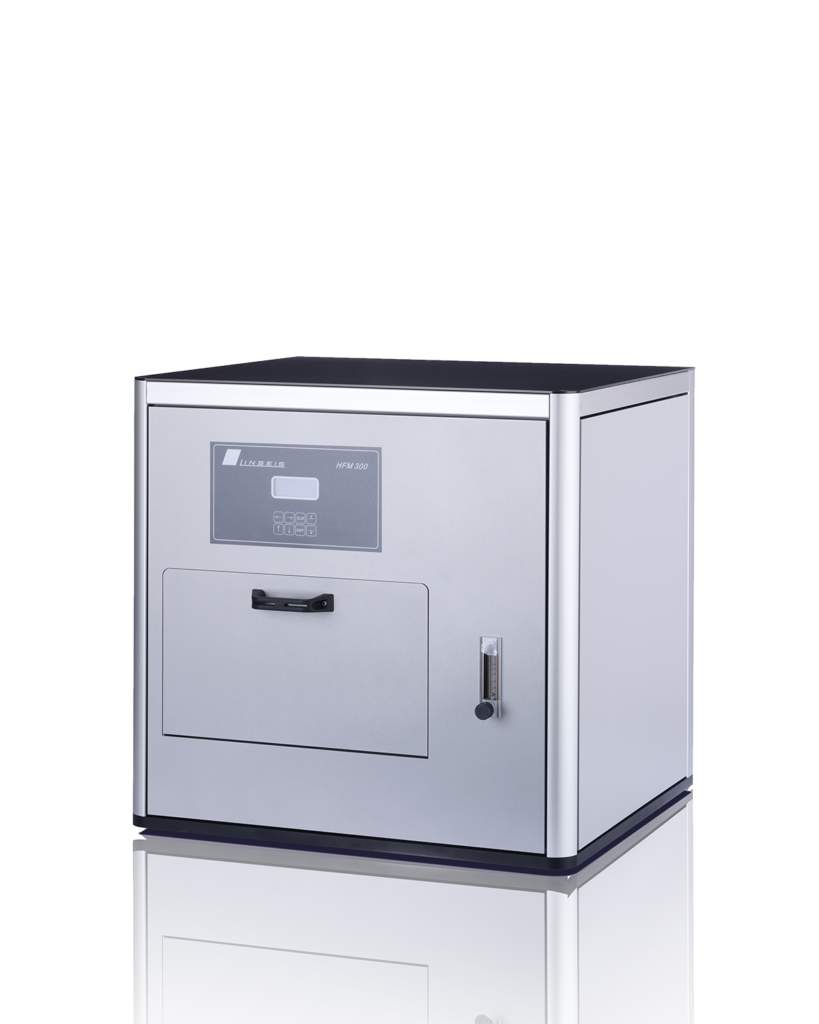
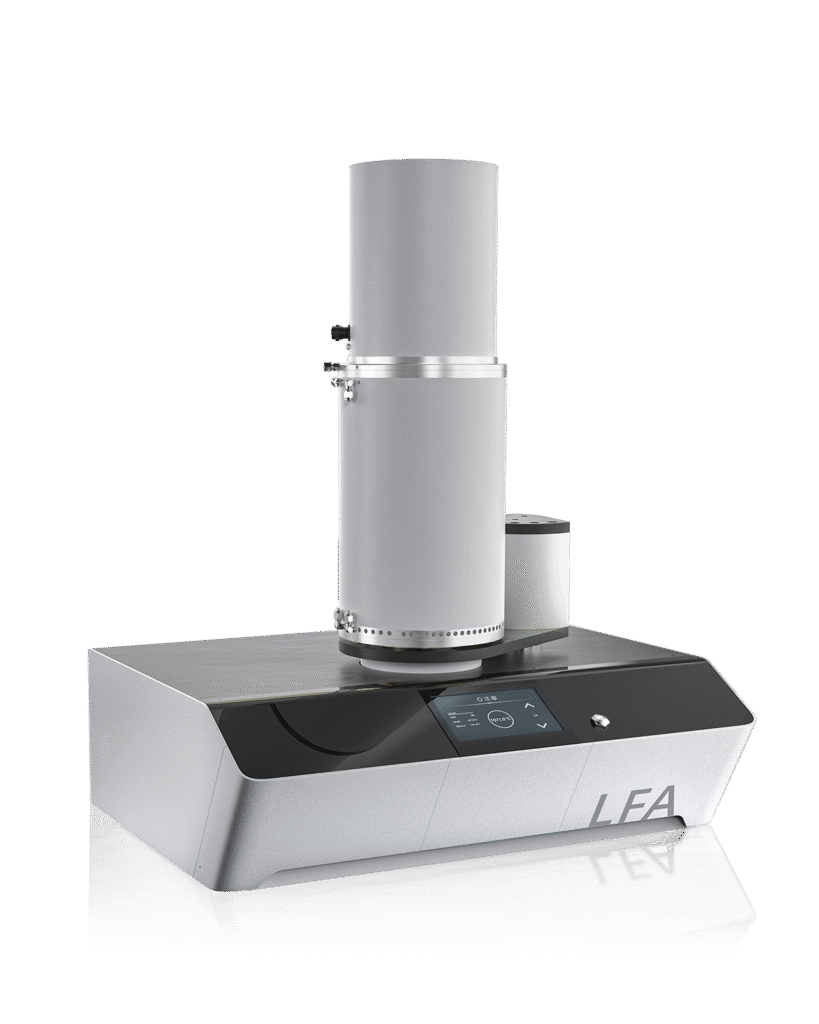
Thermal conductivity analysis enables the precise characterization of insulation materials and cryogenic materials for applications at extremely low temperatures.
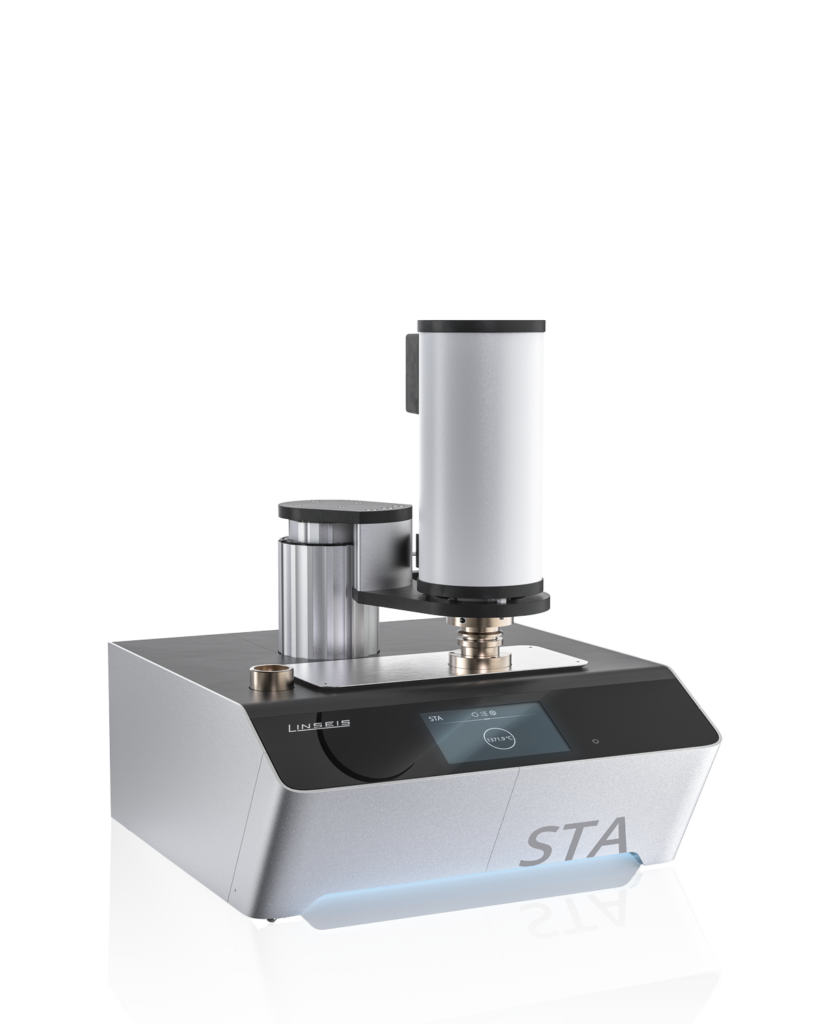
The STA combines thermogravimetry and dynamic differential calorimetry to provide a comprehensive analysis of thermal reactions and the stability of cryogenic materials.
Case Study: Analysis of a Cryogenic Insulation Material
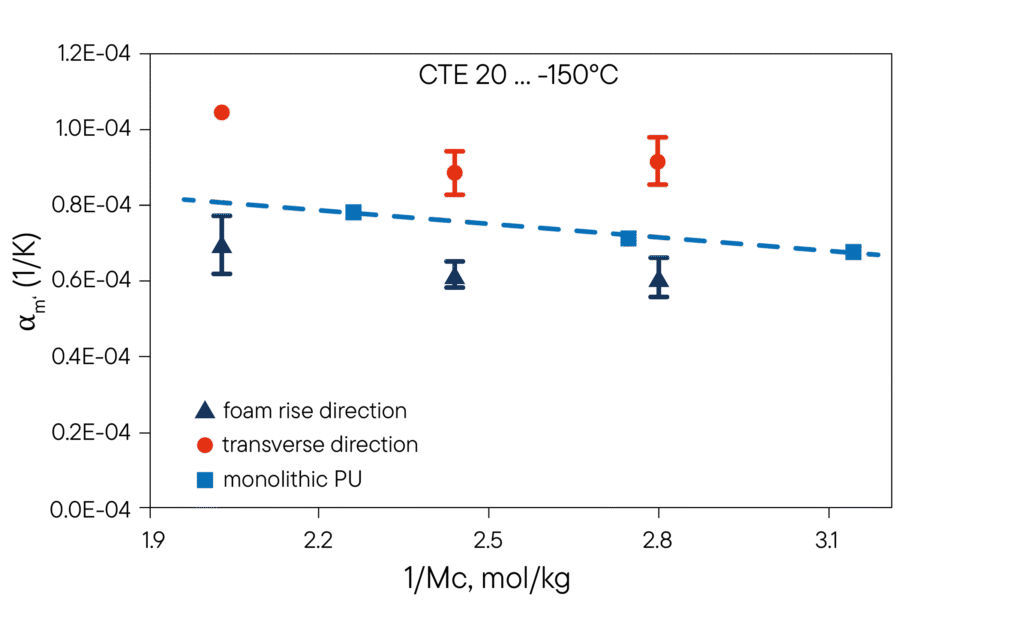
Thermal Expansion Behavior of Bio-Based Polyurethane Foams for Cryogenic Applications
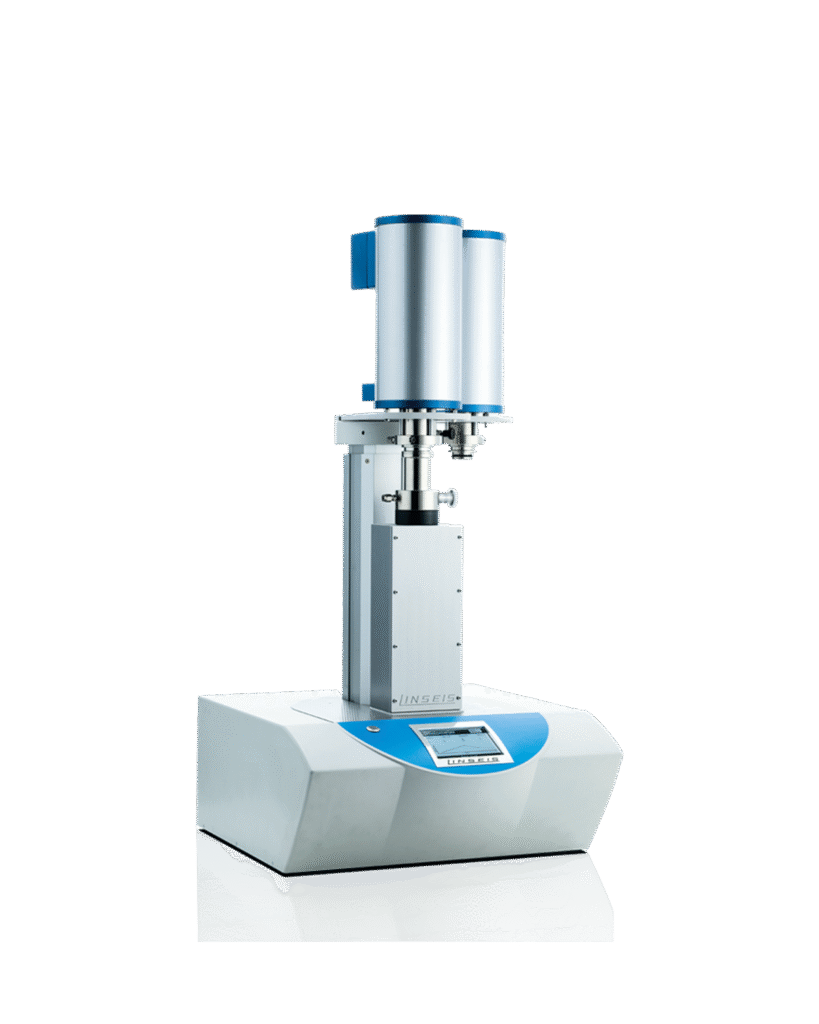
TMA Measurements Using the Linseis TMA L72 demonstrate the thermal expansion behavior of bio-based closed-cell polyurethane foams at cryogenic temperatures. The results provide valuable insights into dimensional stability and support the development of high-performance insulation materials for LNG, hydrogen, and aerospace applications.
Why Materials Analysis Is Crucial for Cryotechnology
Cryogenic applications place the highest demands on materials and components. Even slight changes in thermal properties can affect the efficiency, safety, and reliability of complex systems.
The combination of modern analytical methods makes it possible to:
Characterization of Cryogenic Insulation Materials
Determination of Thermal Conductivity at Low Temperatures
Analysis of Thermal Expansion
Investigation of Phase Transitions
Assessment of Material Stability
Optimization of Storage and Transportation Systems
Applications – Automotive, Aerospace
TIM Tester (TIM L58) – Metal Plates with Adhesive Coating – Thermal Conductivity and Thermal Impedance
Why is materials analysis important in cryotechnology?
It enables the development of safe and efficient materials for applications at extremely low temperatures and helps to reliably evaluate thermal and mechanical properties.
What properties are examined in cryogenic materials?
What role does thermal conductivity play in cryogenic applications?
Low thermal conductivity reduces heat loss and improves the efficiency of storage tanks, pipes, and insulation systems.
How does dilatometry support the development of cryogenic components?
It provides precise information on thermal expansion and dimensional changes and helps prevent stress and material failure.
Which industries benefit from cryogenic material analysis?
These include, among others, the hydrogen economy, LNG infrastructure, aerospace, medical technology, superconducting technology, and research and development.
Which LINSEIS measurement methods are particularly relevant to cryotechnology?