Linseis > Materials Analysis for Research & Higher Education
Materials research is an essential foundation for technological progress. From high-performance ceramics to innovative alloys to polymers and composites to semiconductors and functional materials—new technologies often emerge only through a precise understanding of the underlying material properties.
To this end, research institutions and universities require particularly flexible analytical methods that can be used to investigate a wide variety of materials and research questions. Thermal and thermophysical measurement methods provide important information on heat capacity, phase transitions, thermal expansion, sintering behavior, thermal conductivity, thermal stability, and numerous other material parameters.
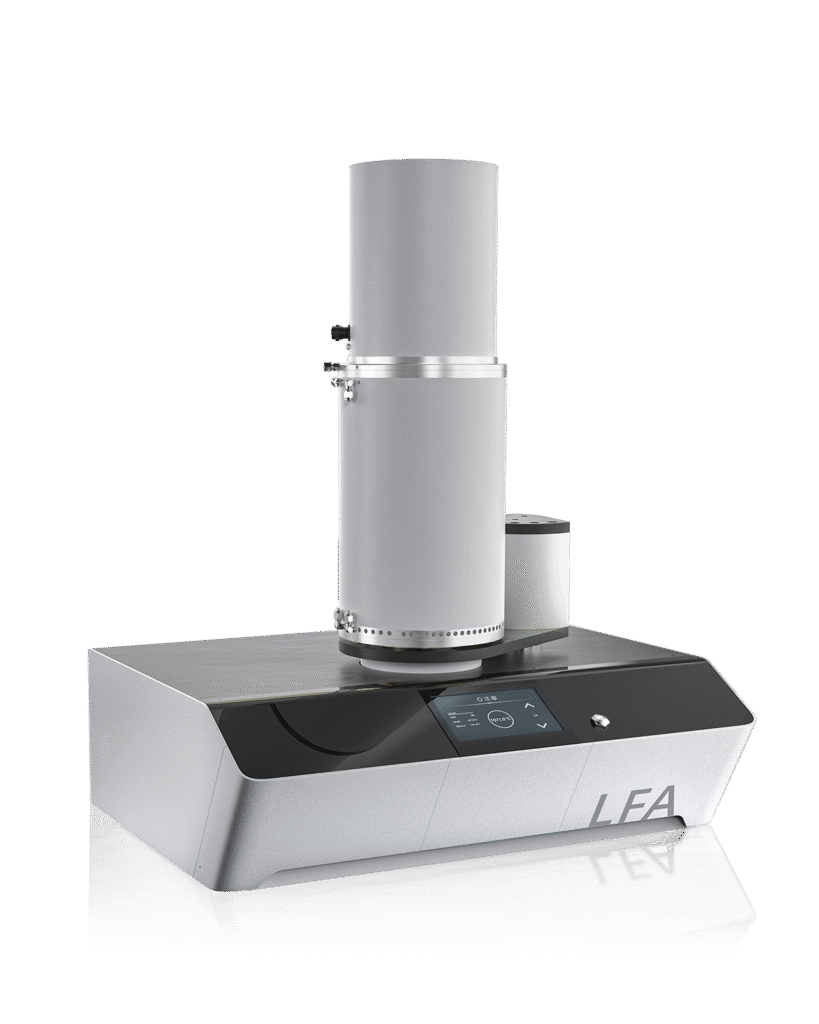
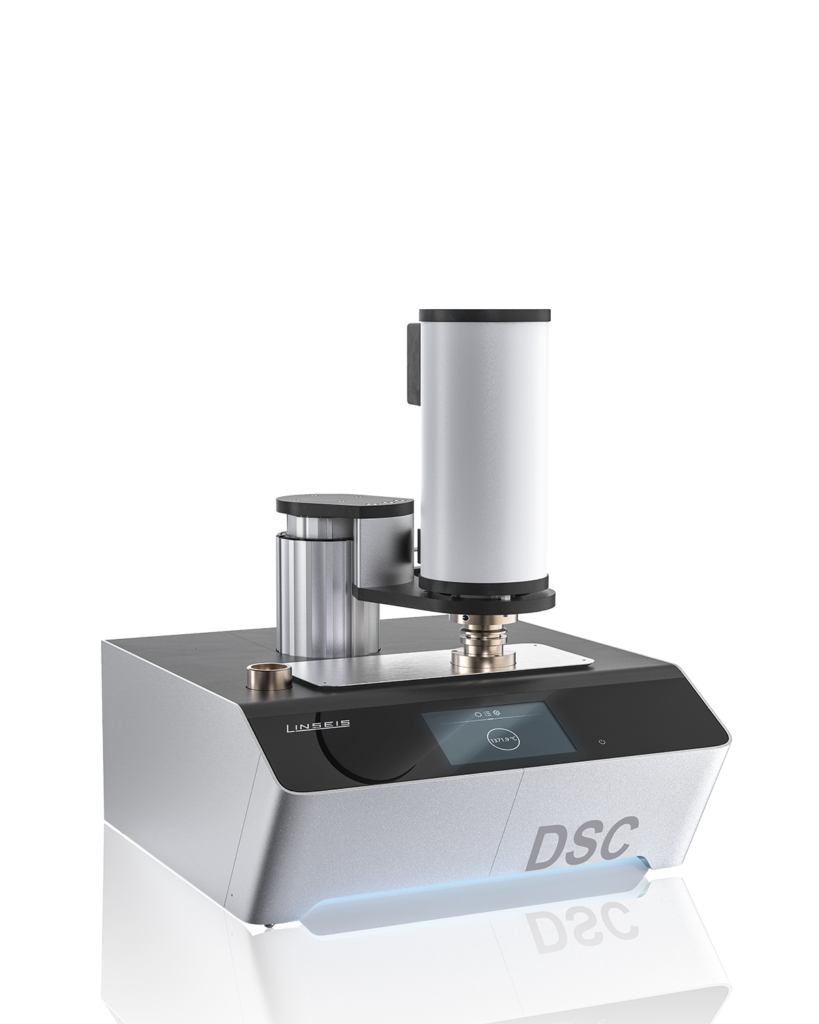
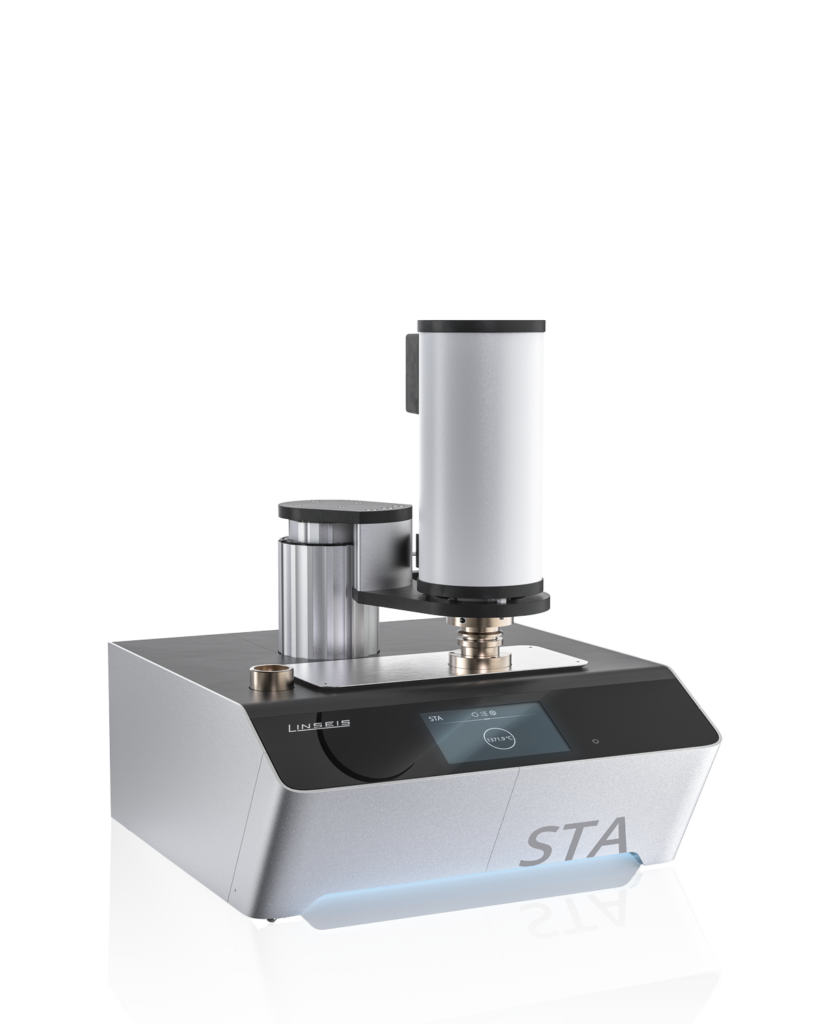
With over 69 years of experience, LINSEIS offers a wide range of measurement systems for research and science—from basic material characterization to the development of complex and novel material systems.
Typical Applications in Research and Higher Education
Select your research area and gain detailed insights into measurement methods and solutions for modern materials science challenges.
Basic Research
Investigation of fundamental thermal, thermophysical, and physical material properties to gain a comprehensive understanding of new materials.
Real-world measurements demonstrate how modern analytical methods are used to study new materials and address complex scientific questions.
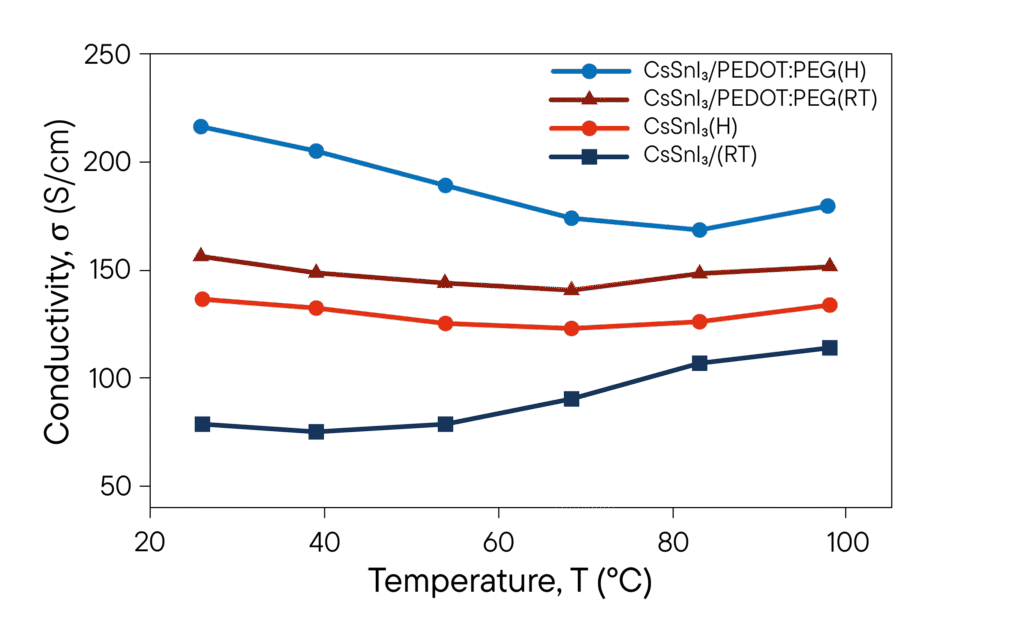
Temperature-Dependent Conductivity of Tin Perovskites
Characterization of CsSnI₃-based thin films using the LINSEIS TFA L59 shows how organic modification and optimized process conditions influence the electrical transport properties of tin perovskites. The results demonstrate significantly increased conductivity and provide valuable insights for the development of thermoelectric thin films and functional semiconductor materials. Download the white paper to learn more about material characterization, temperature-dependent transport properties, and the optimization of perovskite thin films.
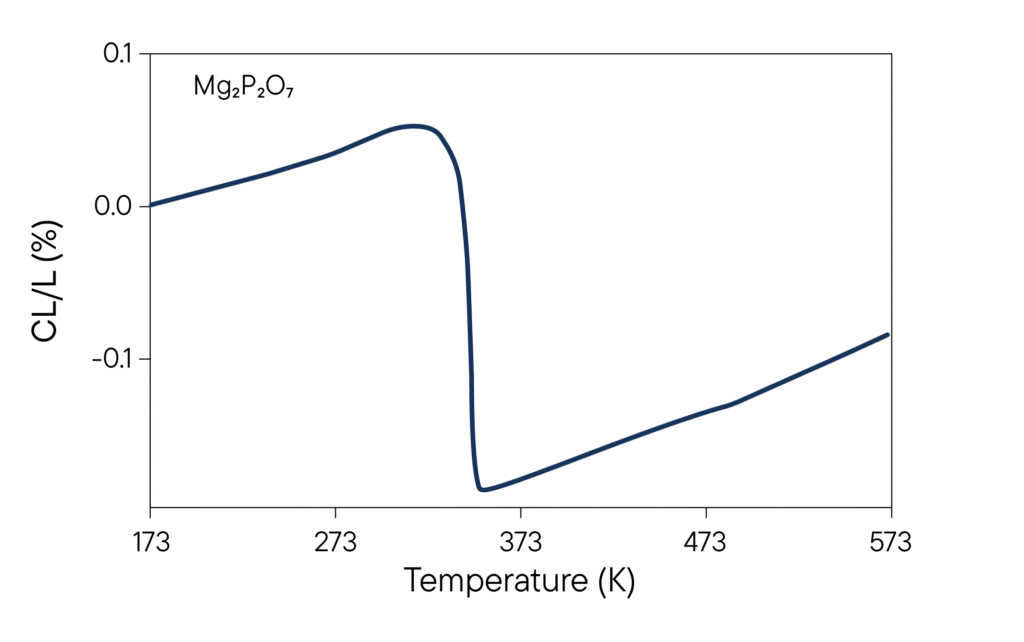
Huge negative thermal expansion of Mg₂P₂O₇
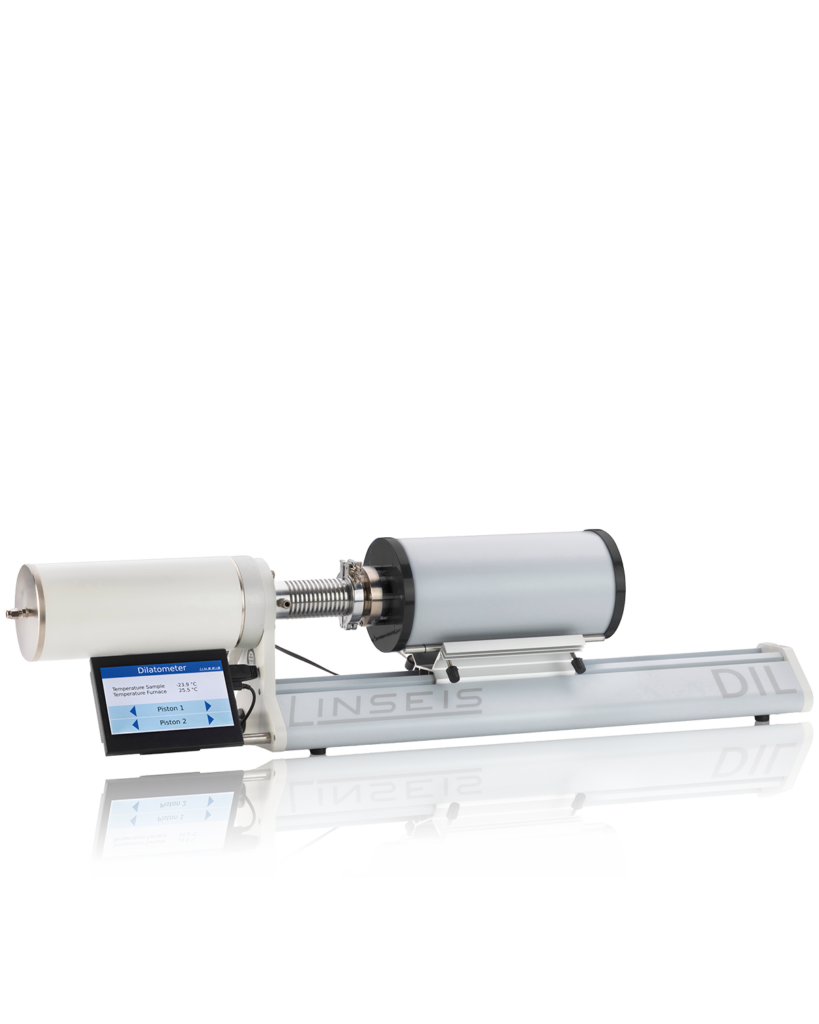
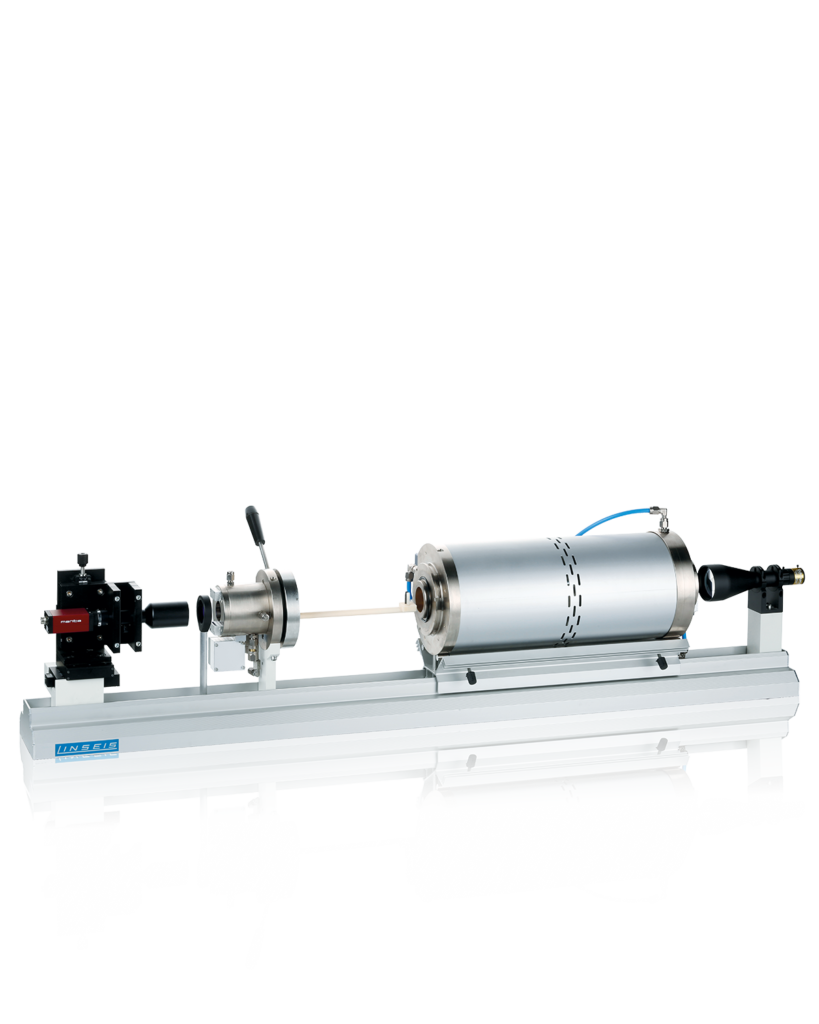
Dilatometer measurements using the LINSEIS DIL L76 show the pronounced negative thermal expansion of Mg₂P₂O₇ during the structural phase transition. The measurement captures the strong contraction between 337 and 351 K and provides important insights for the development of dimensionally stable materials with precisely tunable expansion behavior. Download the white paper to learn more about the measurement setup, thermal expansion, and interpretation of the measurement results.