







STA/DIL L80: Combined Thermal Analysis and Dilatometry
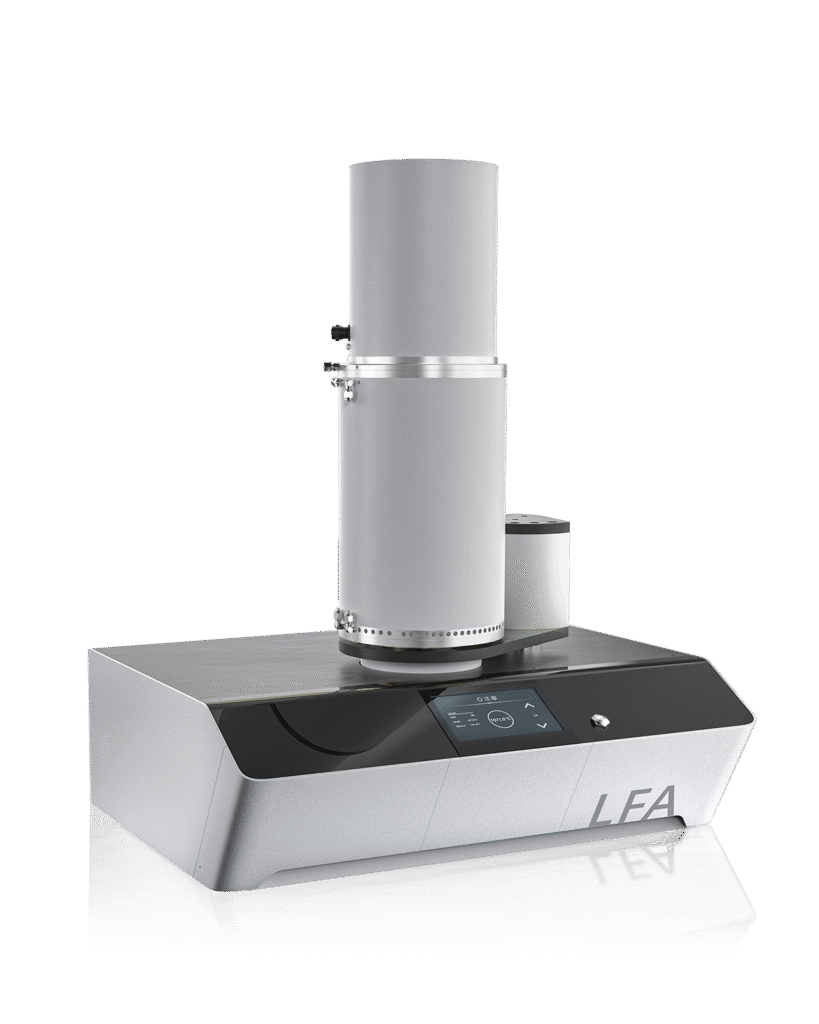
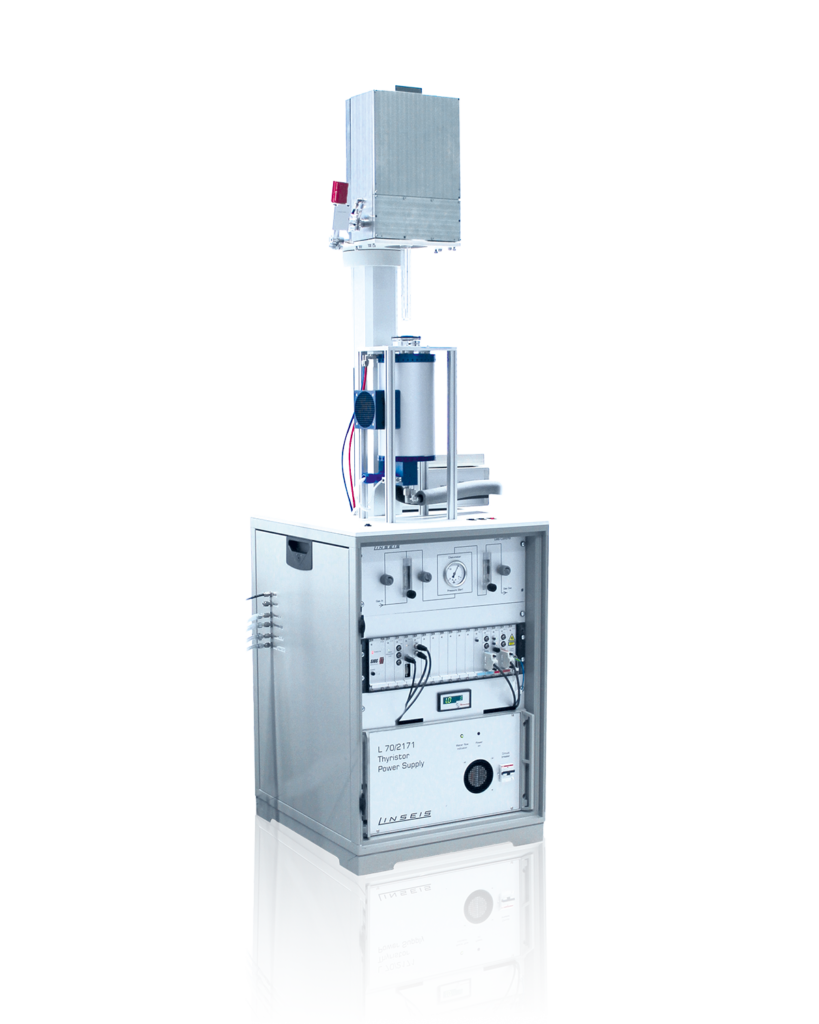
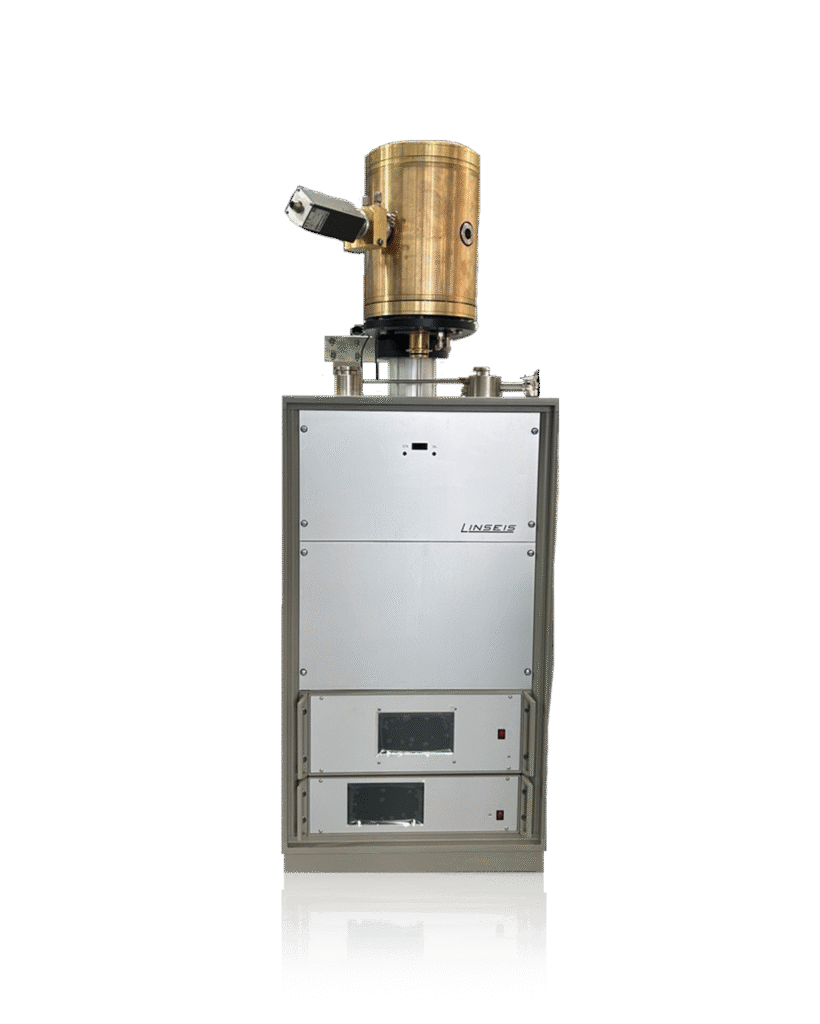
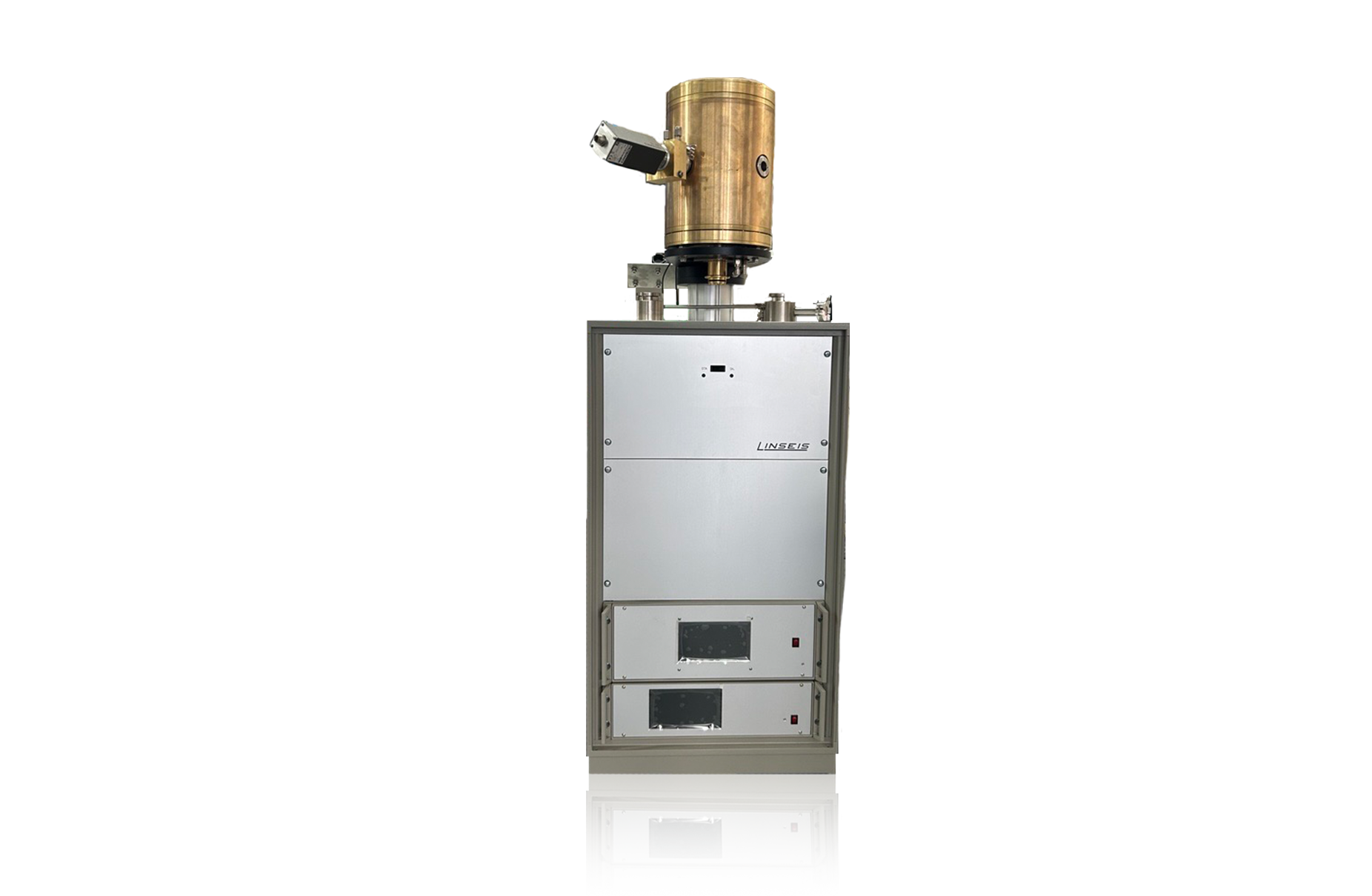
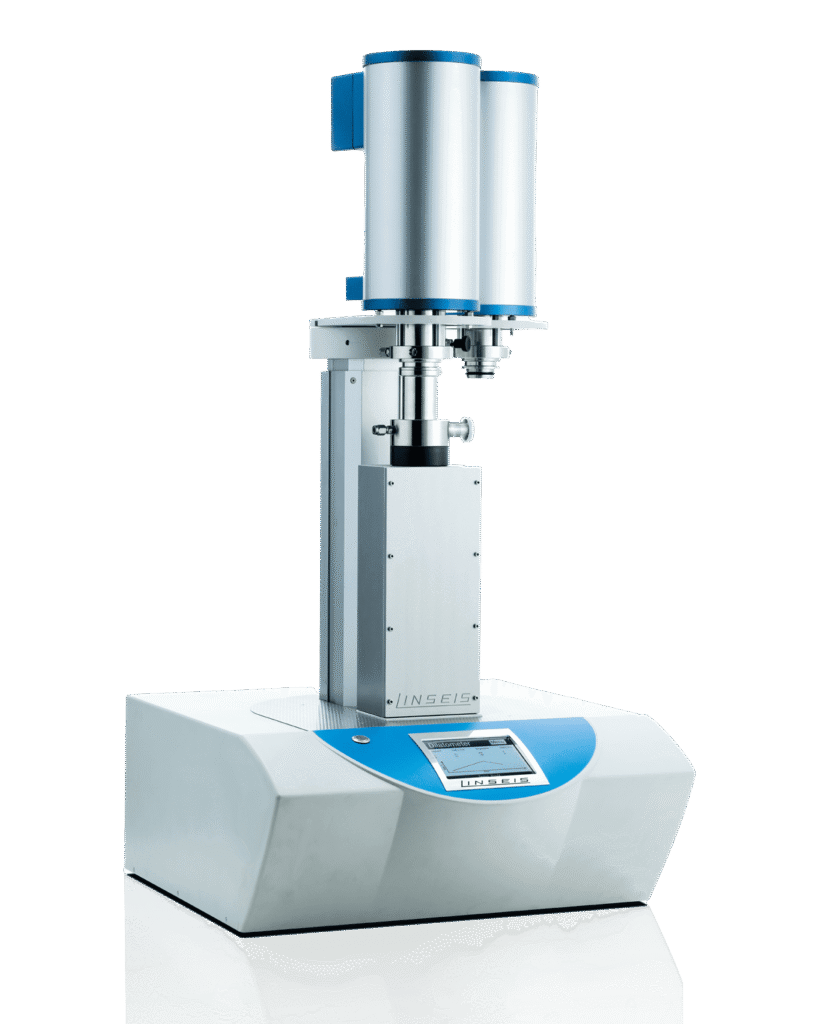
The LINSEIS STA/DIL L80 combines simultaneous thermal analysis and vertical dilatometry in an extremely flexible measurement platform. The system combines the proven features of the STA L81 and the DIL L75 Vertical , enabling comprehensive characterization of thermal effects, mass changes, and dimensional changes in a single laboratory setup.
Both measuring stations are arranged side by side and can be operated with interchangeable furnace systems. Depending on the application, the selected furnace can be moved to either the STA or the dilatometer measuring position. This design offers exceptional flexibility while reducing the need for separate furnace configurations and laboratory infrastructure.
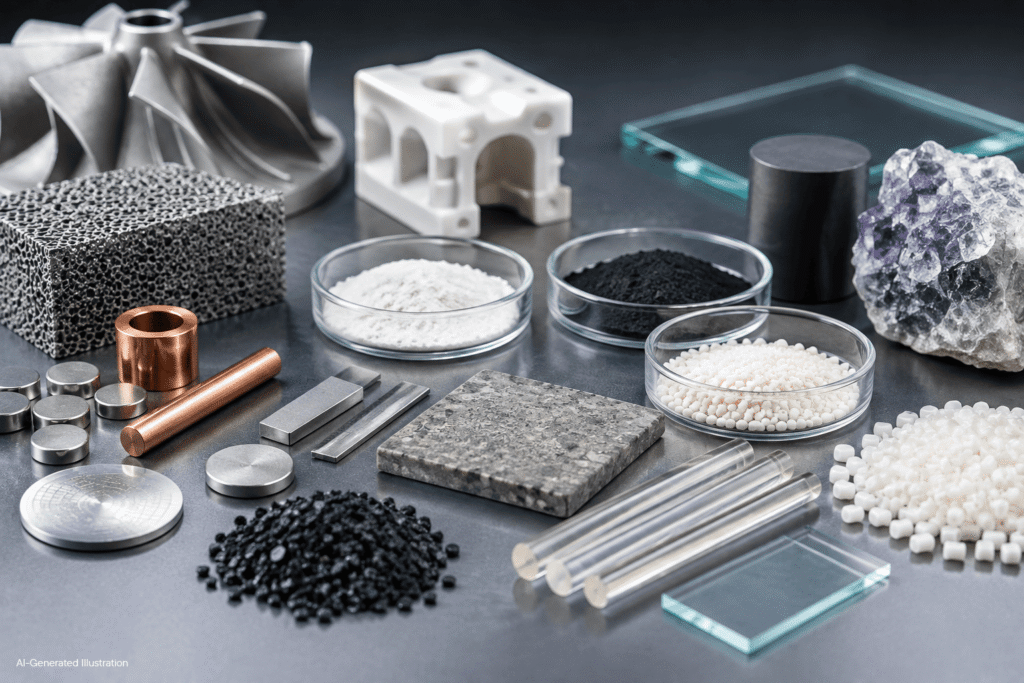
With measurement functions such as TG, DSC, DTA, TG-DSC, TG-DTA, and dilatometry, temperatures up to 2800 °C, vacuum operation, and controlled atmospheres, the STA/DIL L80 provides a comprehensive platform for research, development, and quality control of metals, ceramics, glasses, polymers, and advanced materials.
Unique features
Combined System Concept
Two Methods on One Platform
Combines simultaneous thermal analysis (STA) and vertical dilatometry in a coordinated measurement system.Shared Movable Furnace System
The furnace can be moved back and forth between the STA and DIL measuring stations, allowing the same furnace configuration to be used for both methods.Modular Furnace Concept
A variety of interchangeable furnaces offer maximum flexibility for a wide range of materials, applications, and temperature ranges.Measurements up to 2800°C
Depending on the selected furnace, the system enables thermal characterization at temperatures up to 2800 °C.
Advanced Measurement Functions
TG, DSC, DTA, and dilatometry
Characterize changes in mass, thermal effects, and dimensional changes using complementary measurement techniques.High-Precision Vertical Dilatometry
The frictionless design and high-resolution displacement measurement enable precise analysis of thermal expansion, contraction, and sintering processes.Flexible Atmosphere Control
Measurements can be performed both under vacuum and in controlled inert, oxidizing, reducing, or reactive atmospheres.Analysis of Gases Released
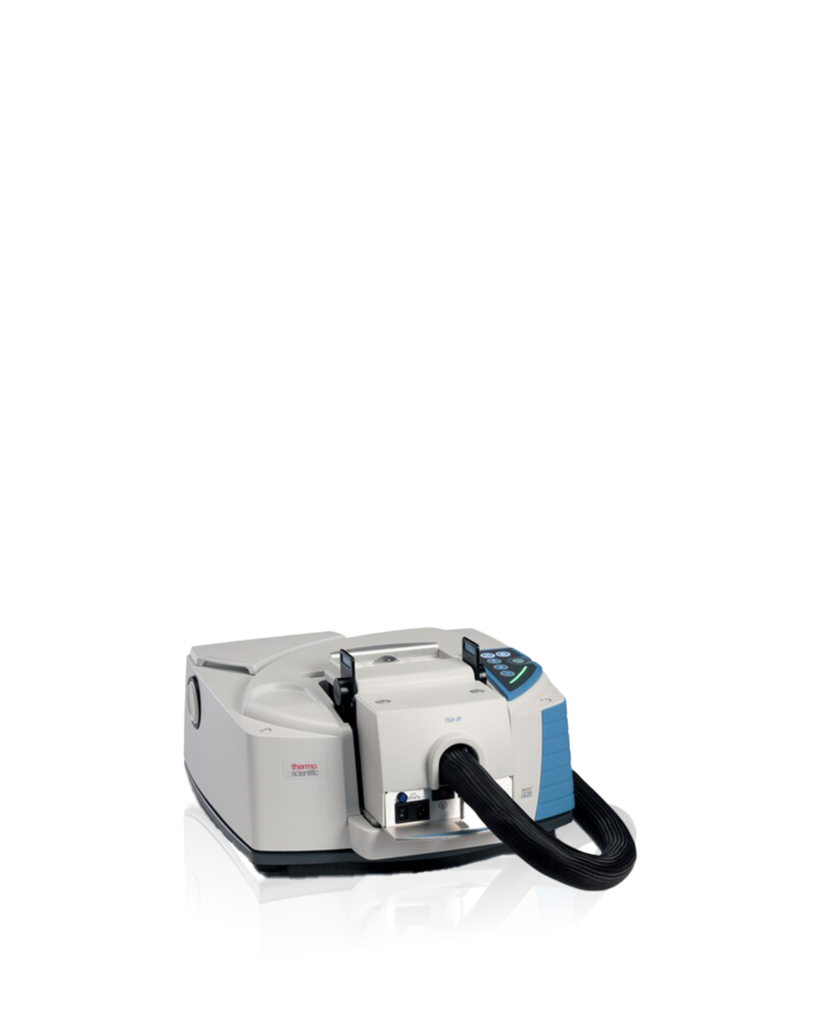
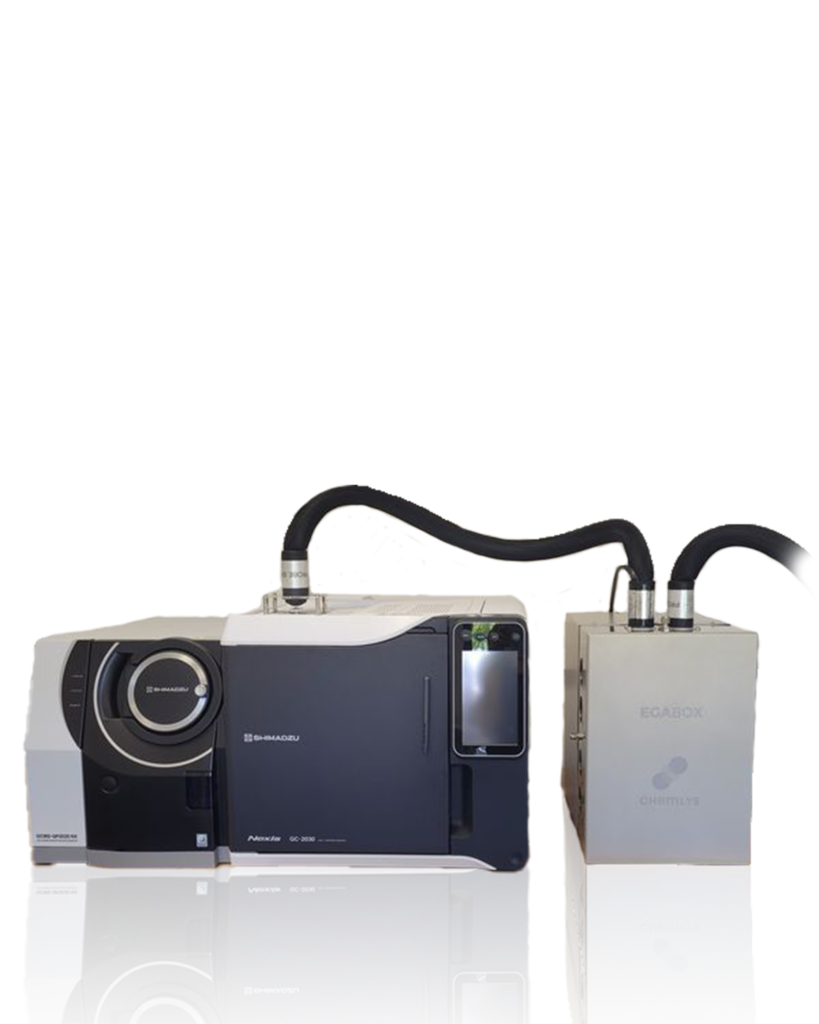
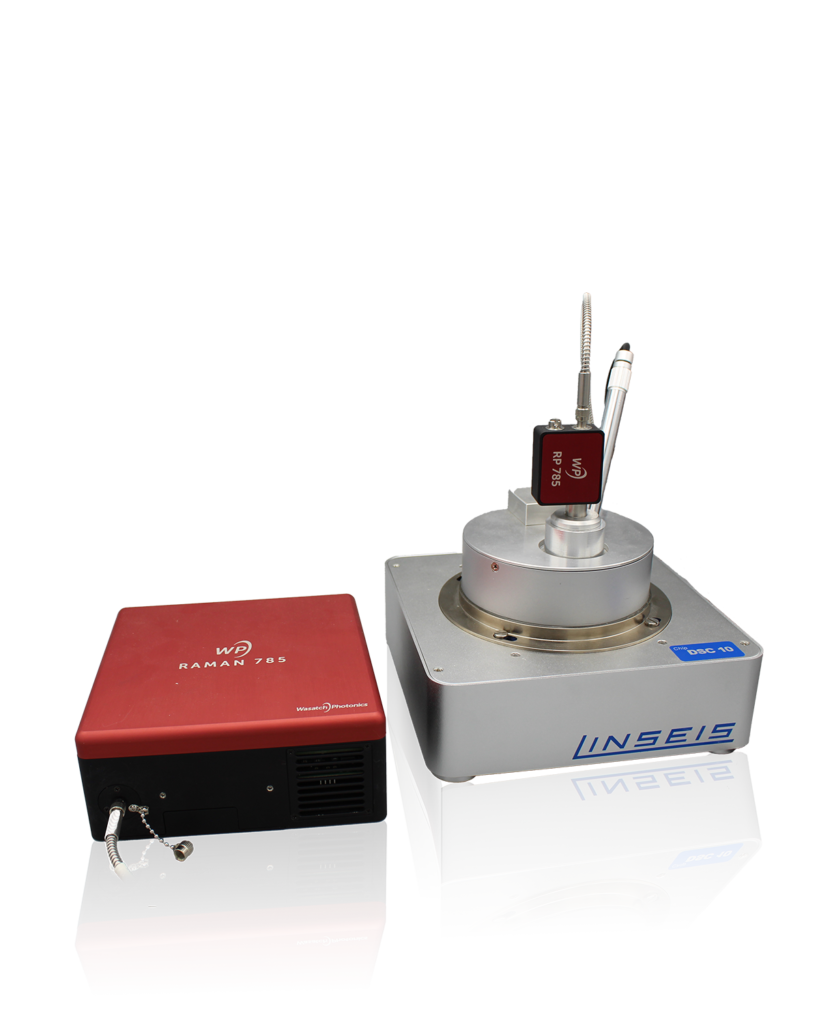
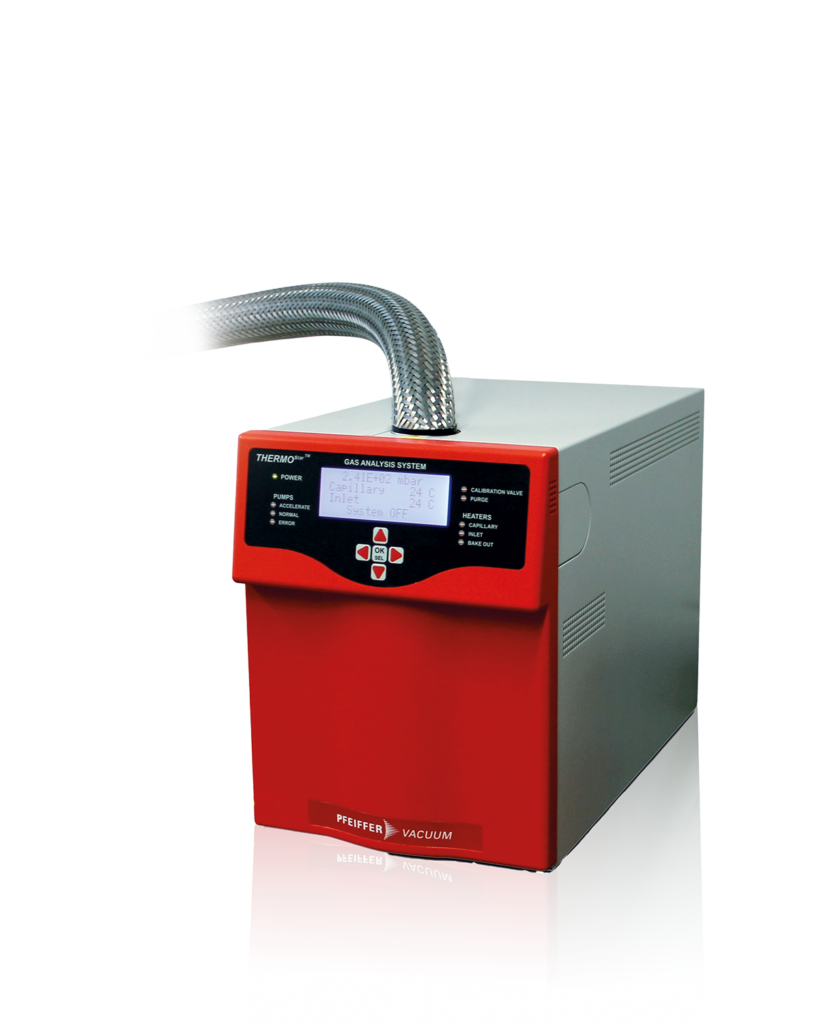
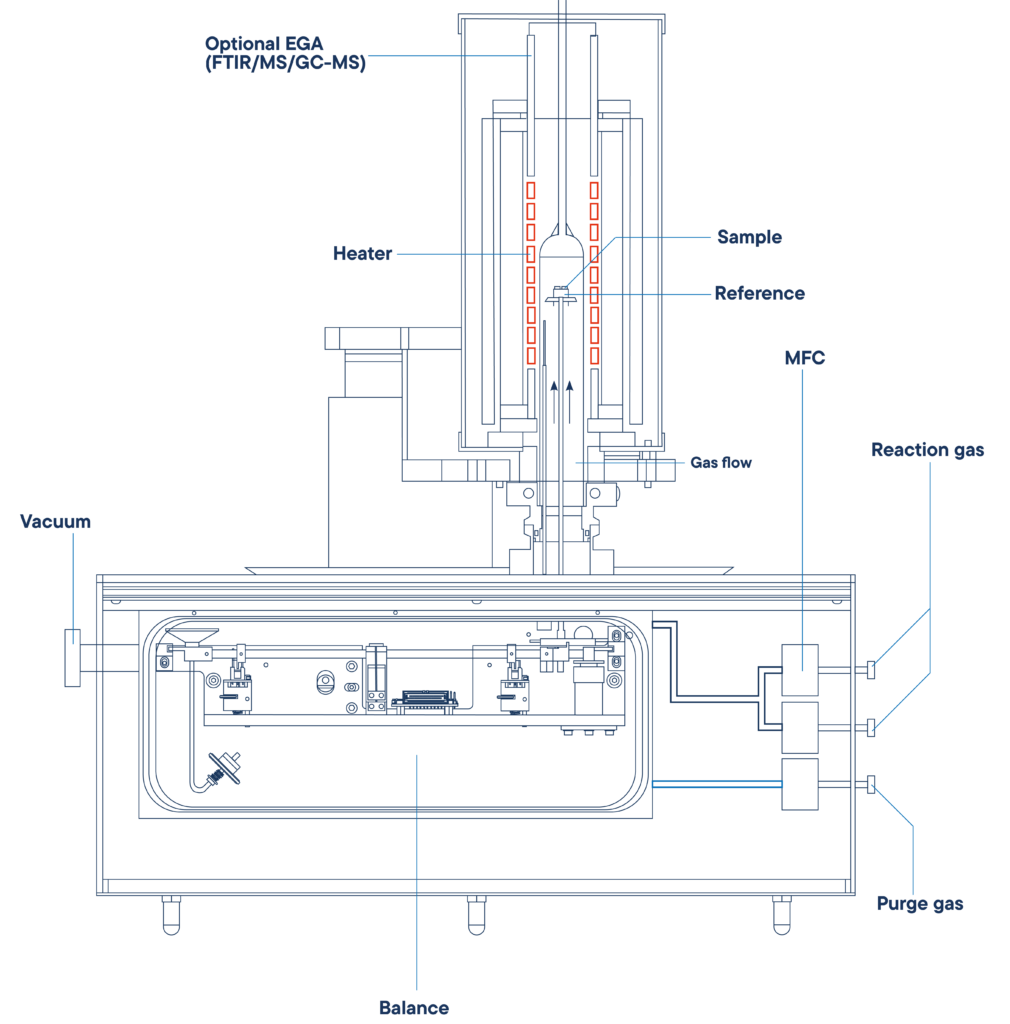
The STA measuring station can be coupled with MS, FTIR, GC-MS, or QMS to perform a detailed analysis of the gases released during thermal processes.
Software & Intelligent Measurement Analysis
The powerful LINSEIS thermal analysis software supports the control, recording, and evaluation of the various measurement methods of the STA/DIL L80. In addition to general functions for curve plotting and data analysis, specific evaluation routines are available for TG, DSC/DTA, and dilatometry. These include, among other things, the determination of mass changes, thermal effects, coefficients of expansion, softening points, and sintering processes. Measurement curves can be compared with one another and exported for further analysis.
Flexible Atmosphere and Vacuum Control
The STA/DIL L80 enables testing under defined measurement atmospheres, allowing materials to be characterized under conditions that closely resemble real-world applications. Depending on the configuration, measurements can be performed under vacuum as well as in inert, oxidizing, or reducing atmospheres. Various gas supply systems—ranging from manual gas metering to controlled supply via mass flow controllers—enable precise adjustment of the measurement conditions to the specific application.
Automatic evacuation
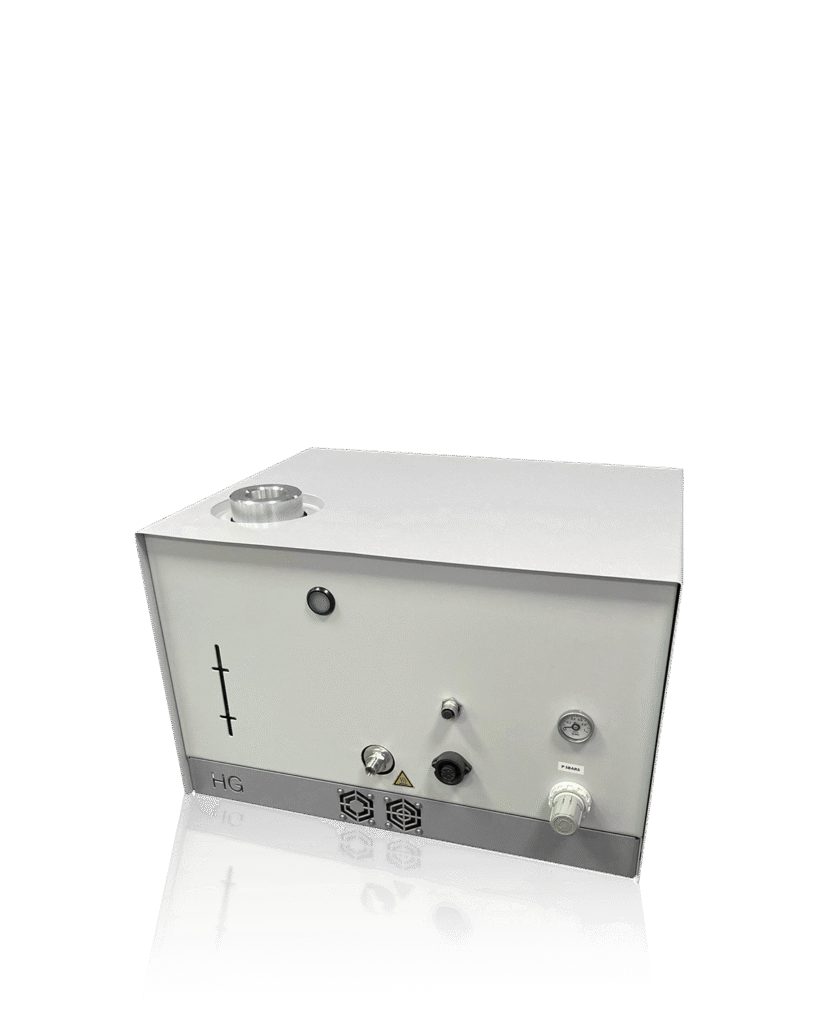
To ensure reproducible measurement conditions, the STA/DIL L80 can be equipped with an automatic evacuation system. The system facilitates the controlled preparation of the measurement chamber and reduces the manual effort required when switching between vacuum and defined gas atmospheres. This is particularly advantageous for sensitive materials and measurement series where a constant and reproducible sample environment is critical.
Rate-Controlled Sintering (RCS)
For ceramic materials, powder metallurgy, and other sintering applications, the system’s dilatometer module offers rate-controlled sintering (RCS). In this process, the temperature profile is adjusted based on the dimensional changes of the specimen recorded during the measurement. This allows for a detailed investigation of shrinkage behavior, sintering kinetics, and compaction processes, and enables the determination of suitable temperature profiles for material and process development.
Evolved Gas Analysis (EGA)
The STA component of the system can be coupled with techniques such as mass spectrometry (MS), FTIR, or GC-MS for further analysis of released gases. While TG and DSC/DTA indicate when a change in mass or a thermal reaction occurs, gas analysis provides additional information about which gaseous components are released. This allows, for example, decomposition, oxidation, and pyrolysis processes to be characterized much more comprehensively.
Highlights
STA and dilatometry on a single platform
Concept for a Shared Portable Oven
Temperature range up to 2,800 °C
TG, DSC, DTA, and Dilatometry
Vertical Dilatometer with Zero Friction
Vacuum and Controlled Atmospheres
Key features

Extremely wide temperature range
RT to 2800 °C – this modular furnace system is suitable for demanding applications in thermal analysis and dilatometry across an exceptionally wide temperature range.

Combined STA and Dilatometry
A single system combines the characterization of mass change, heat flux, and dimensional change for a comprehensive material analysis.

Technology for Shared Ovens
Various furnace systems can be used at the STA or DIL measuring station, ensuring maximum flexibility without the need to purchase duplicate furnace hardware.

Integrated LINSEIS platform
The integrated LINSEIS software offers a comprehensive solution that combines hardware and software for maximum process reliability and precision. The standardized platform enables seamless integration of components and devices from external partners – for a particularly robust and reliable overall system.
Questions? Just give us a call!
+49 (0) 9287/880 0
Thursday from 8 am to 4 pm
and Friday from 8 am to 12 pm.
We are here for you!
Specifications

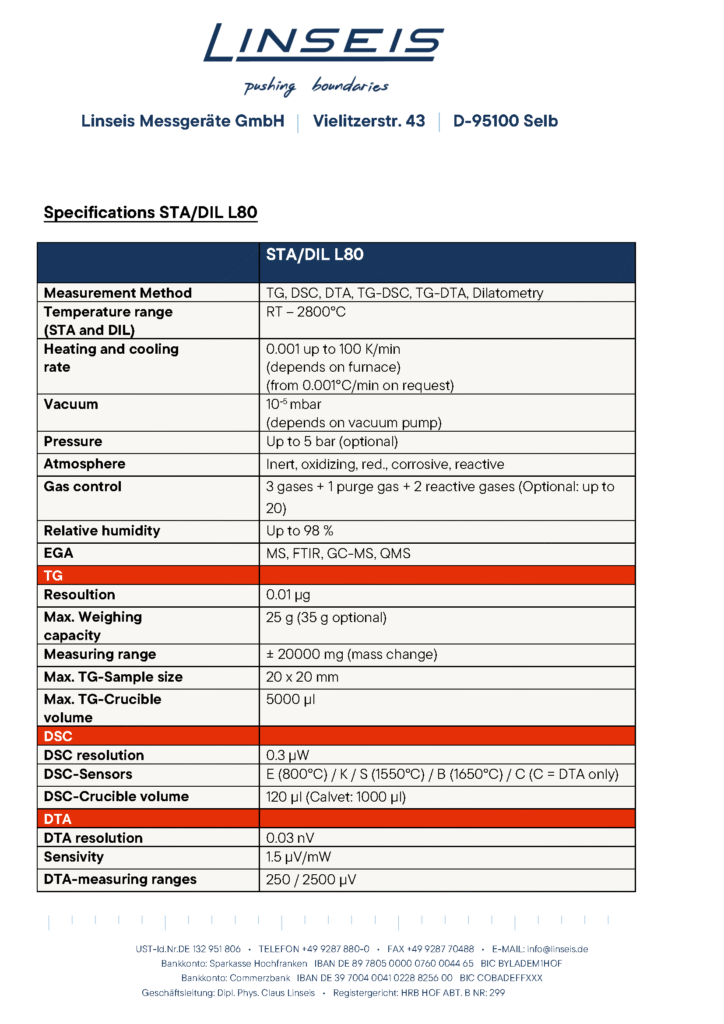
Testing Methods: TG, DSC, DTA, TG-DSC, TG-DTA, and dilatometry

Temperature range: RT to 2800°C

Heating and cooling rates: 0.001 to 100 K/min, depending on the furnace
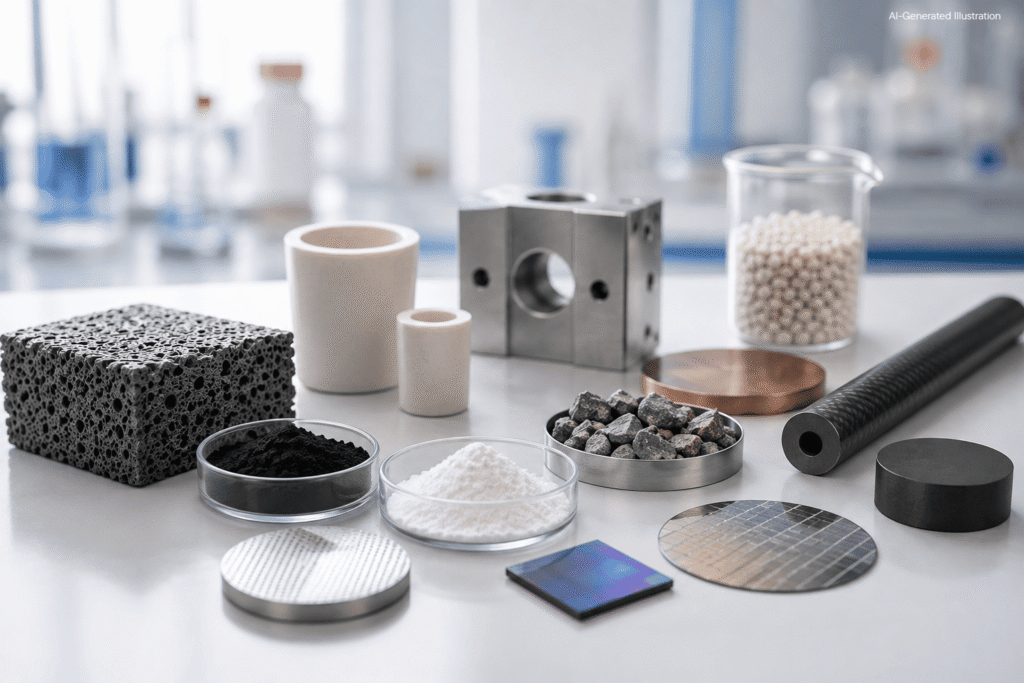
Discover the versatile capabilities of the STA/DIL L80 —two powerful measurement methods on a single platform:
- DIL measurement range: ±2,500 µm (LVDT) or ±25,000 µm (optical encoder)
- DIL resolution: up to 0.01 µm
- Contact force: 10 mN to 5 N, depending on the measurement system
- DIL sample size: Diameter up to 20 mm, length up to 50 mm
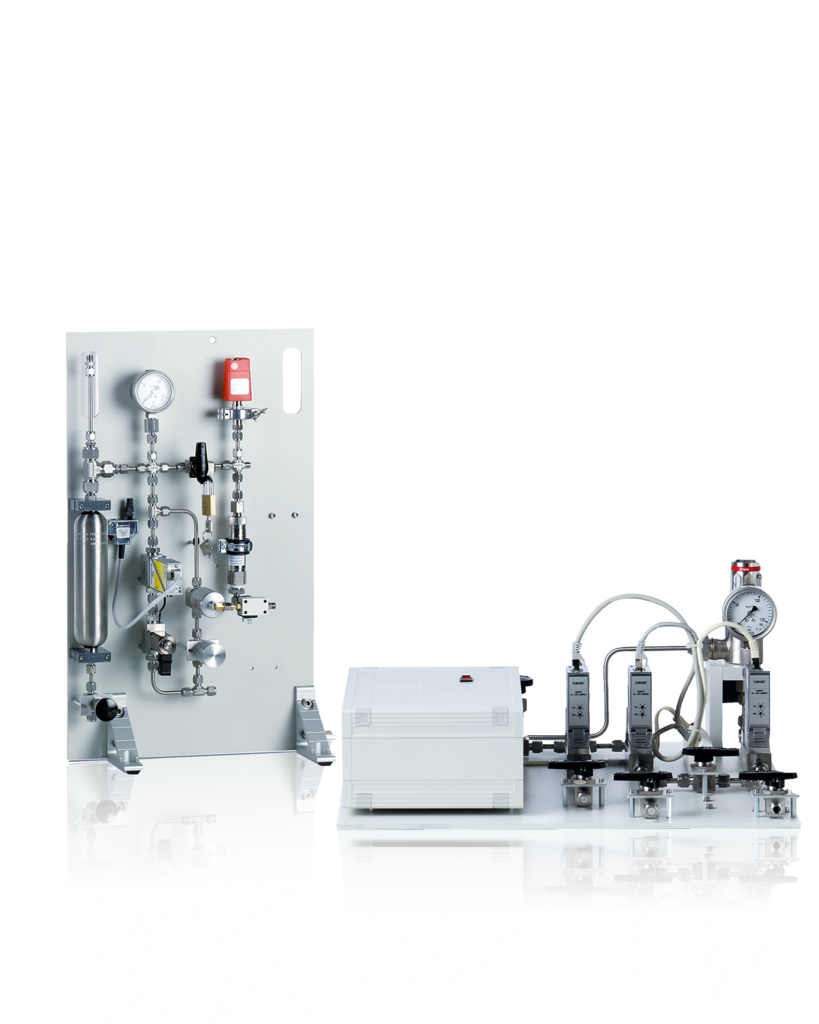
- Gas Control: Manual metering or mass flow controllers for 1, 3, or more gases
- Sinter Analysis: Rate-Controlled Sintering (RCS) included
Recommended equipment
EGA - Evolved Gas Analysis
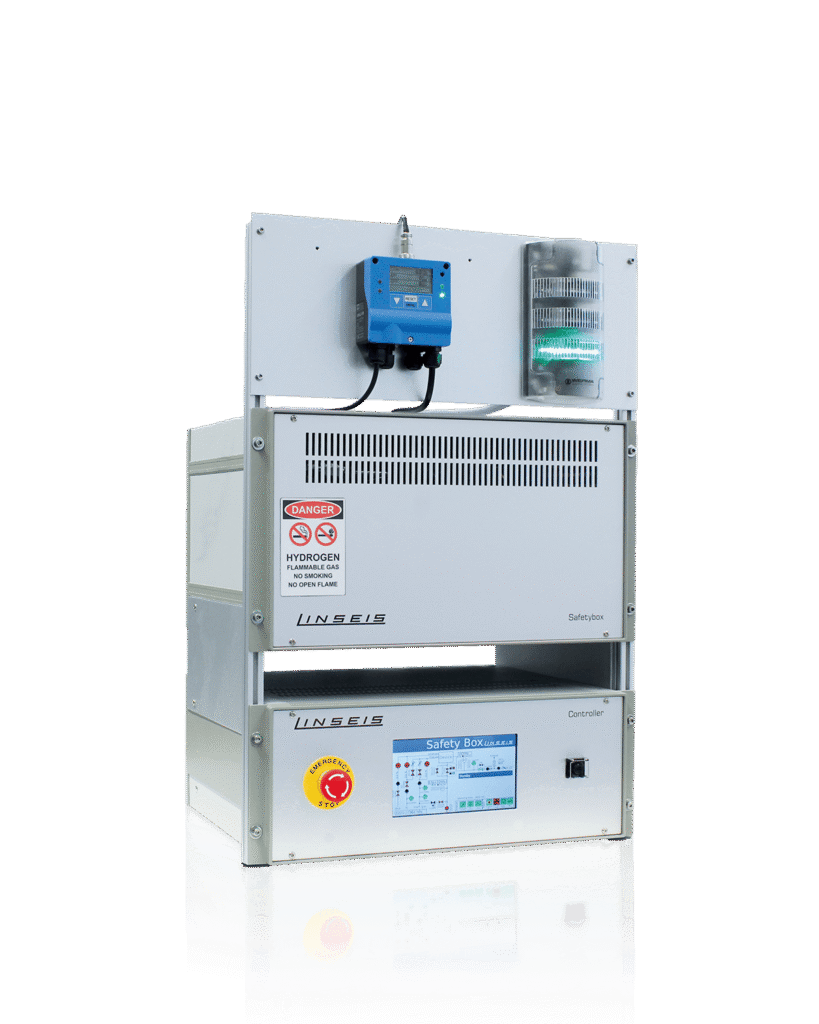
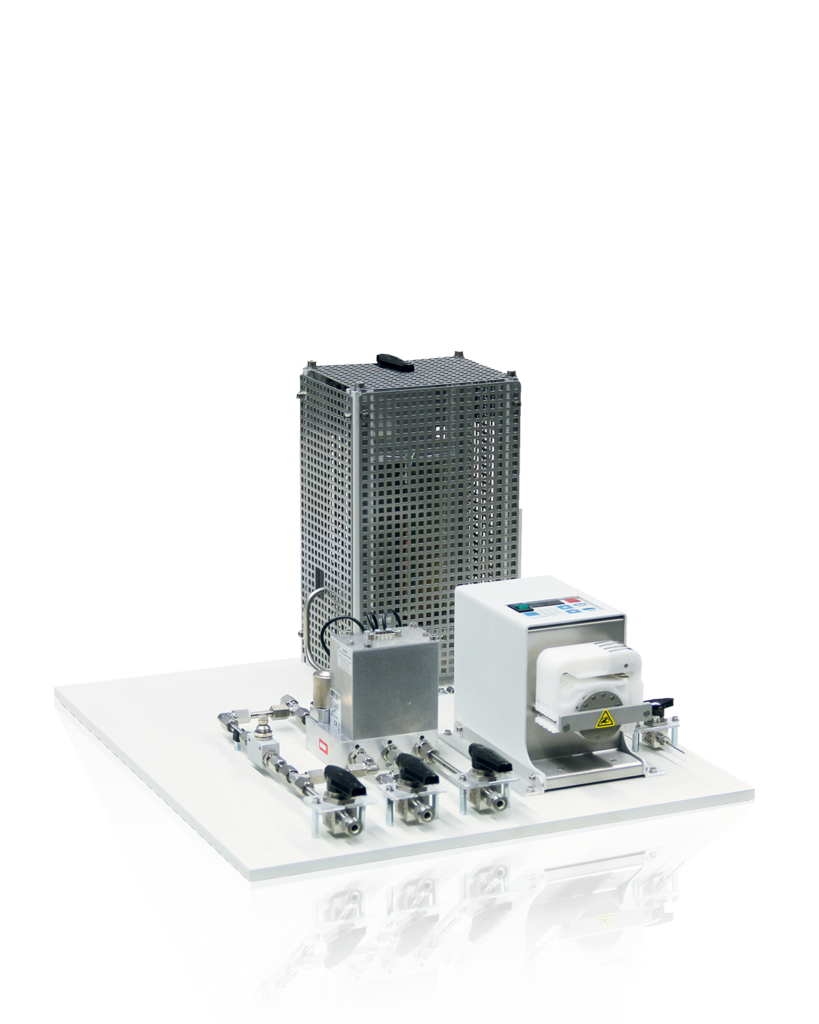
Gas Dosing & Gas Safety
Water Vapor & Relative Humidity
Method
Combined Thermal Analysis and Dilatometry
The STA/DIL L80 combines two complementary methods for comprehensive temperature-dependent material characterization: Simultaneous Thermal Analysis (STA) and dilatometry (DIL).
STA simultaneously measures changes in mass and thermal effects and provides information on decomposition, oxidation, reduction, phase transitions, melting, crystallization, and reaction enthalpies. Dilatometry, on the other hand, measures dimensional changes such as thermal expansion, shrinkage, and sintering behavior.
The combination of these two methods provides complementary insights into material behavior. Thermal events detected by DSC or DTA can be correlated with the mass changes observed in TG, as well as with the structural or dimensional changes measured by the dilatometer.
Since both measuring stations are based on the same modular furnace design, samples can be tested under comparable temperature and atmospheric conditions. This makes the STA/DIL L80 particularly valuable for the development of complex materials, process optimization, and quality control.

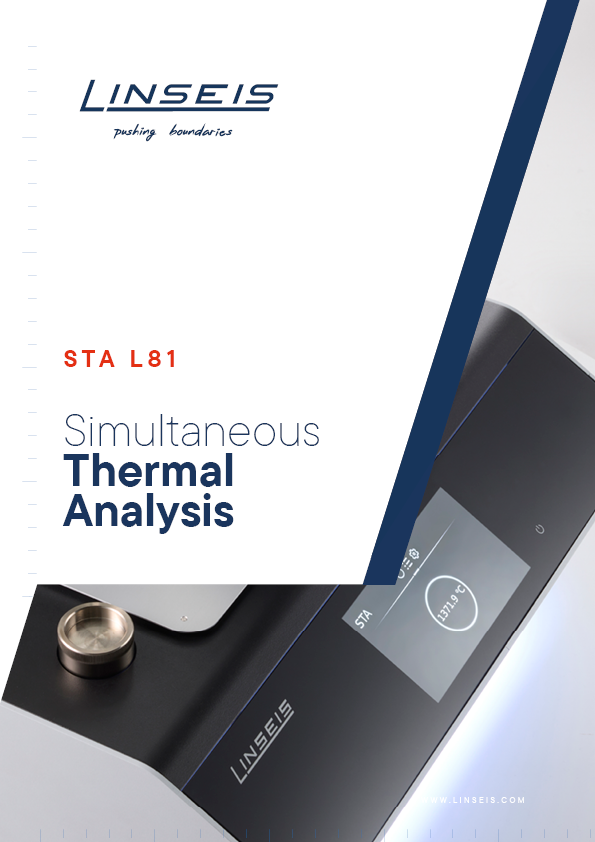
Functional principle of the STA L81
The STA L81 performs simultaneous thermal analysis by combining thermogravimetric and calorimetric measurements in a single process. The sample is placed in a crucible and subjected to a precisely controlled heating or cooling program.
During the entire temperature cycle, the STA L81 continuously records two key measured variables:
Mass change – Weight loss or gain due to decomposition, oxidation or the release of volatile components are measured with high sensitivity.
Heat flow – Thermal events such as melting, crystallization or phase transitions are detected via changes in heat absorption or release.
By simultaneously recording both signals on the same sample under identical conditions, the STA L81 enables a detailed analysis of the thermal behavior and material composition. This method ensures high data quality and a direct correlation between thermal effects and mass changes.
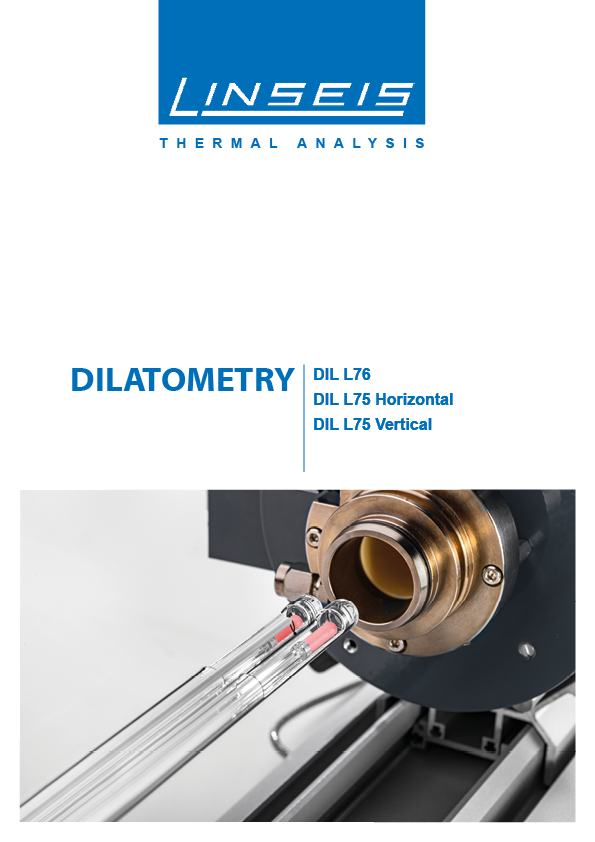
How the Vertical Dilatometer Works
The vertical dilatometer measures changes in the specimen’s dimensions as a function of temperature and time. The specimen is positioned vertically in the measurement system and subjected to a controlled temperature program.
A high-resolution displacement sensor continuously measures changes in the specimen’s length. The “Zero Friction” measurement concept minimizes mechanical influences and is particularly well-suited for materials with low thermal expansion as well as for sensitive sintering measurements.
Based on the recorded dimensional changes, parameters such as thermal expansion, coefficient of thermal expansion, shrinkage, sintering behavior, and phase transformation temperatures can be determined with high precision.

Measured variables with dynamic differential calorimetry
Possibilities of thermal analysis using DSC:
Measured variables with thermogravimetry
Possibilities of thermal analysis using thermogravimetry (TG):
Dilatometry Parameters
- Change in length ΔL
- Coefficient of Thermal Expansion (CTE)
- Linear thermal expansion
- Shrinkage
- Sintering behavior
- Sintering temperature
- Softening point
- Glass transition
- Phase Transitions
- Changes in Density
- Speed-Controlled Sintering – Parameters
Set up your lab for thermal characterization
Questions? Just give us a call!
+49 (0) 9287/880 0
Thursday from 8 am to 4 pm
and Friday from 8 am to 12 pm.
We are here for you!
STA/DIL L80 Explained – Function, Uses, Capabilities, and Frequently Asked Questions
What is the advantage of combining STA and dilatometry in a single system?
The STA/DIL L80 provides supplementary information on mass changes, thermal effects, and dimensional changes within a single, unified platform. This enables a significantly more comprehensive interpretation of temperature-dependent material behavior than either method alone.
Can the same oven be used for both STA and dilatometry?
Yes. A key feature of the STA/DIL L80 is its movable furnace design. Depending on the measurement, the selected furnace can be positioned either above the STA or the DIL measuring station.
What measurement methods are there?
The STA/DIL L80 supports TG, DSC, DTA, TG-DSC, TG-DTA, and dilatometry.
What is the available temperature range?
Depending on the selected furnace configuration, measurements can be taken from room temperature up to 2,800 °C. Additional options for the low-temperature range are available for the dilatometer.
Can measurements be performed under vacuum or in controlled atmospheres?
Yes. Depending on the pump, the system supports vacuum levels as low as 10⁻⁵ mbar, as well as inert, oxidizing, reducing, corrosive, and reactive atmospheres.
How much does an STA/DIL L80 cost?
The price depends on the selected furnace systems, the STA and dilatometer configurations, the gas control system, the vacuum system, the sensors, and the optional EGA equipment. Please let us know your application requirements so that we can provide you with a customized quote.
How long is the delivery time for an STA/DIL L80?
Delivery time depends on the selected configuration and optional features. Special furnace systems, gas supply systems, vacuum components, or custom sample holders may affect production and setup time. Please contact us for an accurate estimate of the delivery time.
Software
Making values visible and comparable
All LINSEIS thermoanalytical devices are software-controlled. The individual software modules run exclusively under Microsoft® Windows® operating systems. The complete software consists of 3 modules: temperature control, data acquisition and data evaluation. The Windows® software contains all the essential functions for preparing, carrying out and evaluating a thermoanalytical measurement. Thanks to our specialists and application experts, LINSEIS was able to develop a comprehensive, easy-to-understand and user-friendly software.
Features software
- Program suitable for text editing
- Data backup in the event of a power failure
- Thermocouple breakage protection
- Repeat measurements with minimal
parameter input - Evaluation of the current measurement
- Curve comparison up to 50 curves
- Saving and exporting evaluations
- Export and import of ASCII data
- Data export to MS Excel
- Multi-method analysis (DSC, TGA, TMA, DIL, etc.)
- Zoom function
- 1 and 2 Derivation
- Curve arithmetic
- Statistical evaluation package
- Automatic calibration
- Optional kinetics and service life prediction
- Software packages
STA Functions
- Analysis of the Change in Mass
- Determination of the residual mass
- TG/DSC/DTA Analysis
- Complex Peak Analysis
- Enthalpy Analysis
- Determination of Cp
- Kinetic analysis
- Optional Service Life Prediction
Functions of the Dilatometer
- Absolute and Relative Expansion
- Technical and Physical CTE
- Shrinkage Analysis
- Determination of the Softening Point
- Determination of Density
- Automatic Zero Adjustment
- Speed-Controlled Sintering
- Automatic Control of Contact Force
- Temperature and Baseline Correction
LINSEIS Thermal Library
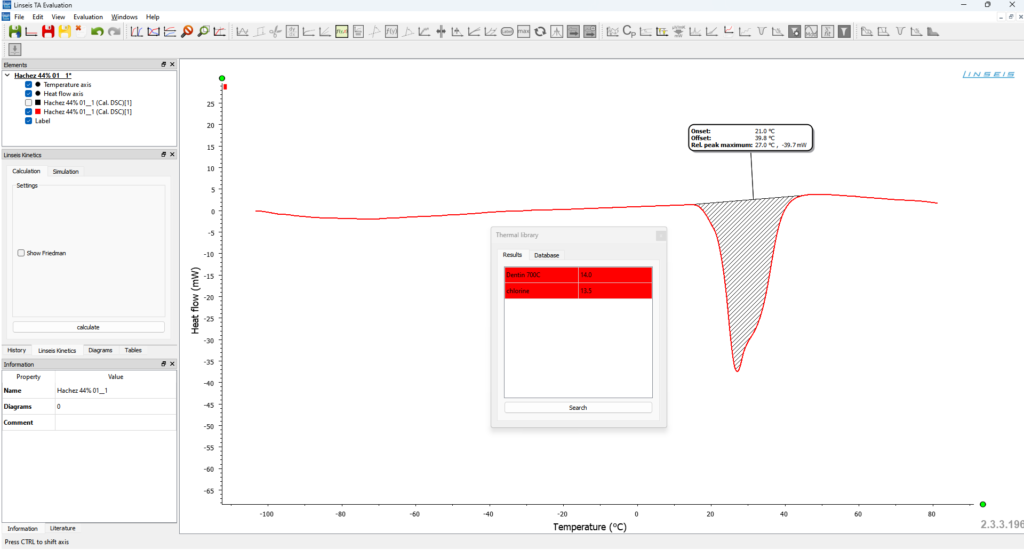
The LINSEIS Thermal Library software package is an option for the well-known, user-friendly LINSEIS Platinum evaluation software, which is integrated in almost all our devices. The Thermal Library allows you to compare the complete curves with a database containing thousands of references and standard materials in just 1-2 seconds.
Multi-instrument
All LINSEIS instruments DSC, DIL, STA, HFM, LFA, etc. can be controlled via a software template.
Multilingual
Our software is available in many different user-interchangeable languages, such as: English, Spanish, French, German, Chinese, Korean, Japanese, etc.
Report generator
Convenient template selection for creating individual measurement reports.
Multi-user
The administrator can set up different user levels with different rights to operate the device. An optional log file is also available.
Kinetic software
Kinetic analysis of DSC, DTA, TGA, EGA (TG-MS, TG-FTIR) data to investigate the thermal behavior of raw materials and products.
Database
The state-of-the-art database enables simple data management with up to 1000 data records.
Well informed