Linseis > Material Analysis for the Pharmaceutical, Food, and Life Sciences Industries
Active pharmaceutical ingredients, food products, proteins, and biological materials are often particularly sensitive to temperature, humidity, and storage conditions. Even slight temperature fluctuations can have a significant impact on their stability, efficacy, consistency, shelf life, or biological function.
Modern thermal analysis methods enable the precise investigation of melting and glass transitions, denaturation processes, moisture loss, decomposition reactions, and polymorphic structures. This makes it possible to optimize formulations, determine suitable storage conditions, and ensure consistent product quality.
With over 69 years of experience, LINSEIS offers high-performance measurement systems for sensitive samples and very small sample volumes. The systems support research, development, and quality control in the pharmaceutical industry, food technology, biotechnology, and the life sciences.
Typical Applications in the Pharmaceutical, Food, and Life Sciences Industries
Select your specific application to gain detailed insights into measurement methods and solutions for pharmaceutical, biological, and food technology challenges.
Thermal Stability of Active Ingredients
Analysis of melting behavior, polymorphism, decomposition, and thermal stability of active pharmaceutical ingredients and formulations.
Real-world measurements demonstrate how thermal analysis methods are used for development, stability assessment, and quality assurance in the pharmaceutical, food, and life sciences industries.
Thermal Analysis of Historic Violin Wood
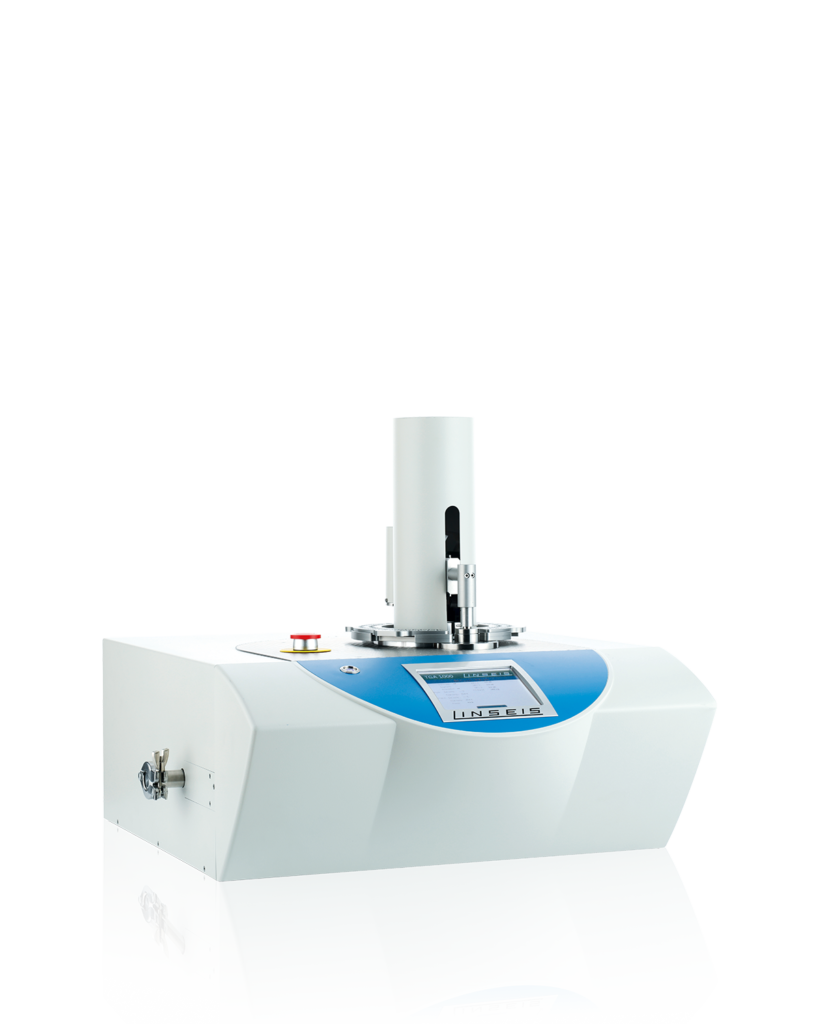
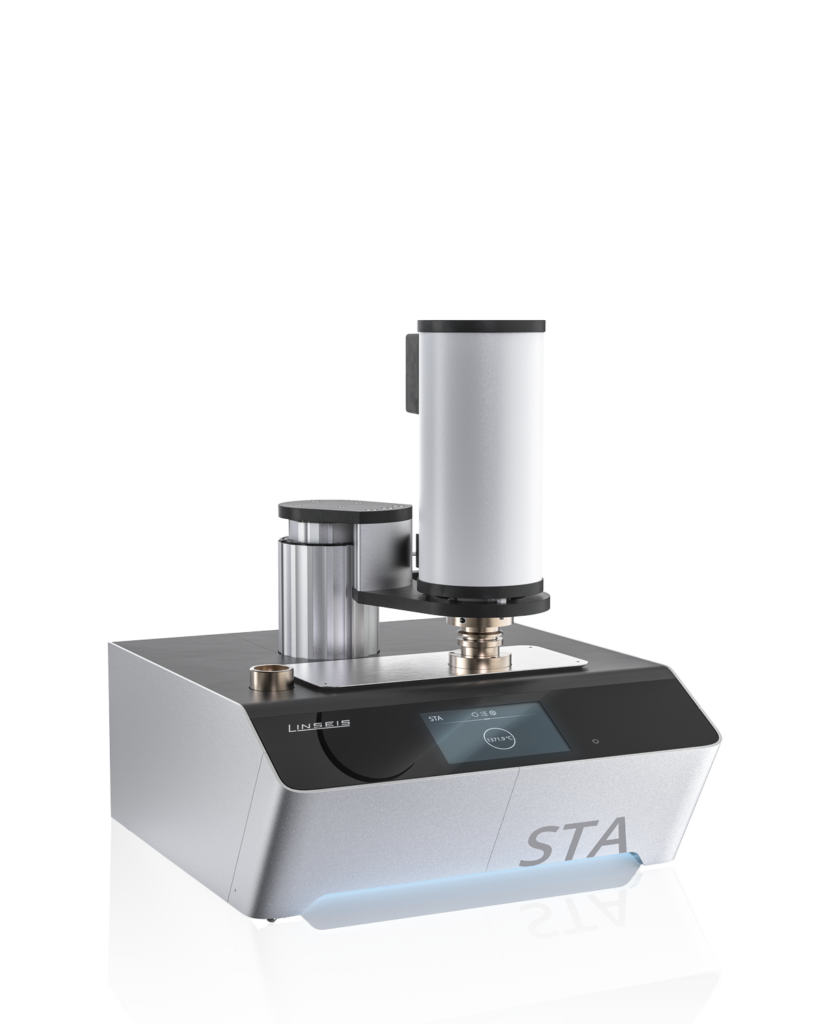
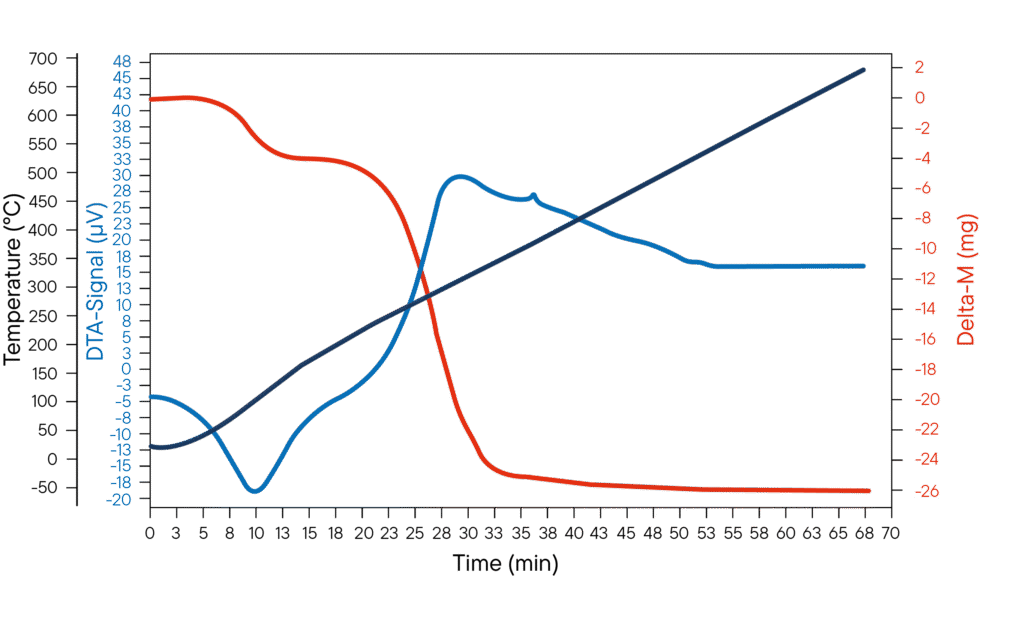
STA measurements using the LINSEIS STA L81 reveal the temperature-dependent thermal decomposition behavior of historic spruce wood from a Stradivarius violin dating from 1723. The measurement results identify characteristic decomposition stages of organic wood components and provide valuable insights into material authentication, aging assessment, and the conservation of historical cultural artifacts. Download the white paper to learn more about the complete measurement setup, simultaneous thermal analysis, and the interpretation of the measurement results.
Thermal Analysis of Praziquantel Hydrates
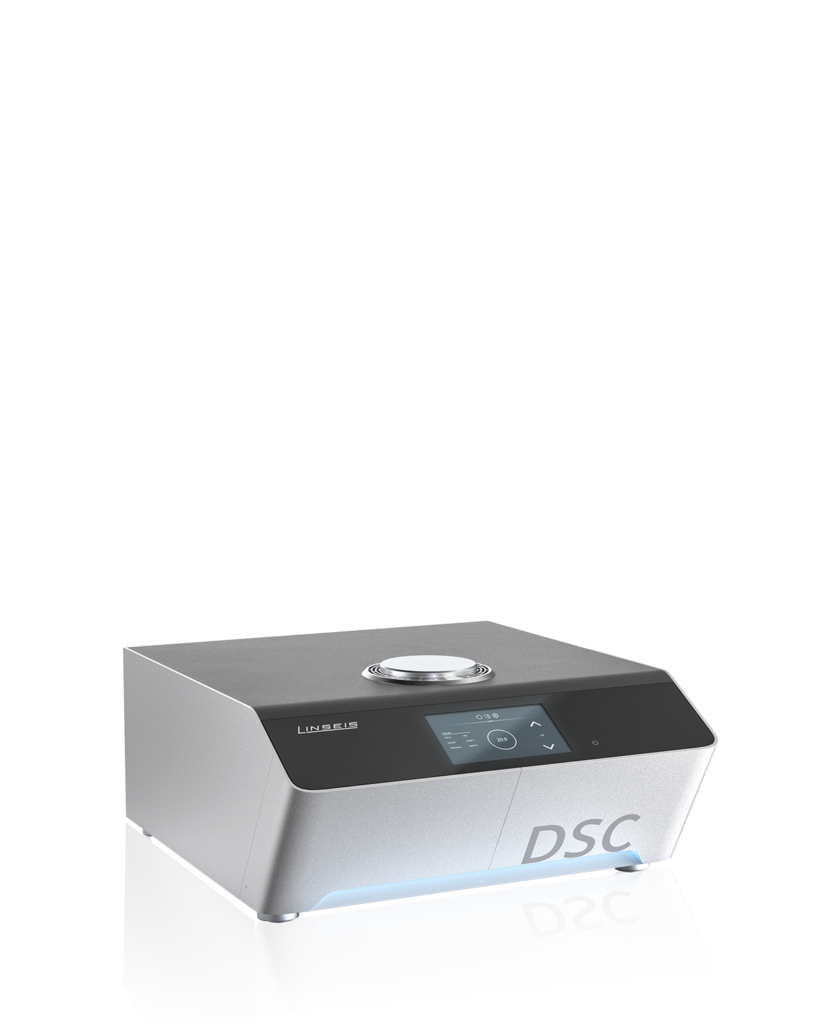
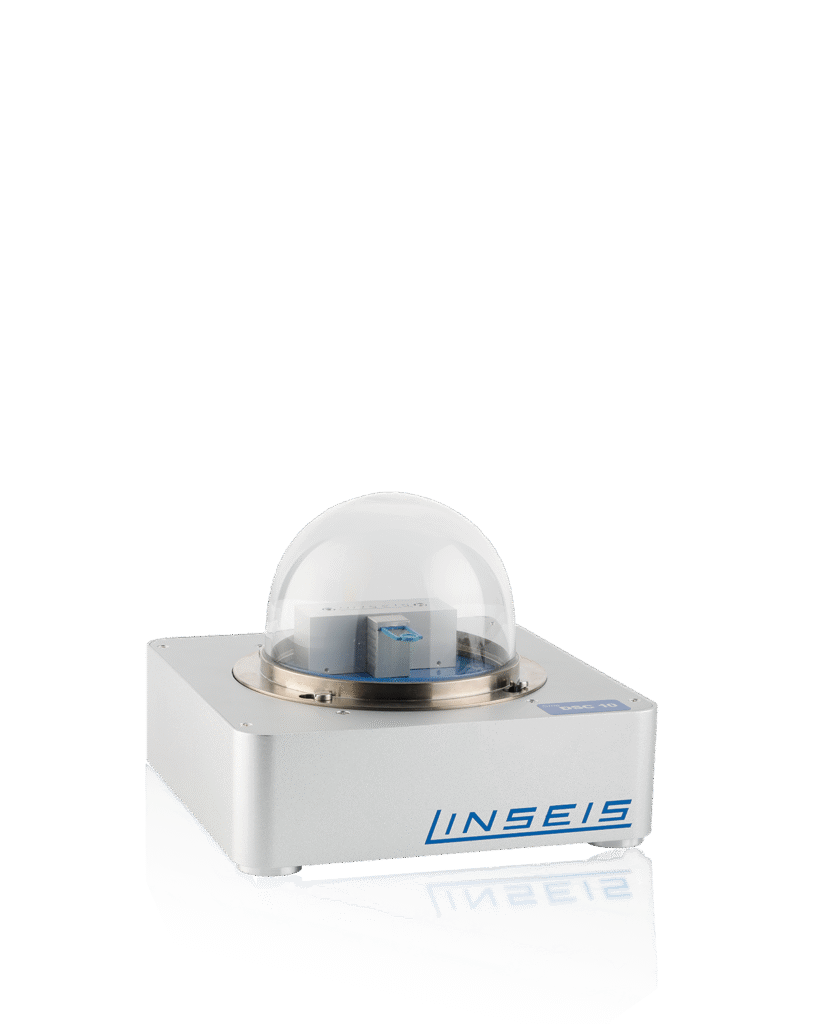
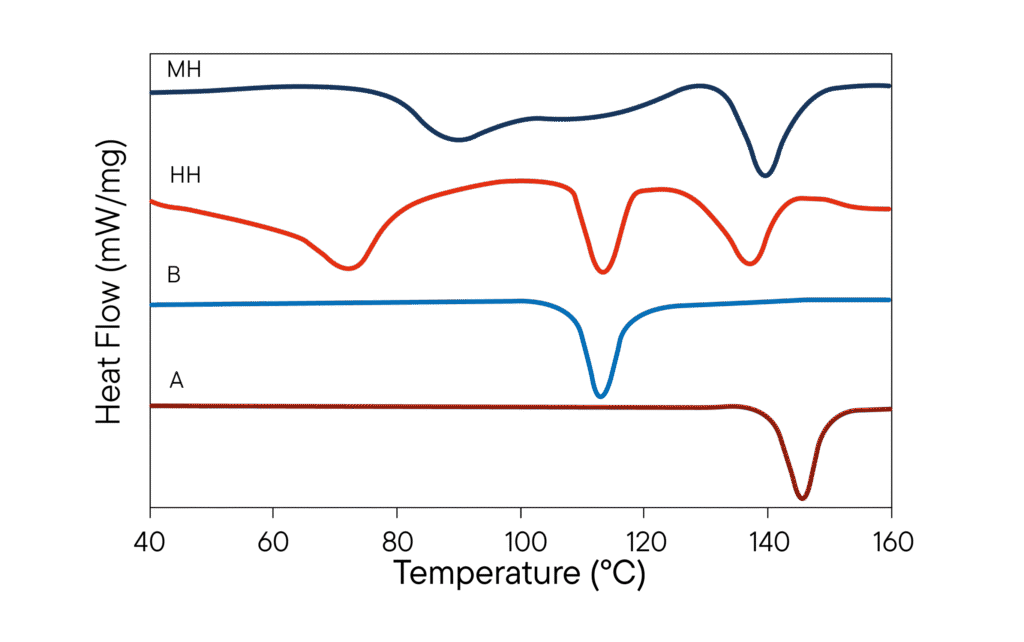
DSC measurements with the LINSEIS DSC L63 show the different thermal behavior of various solid forms of praziquantel. The characteristic dehydration, phase transition, and melting events allow for a clear distinction between the monohydrate, hemihydrate, and the anhydrous forms A and B. The results provide valuable insights into the thermal stability and temperature-induced phase transitions of pharmaceutical active ingredients. Download the white paper to learn more about the measurement setup, DSC analysis, and the interpretation of the measurement results.
Applications – Pharmaceuticals, Food & Life Sciences