

Materials Analysis for Nuclear Energy
Precise Thermal Material Characterization for Reactor Technologies, Nuclear Safety, and High-Performance Materials


Nuclear energy places particularly high demands on the materials used. Components in nuclear reactors must withstand high temperatures, mechanical stresses, corrosive environments, and, in some cases, intense radiation over long periods of operation. The reliable characterization of thermal and thermophysical material properties is therefore an essential part of materials development and safety assessments.
In particular, thermal conductivity, temperature conductivity, thermal expansion, and thermal stability influence the behavior of fuels, cladding tubes, structural materials, and other reactor components. Changes in these properties can affect heat transfer, dimensional stability, and the long-term reliability of the materials used.
Specialized measurement systems from LINSEIS can be used to characterize materials for nuclear applications under defined thermal conditions. Customized solutions are available for special requirements, such as those where sensitive electronic components can be physically separated from the measurement unit.
Relevant Questions
How does the thermal conductivity of reactor materials change at high temperatures?
What is the thermal expansion of fuel and structural materials?
How do phase transitions affect dimensional stability?
What are the thermal stress limits of new types of reactor materials?
How do material properties change as a result of aging and degradation processes?
What are the thermal properties of molten salts for innovative reactor designs?
How can thermal material parameters be determined for simulations and safety assessments?
Which measurement systems are suitable for the specific requirements involved in analyzing radioactive materials?
Relevant Material and Process Parameters
| Parameter | Meaning |
|---|---|
| Thermal Conductivity | Evaluation of Heat Transfer in Fuels and Structural Materials |
| Thermal Conductivity | Characterization of heat propagation under thermal loading |
| Coefficient of Thermal Expansion (CTE) | Dimensional Stability and Thermal Compatibility of Reactor Components |
| Heat Capacity (Cp) | Evaluation of Thermal Storage Capacity |
| Phase Transitions | Identification of Temperature-Dependent Structural Changes |
| Thermal Stability | Evaluation of Material Behavior at High Temperatures |
| Change in Mass | Investigation of Oxidation and Decomposition Processes |
| Melting and Solidification Behavior | Characterization of salt melts and other high-temperature materials |
Measurement Methods for Nuclear Energy


Laser Flash Analysis (LFA)
Determination of the thermal conductivity and the resulting thermal diffusivity of fuels, structural materials, and high-temperature materials.
Analysis of
- Thermal Conductivity
- Thermal conductivity
- Temperature-Dependent Heat Transfer
- Thermophysical Properties
- Changes in Materials Following Thermal Stress
Typical Applications
- Nuclear Fuel Materials
- Reactor Structural Materials
- Zirconium Alloys
- High-Temperature Ceramics
- Innovative Reactor Materials

Dilatometry (DIL)
Precise characterization of thermal expansion, phase transformations, and dimensional stability of nuclear materials.
Analysis of
- Thermal expansion
- Coefficient of Thermal Expansion
- Phase Transitions
- Shrinkage
- Changes in Dimensions
Typical Applications
- Reactor Structural Materials
- Zirconium Alloys
- Fuel Ceramics
- High-Temperature Alloys
- Material Development

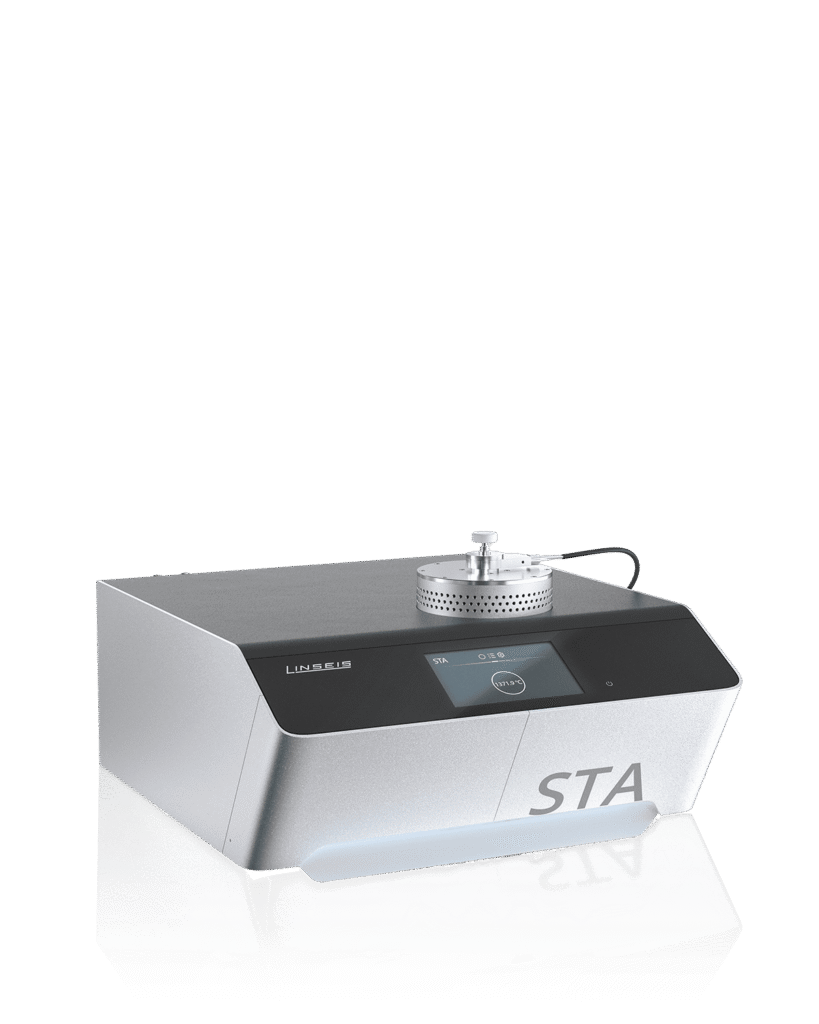
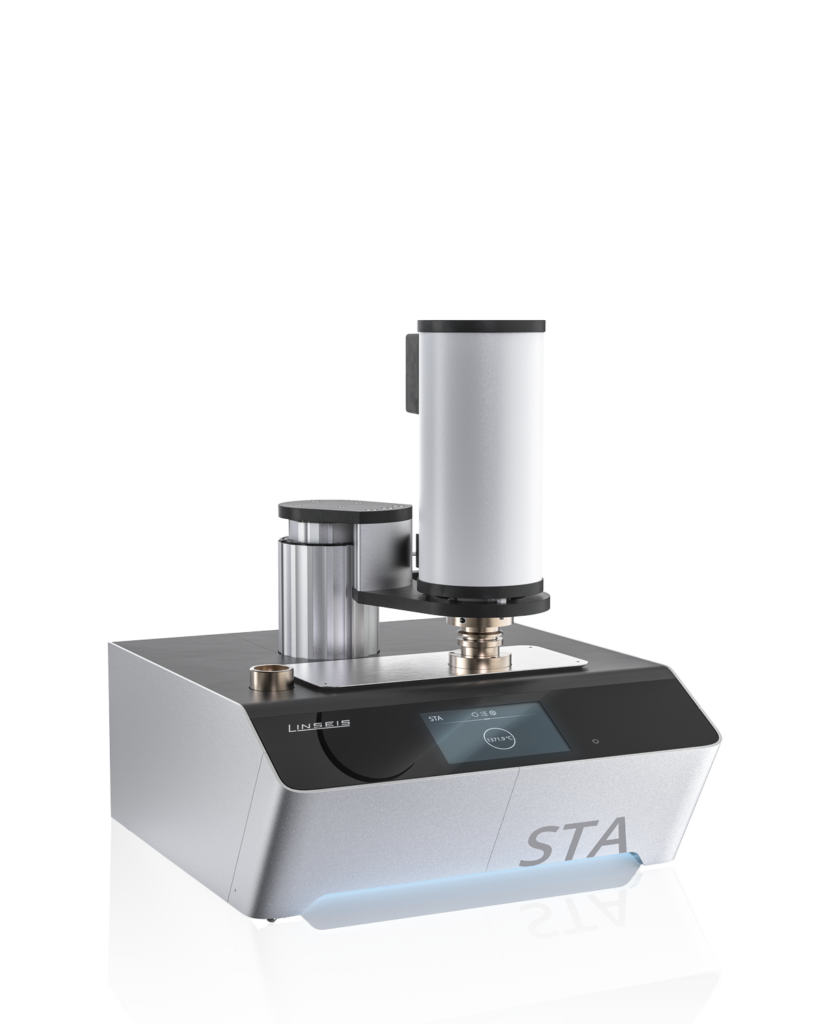
Simultaneous Thermal Analysis (STA)
Simultaneous investigation of thermal effects and mass changes to characterize reactor materials and high-temperature materials.
Analysis of
- Thermal Stability
- Phase Transitions
- Oxidation behavior
- Bulk Changes
- Reaction enthalpies
Typical Applications
- Nuclear Structural Materials
- Molten salts
- Fuel Materials
- High-Temperature Ceramics
- Material Development
Differential Scanning Calorimetry (DSC)
Determination of thermal transients and energy-related material properties for the development and evaluation of nuclear materials.
Analysis of
- Melting processes
- Crystallization
- Phase Transitions
- Heat Capacity
- Reaction enthalpies
Typical Applications
- Molten salts
- Metallic Materials
- High-Temperature Materials
- Functional Materials
- Research & Development
Recommended Measuring Instruments for the Nuclear Energy Sector
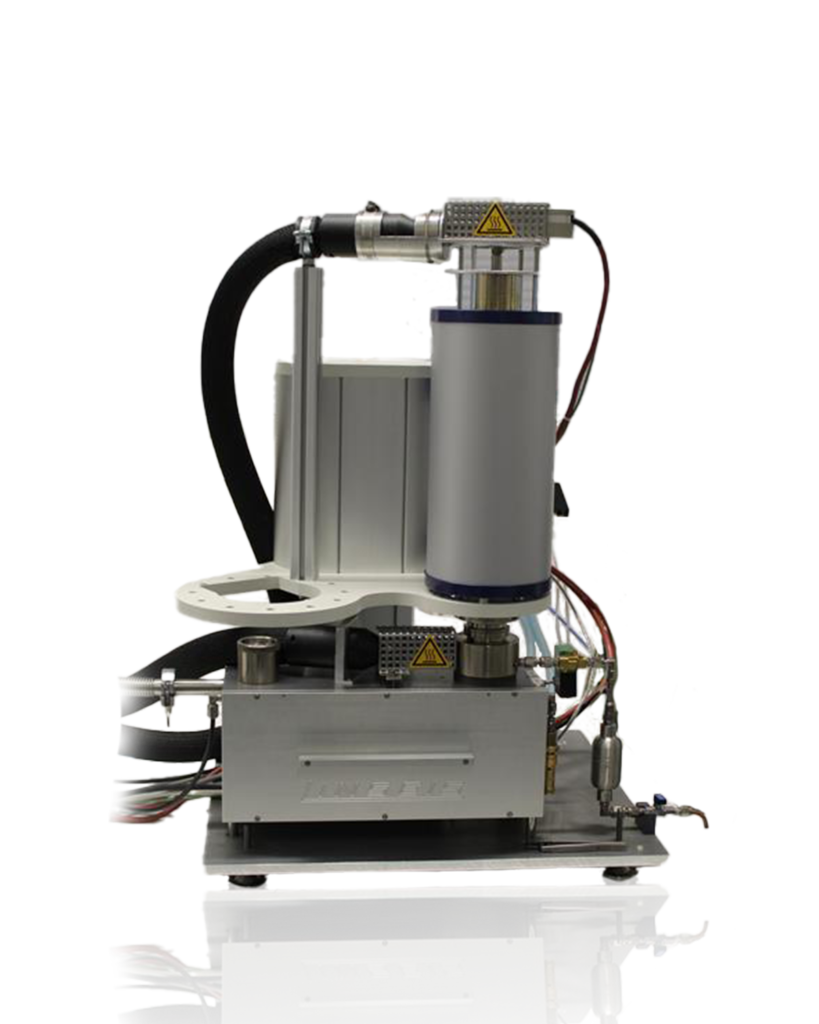
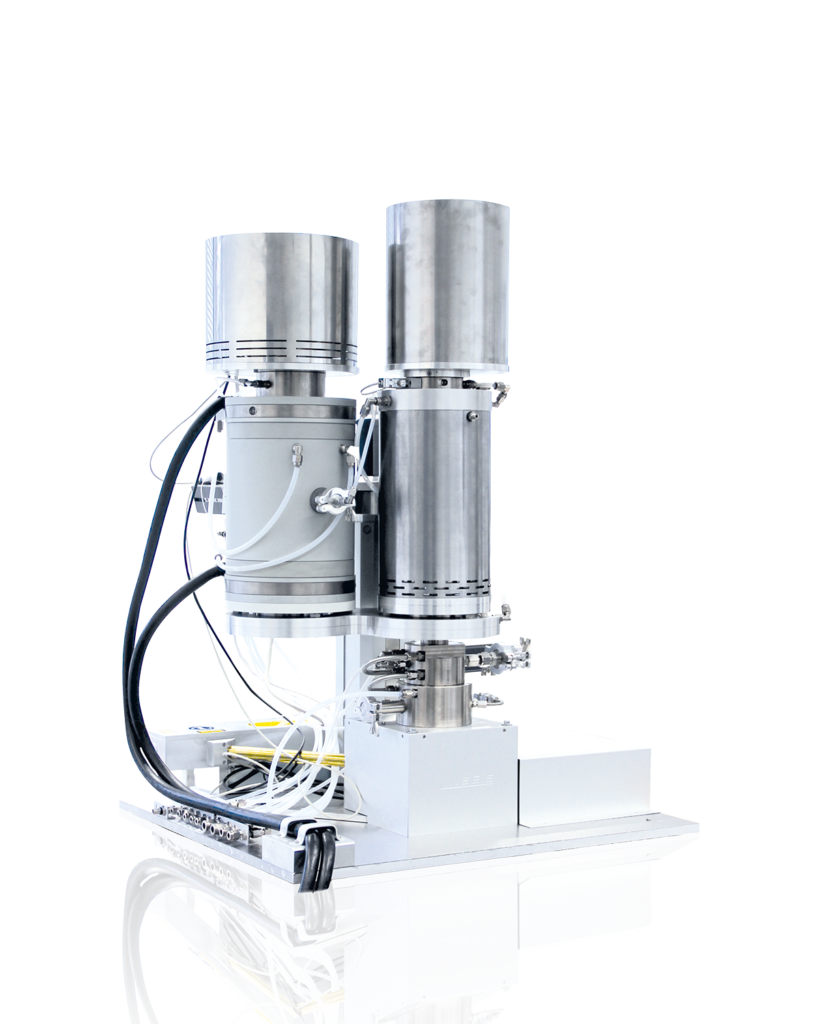
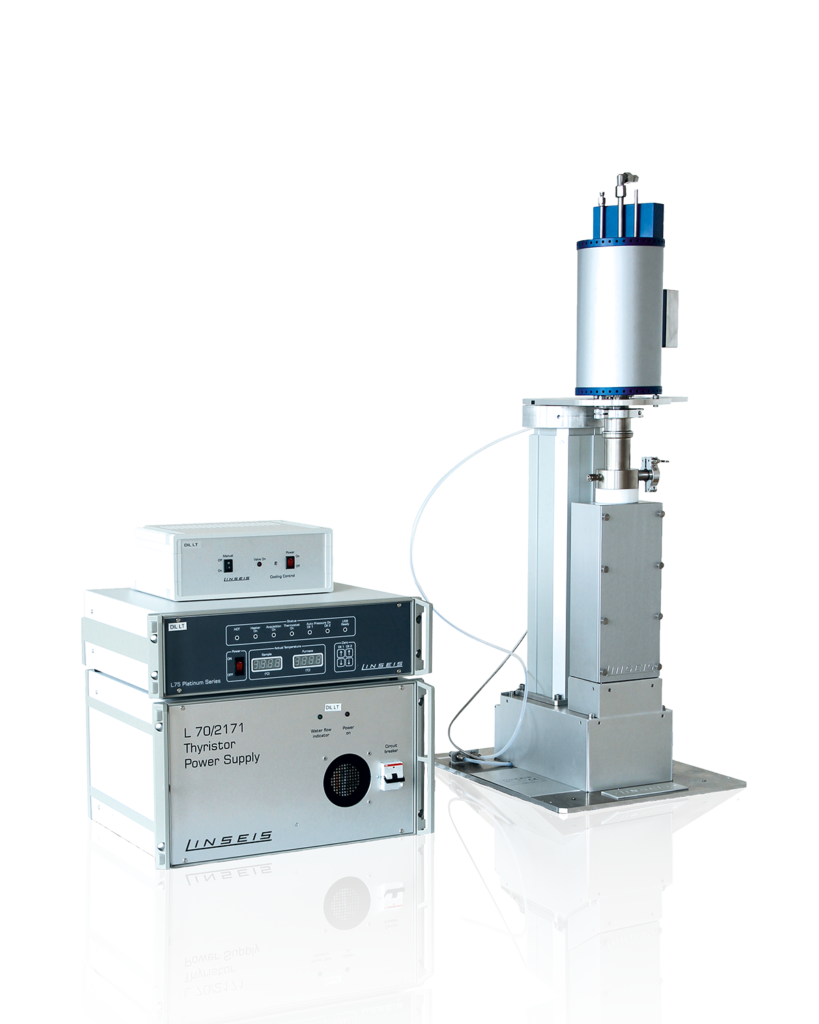
LFA L52 Nuclear

Case Study: Thermal Characterization of Molten Salts
Molten Salts – The Heat Transfer Technology of the Future
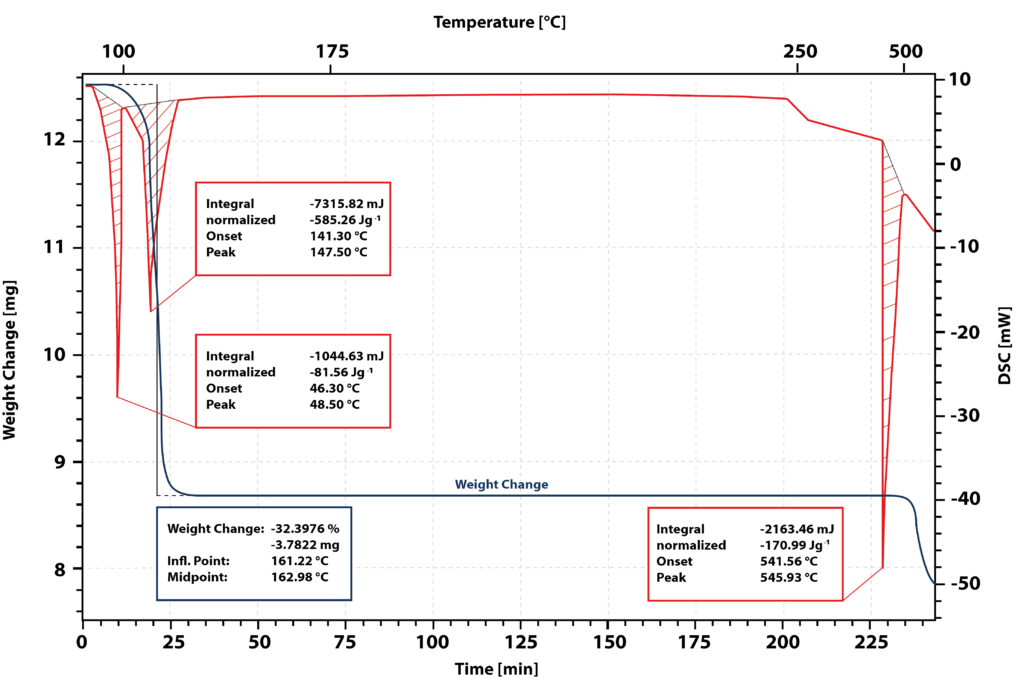
Molten salts are becoming increasingly important as heat transfer fluids and potential coolants for innovative reactor designs. In particular, fluoride-based salt mixtures such as FLiNaK are the subject of current research due to their high-temperature properties.
The thermophysical characterization of such salt systems provides important information on heat transfer, heat capacity, and temperature-dependent material behavior. These data support the development and evaluation of modern high-temperature and reactor technologies.
Why Thermal Material Characterization Is Crucial for Nuclear Energy
The reliability of nuclear facilities depends largely on how their materials behave under thermal and mechanical stress. It is particularly important to have reliable knowledge of the thermal properties of materials under conditions of high temperatures, steep temperature gradients, and long operating times.
Modern reactor designs, including small modular reactors (SMRs), high-temperature reactors, and molten salt reactors, place additional demands on materials, coolants, and their thermophysical characterization.
The combination of modern analytical methods makes it possible to:
- Determination of Thermal Conductivity and Temperature Conductivity
- Investigation of Thermal Expansion and Dimensional Stability
- Characterization of Thermal Phase Transitions
- Evaluation of Oxidation and Decomposition Behavior
- Determination of Heat Capacity and Melting Behavior
- Study of Innovative Molten Salts
- Comparison of New Alloys and Ceramic Materials
- Providing Experimental Data for Thermal Simulations
- Evaluation of Material Changes Due to Thermal Aging
- Support for Materials Development and Qualification
Applications – Energy & Batteries
FAQ – Nuclear Energy
Why is thermal conductivity particularly important for nuclear materials?
Thermal conductivity affects how efficiently heat is transported within fuels, structural materials, and other reactor components. A reliable understanding of this parameter is essential for calculating temperature distributions and evaluating thermal loads. Especially at high temperatures, temperature-dependent changes must also be taken into account.
Which materials can be tested thermally for nuclear applications?
Relevant materials include, for example, zirconium alloys, high-temperature-resistant steels, nickel-based alloys, fuel ceramics, and other ceramic materials. Innovative material systems for new reactor designs can also be investigated. The choice of suitable measurement methods depends on the material’s form, the temperature range, and the respective safety requirements.
What role does dilatometry play in nuclear energy?
Dilatometry enables the precise determination of temperature-dependent dimensional changes. It can be used to investigate coefficients of thermal expansion, phase transitions, and other thermally induced changes in materials. This information is particularly relevant for evaluating thermal stresses and the dimensional stability of reactor components.
Why are molten salts being studied for innovative reactor designs?
Molten salts possess properties that make them attractive for high-temperature heat transfer and certain reactor designs. These include suitable melting ranges, high boiling points, and the ability to transfer heat at high operating temperatures. However, for technical applications, corrosion behavior, material compatibility, and thermophysical properties must also be thoroughly investigated.
What advantages do specialized LINSEIS measuring instruments offer for nuclear applications?
Specialized measurement systems can be adapted to specific requirements regarding sample handling, the measurement environment, and system integration. In certain custom designs, for example, it is possible to physically separate sensitive electronics from the actual measurement unit. This makes it possible to implement customized measurement concepts for demanding research environments.
Can thermal analyses assess the safety of reactor components?
Thermal analysis methods provide important material parameters for the design, simulation, and evaluation of reactor components. For example, they enable the investigation of thermal expansion, heat transfer, and thermal stability. However, a comprehensive safety assessment requires additional investigations, particularly with regard to radiation resistance, corrosion, mechanical strength, and long-term behavior.
What is the significance of thermal measurement data for new reactor technologies?
Innovative reactor designs require reliable material data for new temperature ranges, materials, and coolants. Experimentally determined parameters can contribute to the parameterization and validation of thermal models. They thus support material selection, the development of new components, and the evaluation of different operating conditions.