Insulation materials are an essential component of energy-efficient buildings and industrial insulation systems. They reduce heat loss, improve living comfort, and play a crucial role in lowering energy consumption and CO₂ emissions.
The performance of an insulation material is largely determined by its thermal properties. Thermal conductivity, thermal mass, temperature resistance, and resistance to aging all influence a building’s long-term energy efficiency. At the same time, modern insulation materials must increasingly meet requirements for fire safety, sustainability, and recyclability.
LINSEIS analytical instruments can be used to characterize insulation materials throughout their entire product life cycle—from material development and quality control to the optimization of new insulation concepts.
Relevant Questions
What is the thermal conductivity of the insulation material?
How does thermal insulation performance change as the temperature rises?
Which materials offer the highest energy efficiency?
How does the insulation material age under thermal stress?
What temperature limits can be maintained over the long term?
How do humidity and temperature affect material properties?
Which insulation materials are suitable for high-temperature applications?
How can new sustainable insulation materials be evaluated?
Relevant Material and Process Parameters
Parameter
Meaning
Thermal Conductivity
Insulation Properties and Energy Efficiency
Thermal Conductivity
Rate of heat transfer
Heat Capacity
Heat storage capacity
Density
Impact on Insulation Performance and Weight
Temperature Resistance
Operating Limits of the Material
Thermal Stability
Long-term behavior under thermal stress
Decomposition Behavior
Material behavior at high temperatures
Resistance to Aging
Long-term performance and service life
Testing Methods for Insulation Materials
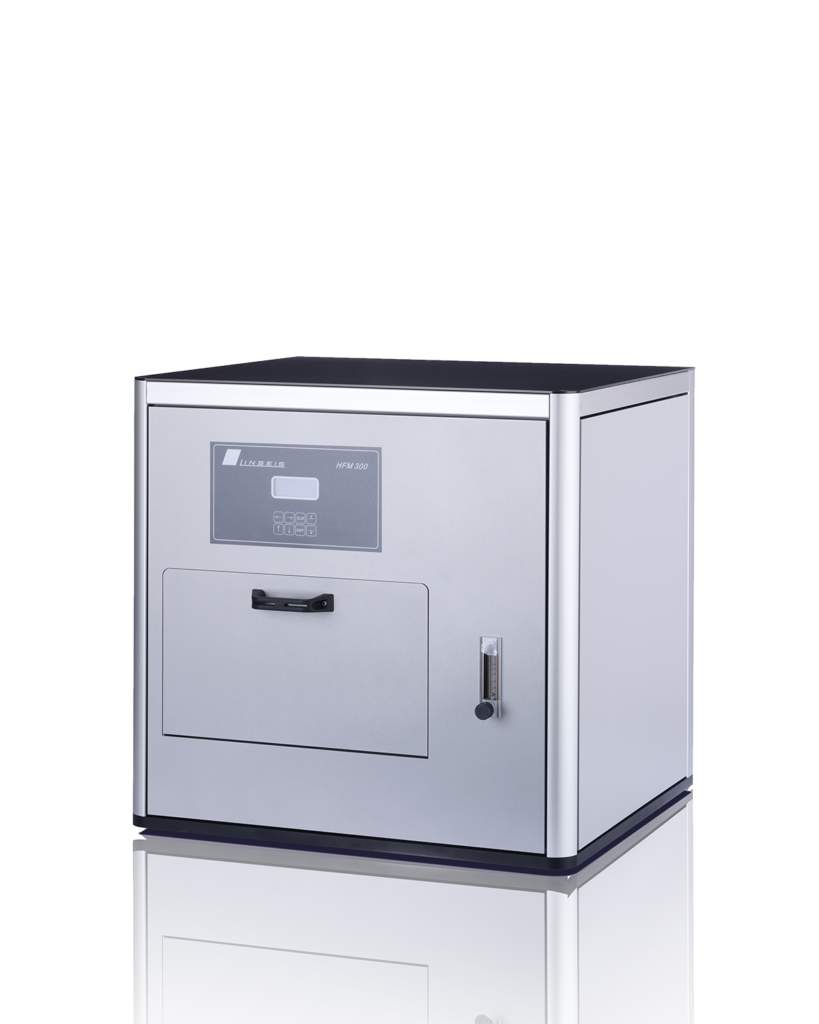
Heat Flow Meter (HFM)
Precise determination of the thermal conductivity of insulation materials in accordance with international standards for research, development, and quality control.
Case Study: Thermal Conductivity of Modern Insulation Materials
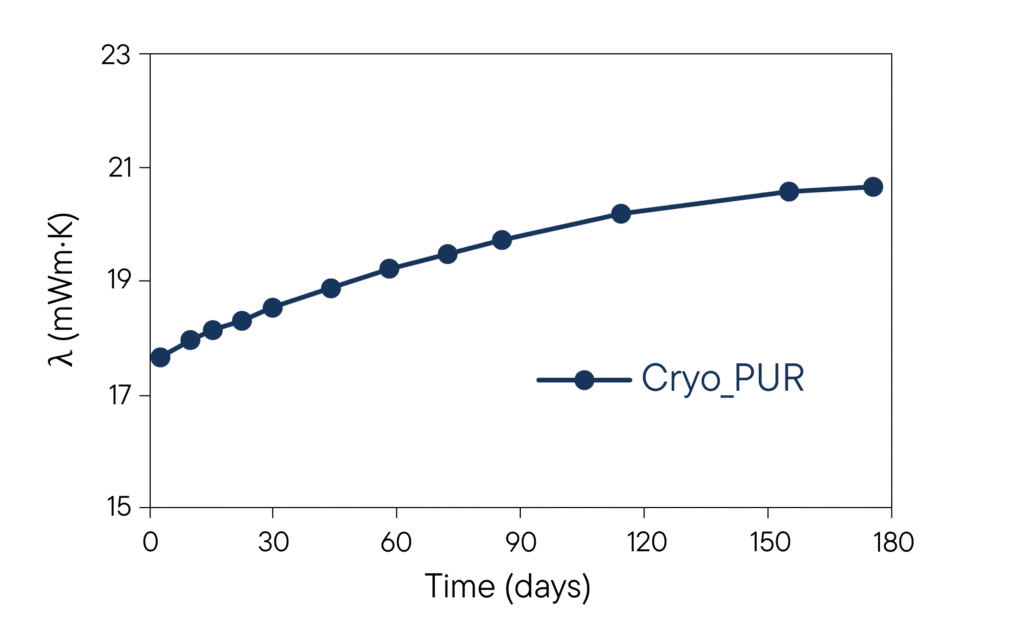
Stability of the Thermal Conductivity of Cryogenic Polyurethane Foams During Long-Term Storage
HFM measurements using the LINSEIS HFM L57 show the long-term evolution of the thermal conductivity of modern polyurethane insulation materials. The results provide valuable insights into the aging resistance, energy efficiency, and thermal performance of insulation materials for cryogenic and industrial applications.
Why Material Characterization of Insulation Materials Is Crucial
The demands placed on modern insulation materials are constantly increasing. In addition to minimizing thermal conductivity, sustainability, fire safety, long-term stability, and cost-effectiveness are playing an increasingly important role. Only through comprehensive thermal characterization can materials be specifically optimized and reliably evaluated.
The combination of modern analytical methods makes it possible to:
Precise Determination of Thermal Conductivity
Analysis of Heat Storage Capacity
Thermal Stability Study
Evaluation of Aging Behavior
Optimization of New Insulation Systems
Quality Control in Accordance with International Standards
Why is thermal conductivity the most important property of an insulating material?
Thermal conductivity describes how well a material conducts heat. The lower this value, the more effectively the insulation prevents heat loss, and the more energy-efficient the entire building component is. It is therefore the most important factor in selecting and evaluating insulation materials.
What measurement methods are suitable for characterizing insulation materials?
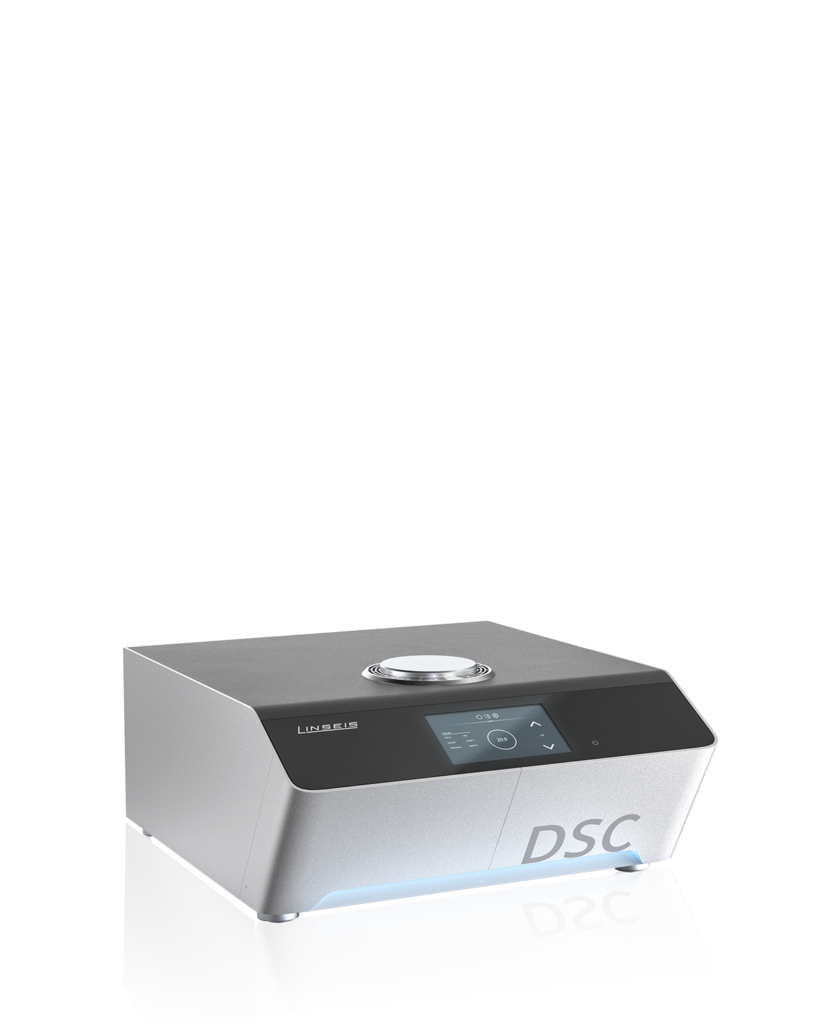
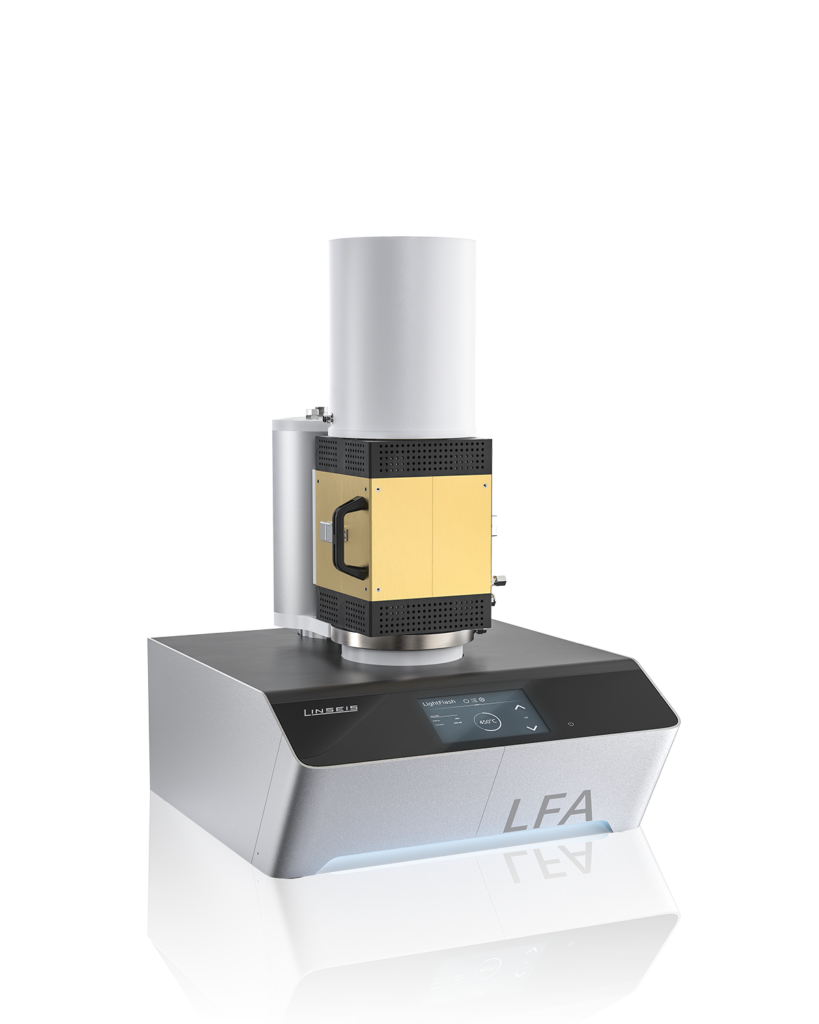
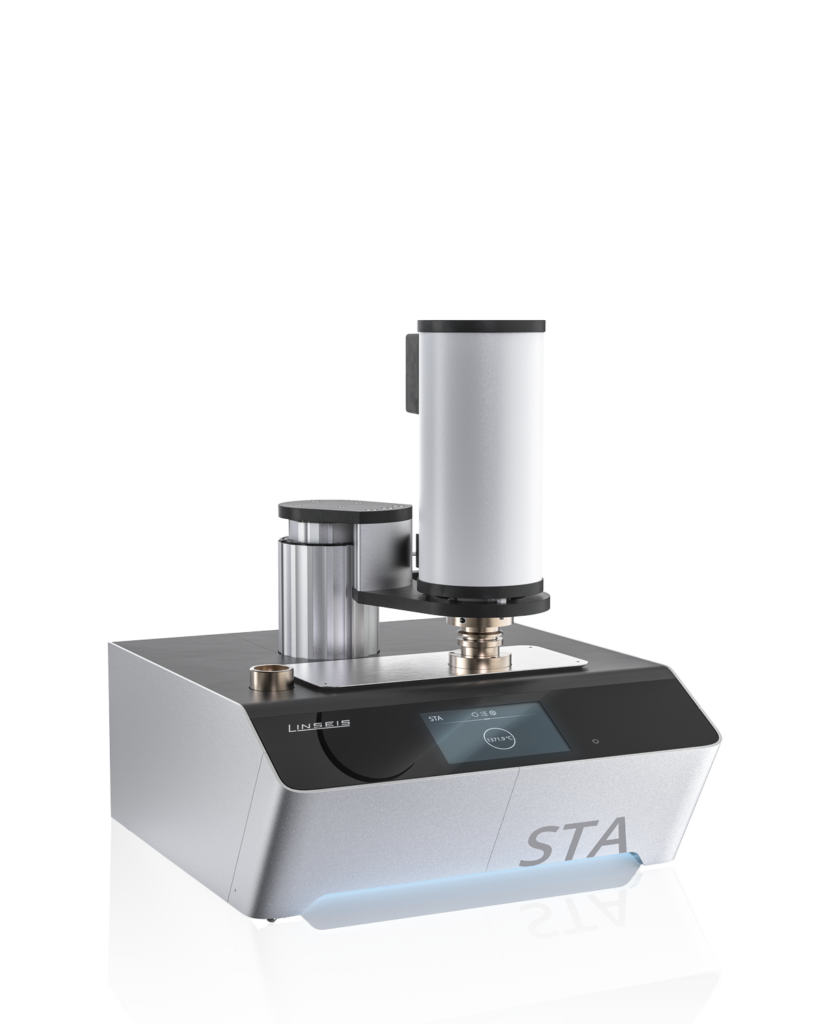
The Heat Flow Meter (HFM) is primarily used for conventional insulation materials. Laser Flash Analysis (LFA) is also suitable for high-performance insulation materials or materials exposed to high temperatures. DSC and STA complement the characterization by providing information on thermal transitions, heat capacity, and material stability.
Why does the temperature dependence of thermal conductivity matter?
Many insulation materials change their thermal properties as the temperature rises or falls. For applications in buildings, industrial facilities, or high-temperature processes, it is therefore important to determine the thermal conductivity across the entire operating range.
How can the long-term stability of an insulation material be tested?
Thermal aging tests, as well as DSC and STA measurements, can be used to evaluate changes in material structure, decomposition processes, and aging effects. This makes it possible to estimate how the insulation performance will change over many years.
Which insulation materials can be tested using LINSEIS systems?
The measurement systems are suitable for nearly all types of insulation materials, including mineral wool, glass wool, rock wool, EPS, XPS, PUR/PIR foams, aerogels, vacuum insulation panels, calcium silicate boards, ceramic fibers, and natural insulation materials such as wood fiber, hemp, or cellulose.
Why is thermal material characterization important for sustainable construction?
Precise material characterization enables the development of more energy-efficient insulation materials, improves quality assurance, and supports the selection of durable materials. This can lead to a sustainable reduction in energy consumption and CO₂ emissions from buildings.