Linseis > Material Analysis for the Automotive and Aerospace Industries
The demands placed on modern materials in the automotive, aviation, and aerospace industries are constantly increasing. Electrification, lightweight construction, higher operating temperatures, and increasing safety requirements call for materials with optimized thermal, mechanical, and structural properties.
Materials analysis provides crucial insights for the development, qualification, and quality assurance of metals, ceramics, polymers, composites, and high-performance alloys. Modern analytical methods enable the investigation of thermal conductivity, thermal stability, expansion behavior and aging processes under realistic conditions.
With over 69 years of experience, LINSEIS supports research institutions, suppliers, and manufacturers in developing innovative materials for the mobility of tomorrow.
Typical Applications for the Automotive and Aerospace Industries
Select your specific application and gain detailed insights into material characterization, measurement methods, and innovative solutions for demanding operating conditions.
Materials for High-Temperature Applications
Thermal Stability and Material Behavior Under Extreme Temperatures and Loads
Real-world measurements demonstrate how modern analytical methods are used to solve real-world problems in the automotive, aerospace, and aviation industries.
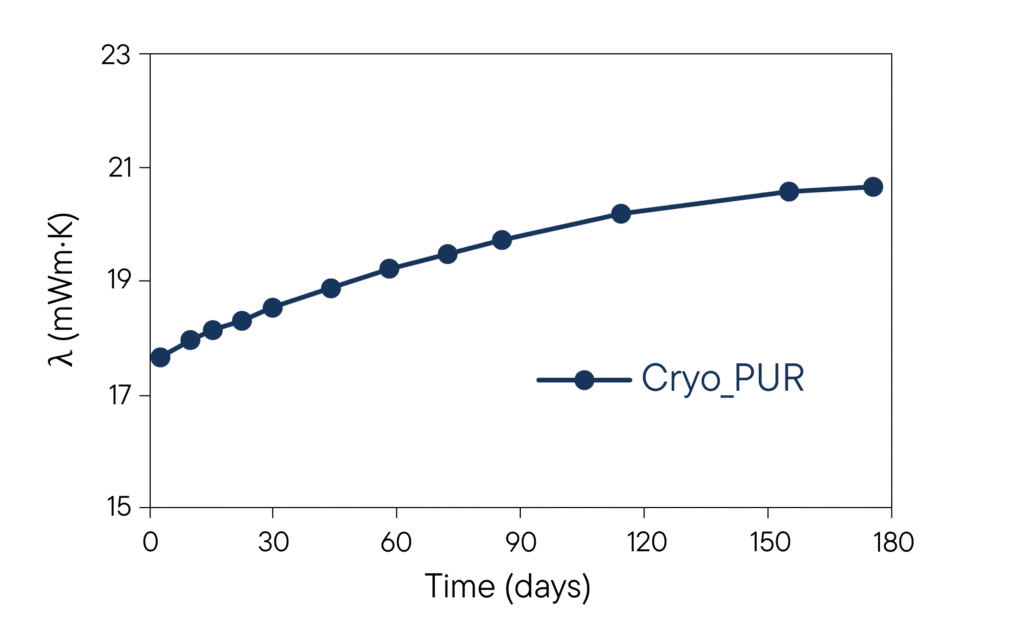
Stability of the Thermal Conductivity of Cryogenic Polyurethane Foams During Long-Term Storage
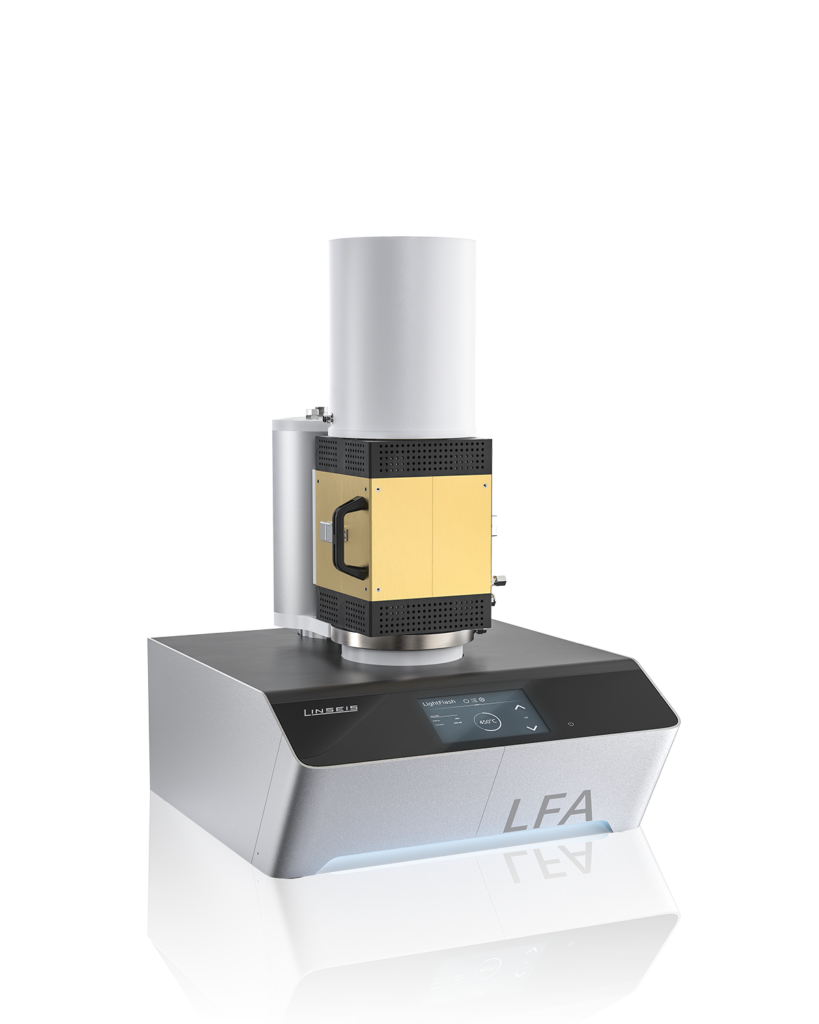
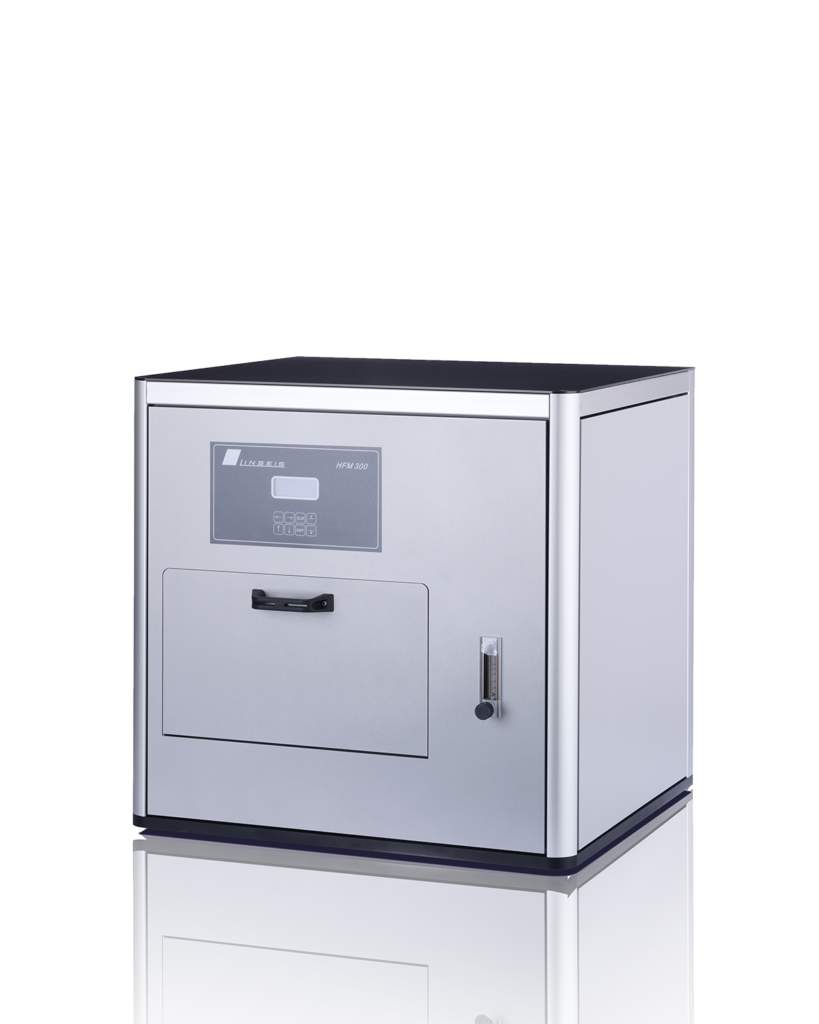
HFM Measurements Using the Linseis HFM L57 200 show the long-term evolution of the thermal conductivity of a cryogenic rigid polyurethane foam. The results provide valuable insights into the aging resistance and thermal performance of modern insulation materials for aerospace and cryogenic applications.
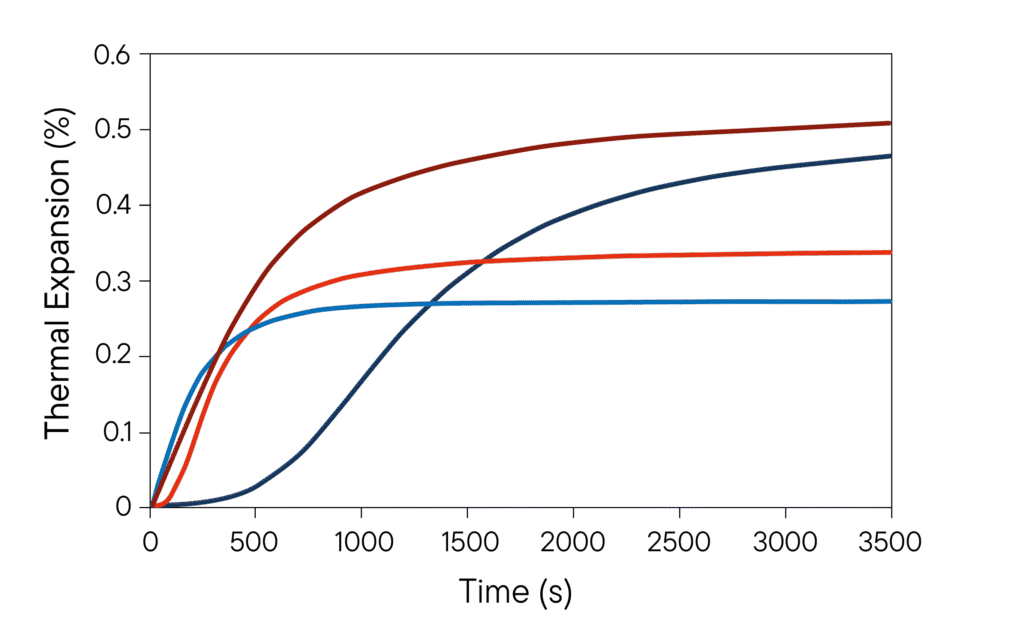
Thermal Expansion Behavior of Ultrasonically Treated Austenitized Ductile Cast Iron
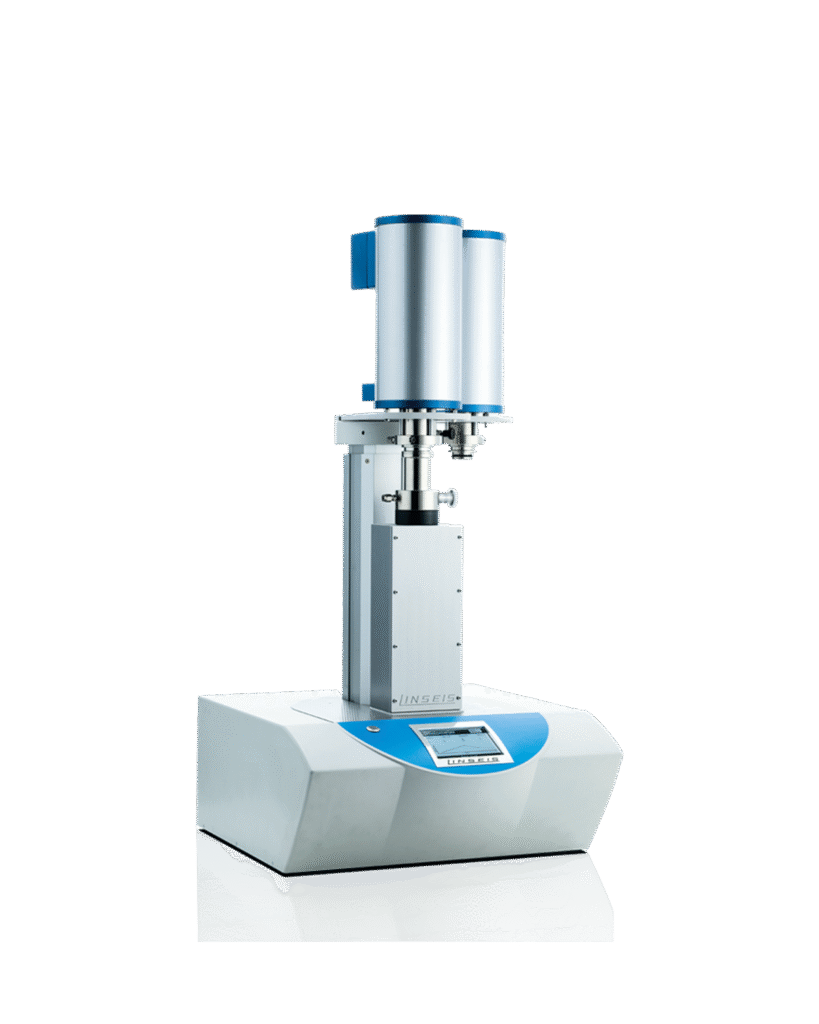
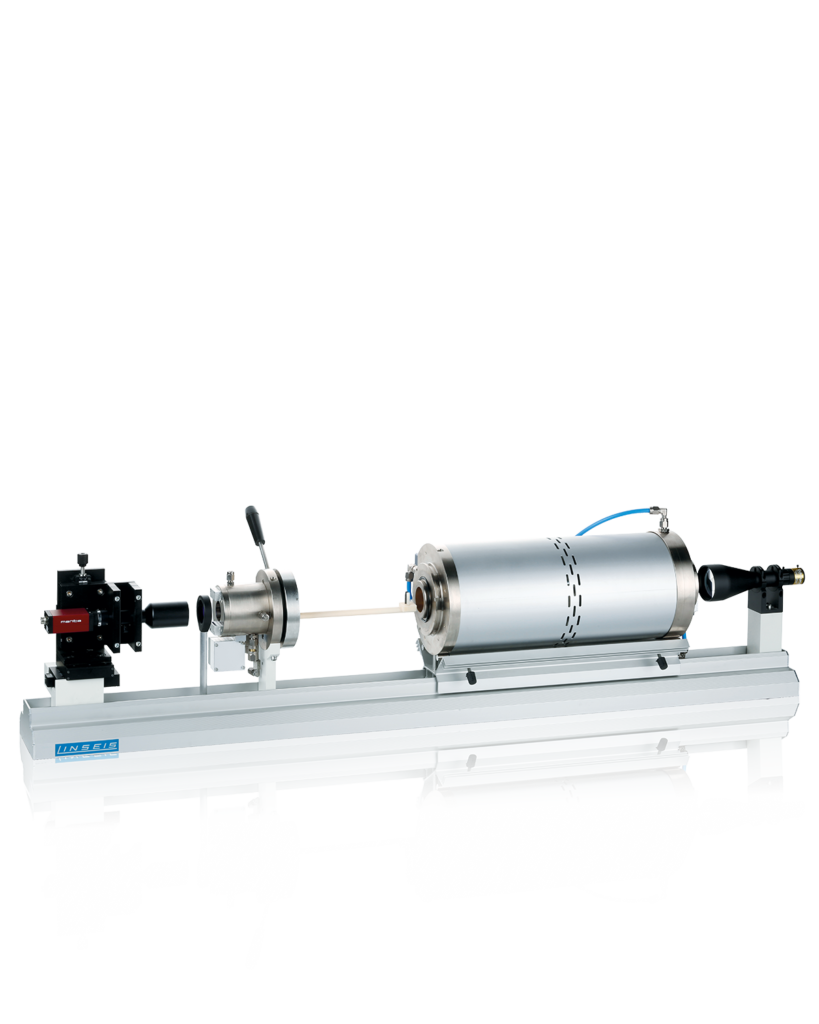
Dilatometer measurements using the Linseis DIL L78 RITA show the transformation behavior of conventionally solidified and ultrasonically treated ADI materials during heat treatment. The results provide valuable insights into transformation kinetics, microstructural development, and the optimization of heat treatment processes for high-stress cast materials.
Applications – Automotive, Aerospace
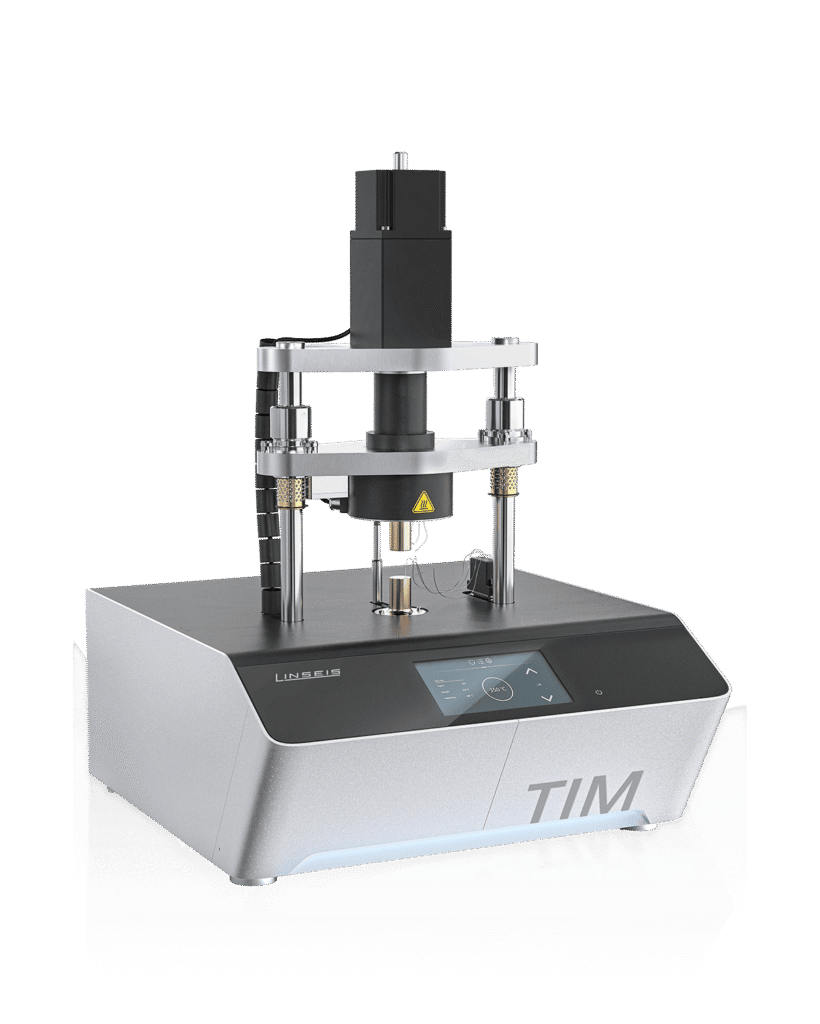
TIM Tester (TIM L58) – Metal Plates with Adhesive Coating – Thermal Conductivity and Thermal Impedance