Cement forms the foundation of modern structures and is one of the most important building materials in the world. Its properties play a decisive role in determining the strength, durability, and service life of concrete, mortar, and numerous other building materials.
Thermal processes influence the development of material properties even during hydration. Heat generation, reaction kinetics, thermal expansion, and moisture loss directly affect both the workability and the subsequent performance of the building material. Precise thermal characterization of materials supports the development of high-performance, sustainable, and low-carbon cement formulations.
LINSEIS analytical instruments enable the comprehensive characterization of cement and cement-based materials, from material development through process optimization to quality control.
Relevant Questions
How does cement hydration occur?
How much heat is released during curing?
How does composition affect reaction kinetics?
What is the thermal stability of this building material?
How does the thermal conductivity change after curing?
What is the thermal expansion of the material?
How can low-carbon cement formulations be evaluated?
How do additives affect material behavior?
Relevant Material and Process Parameters
Parameter
Meaning
Heat of Hydration
Reaction Process and Curing
Heat Capacity
Thermal storage behavior of the building material
Thermal Conductivity
Heat Transfer and Energy Efficiency
Coefficient of Thermal Expansion (CTE)
Dimensional Stability Under Temperature Changes
Change in Mass
Water loss, drainage, and decomposition
Reaction Kinetics
Optimization of the Formulation and Curing Process
Thermal Stability
Behavior under high temperatures and fire exposure
Phase Transitions
Material Development and Quality Assessment
Test Methods for Cement
Dynamic Differential Scanning Calorimetry (DSC)
Analysis of the heat of hydration, reaction kinetics, and heat capacity of cement-bound building materials.
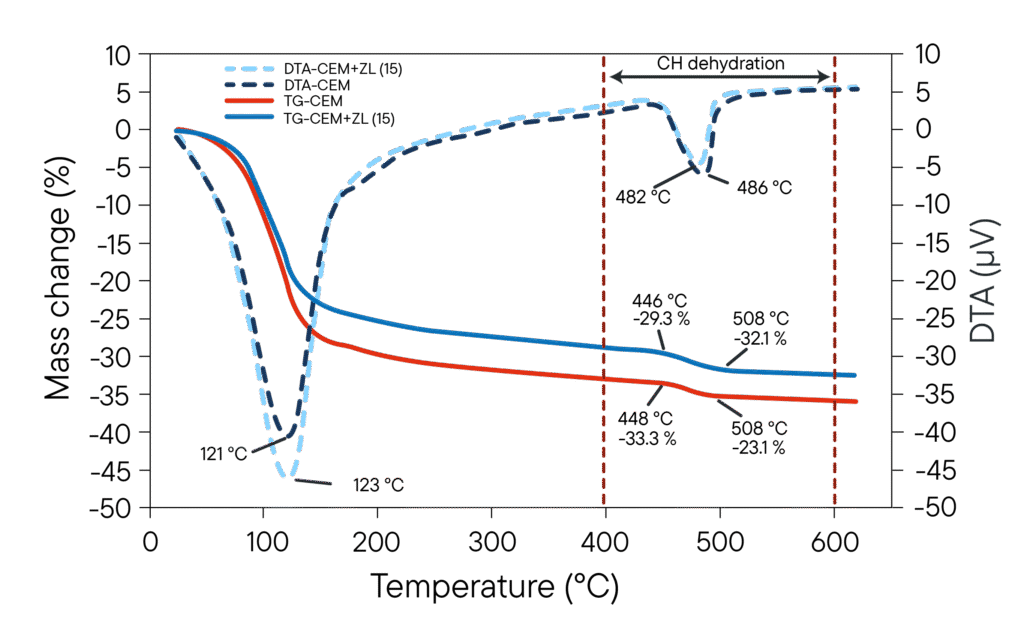
Characterization of Cement Hydration Using Simultaneous Thermal Analysis
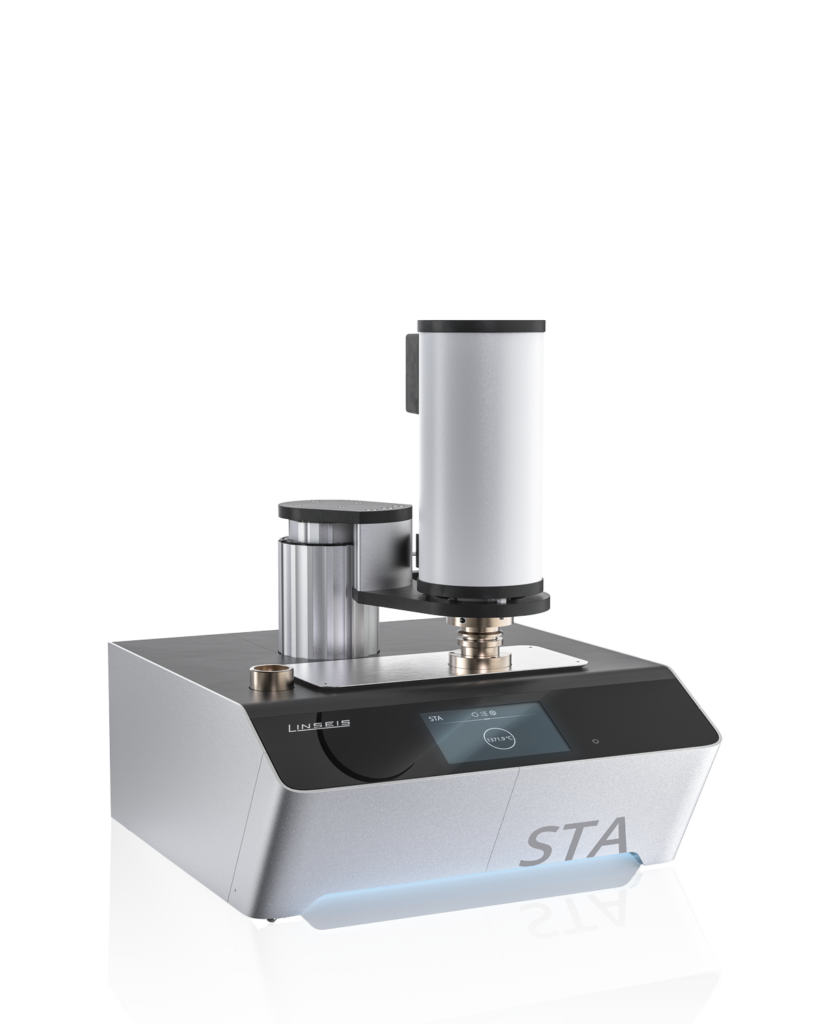
With the LINSEIS STA L81 , the influence of natural zeolite on the early hydration behavior of Portland cement was investigated. Simultaneous thermal analysis reveals accelerated hydration as well as changes in dehydration behavior and provides valuable insights for the development of sustainable high-performance cements.
Why Cement Material Characterization Is Crucial
The development of modern cements places high demands on energy efficiency, sustainability, and material performance. Thermal analysis methods provide important information about hydration, reaction kinetics, and thermal stability, and support the development of durable and resource-efficient building materials.
The combination of modern analytical methods makes it possible to:
Why is the heat of hydration so important in cement?
The heat released during hydration affects strength development, workability, and the risk of thermal stress. Especially in the case of large concrete components, analyzing this heat helps prevent cracking and allows for precise control of the hardening process.
What measurement methods are suitable for analyzing cement?
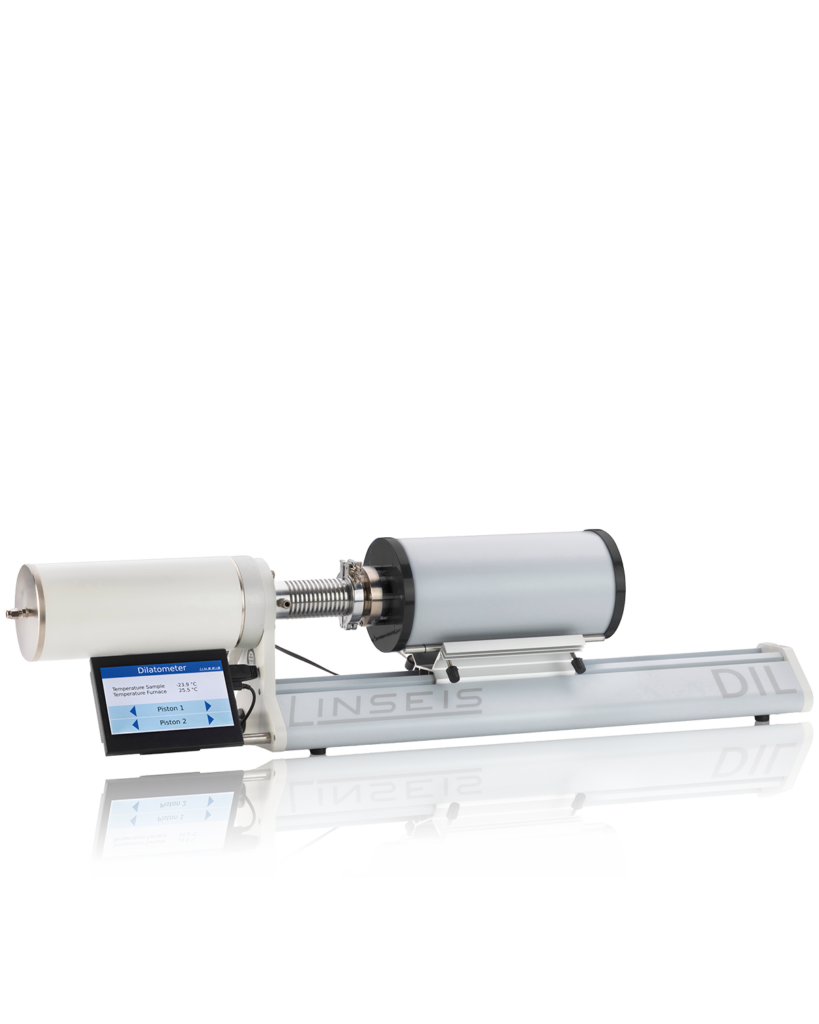
DSC and STA are suitable for investigating hydration and thermal reactions. TGA analyzes water loss and decomposition processes, while DIL determines thermal expansion. LFA can also be used to characterize thermal conductivity and temperature conductivity.
Why is the thermal stability of cement studied?
Cement and concrete often have to withstand high temperatures, such as in industrial facilities or in the event of a fire. Thermal analysis provides important information about changes in the material and its long-term stability.
What role does the thermal conductivity of concrete play?
Thermal conductivity affects both the thermal behavior of buildings and the temperature distribution within solid structural elements. It is therefore an important parameter for energy-efficient construction and thermal simulations.
How does thermal analysis support sustainable cement development?
By investigating new binders, alternative raw materials, and low-carbon cement formulations, material properties can be specifically optimized. Thermal analysis methods help reliably evaluate the performance and durability of new materials.
What materials can be analyzed using LINSEIS systems?
In addition to Portland cement, geopolymers, specialty cements, high-performance concretes, mortars, refractory concretes, fiber-reinforced concretes, cement-bonded composites, and alternative binder systems can also be comprehensively characterized.