
Polyurethane (PUR): Thermal properties, structure and applications
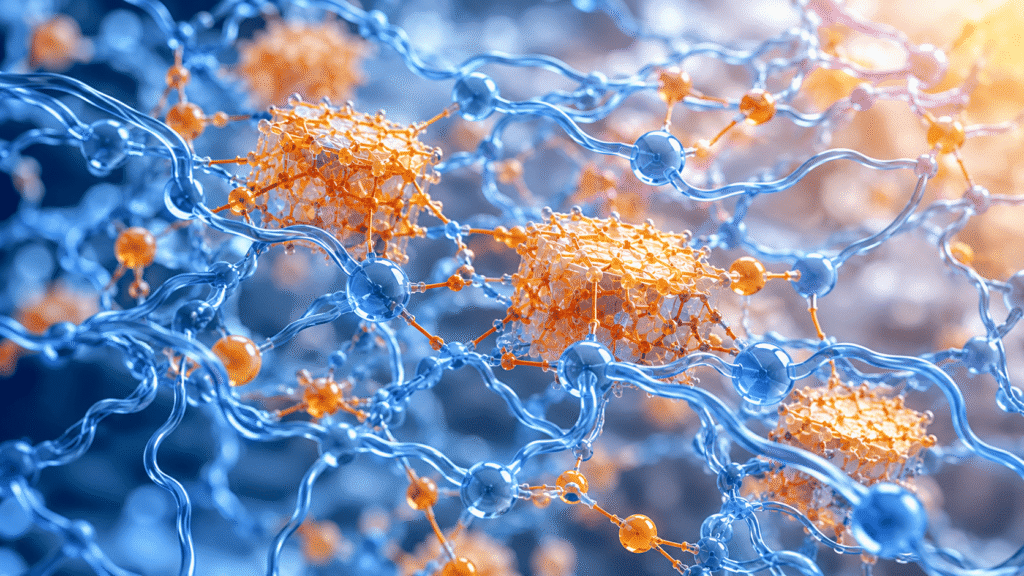
Hardly any other material combines as many properties in a single material system as polyurethane (PUR). From soft comfort foam in the furniture sector to tough elastomers in the automotive industry and high-strength protective coatings on metal and concrete – PUR adapts to the respective requirements because its molecular architecture can be specifically adjusted.
High Entropy Alloys (HEAs): Thermal analysis and thermophysical properties

High entropy alloys (HEAs) are now considered a key material class for high-performance applications in aerospace, power generation, turbines and reactor construction. Due to their complex, multi-component composition, they exhibit unique combinations of high strength, temperature and oxidation resistance – but at the same time they are extremely difficult to characterize.
FEP fluoropolymer: Thermal properties and industrial applications
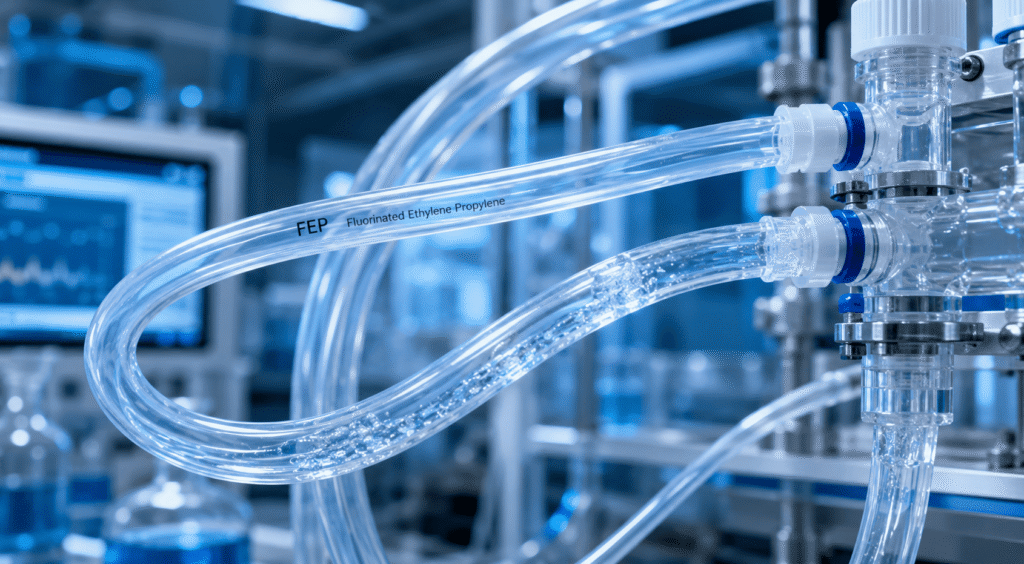
FEP (Fluorinated Ethylene Propylene Copolymer) combines low friction, excellent electrical insulation and high optical clarity in one material – a combination that predestines it for dynamic applications in which media flow, movement and signal transmission must be reliably controlled. [1,2] The following text highlights the key structural and thermal properties of FEP and shows how these can be specifically characterized using thermal analysis methods – and corresponding solutions from Linseis.
EVA – ethylene vinyl acetate: material science, properties and applications
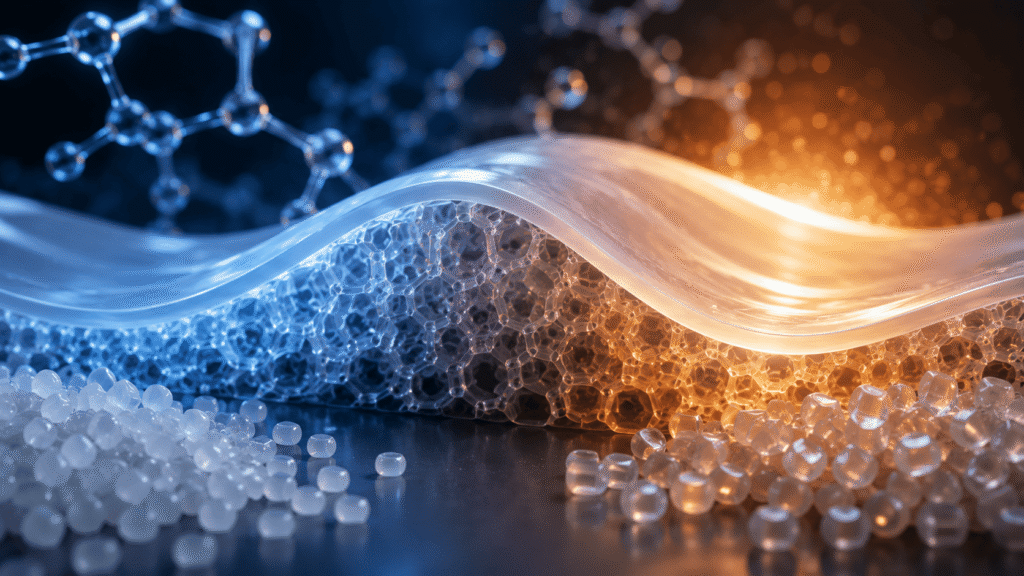
Ethylene-vinyl acetate (EVA) is a soft, semi-crystalline copolymer that impresses with its high flexibility, excellent damping properties and an exceptionally wide property window – precisely where classic polyethylenes, rigid thermoplastics or brittle elastomers reach their limits. By specifically adjusting the vinyl acetate content (VA) and the degree of cross-linking, EVA can be adjusted from transparent-soft to structurally stable and highly damping.
Thermal diffusivity in batteries: Influence on hot spots, thermal runaway and lifetime

Thermal diffusivity α describes how quickly a temperature disturbance spreads in a material. It is directly linked to the thermal conductivity via the relationship λ = α – ρ – cₚ and thus determines in lithium-ion cells whether locally generated heat – for example due to side reactions, current density nests or local overcharging – is dissipated quickly or builds up to a dangerous hot spot.
How to Measure Heat Capacity in Heat Transfer Fluids for Industrial Applications

Efficient process design in modern energy, chemical, and manufacturing industries increasingly relies on accurate transport and management of thermal energy by engineered fluids. Understanding and quantifying heat capacity—essentially answering “How much heat can be transported by a fluid?”
Differential thermal analysis (DTA) for the early detection of incompatibilities in polymer blends
In the development of modern polymer blends, the focus is on the targeted combination of different polymers in order to flexibly adapt material properties to application requirements. Incompatibilities or phase separation within these blends are one of the most common challenges, as they have a significant influence on the mechanical and thermal properties of the end product.
PFA (perfluoroalkoxy): High-performance fluoropolymer for critical process environments
Perfluoroalkoxy (PFA) is a high-performance fluoropolymer that combines almost universal chemical resistance with high thermal stability up to a continuous service temperature of 260 °C and thus offers extremely high process reliability in critical process environments.
Translucent and dimensionally stable – what can acrylic glass really do?

Polymethyl methacrylate (PMMA), also known as acrylic glass, is a versatile thermoplastic that is characterized by its high light transmission, dimensional stability and wide range of applications.
Laser dilatometry: Precise characterization of high-tech glasses through contactless thermal analysis

The development of modern glass materials places the highest demands on analytical methods. Particularly with sensitive high-tech glasses, thin films or microstructured glass ceramics, conventional measurement methods quickly reach their limits. Laser dilatometry has established itself as a pioneering technology that masters these challenges through contactless, high-precision measurements.