

Material Analysis of Sorption Processes
Investigation of adsorption, desorption, and material interactions for chemical processes and functional materials


Sorption describes the absorption and desorption of gases or liquids by solids and plays a central role in chemistry, catalysis, hydrogen technology , and environmental engineering. The study of adsorption and desorption processes enables the evaluation of storage capacity, material stability, and process behavior.
Using methods such as DSC, TGA, STA, high-pressure measurements and thermal conductivity analyses, sorption processes can be analyzed under conditions that closely mimic reality. The data obtained supports the development of new sorbents, catalysts, and energy storage materials.
With over 69 years of experience, Linseis offers solutions for the study of sorption processes in research, development, and industrial quality control.
The development of modern sorption materials requires a detailed understanding of adsorption and desorption mechanisms, as well as their impact on storage capacity, efficiency, and long-term stability.
Relevant Questions
- What is the sorption capacity of a material?
- How fast do adsorption and desorption processes occur?
- How does temperature affect sorption capacity?
- Which gases or substances are preferentially absorbed?
- How does the material change during repeated sorption cycles?
- How do pressure and atmosphere affect sorption behavior?
- How efficiently can a material be recycled?
- How can sorption processes be optimized?
Relevant Material and Process Parameters
| Parameter | Meaning |
|---|---|
| Sorption Capacity | Maximum amount of a gas or substance that can be absorbed |
| Adsorption enthalpy | Strength of the interaction between the material and the medium |
| Desorption Behavior | Release of stored substances |
| Sorption kinetics | Rate of uptake and release |
| Temperature Stability | Behavior at elevated temperatures |
| Pressure Dependence | Effect of Pressure on Storage Performance |
| Cycle Stability | Performance During Repeated Charge and Discharge Cycles |
| Thermal Conductivity | Effect on Charging and Discharging Processes |
Measurement Methods for Catalytic Materials

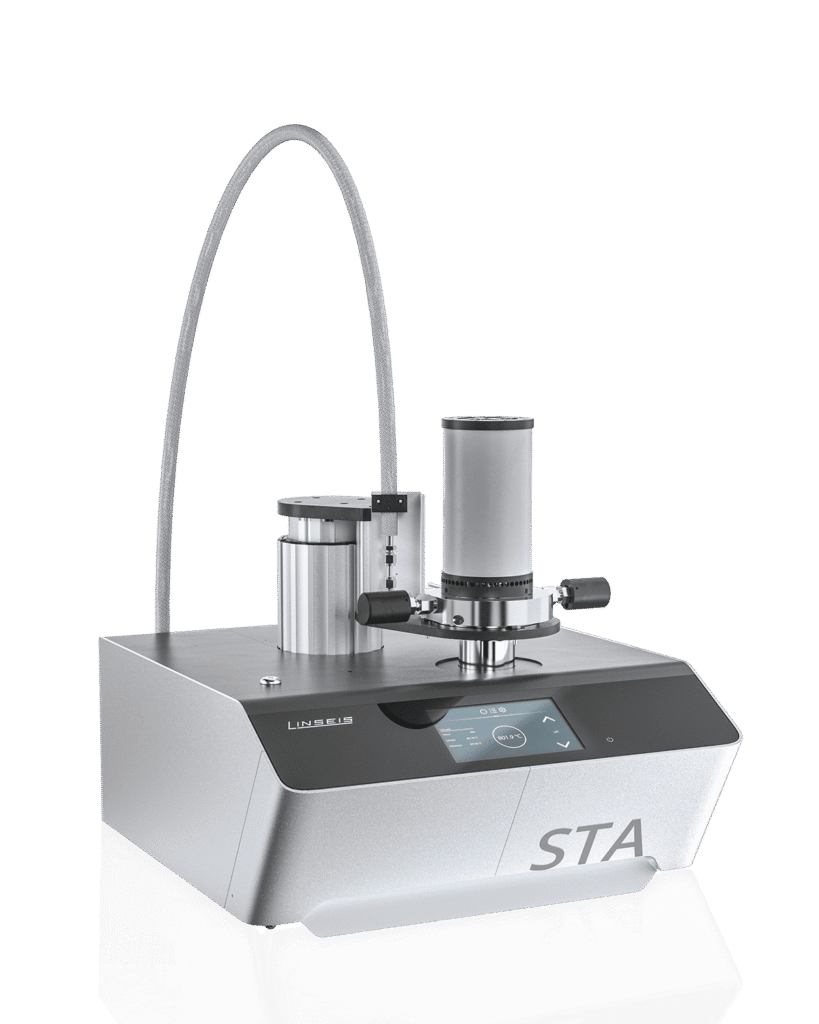
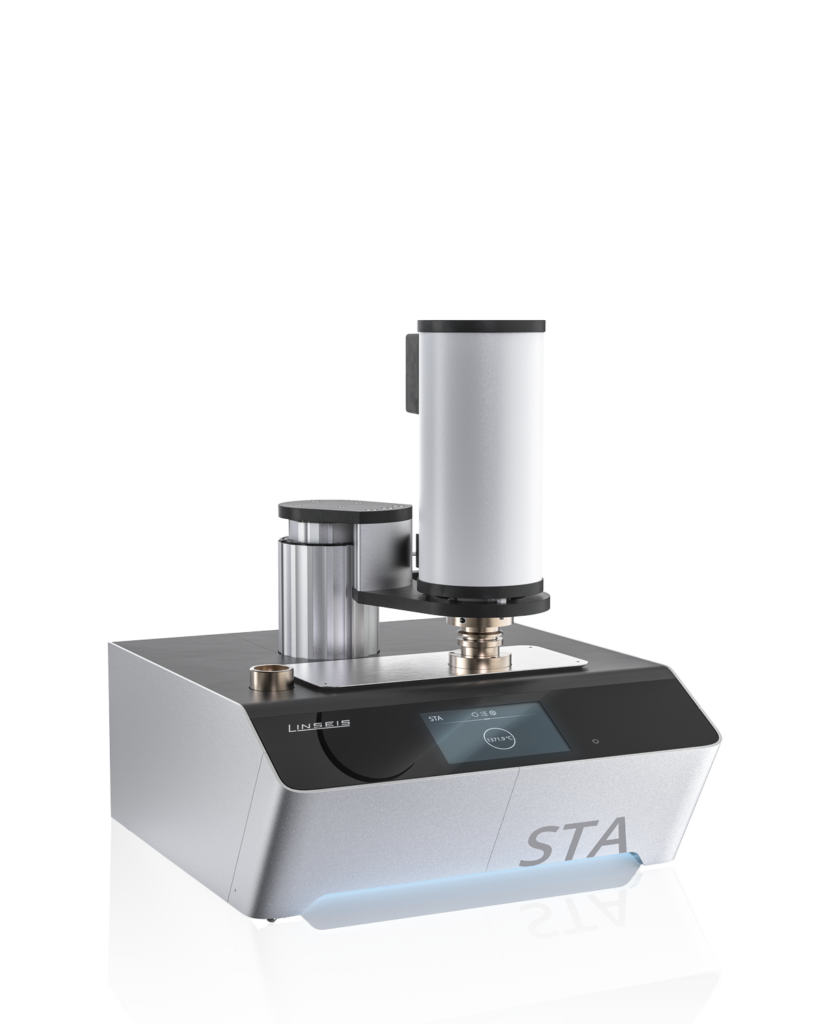
Simultaneous Thermal Analysis (STA)
The STA combines heat flux and mass change measurements.
Advantages
- Heat and Mass Analysis
- Sorption Mechanisms
- Atmospheric Control
Ideal for
- Gas-Solid Reactions
- Hydrogen Storage
- Multistage processes
- Temperature Programs
Thermogravimetry (TGA)
TGA measures changes in mass during sorption and desorption processes.
Analysis of
- Sorption capacity
- Desorption behavior
- Gas uptake
- Material Stability
Advantages
- High sensitivity
- Direct Mass Measurement
- Cycle Tests
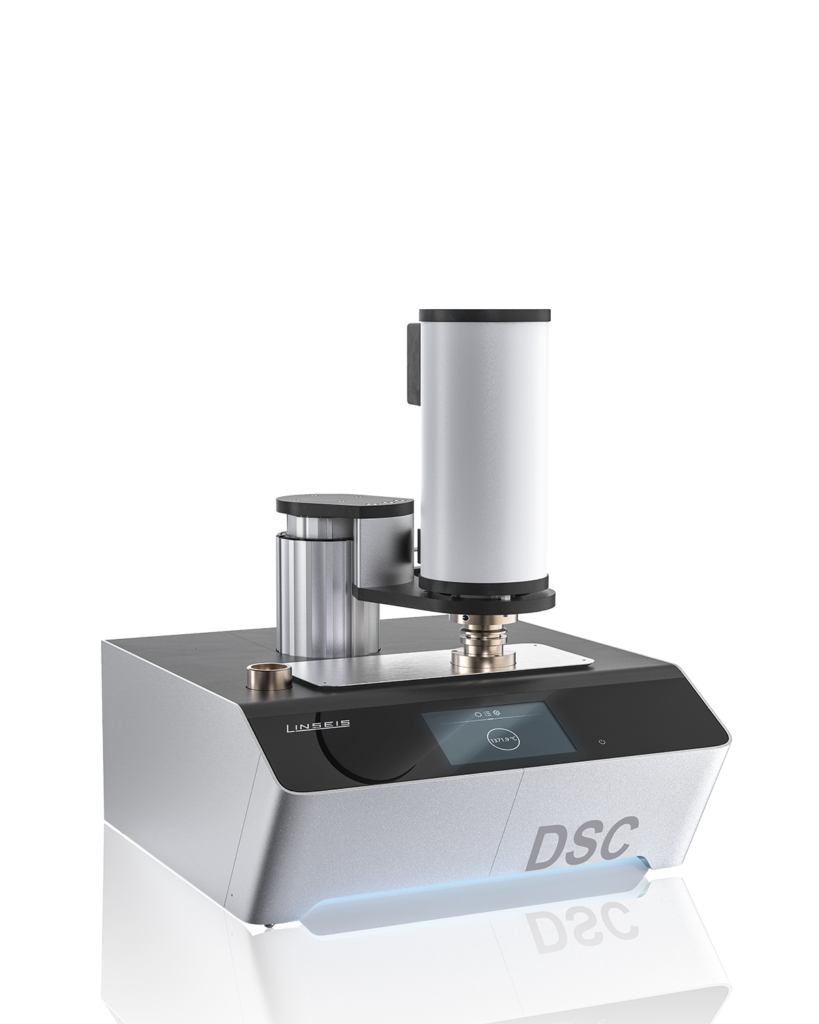
Differential Scanning Calorimetry (DSC)
The DSC measures heat effects during adsorption and desorption processes.
Analysis of
- Enthalpy of adsorption
- Desorption enthalpy
- Heat Storage
- Material Interactions
Typical Applications
- Sorbent Development
- Hydrogen Storage
- Adsorption Processes
- Material Comparison

Laser Flash Analysis (LFA)
Thermal conductivity affects the charging and discharging of storage materials.
Analysis of
- Thermal conductivity
- Thermal Conductivity
- Heat diffusion
- Heat Transfer
Advantages
- Faster Loading
- Optimized Thermal Management
- Greater Efficiency
Recommended Equipment for Sorption Processes
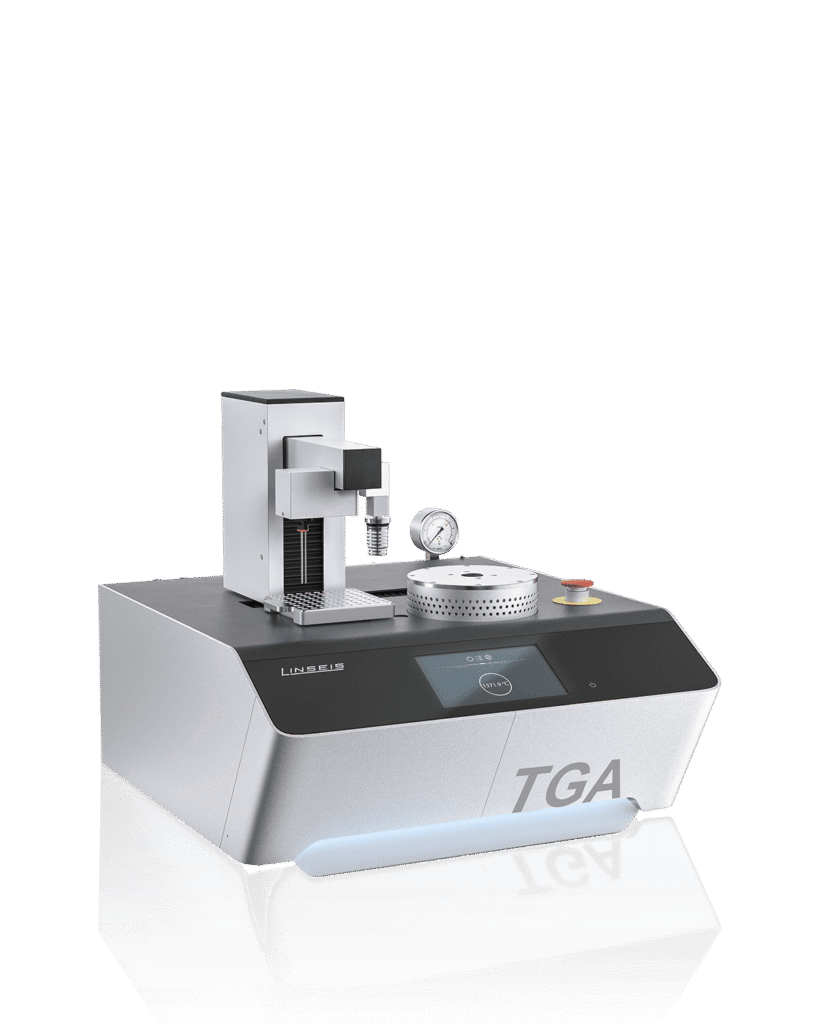

Case Study: Analysis of Sorption
Thermal Stability of Natural Adsorbents in the Treatment of Oil-Contaminated Water
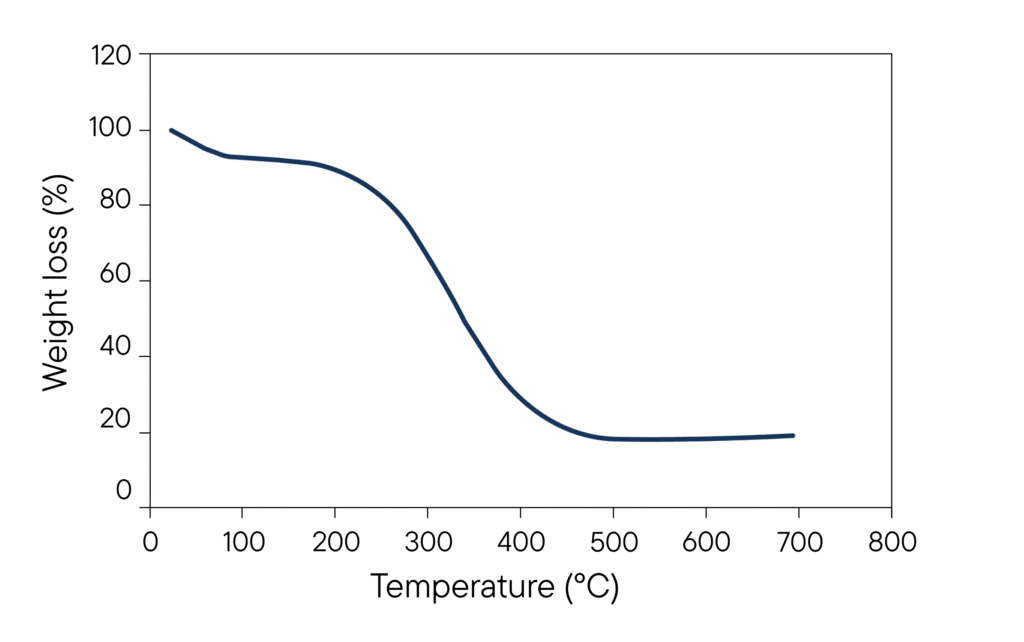
STA Measurements Using the Linseis STA L81 provide valuable insights into the thermal stability and decomposition behavior of natural adsorbents for environmental and water treatment applications. Download the white paper to learn more about the measurement setup, measurement results, and how to interpret them.
Why Material Analysis Is Crucial for Sorption Processes
The characterization of sorption materials provides important information about their sorption capacity, stability, and process behavior. This allows materials to be specifically optimized for storage, filtration, and environmental applications.
The combination of modern analytical methods makes it possible to:
- Analysis of Adsorption and Desorption Processes
- Determination of Thermal and Chemical Stability
- Assessment of Storage Capacities
- Optimization of Regeneration Processes
- Investigation of Cycle Stability
- Development of High-Performance Sorption Materials
For your sorption page, I would prefer the second option, since it is more closely related to adsorbents, hydrogen storage materials, MOFs, zeolites, and activated carbon, and therefore fits better with the rest of the page’s content.
Applications – Chemistry
FAQ – Sorption
What measurement methods are suitable for analyzing sorption processes?
Thermogravimetry (TGA), simultaneous thermal analysis (STA), differential scanning calorimetry (DSC), and high-pressure measurements are frequently used to study sorption processes. These methods enable the analysis of adsorption and desorption processes, sorption capacities, and thermal stability.
What can sorption analysis be used to investigate?
Sorption analysis provides information about the adsorption and desorption of gases or liquids, a material’s sorption capacity, its regenerability, and the thermal and chemical stability of sorbents.
Why are sorption processes relevant to hydrogen and energy storage?
Sorption processes determine the storage capacity of many materials for hydrogen, CO₂, or other gases. This analysis helps in developing suitable storage materials and optimizing their charging and discharging behavior.
What information does thermogravimetry provide for sorption materials?
Thermogravimetry measures changes in mass during adsorption, desorption, and regeneration processes. This allows for the determination of sorption capacities, material losses, and the long-term stability of sorbents.
Why are high-pressure measurements important for sorption materials?
Many sorption applications, particularly in hydrogen storage or CO₂ capture, take place under elevated pressure. High-pressure measurements allow for the investigation of material behavior under real-world operating conditions.
What materials are typically studied in sorption processes?
Sorption materials that are frequently analyzed include activated carbons, zeolites, metal-organic frameworks (MOFs), hydrogen storage materials, catalyst supports, and porous ceramics and carbon materials.
How does temperature affect sorption capacity?
Temperature has a direct impact on adsorption and desorption processes. Thermal analyses help determine optimal operating conditions and maximize the efficiency of sorption materials.
Why is cycle stability important for sorption materials?
Many sorption materials are used over numerous loading and unloading cycles. Studying their cycle stability provides insights into aging, performance degradation, and the material’s long-term service life.