

Materials Analysis for Reactor Engineering
Optimization of reactor design, process conditions, and material behavior through thermal and thermophysical analyses


Reactor technology forms the basis for numerous chemical processes and places high demands on materials, heat transfer, and process stability. The investigation of thermal, thermophysical, and mechanical material properties enables a better understanding of reaction mechanisms, temperature distributions, and material behavior under real operating conditions.
Using methods such as DSC, TGA, STA, dilatometer, Thermal Conductivityand heat capacity measurements enable the targeted analysis of reaction processes, material stability, heat transfer, and thermal stresses. The data obtained supports the design of energy-efficient reactors, the optimization of process parameters, and the selection of suitable materials for high-temperature and high-pressure applications.
With over 69 years of experience, Linseis offers solutions for the analysis of materials and processes in reactor technology—from basic research and process development to industrial quality control.
The safe and efficient operation of chemical reactors requires a detailed understanding of heat transfer, mass transfer, and material behavior under process conditions.
Relevant Questions
- How does temperature affect the course of the reaction in the reactor?
- How efficient is heat transfer in the process?
- Which materials are suitable for high-temperature applications?
- How do different atmospheres affect the process?
- Where do thermal hotspots form?
- How does the material change during operation?
- How do pressure and temperature affect process stability?
- How can reactors be designed to be more energy-efficient?
Relevant Material and Process Parameters
| Parameter | Meaning |
|---|---|
| Thermal Conductivity | Optimization of temperature distribution |
| Heat Capacity | Assessment of thermal storage capacity |
| Reaction Enthalpy | Energetic Analysis of Processes |
| Thermal Stability | Behavior under process conditions |
| Coefficient of thermal expansion | Analysis of Thermal Stresses |
| Mass Change | Investigation of Reactions and Deposits |
| Atmospheric resistance | Behavior in Process Gases |
| High-Pressure Stability | Suitability for pressure reactors |
Measurement Methods for Catalytic Materials

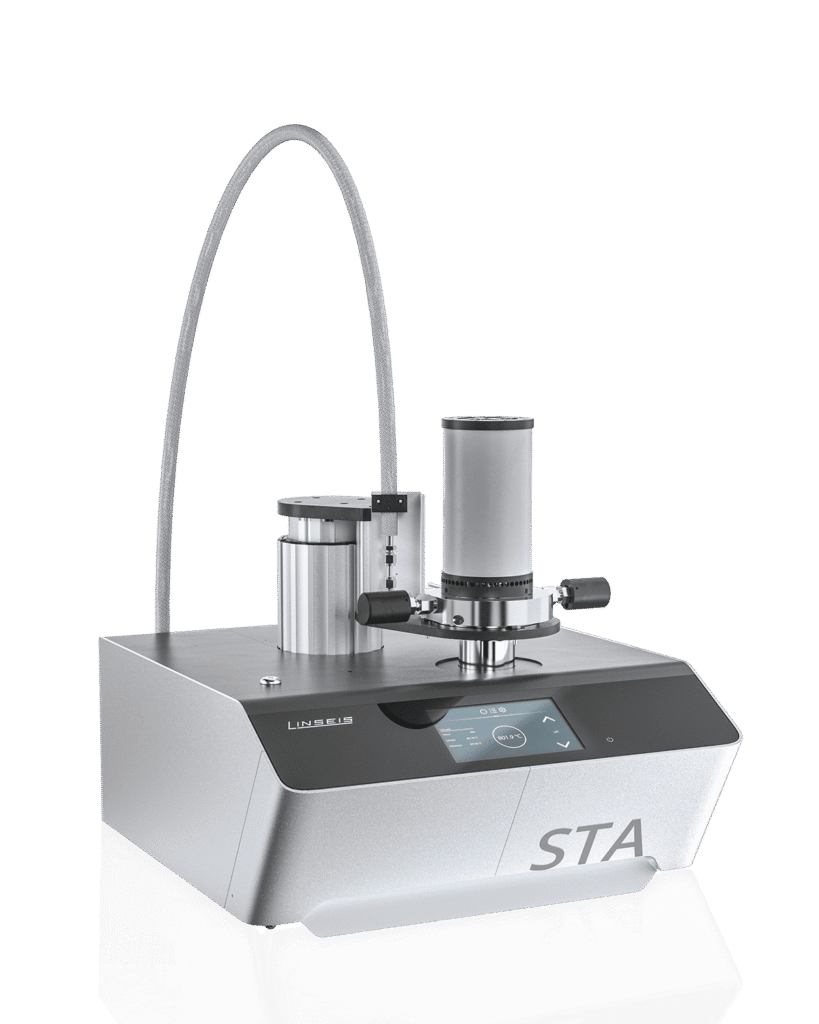
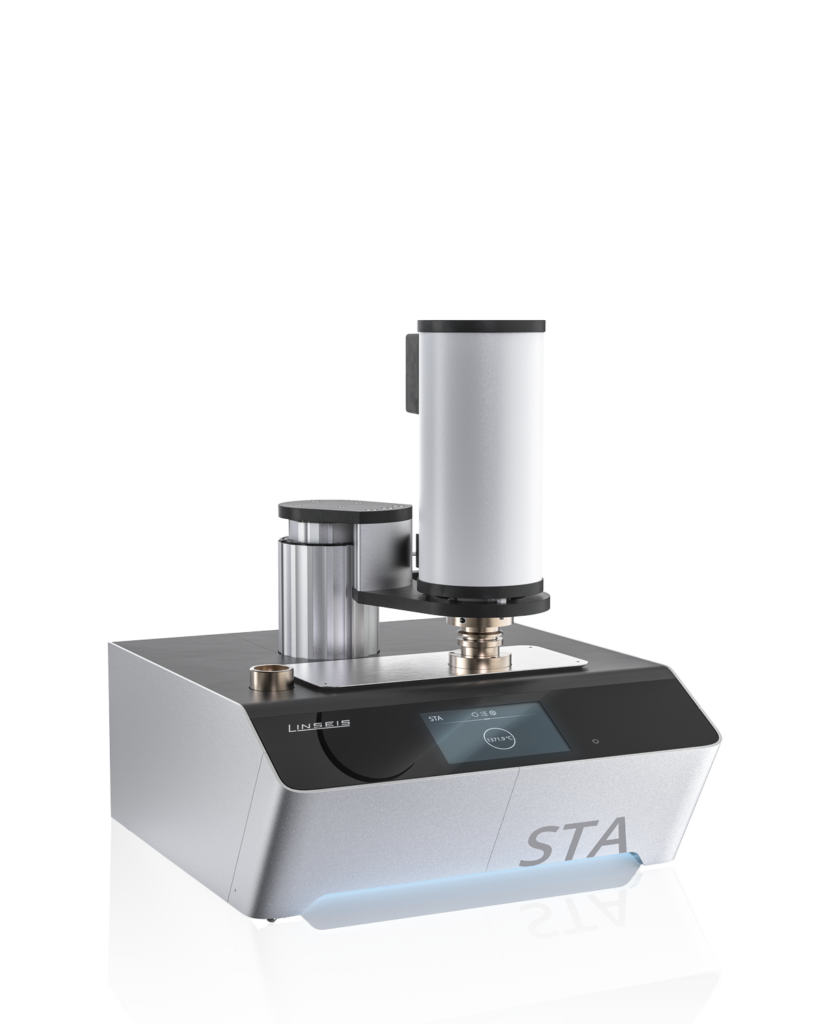
Simultaneous Thermal Analysis (STA)
STA enables the simultaneous study of heat flow and changes in mass during chemical processes.
Analysis of
- Reaction enthalpies
- Bulk Changes
- Decomposition processes
- Process Stability
Ideal for
- Process Development
- High-Temperature Reactors
- Atmospheric Studies
- Material Evaluation
Thermogravimetry (TGA)
TGA analyzes changes in mass during chemical processes.
Analysis of
- Mining
- Oxidation
- Corrosion
- Reaction products
Advantages
- High sensitivity
- Process Monitoring
- Material Comparison
Differential Scanning Calorimetry (DSC)
DSC analyzes heat effects during chemical reactions.
Analysis of
- Reaction enthalpies
- Phase Transitions
- Heat capacities
- Process Heat
Advantages
- Process Optimization
- Safety Analyses
- Material Characterization
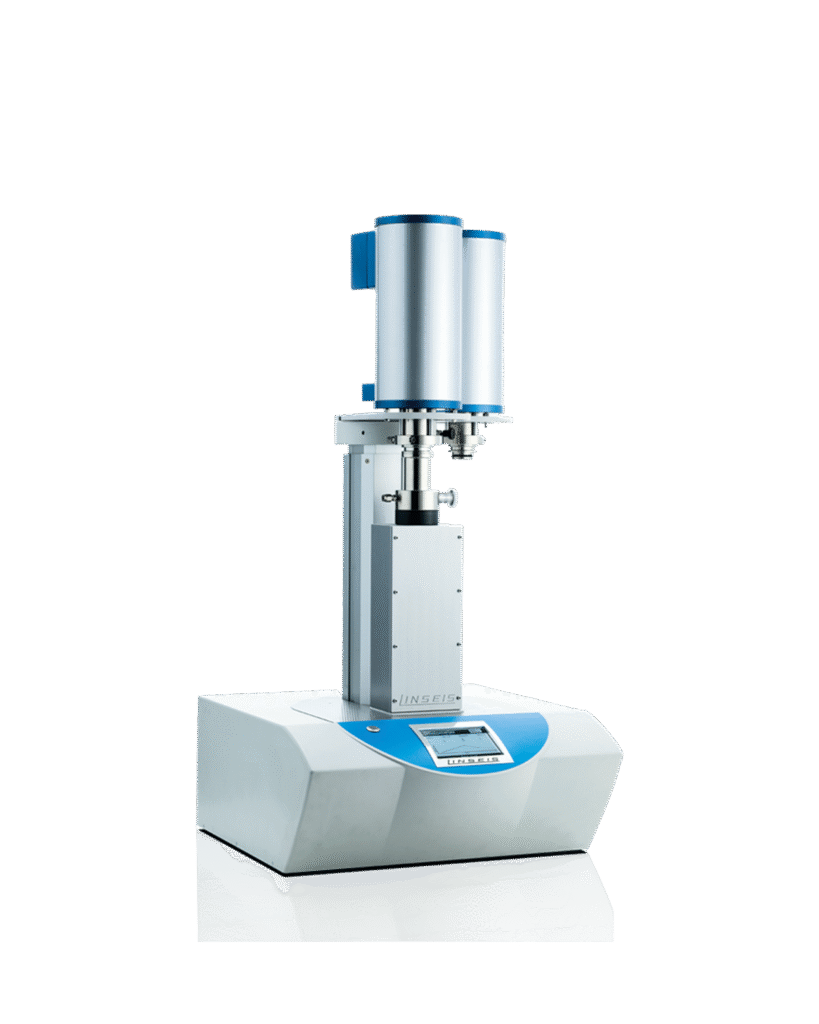
Dilatometer (DIL)
Dilatometer measurements provide information about thermal expansion and dimensional stability.
Analysis of
- Thermal Expansion
- Shrinkage
- Material Stresses
- Changes in Dimensions
Advantages
- Reactor Design
- Material Selection
- Lifetime Assessment
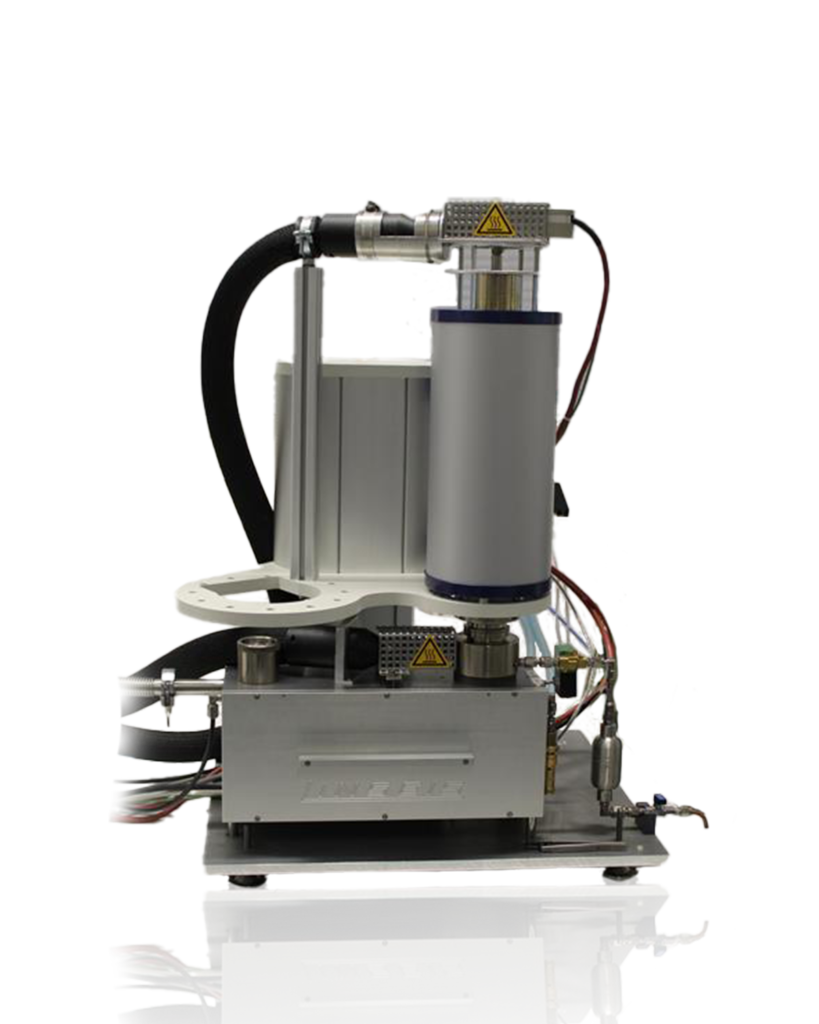
Recommended Equipment for Reactor Technology

Case Study: Analysis of Sorption
Thermodynamic Characterization of Perovskite Oxygen Carriers Using High-Pressure STA
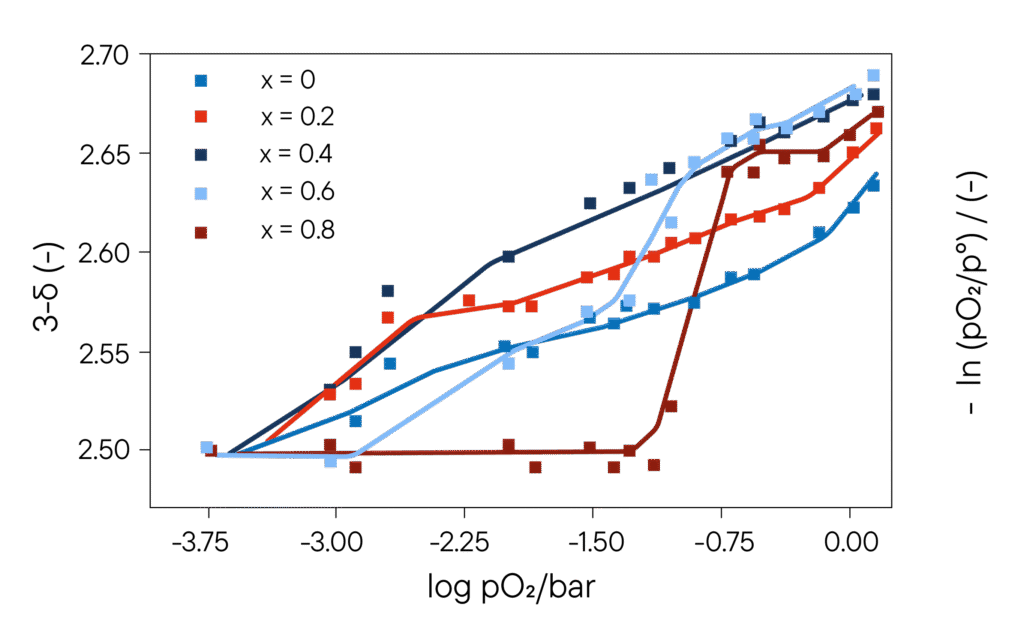
STA HP Measurements Using the Linseis STA HP L85 demonstrate the oxygen storage and release behavior of perovskite oxygen carriers under controlled pressure and atmospheric conditions. Download the white paper to learn more about the measurement setup, results, and their interpretation.
Why Materials Analysis Is Crucial for Reactor Technology
The characterization of materials and processes in reactor engineering provides important information about heat transfer, material stability, and reaction behavior under real operating conditions. This enables more efficient reactor design, process optimization, and improved operational safety.
The combination of modern analytical methods makes it possible to:
- Analysis of Reaction and Decomposition Processes
- Determination of Thermal and Chemical Stability
- Evaluation of Thermal Conductivity and Heat Transfer
- Optimization of Process and Operating Parameters
- Investigation of Material Behavior at High Temperatures
- Development of More Efficient and Longer-Lasting Reactor Systems
This wording aligns well with the focus of your reactor engineering page, as it takes into account not only classical thermal analysis but also thermal conductivity, thermophysical properties, and materials characterization. This allows you to highlight the strengths of STA, TGA, DSC, dilatometry, and LFA equally.
Applications – Chemistry
FAQ – Reactor Technology
What measurement methods are suitable for materials analysis in reactor engineering?
DSC, TGA, STA, dilatometers, and measurements of thermal conductivity and heat capacity are frequently used in reactor engineering. These methods provide important information about reaction behavior, heat transfer, material stability, and thermal stresses in reactor systems.
Why is thermal conductivity important in reactor engineering?
Thermal conductivity affects the temperature distribution within a reactor. A targeted analysis helps prevent hot spots, increase energy efficiency, and make chemical processes safer and more controlled.
What information does Simultaneous Thermal Analysis (STA) provide for reactor applications?
STA enables the simultaneous investigation of mass changes and thermal effects. This allows for a realistic analysis of reaction processes, decomposition mechanisms, material stability, and process conditions.
Why are high-temperature analyses relevant for reactor materials?
Many chemical processes take place at temperatures of several hundred degrees Celsius. High-temperature analyses help in selecting suitable materials and evaluating their long-term stability under process conditions.
What role does thermal expansion play in reactor engineering?
Thermal expansion affects stresses, deformations, and the service life of reactor components. Dilatometer measurements make it possible to evaluate materials for use under varying temperatures.
What materials are commonly studied in reactor engineering?
Typical materials include high-temperature alloys, reactor steels, ceramics, catalyst supports, heat exchanger materials, and materials used in chemical, petrochemical, and energy-related processes.
Why are material analyses important for the safety of nuclear power plants?
Analyzing thermal stability, thermal conductivity, and reaction behavior helps identify critical operating conditions at an early stage. This makes it possible to reduce risks and improve the operational safety of reactor facilities.
How does materials analysis support the development of new reactor designs?
Many industrial reactions take place under elevated pressure. High-pressure measurements allow for the study of materials and reaction systems under conditions that closely resemble actual operating conditions and provide important data for process design.