Material analysis for SiC, GaN, and other wide-bandgap semiconductors for the development of energy-efficient power electronics and high-temperature applications.
Wide-bandgap semiconductors such as silicon carbide (SiC) and gallium nitride (GaN) enable higher switching frequencies, lower energy losses, and higher operating temperatures than conventional silicon devices. They form the foundation of modern power electronics in electric mobility, energy technology, industrial applications, and telecommunications.
The development of high-performance semiconductors requires a deep understanding of their thermal, electrical, and structural properties. Modern analytical methods provide important information about thermal conductivity, charge carrier transport, thermal stability, and material quality.
LINSEIS’s material characterization solutions enable the precise analysis of wide-bandgap semiconductors throughout the entire development process—from materials research to quality control.
Relevant Questions
What is the thermal conductivity of SiC or GaN materials?
How does temperature affect electrical properties?
What is the charge carrier concentration of the material?
What is the mobility of the charge carriers?
How efficiently is waste heat dissipated?
What thermal stresses occur during operation?
How do defects affect material performance?
What properties do thin films and epitaxial layers have?
How does the material change at high temperatures?
Which materials are suitable for high-performance applications?
Relevant Material and Process Parameters
Parameter
Meaning
Thermal Conductivity
Efficient Heat Dissipation in Power Semiconductors
Thermal Diffusivity
Analysis of Heat Propagation
Charge carrier concentration
Evaluation of electrical conductivity
Mobility
Optimizing Electronic Performance
Electrical Resistance
Reduction of power losses
Hall coefficient
Characterization of charge carriers
Interfacial resistance
Optimization of the heat transfer path
Coating Thickness
Control of thin-film processes
Thermal Stability
Reliability at high temperatures
Defect Density
Assessment of Material Quality
Measurement Methods for Wide-Bandgap Semiconductors
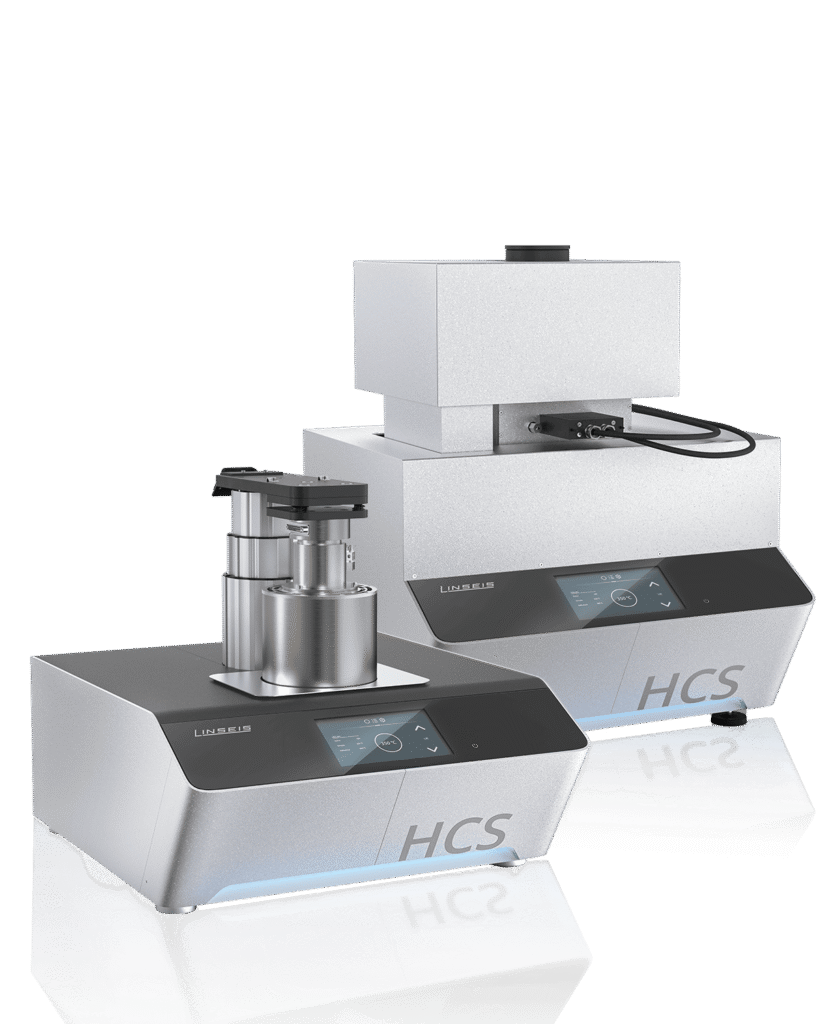
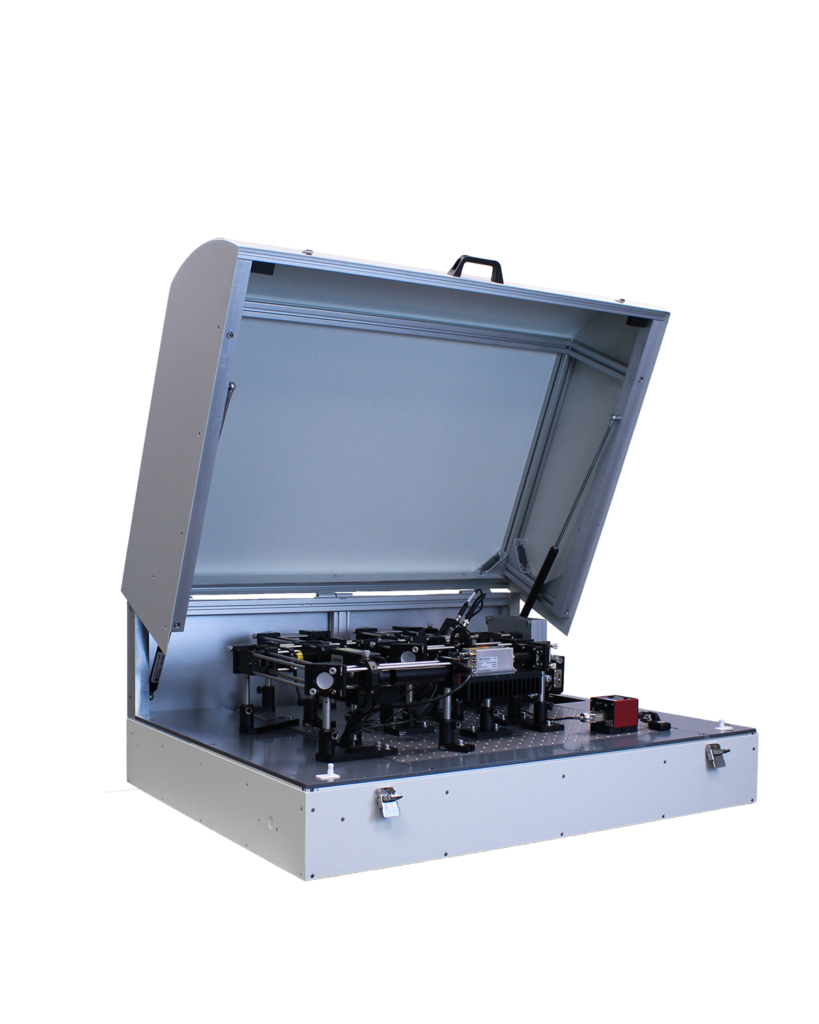
Hall Effect Analysis (HCS)
Determination of charge carrier concentration, mobility, and electrical resistance for the development of modern wide-bandgap semiconductors.
Case Study: Analysis of a Wide-Bandgap Semiconductor
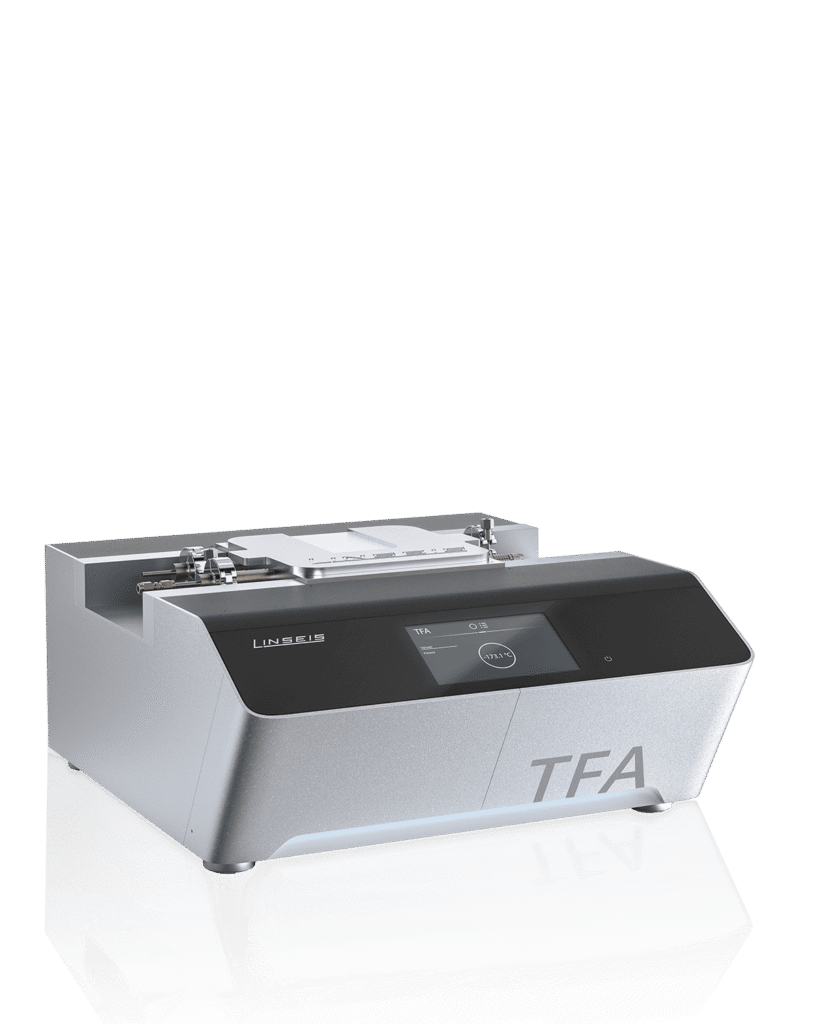
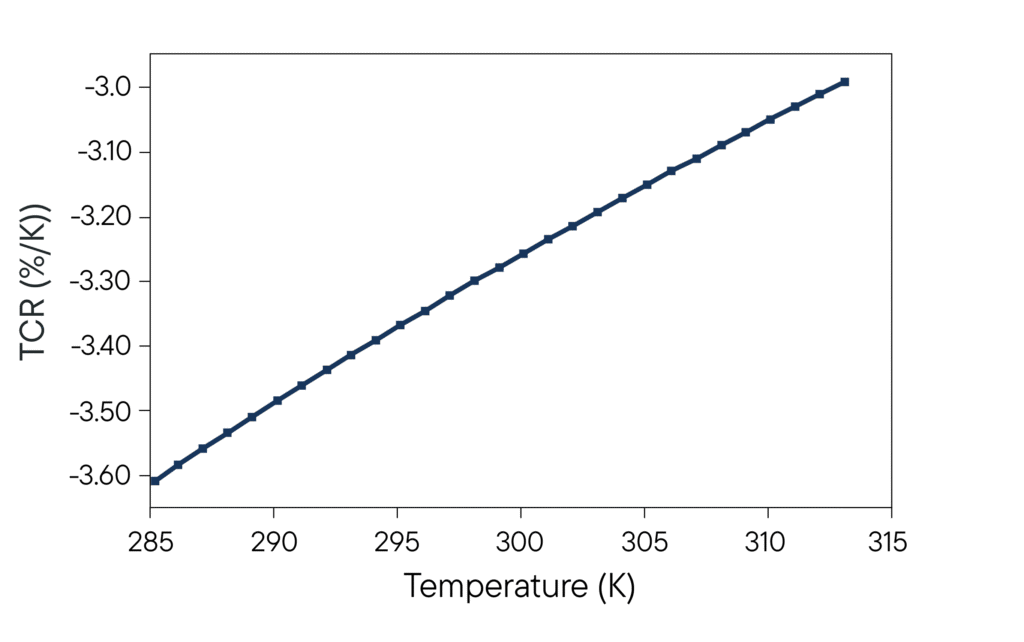
Thermal Characterization of Ge-Si-Sn-O Thin Films
The temperature dependence of electrical resistance is a critical parameter for the development of high-performance infrared sensors and microbolometers. This practical example demonstrates how Ge-Si-Sn-O thin films are fabricated using TFA L59 to evaluate their sensitivity and suitability for modern thermal imaging and sensor technologies.
Why Material Analysis Is Crucial for Wide-Bandgap Semiconductors
Power electronics systems are becoming increasingly compact and powerful. At the same time, the demands on efficiency, temperature resistance, and reliability are rising.
The combination of modern analytical methods makes it possible to:
Determination of Thermal Properties
Characterization of Electrical Transport Properties
Wide-bandgap semiconductors have a wider bandgap than conventional silicon. The most important examples include silicon carbide (SiC), gallium nitride (GaN), and aluminum nitride (AlN).
Why are SiC and GaN used in power electronics?
These materials enable higher switching frequencies, lower energy losses, higher power densities, and higher operating temperatures than conventional silicon devices.
What role does thermal conductivity play in wide-bandgap semiconductors?
Thermal conductivity determines how efficiently heat loss can be dissipated. It directly affects the performance and service life of electronic components.
Why are Hall effect measurements important for wide-bandgap semiconductors?
Hall-effect measurements make it possible to determine charge carrier concentration, mobility, and conductivity. These parameters are crucial for optimizing electronic components.
What measurement methods are suitable for analyzing SiC and GaN?
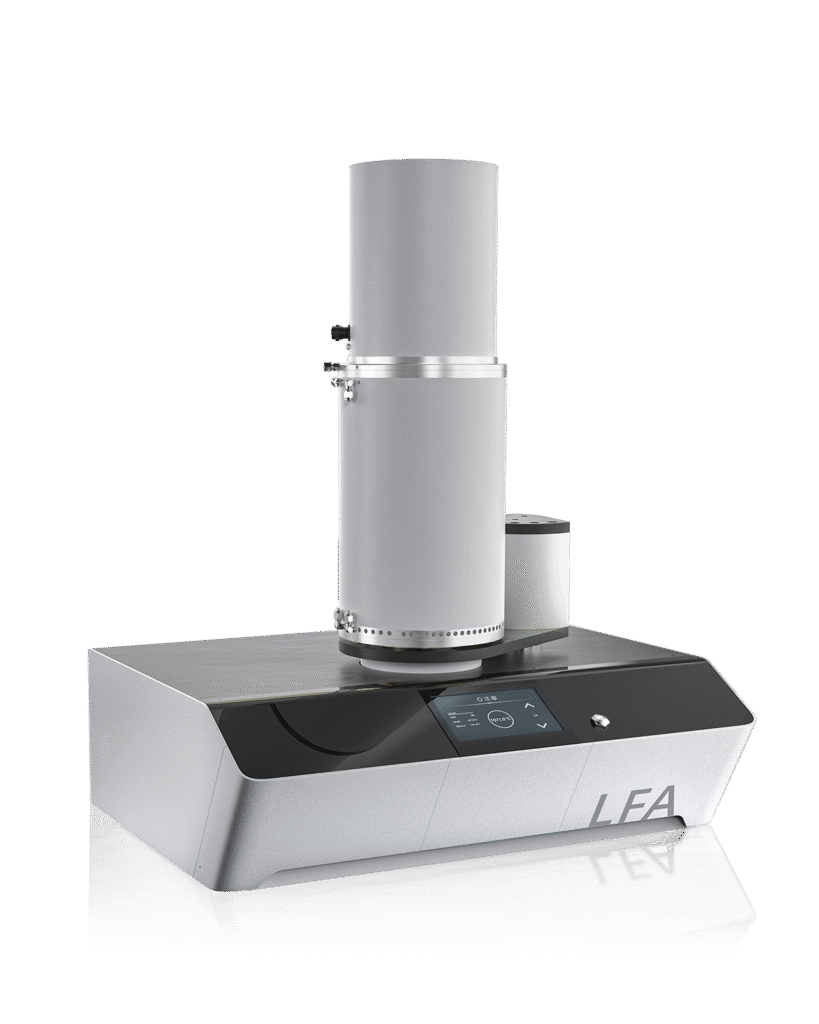
Depending on the research question, HCS, LFA, TF-LFA, TFA, DSC, and STA are used. Combining multiple techniques enables comprehensive material characterization.
In which industries are wide-bandgap semiconductors used?
They are used in electric mobility, charging infrastructure, renewable energy, industrial electronics, telecommunications, aerospace, and in high-temperature and high-performance applications.