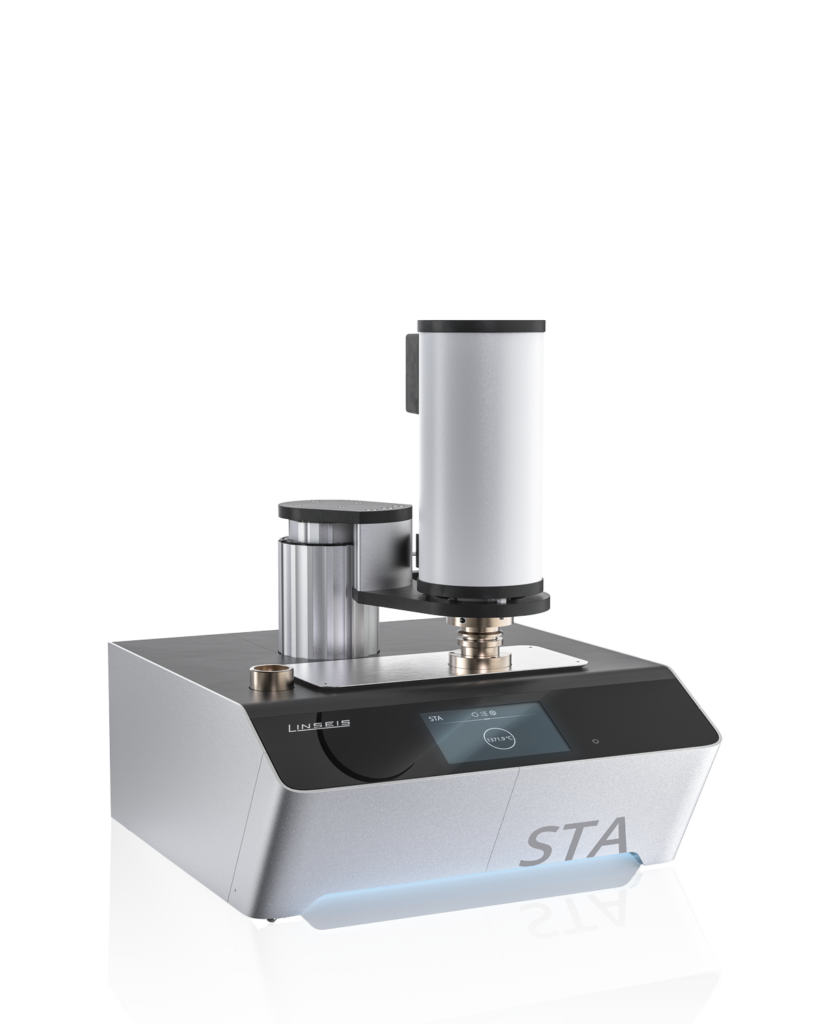
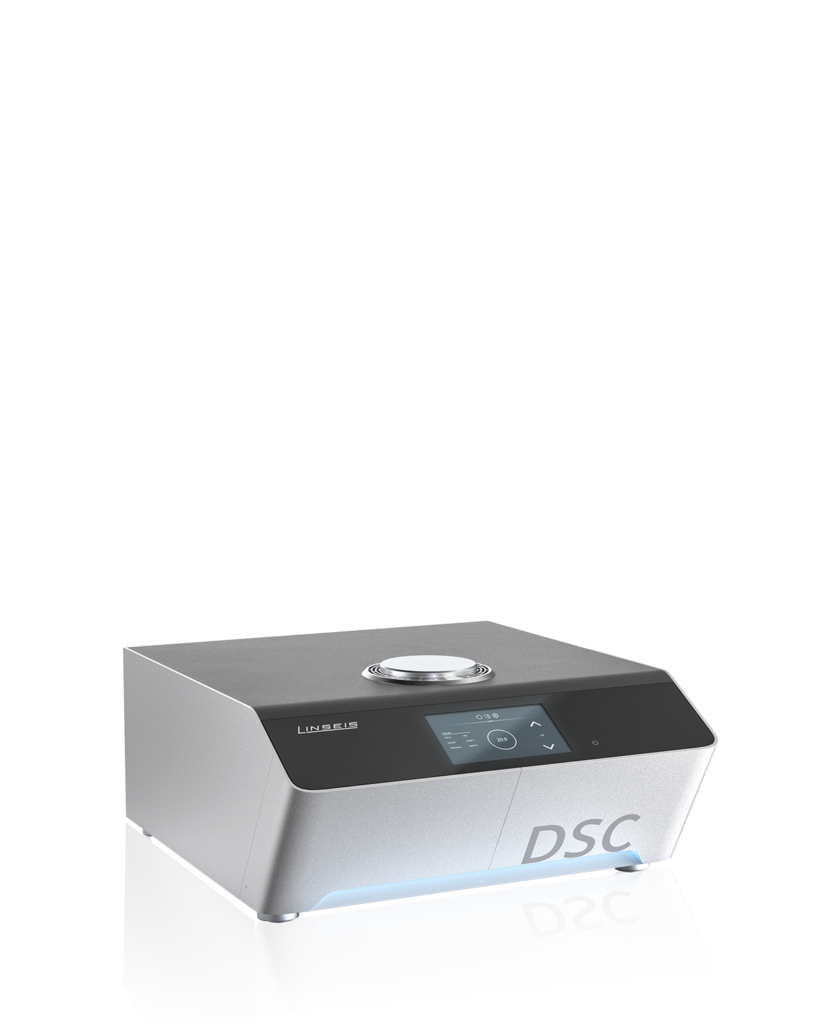
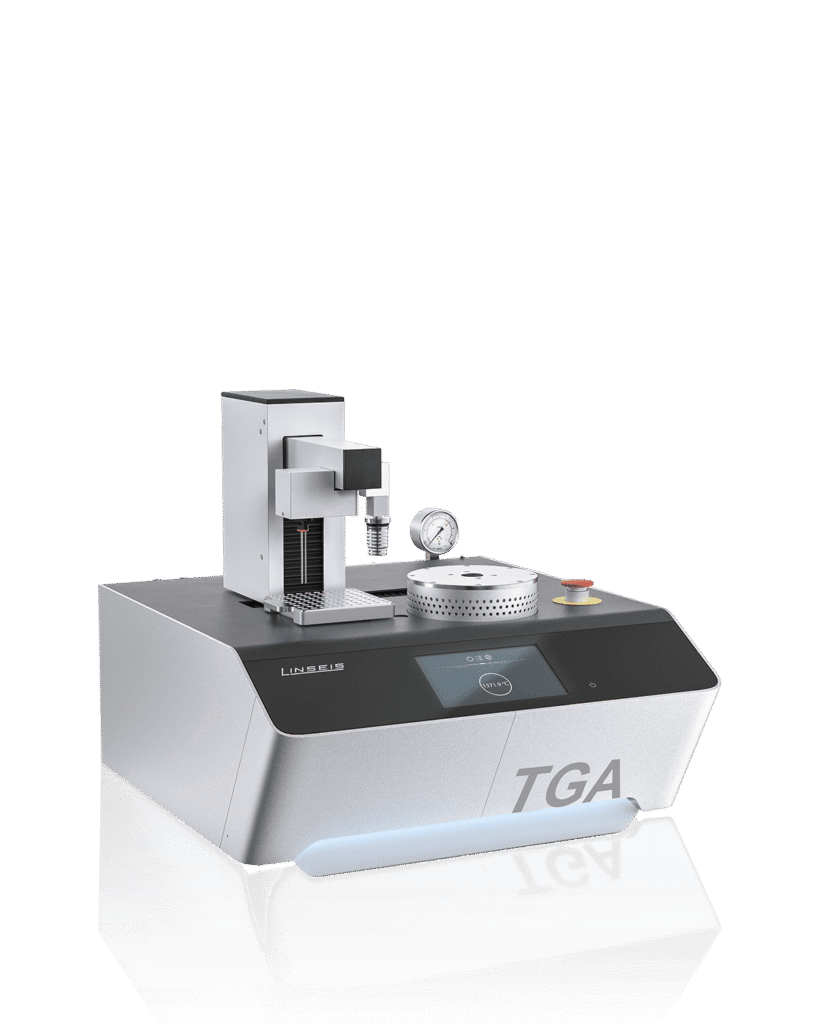
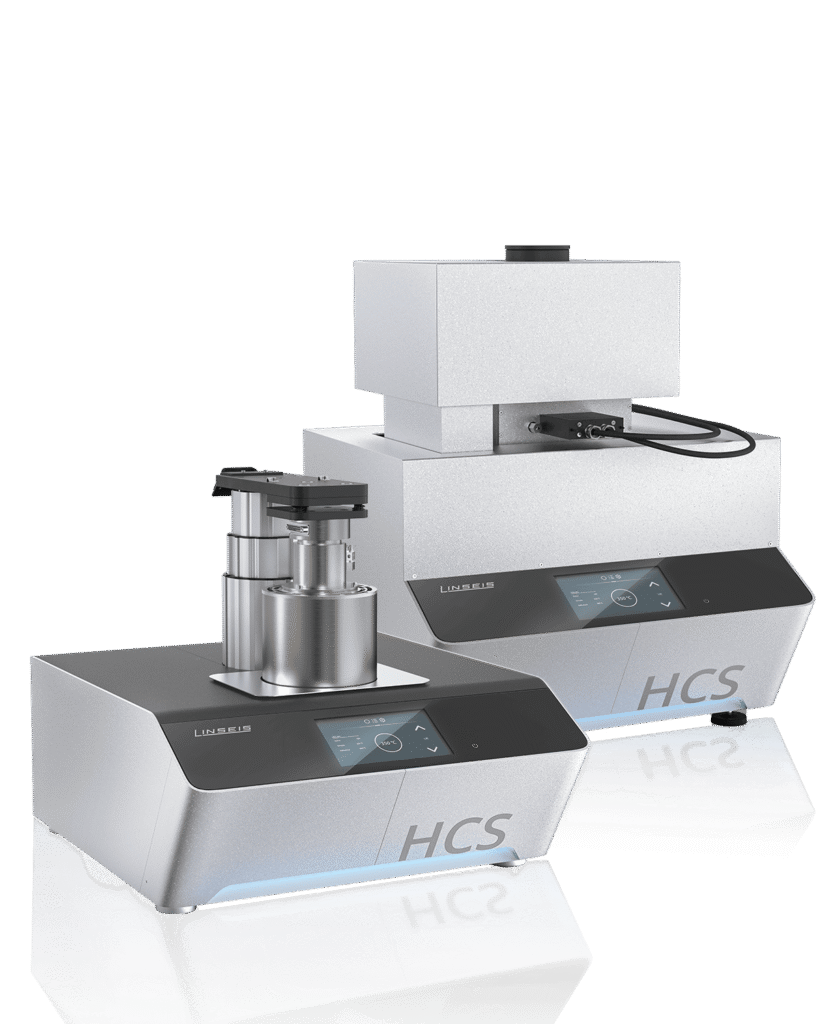
These measurement methods enable a detailed analysis of sintering processes, phase transformations, thermal expansion, thermal conductivity and material stability—from ceramic powders and green bodies to high-performance ceramics for the most demanding industrial applications.
With over 69 years of experience, LINSEIS develops customized solutions for a wide variety of ceramic materials, temperature ranges, and manufacturing processes. Our measurement systems support research, material development, process optimization, and quality control throughout the entire ceramic value chain. Discover our equipment or contact us for a personalized consultation.
Typical Applications in Ceramics and Technical Ceramics
Select your specific application to gain detailed insights into measurement methods and solutions.
High-Temperature Ceramics
Analysis of high-performance ceramics with regard to thermal expansion, phase stability, and thermal resistance.
Real-world measurements demonstrate how thermal material characterization is used to develop and optimize ceramic materials and manufacturing processes.
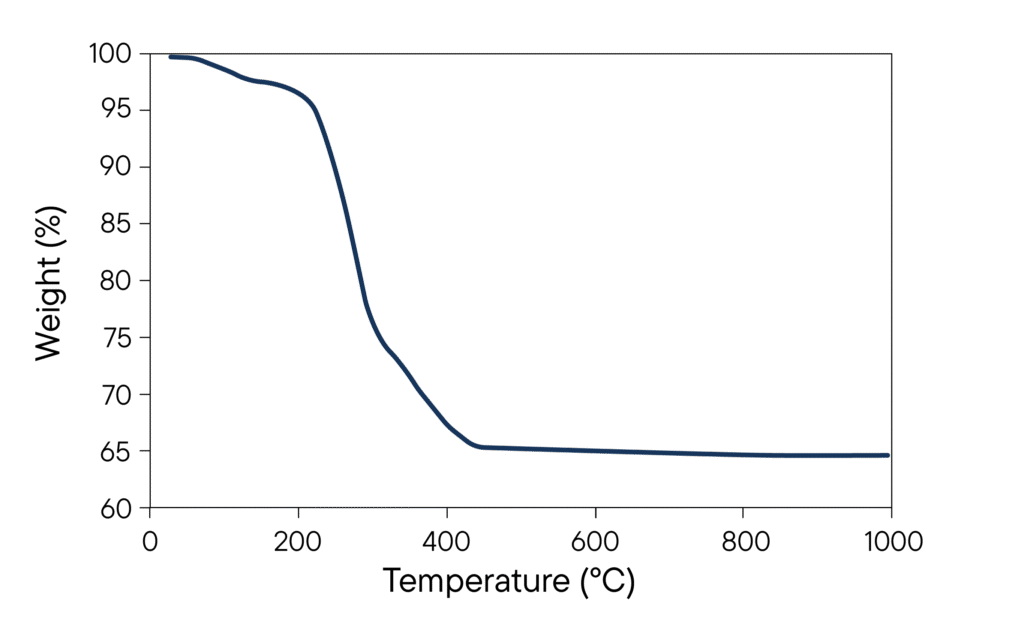
Characterization of the debinding behavior of LSCF green membranes using simultaneous thermal analysis
STA measurements using the LINSEIS STA L81 show the temperature-dependent debinding and decomposition behavior of asymmetric LSCF green membranes. The measurement results confirm the complete combustion of organic components and provide valuable insights for optimizing debinding and sintering processes, as well as for the production of high-quality ceramic components. Download the white paper to learn more about the complete measurement setup, thermogravimetric analysis, and the interpretation of the measurement results.
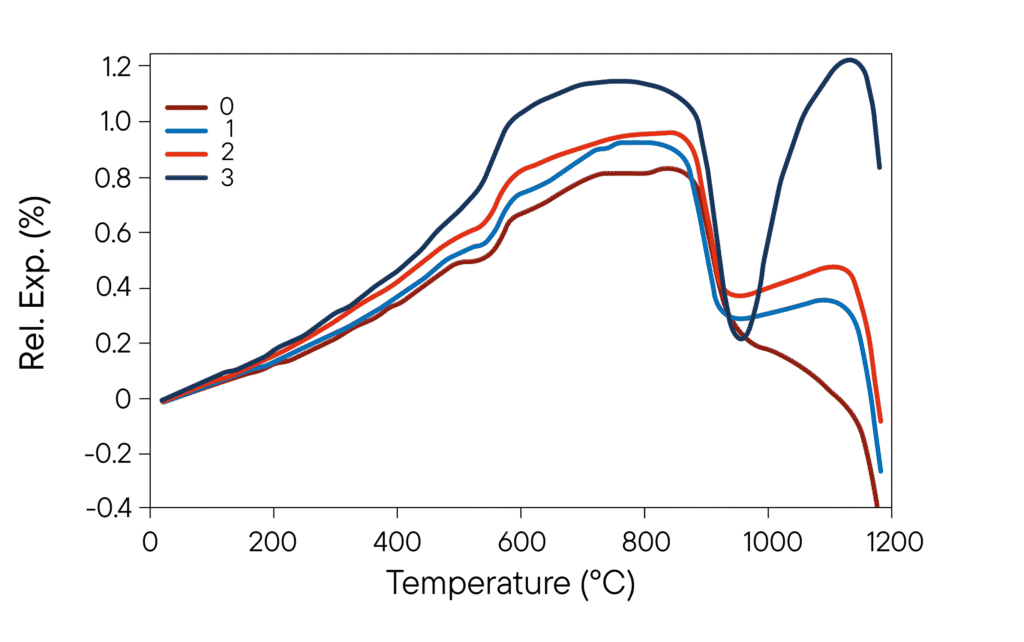
Thermal Expansion Behavior of Ca-Rich Ceramic Bodies
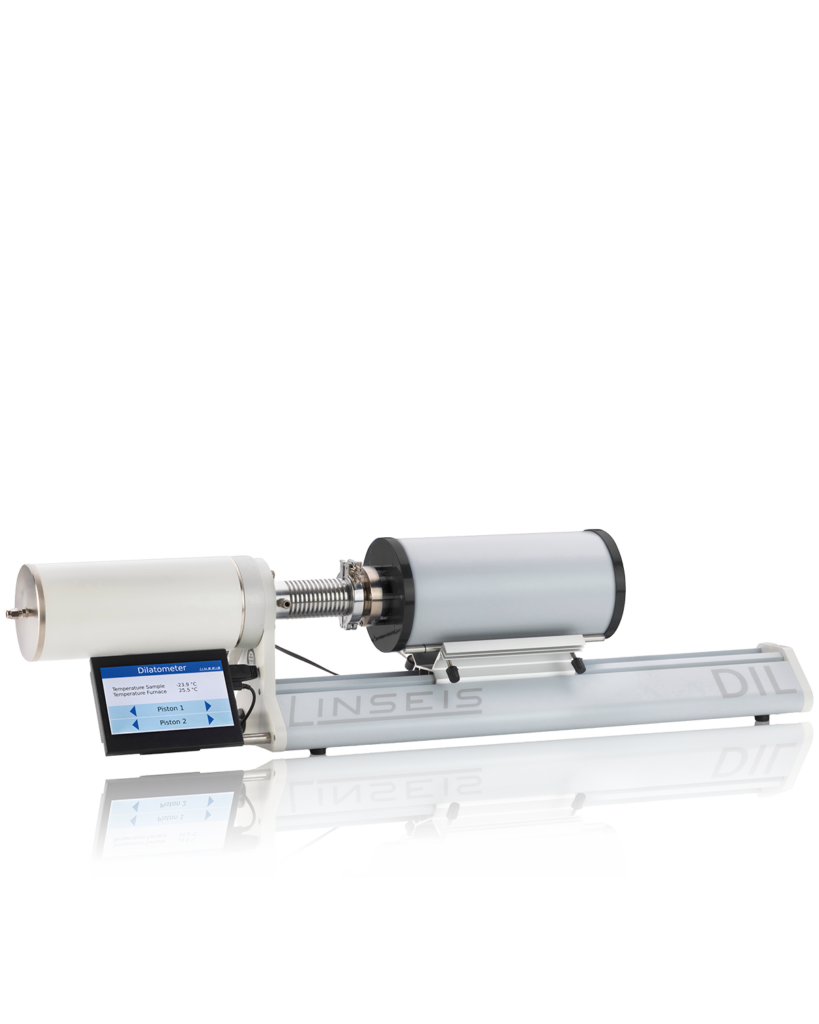
With the LINSEIS DIL L75 Horizontal was used to investigate the thermal expansion and sintering behavior of calcium-rich ceramic bodies. The dilatometry measurements provide valuable insights into phase transformations, shrinkage processes, and dimensional stability during the firing process and support the optimization of ceramic materials and industrial sintering processes.