Optical glasses form the foundation of modern technologies in the fields of photonics, laser technology, sensor technology, telecommunications, and precision optics. In addition to their optical properties, thermal and thermophysical material parameters, in particular, play a crucial role in the performance and long-term stability of optical components.
Changes in temperature can lead to thermal stresses, changes in the refractive index, or dimensional changes, thereby affecting optical performance. The precise characterization of thermal expansion, thermal conductivity, heat capacity, and thermal stability is therefore an essential part of the development of modern optical materials.
LINSEIS analytical instruments can be used to characterize optical glass throughout the entire development and production process—from material development to quality control.
Relevant Questions
How does the thermal expansion of optical glass change with temperature?
What types of thermal stresses can occur in optical components?
What is the thermal conductivity of the material?
How temperature-stable are optical properties and geometries?
What glass composition is suitable for high-performance optics?
How do temperature changes affect long-term stability?
Which materials are suitable for laser and photonics applications?
How can the material composition be optimized?
Relevant Material and Process Parameters
Parameter
Meaning
Coefficient of Thermal Expansion (CTE)
Dimensional Stability of Optical Systems
Thermal Conductivity
Heat Dissipation and Temperature Management
Thermal Diffusivity
Propagation of heat within a material
Glass transition temperature (Tg)
Operating and processing temperatures
Heat Capacity
Thermal Storage Behavior
Thermal Stability
Reliability under temperature stress
Homogeneity
Constant optical properties
Temperature Resistance
Long-term stability of optical components
Measurement Methods for Optical Glasses
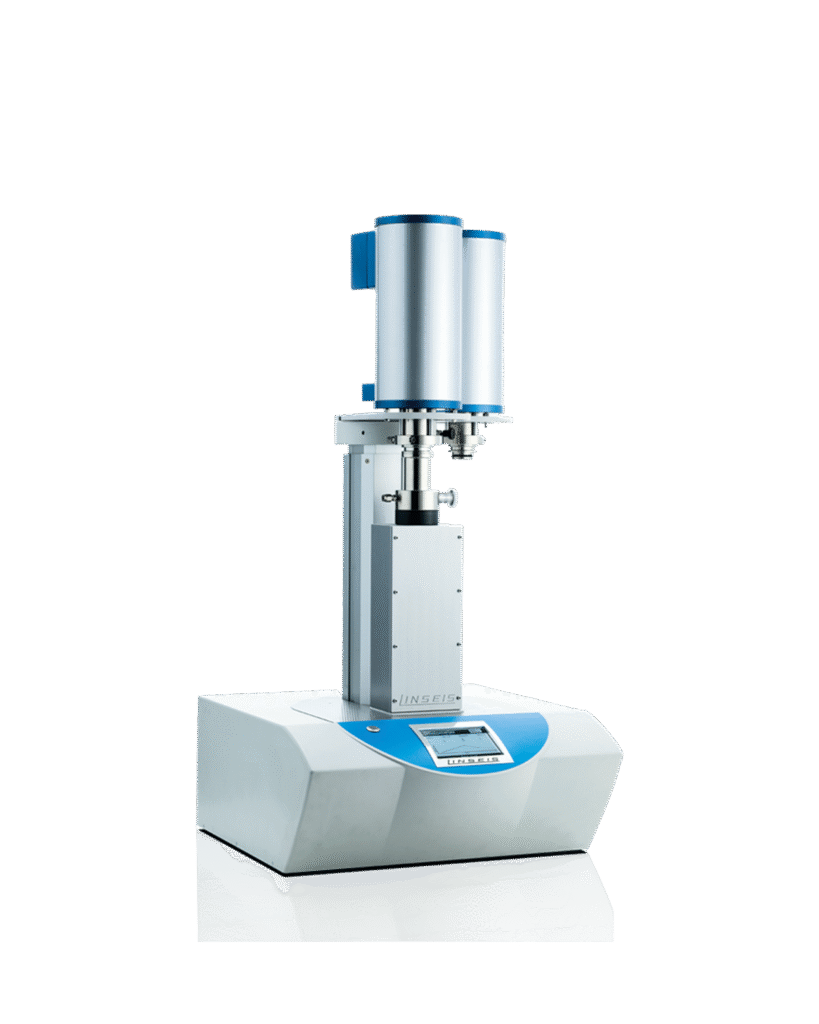
Dilatometry (DIL)
Determination of thermal expansion, glass transitions, and dimensional stability for optical glasses and photonic components.
Case Study: Thermal Characterization of a Specialty Optical Glass
Thermoviscoelastic Characterization of Optical Glass
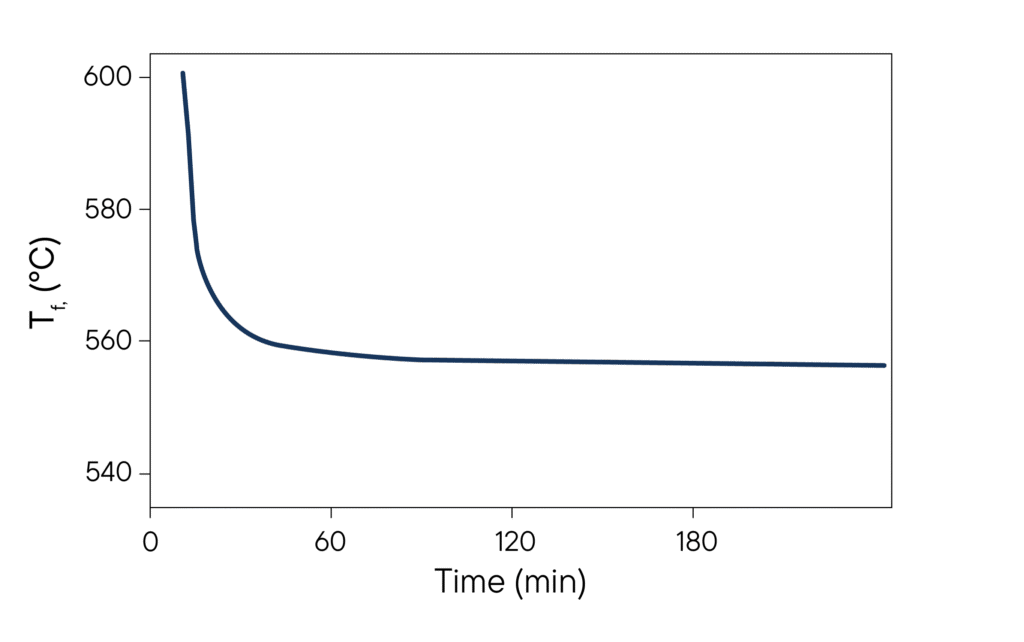
The deformation behavior of glass in the glass transition region is a critical factor in the manufacture of high-precision optical components. Using the LINSEIS DIL L75 Horizontal was used to perform creep tests on N-BK7 glass under conditions relevant to glass forming. The results provide valuable insights into the temperature-dependent thermoviscoelastic behavior and support the optimization of simulation models as well as modern glass forming processes.
Why Material Characterization of Optical Glasses Is Crucial
Optical systems must ensure the highest precision even under changing environmental conditions. Even slight thermal changes can affect the performance of lenses, fibers, laser systems, or photonic components.
The combination of modern analytical methods makes it possible to:
Determination of Thermal Expansion and Glass Transitions
Characterization of Thermal Conductivity and Thermal Diffusion
Thermal Stability Study
Assessment of Material Homogeneity and Process Quality
Analysis of Temperature-Dependent Material Properties
Why is thermal expansion important in optical glass?
Even slight changes in dimensions can affect the optical performance of lenses, mirrors, or optical fibers. Therefore, knowing the coefficient of thermal expansion is crucial.
What role does thermal conductivity play in optical components?
Good thermal conductivity helps dissipate waste heat and reduces thermally induced deformation in optical systems.
Why is the glass transition studied?
The glass transition defines important temperature ranges for the processing, use, and long-term stability of optical materials.
What measurement methods are suitable for optical lenses?
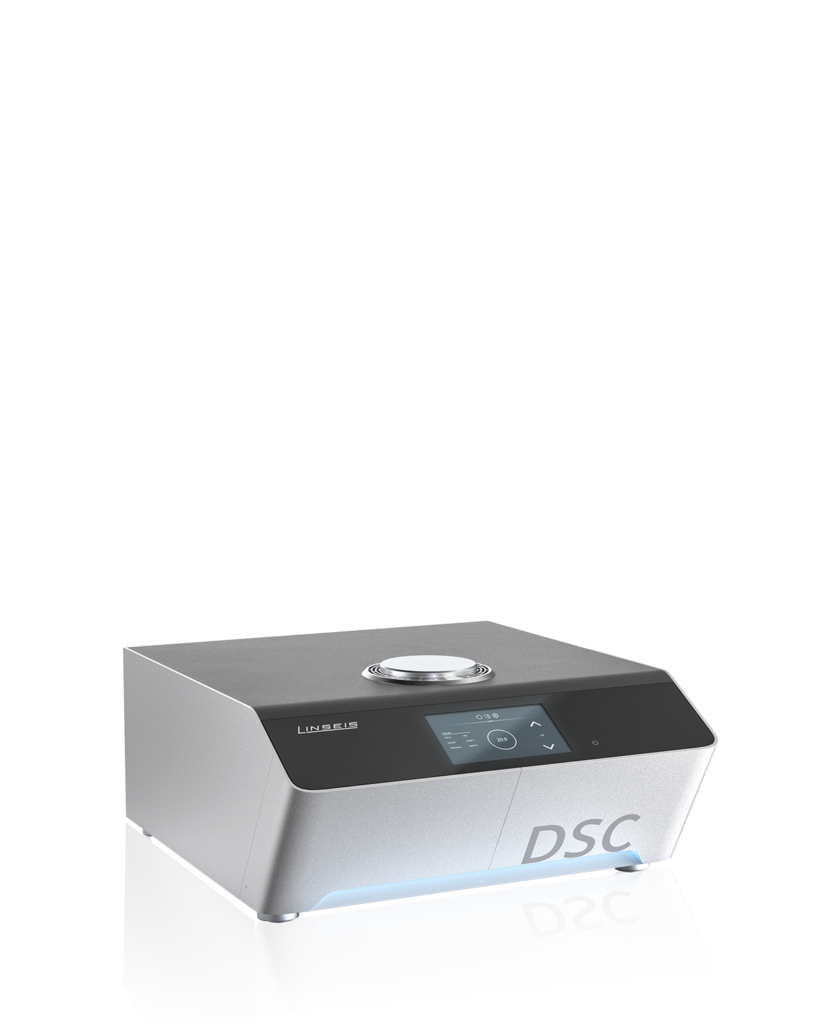
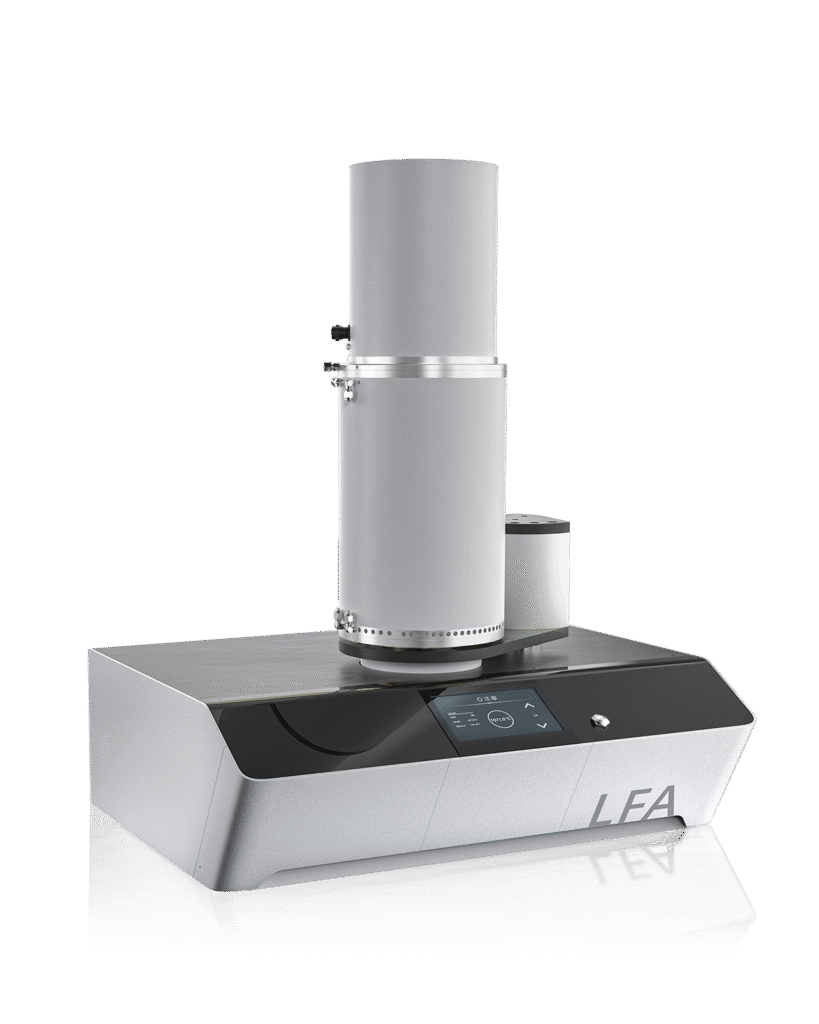
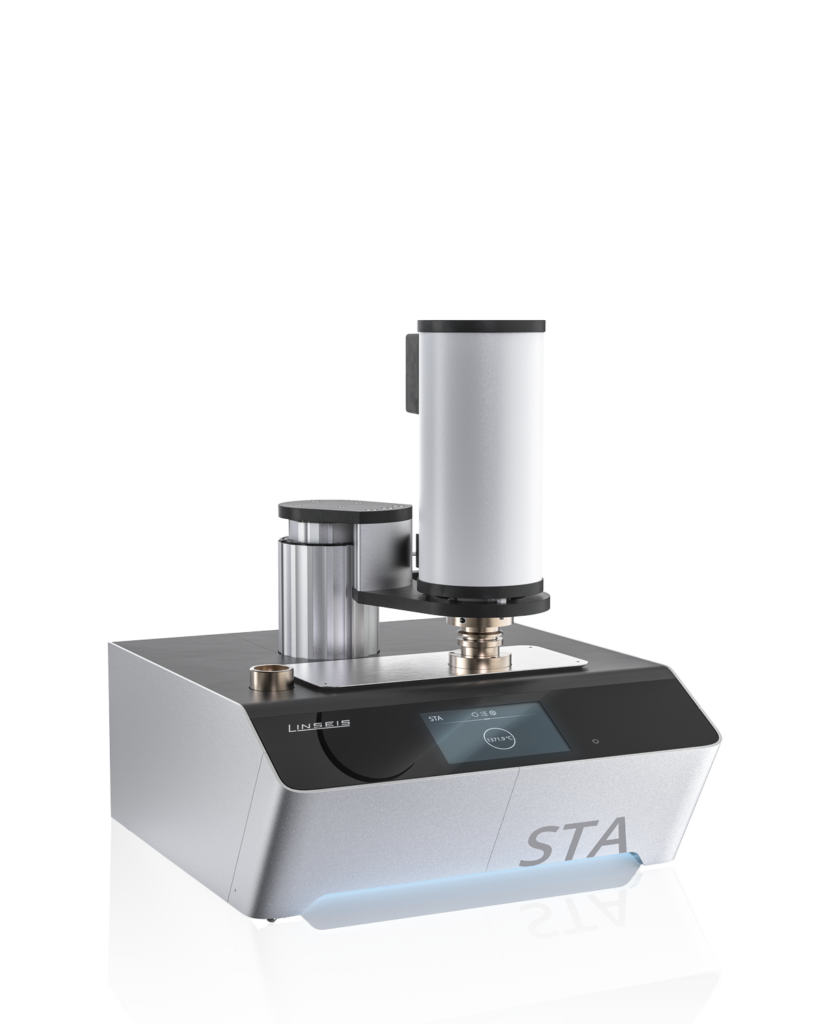
The most important methods include dilatometry (DIL), laser flash analysis (LFA), differential scanning calorimetry (DSC), and simultaneous thermal analysis (STA).
Which applications benefit from the characterization of optical glasses?
Photonics, laser technology, fiber-optic technology, sensor technology, telecommunications, precision optics, and scientific instrumentation all benefit from detailed material characterization.
Why is thermal stability critical for optical systems?
Temperature-induced changes in materials can affect optical accuracy and reliability. Thermal characterization helps identify and minimize these effects early on.