High-temperature ceramics are used wherever metals reach their limits. Thanks to their outstanding temperature resistance, corrosion resistance, and mechanical strength, they are used in the aerospace, energy technology, metallurgy , and in industrial high-temperature processes.
The performance of ceramic materials is largely determined by their thermal and thermophysical properties. Thermal expansion, thermal conductivity, heat capacity, phase stability, and sintering behavior all influence both the manufacturing process and the long-term reliability of ceramic components under extreme conditions.
LINSEIS analytical instruments can be used to characterize high-temperature ceramics throughout the entire development and manufacturing process—from ceramic powders through the sintering process to the quality control of finished components.
Relevant Questions
How does thermal expansion change at high temperatures?
What is the thermal conductivity of the ceramic across the entire temperature range?
When do phase transformations or sintering processes begin?
What temperature limits can be maintained over the long term?
How does the material behave under cyclic thermal stress?
Which materials are suitable for extreme high-temperature applications?
How does the microstructure affect the thermal properties?
How can ceramic materials be optimized for maximum service life?
Relevant Material and Process Parameters
Parameter
Meaning
Thermal Expansion
Dimensional stability at high temperatures
Thermal Conductivity
Heat Transfer and Insulation Properties
Thermal Conductivity
Rate of heat transfer
Heat Capacity
Heat storage capacity
Phase Stability
High-Temperature Behavior
Sintering Behavior
Density Development and Microstructure Formation
Thermal Stability
Long-Term Behavior Under Temperature Stress
Oxidation Resistance
Resistance to aggressive atmospheres
Measurement Methods for High-Temperature Ceramics
Dilatometry (DIL)
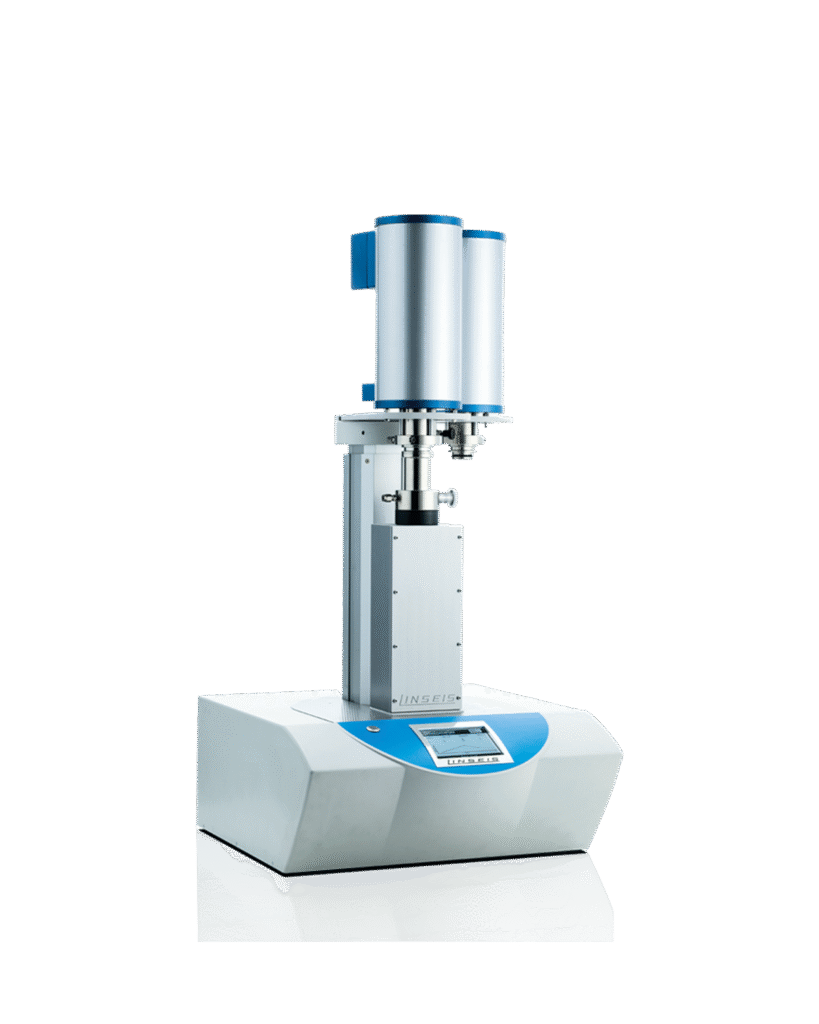
Precise investigation of thermal expansion, sintering behavior, and phase transformations in ceramic materials up to the highest temperature ranges.
Case Study: Thermal Conductivity of High-Temperature Ceramics
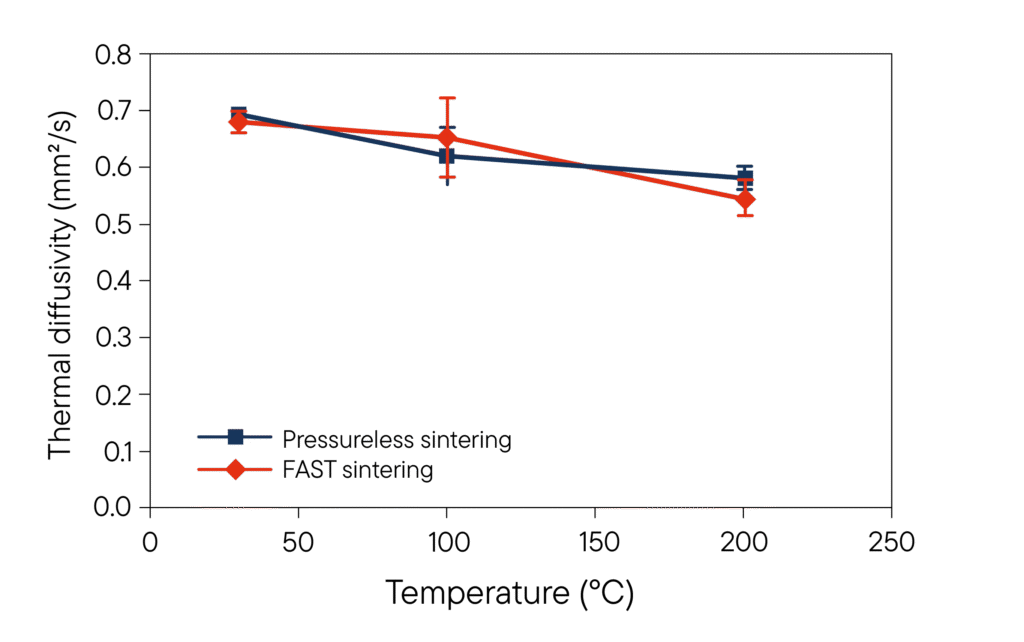
Thermal Diffusion Coefficient of High-Entropy Pyrochlore Ceramics
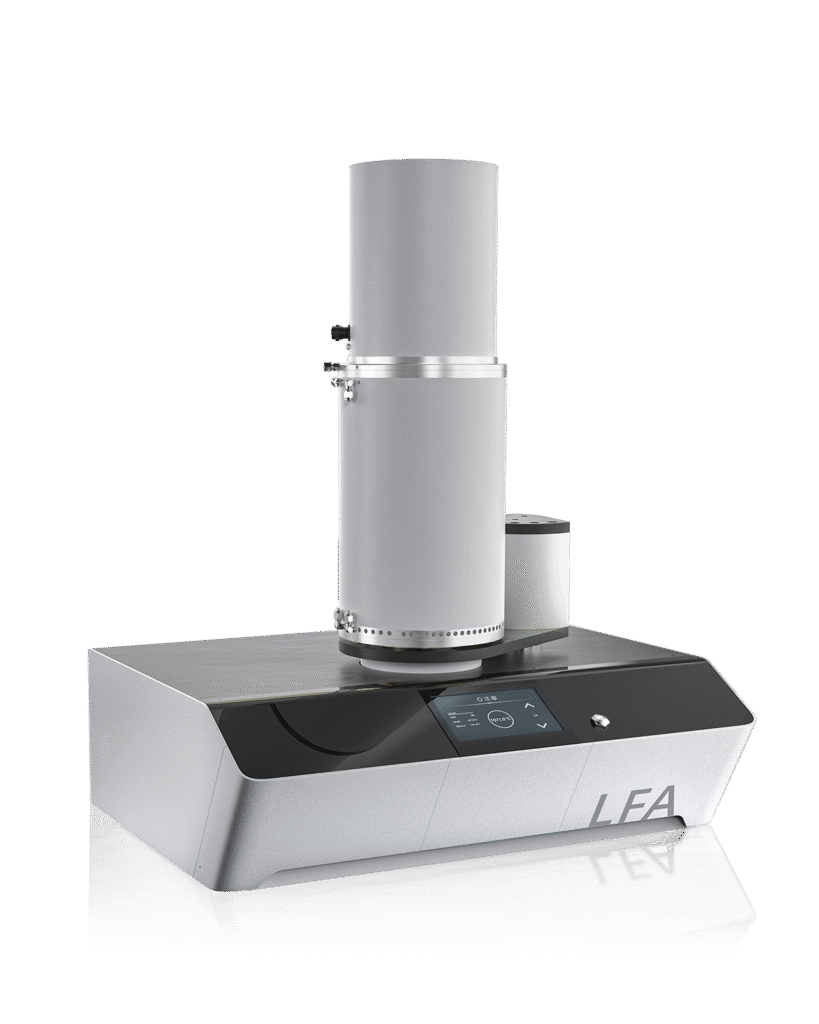
With the LINSEIS LFA L52 was used to investigate the thermal conductivity of high-entropy pyrochlore ceramics, which are used as thermal barrier coatings for high-temperature applications. The measurements demonstrate the influence of different sintering processes on heat transport and provide valuable insights into thermal insulation performance as well as the optimization of modern high-temperature materials for energy, aerospace, and aviation applications.
Why Material Characterization of High-Temperature Ceramics Is Critical
High-temperature ceramics are used under extreme thermal and mechanical stresses. Even slight changes in material properties can significantly affect service life, energy efficiency, and operational safety. Comprehensive material characterization makes it possible to optimize materials in a targeted manner and to reliably monitor manufacturing processes.
The combination of modern analytical methods makes it possible to:
Precise Determination of Thermal Expansion
Analysis of Thermal Conductivity
Investigation of Phase Transitions
Optimization of Sintering Processes
Assessment of Thermal Stability
Quality Control of High-Performance Ceramic Materials
Why is thermal conductivity so important in high-temperature ceramics?
Low thermal conductivity protects components from extreme heat and improves energy efficiency. For this reason, high-temperature ceramics are often used as thermal barrier coatings or insulation materials.
What measurement methods are suitable for high-temperature ceramics?
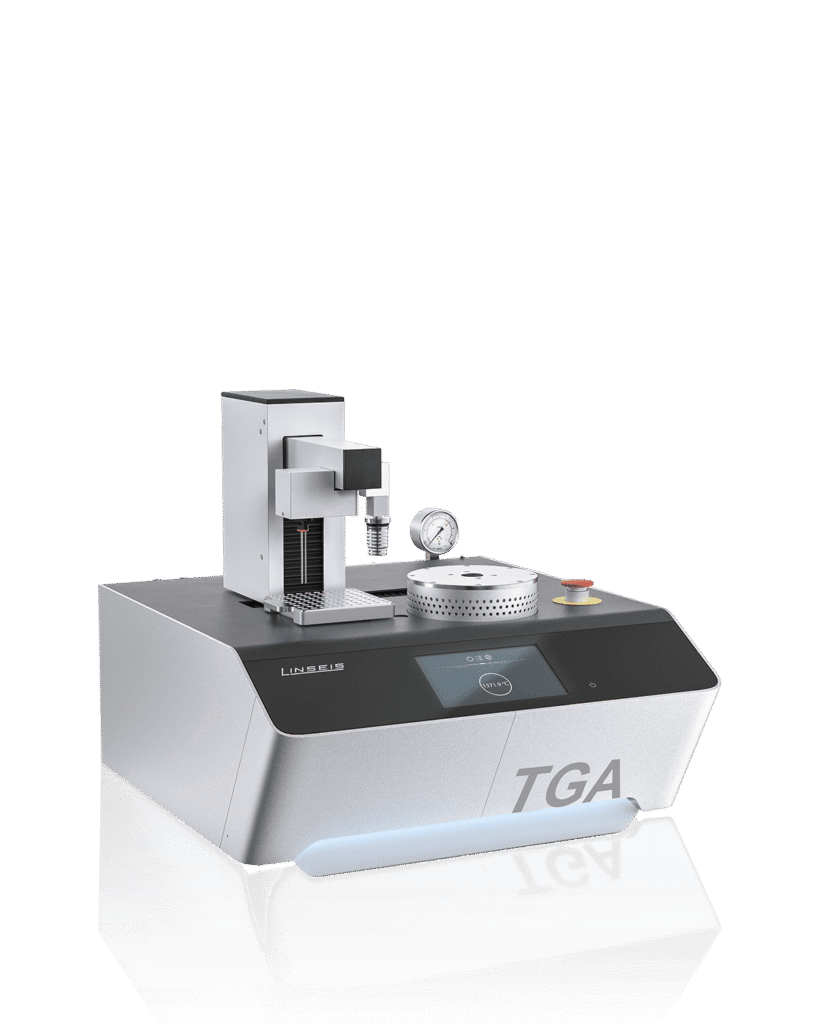
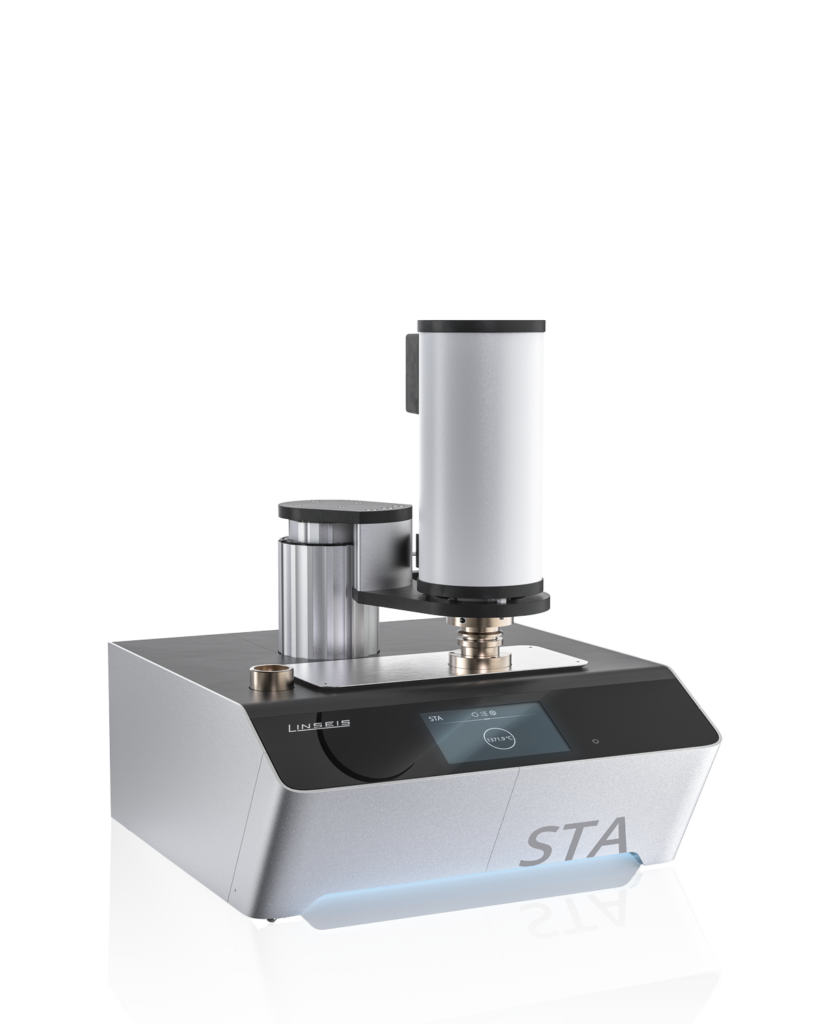
Laser Flash Analysis (LFA) determines thermal conductivity and temperature conductivity, while dilatometry examines sintering and expansion behavior. STA and DSC complement this characterization by providing information on thermal stability, phase transitions, and heat capacity.
Why is sintering behavior studied?
Sintering behavior influences the density, microstructure, and mechanical properties of ceramic materials. Analyzing this behavior helps optimize firing profiles and ensure reproducible material properties.
Which applications benefit from high-temperature ceramics?
High-temperature ceramics are used in applications such as gas turbines, thermal protection systems, fuel cells, high-temperature furnaces, power plants, the aerospace industry, and the semiconductor industry.
What materials can be analyzed using LINSEIS systems?
The measurement systems are suitable for oxide ceramics, non-oxide ceramics, pyrochlores, zirconia, alumina, silicon nitride, silicon carbide, and other engineering and refractory ceramics.
Why is it beneficial to combine different measurement methods?
Only the combination of LFA, DIL, STA, and DSC enables a comprehensive evaluation of thermal and thermophysical properties. This allows for efficient and reliable material development, process optimization, and quality assurance.