Batteries are a key technology in the energy transition and form the foundation for electric mobility, stationary energy storage, and portable electronics. The requirements for safety, energy density, service life, and fast-charging capability are constantly increasing and require a deep understanding of the materials used and their thermal properties.
Modern analytical methods make it possible to study electrode materials, electrolytes, separators, and complete battery systems under conditions that closely mimic real-world conditions. The data obtained supports the development of high-performance, safe, and long-lasting energy storage systems.
With over 69 years of experience, LINSEIS offers solutions for characterizing battery materials in research, development, and industrial quality control.
Relevant Questions
How do battery materials behave at elevated temperatures?
What reactions lead to aging and a loss of capacity?
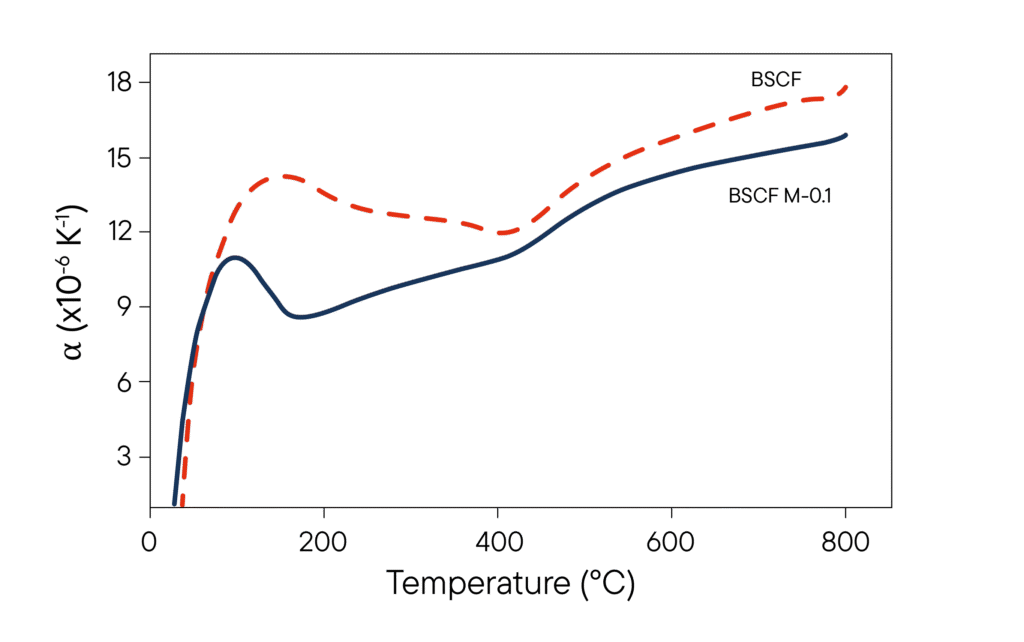
Low Thermal Expansion of the BSCFM-0.1 Cathode Material for Solid Oxide Fuel Cells
Measurements with the Linseis DIL L76 demonstrate the reduced thermal expansion of BSCFM-0.1 cathode materials for solid oxide fuel cells. Download the white paper to learn more about the measurement setup, the dilatometry data, and their significance for the development of long-lasting SOFC systems.
Why Materials Analysis Is Crucial for Battery Technologies
The development of modern battery systems requires detailed knowledge of thermal, physical, and electrochemical processes. Even minor changes in material composition or cell design can significantly affect safety, performance, and lifespan.
The combination of modern analytical methods makes it possible to:
Investigation of Thermal Runaway Processes
Optimization of Loading and Unloading Behavior
Analysis of Aging and Degradation Mechanisms
Evaluation of Electrode and Electrolyte Materials
Development of Safe Battery Systems
Optimization of Thermal Management
Applications – Energy & Batteries
FAQ – Battery Analysis
What measurement methods are suitable for characterizing battery materials?
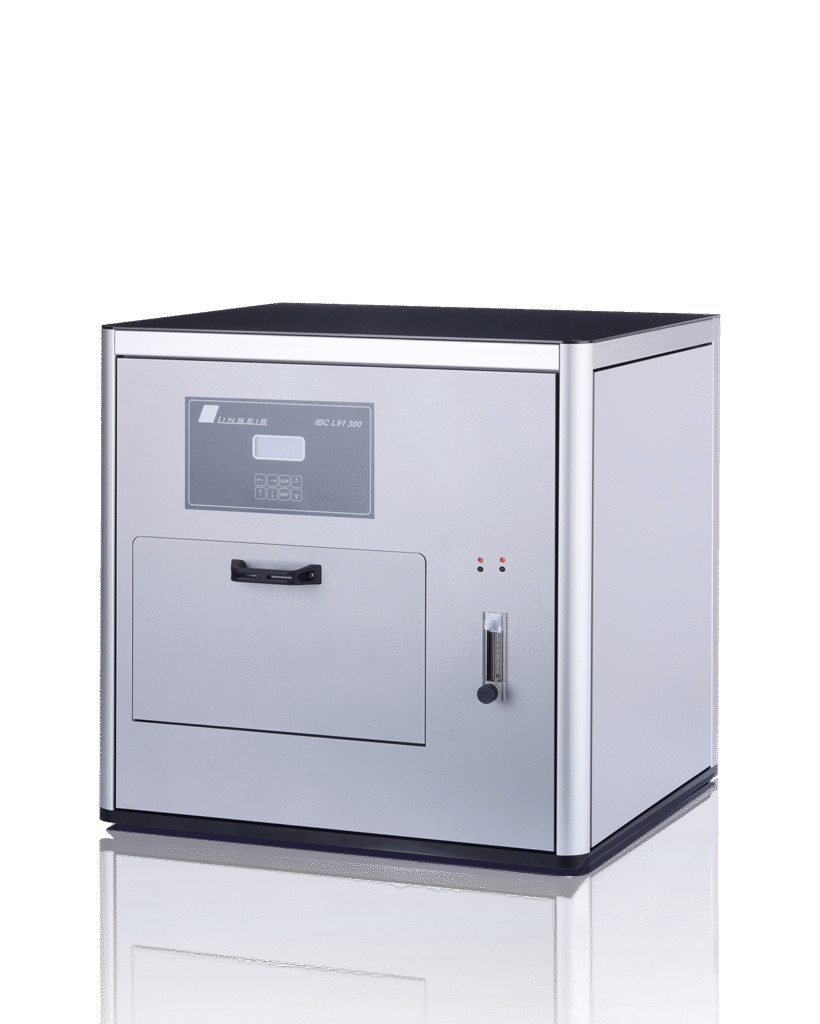
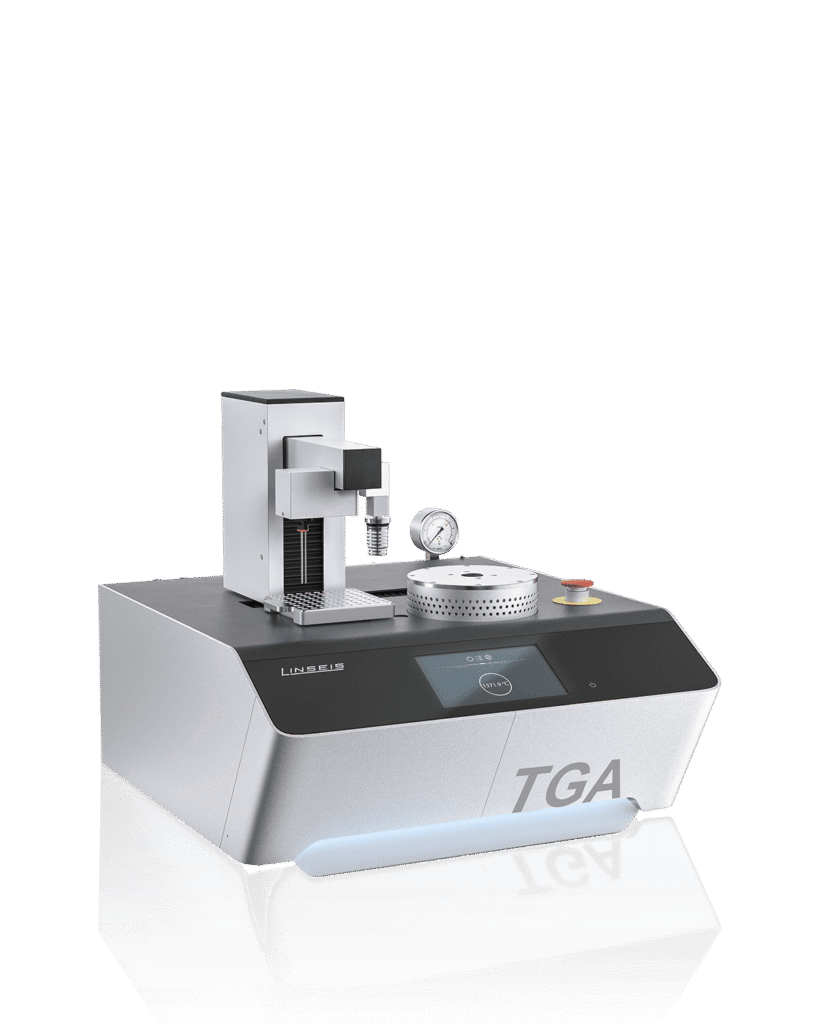
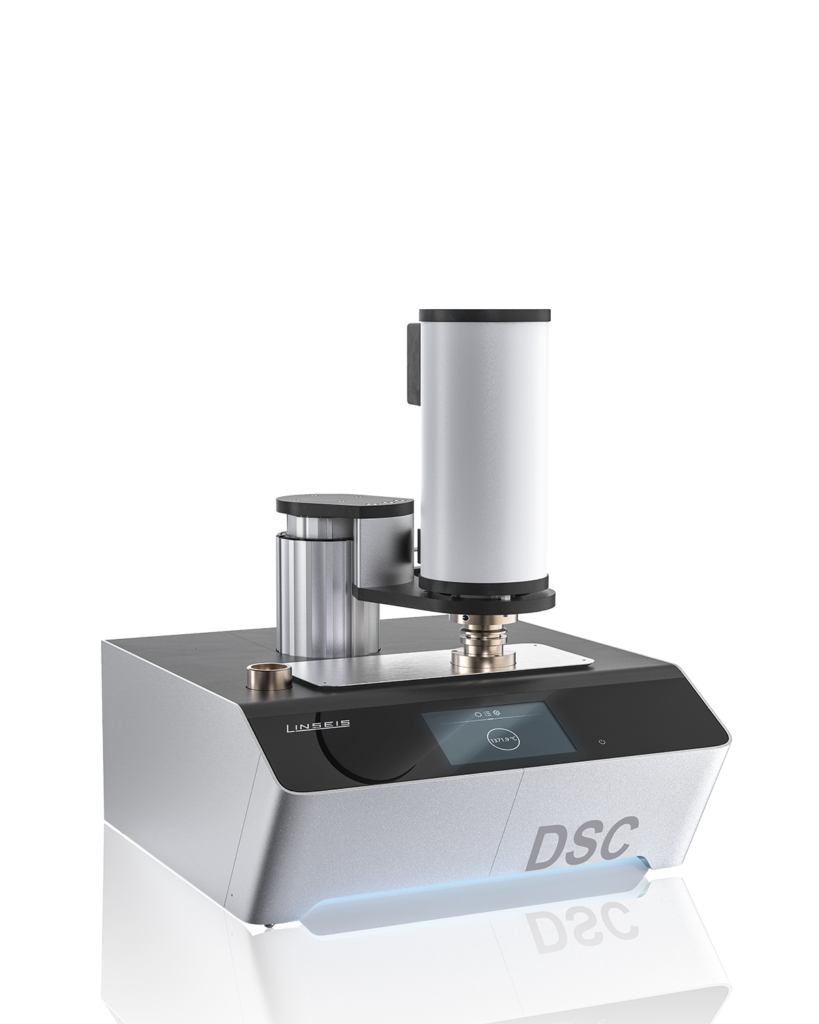
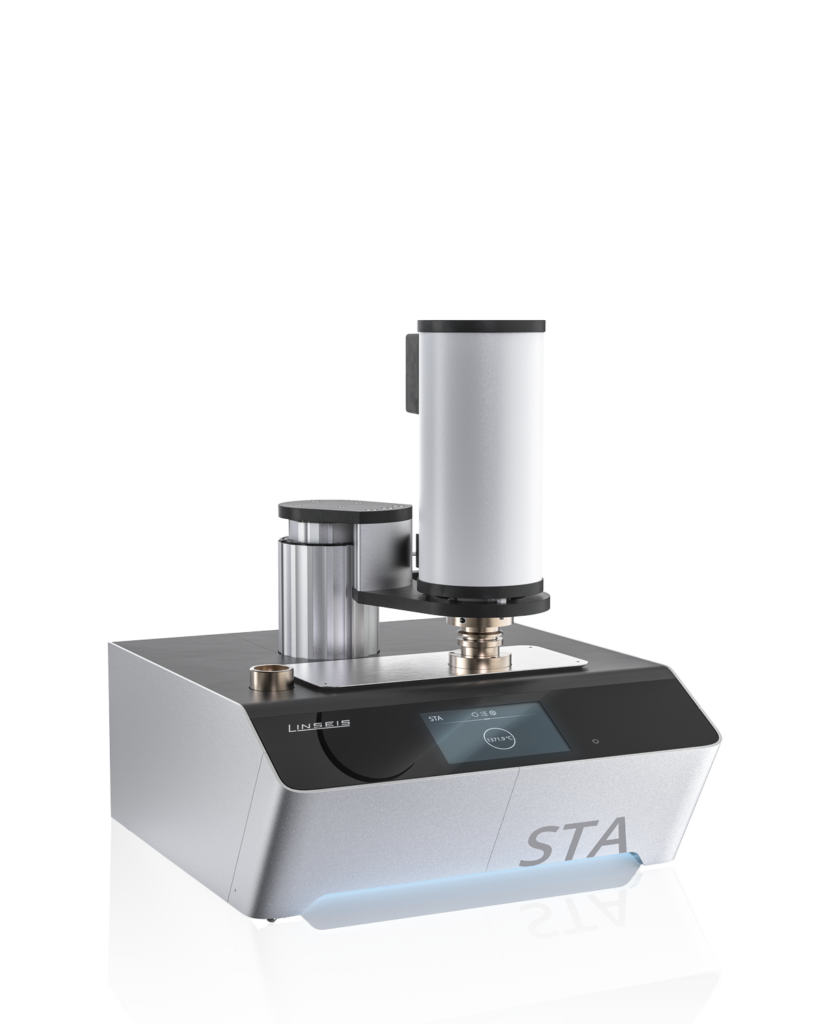
Modern battery systems are designed using methods such as DSC, STA, TGA, Battery Calorimetry (IBC), dilatometry and thermal conductivity analysis are examined. These methods provide information on the safety, aging, thermal stability, and thermal management of battery materials and complete cells.
Why is heat generation in batteries so important?
The heat generated during charging and discharging affects the performance, service life, and safety of battery systems. A precise analysis of heat generation helps optimize cooling designs and reduce the risk of thermal overload.
What can thermal analysis reveal about batteries?
Thermal analysis methods enable the study of phase transitions, decomposition reactions, aging processes, and thermal stability. In addition, they can be used to identify critical temperatures that are crucial for safety and performance.
What role does thermal conductivity play in battery systems?
Thermal conductivity determines how efficiently heat is dissipated within a battery cell or battery pack. Optimized heat distribution improves service life, increases operational reliability, and supports fast-charging applications.
How are solid-state batteries characterized?
Solid-state batteries are being studied in terms of thermal stability, thermal expansion, material compatibility, and aging behavior. Methods such as DSC, STA, dilatometry, and thermal conductivity analyses provide important data for the development of high-performance solid-state batteries.
Why is battery calorimetry important for the development of modern batteries?
Battery calorimetry measures heat generation directly during operation. This allows for the early detection of efficiency losses, aging processes, and safety-related events, and enables the targeted optimization of new battery systems.