
Analysis of thermoelectric materials – the figure of merit and its measurement
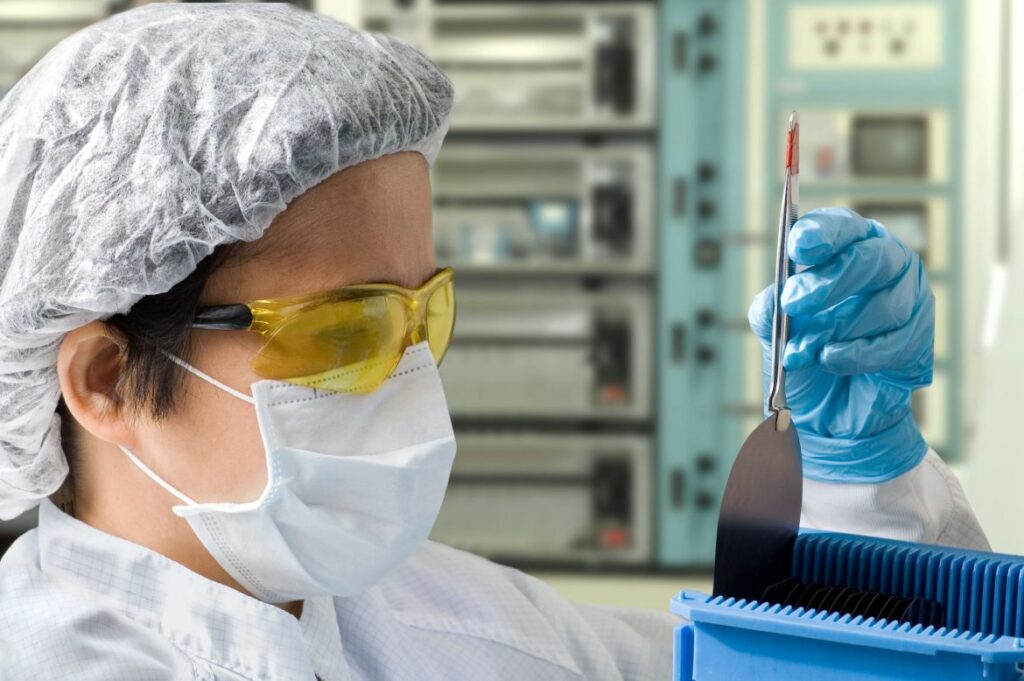
Thermoelectric materials can convert heat directly into electrical energy. This property is based on the Seebeck effect, in which a temperature difference applied to a material generates a voltage.
What does thermal conductivity mean?

In general, the thermal conductivity of the expression is the amount of heat that flows through a 1x1x1m cube of a material within 1 second if there is a temperature gradient of exactly 1 K between two opposite sides.
3D printing with metals – Thermal analyses
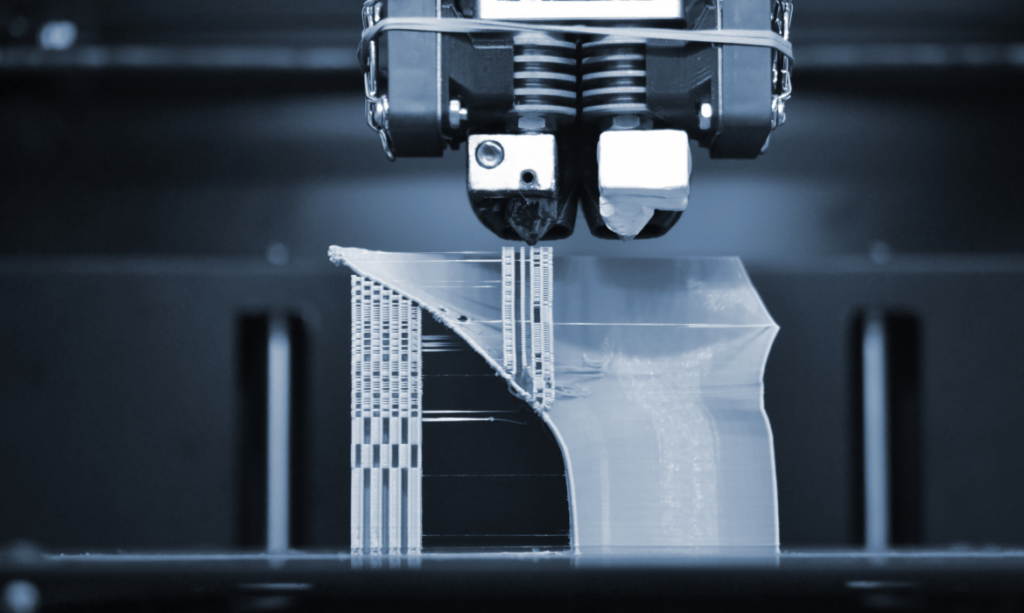
Metals are used almost everywhere in many industrial sectors for a wide variety of purposes.
Raman spectroscopy with DSC

Raman spectroscopy is a technique for investigating molecules and determining their structure and dynamics.
Determination of the CTE density

The thermal expansion of materials can lead to major economic damage. In the construction industry, for example, expansion joints must be provided to compensate for changes in length due to temperature fluctuations.
Thermal Impedance
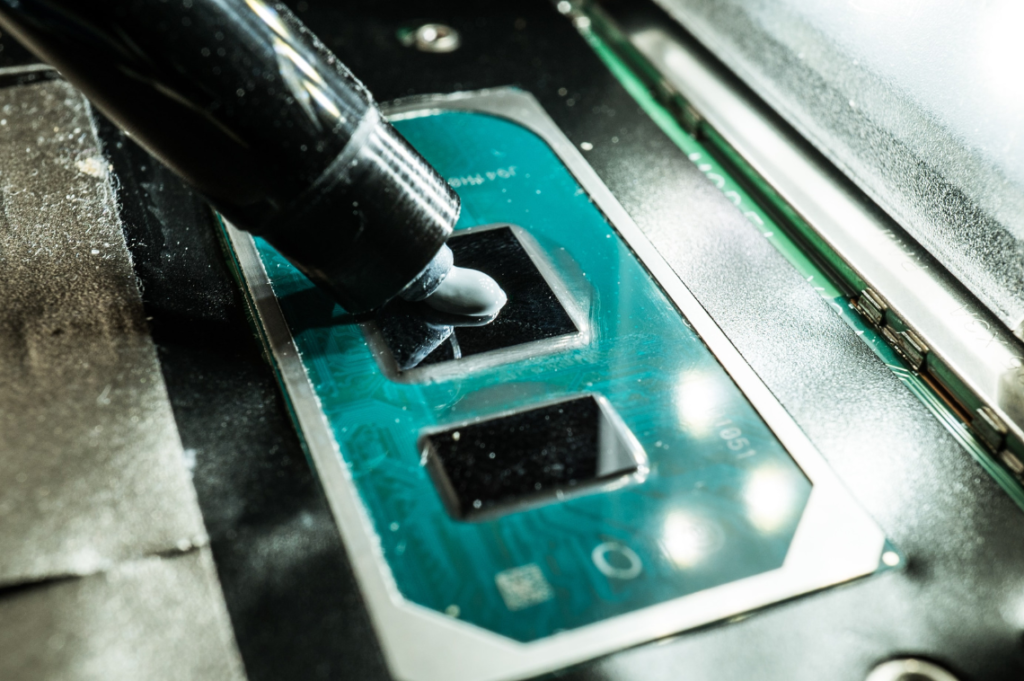
Thermal management is a decisive factor in electronic devices, as overheating of components can lead to failures. The aim is therefore to transfer the heat generated by the electronics to a cooling device, e.g. a heat sink or heat sink.
Deformation techniques of metals
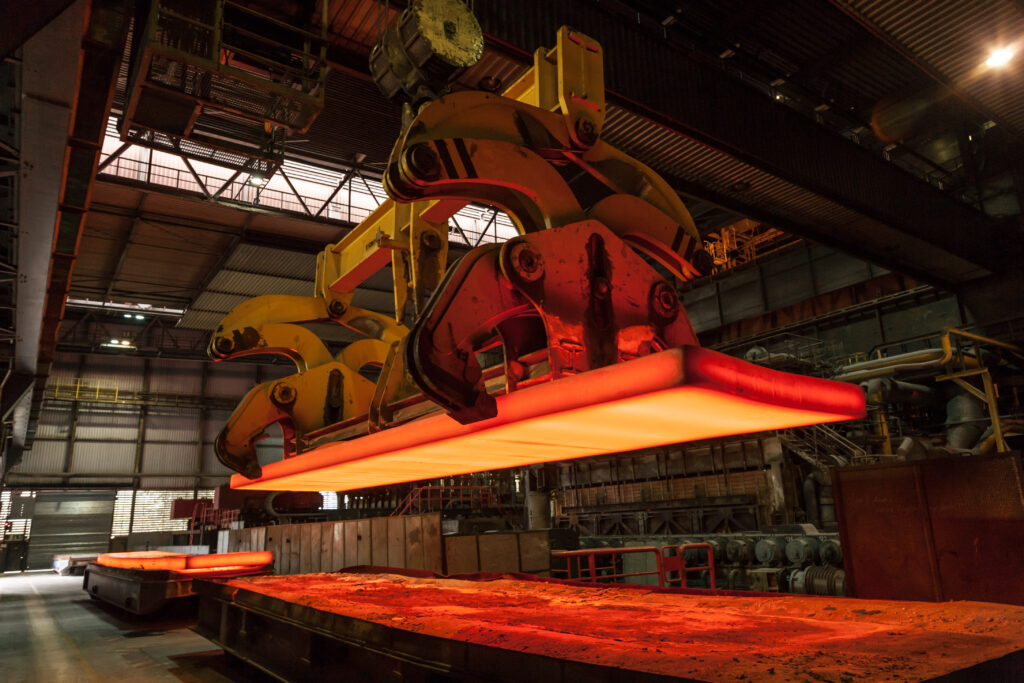
The deformation of metals is a crucial process in modern industry, with a wide range of applications from automotive manufacturing to aerospace.
Phase change analysis with DSC

What is a phase transition – Materials can be categorized and described in different ways. This can be based on their external appearance, certain physical parameters or more subjective impressions such as smell or taste.
DC and AC Hall Effect Measurements

The investigation of the Hall effect of a material is used specifically to determine the Hall coefficient as well as the charge carrier concentration, the charge carrier type and the mobility.
Polyamides: An Overview

Polyamides often present themselves as semi-crystalline materials with a mixture of ordered, crystalline structures and disordered, amorphous areas.