Proteins are among the most sensitive biological macromolecules and form the basis of numerous active pharmaceutical ingredients, vaccines, antibodies, and biotechnology products. Even slight changes in temperature, pH, or formulation can affect their three-dimensional structure and, consequently, their biological function.
Modern thermoanalytical methods enable the study of protein folding, denaturation, aggregation, and molecular interactions. They provide critical information for the development of stable formulations, the optimization of manufacturing processes, and the assurance of product quality throughout the entire life cycle.
LINSEIS analytical instruments enable the characterization of proteins and other biomolecules with high sensitivity and minimal sample requirements—from basic research to pharmaceutical quality control.
Relevant Questions
At what temperature does a protein denature?
How stable is a protein formulation?
What effect do buffers or excipients have on stability?
How do storage conditions affect protein structure?
When do aggregation processes occur?
How do ligands or antibodies alter protein structure?
Which formulation offers the highest long-term stability?
How can sensitive biopharmaceuticals be optimized?
Relevant Material and Process Parameters
Parameter
Meaning
Denaturation Temperature (Tm)
Thermal Stability and Folding State of Proteins
Denaturation Enthalpy
Energy required for protein unfolding
Protein Folding
Assessment of the native protein structure
Aggregation
Stability and Long-Term Behavior of Biological Formulations
Heat Capacity (Cp)
Characterization of thermal structural changes
Binding Enthalpy
Analysis of Protein-Ligand and Protein-Protein Interactions
Thermal Stability
Evaluation of Storage and Transport Conditions
Moisture Content
Impact on the Stability and Shelf Life of Biological Products
Measurement Methods for Protein Analysis
Differential Scanning Calorimetry (DSC)
Determination of protein folding, denaturation, and thermal stability of biological macromolecules.
Case Study: Thermal Stability of Therapeutic Proteins
Thermal Analysis of Protein-Nanoparticle Complexes
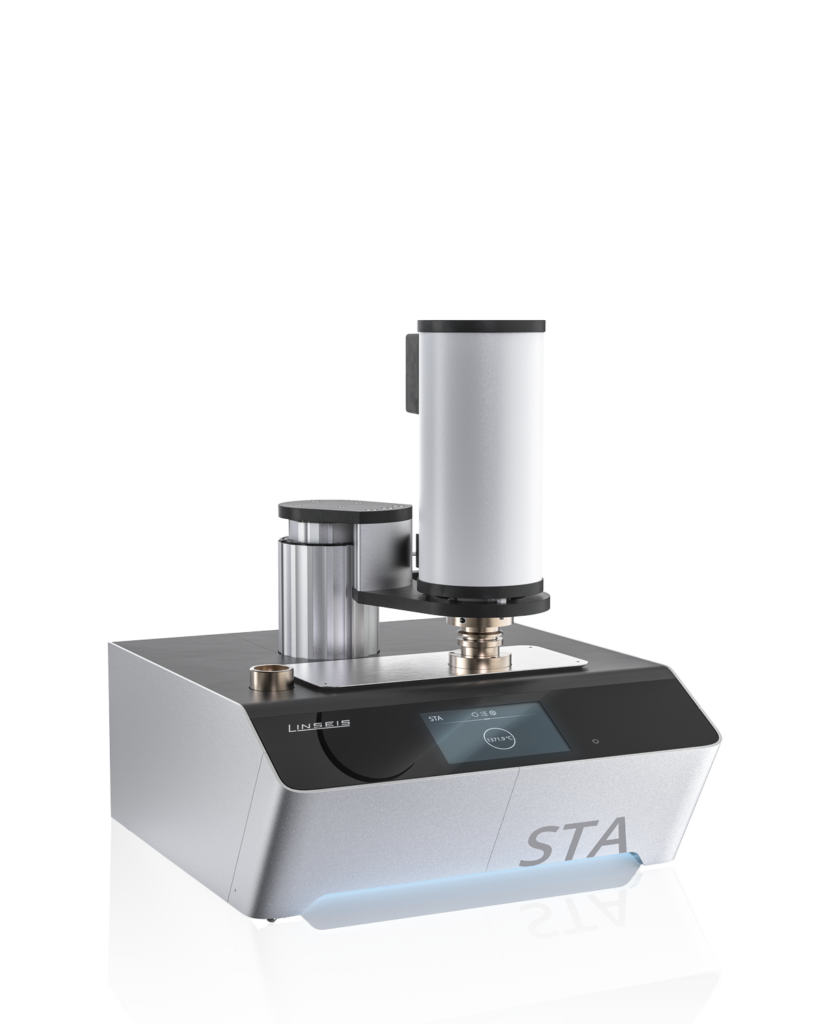
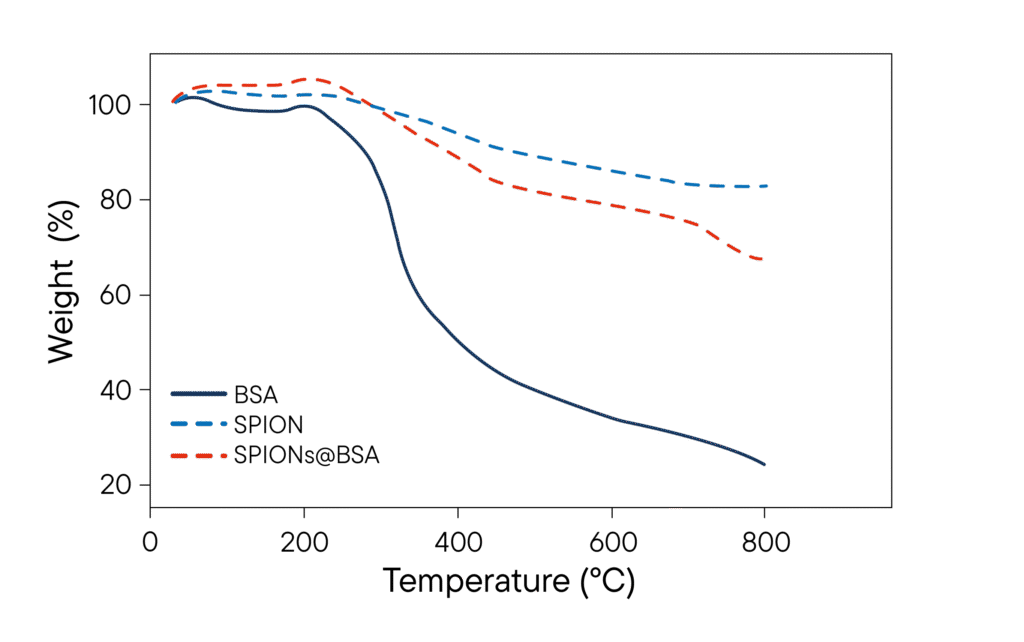
STA measurements using the LINSEIS STA L82 enable the quantitative characterization of hybrid protein-nanoparticle systems composed of bovine serum albumin (BSA) and superparamagnetic iron oxide nanoparticles (SPIONs). The measurement results reliably determine the organic and inorganic material content and provide valuable insights for the development of functional nanomaterials, drug delivery systems, and the quality assurance of hybrid biomaterials. Download the white paper to learn more about the complete measurement setup, thermogravimetric analysis, and the interpretation of the measurement results.
Why the Thermal Characterization of Proteins Is Crucial
Proteins are extremely sensitive to thermal stress and changes in their environment. Even minor structural changes can affect their biological function and reduce the efficacy of pharmaceutical products.
The combination of modern analytical methods makes it possible to:
Determination of the Denaturation Temperature
Study of Protein Folding and Aggregation
Analysis of Protein-Ligand Interactions
Assessment of Thermal Stability
Optimization of Biological Formulations
Support for Stability Studies
Quality Control of Biopharmaceutical Products
Applications – Pharmaceuticals, Food & Life Sciences
FAQ – Protein Analysis
Why is a protein's denaturation temperature important?
The denaturation temperature (Tm) describes the temperature at which a protein loses its native three-dimensional structure. It is a key parameter for assessing thermal stability and helps in the development of robust formulations and appropriate storage conditions.
What measurement methods are suitable for protein analysis?
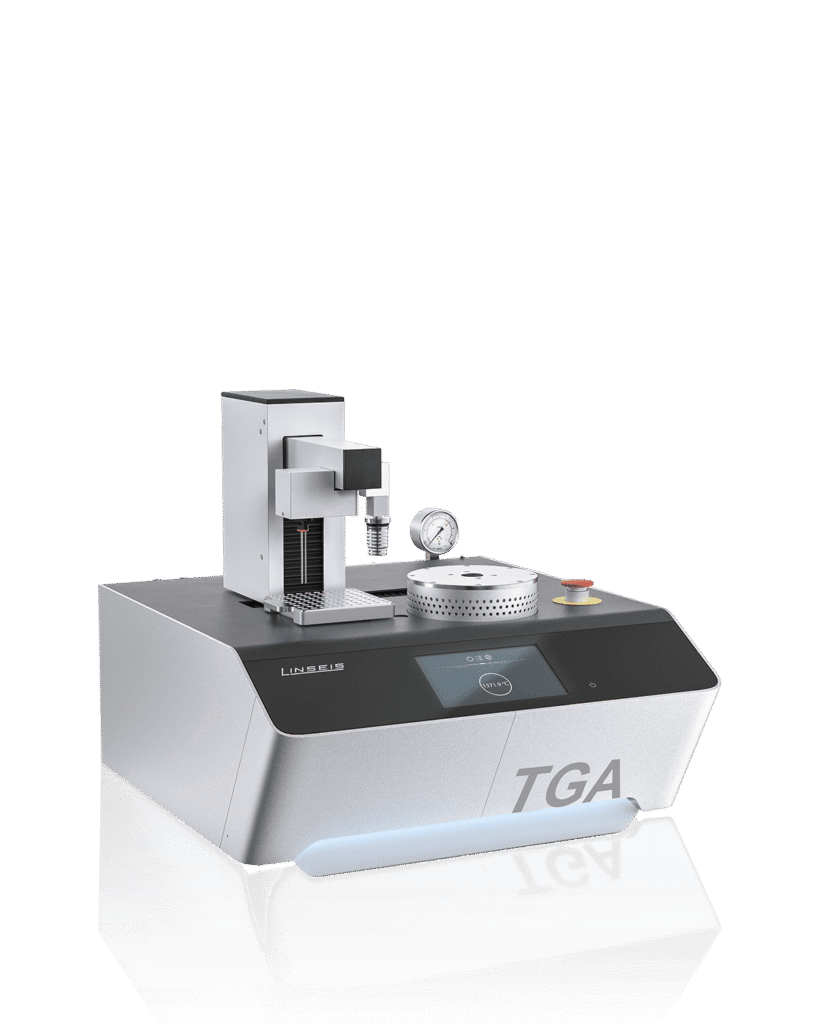
DSC, microcalorimetry, TGA, and STA are the primary methods used for the analysis of proteins. DSC analyzes folding and denaturation, while microcalorimetry examines binding processes and molecular interactions. TGA and STA provide complementary information on thermal stability and moisture behavior.
What are the advantages of microcalorimetry?
Microcalorimetry enables the direct measurement of minute thermal effects during protein-ligand or protein-protein interactions. This allows for the determination of binding enthalpies, affinities, and thermodynamic parameters without the use of labels or fluorescence.
Which proteins can be analyzed?
LINSEIS systems are suitable for enzymes, antibodies, vaccines, therapeutic proteins, peptides, biomaterials, and other biological macromolecules.
Why is thermal stability critical for biopharmaceuticals?
Biopharmaceutical active ingredients must maintain their structure and function throughout their entire life cycle. Thermal analyses help in developing suitable formulations, packaging, and cold chains.
How does thermal analysis support the development of biological drugs?
It provides precise information on structural stability, denaturation, aggregation, and molecular interactions. This enables formulations to be optimized in a targeted manner, shortens development times, and ensures product quality over the long term.