The long-term stability of pharmaceuticals, food, cosmetics, and biological products is critical to their quality, safety, and efficacy. Temperature, humidity, oxygen, and storage conditions can cause physical and chemical changes that significantly affect product performance.
Thermal analysis methods enable the early detection of such aging processes. They provide important information on oxidation behavior, moisture absorption, glass transitions, crystallization processes, and thermal decomposition, and support the development of stable formulations as well as suitable packaging and storage strategies.
LINSEIS analytical instruments can be used to study aging and stability processes throughout the entire product life cycle—from the development of new formulations to quality control during production.
Relevant Questions
How does a product change during storage?
What temperatures affect stability and effectiveness?
How does moisture affect the material?
When do oxidation or decomposition processes begin?
Which type of packaging offers the best product protection?
How can shelf life be extended?
What storage conditions ensure maximum stability?
How do wordings change over long periods of time?
Relevant Material and Process Parameters
Parameter
Meaning
Glass Transition Temperature (Tg)
Effect on storage stability and material condition
Moisture Absorption
Evaluation of hygroscopic properties and storage conditions
Oxidation Stability
Resistance to oxygen and aging processes
Thermal Stability
Resistance to Temperature Stress
Change in mass
Loss of moisture, solvent release, and decomposition
Crystallization Behavior
Impact on Stability and Product Quality
Heat Capacity
Thermal Behavior During Storage and Transport
Sorption Behavior
Interaction with Air Humidity and Water Vapor
Measurement Methods for Aging and Shelf Life
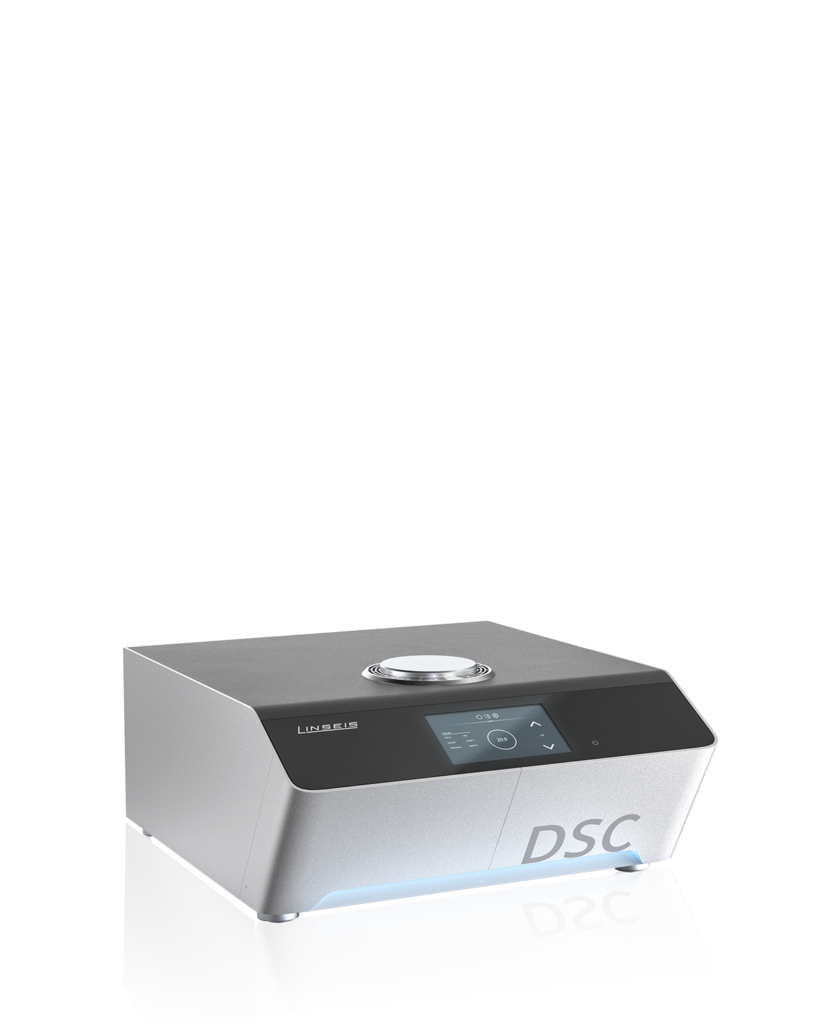
Differential Scanning Calorimetry (DSC)
Analysis of glass transitions, crystallization, and thermal stability during aging studies.
Case Study: Thermal Stability of Therapeutic Proteins
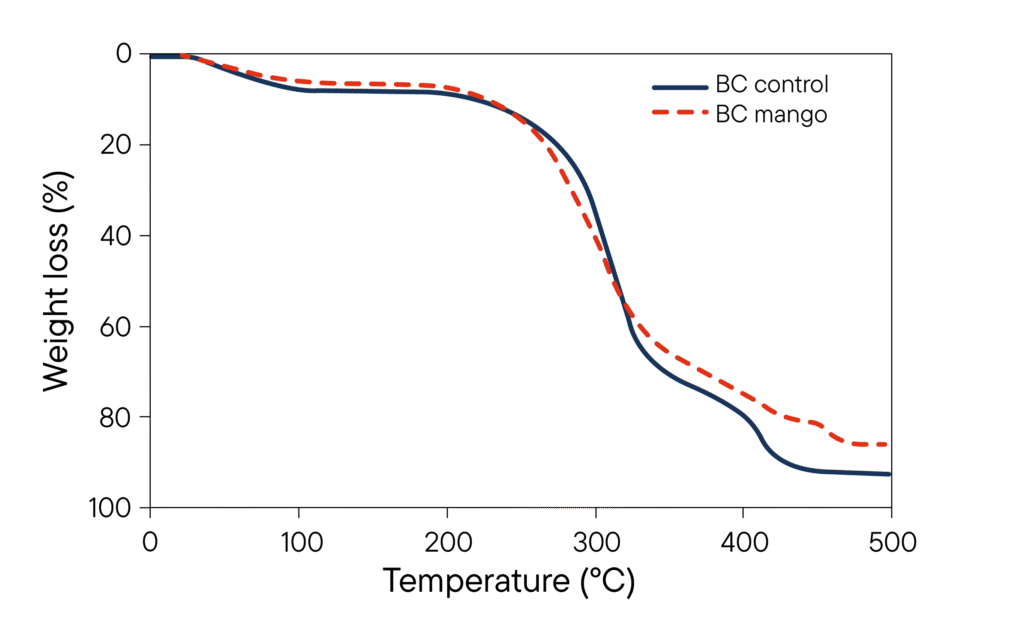
Thermal Stability of Bacterial Cellulose Produced from Mango Waste
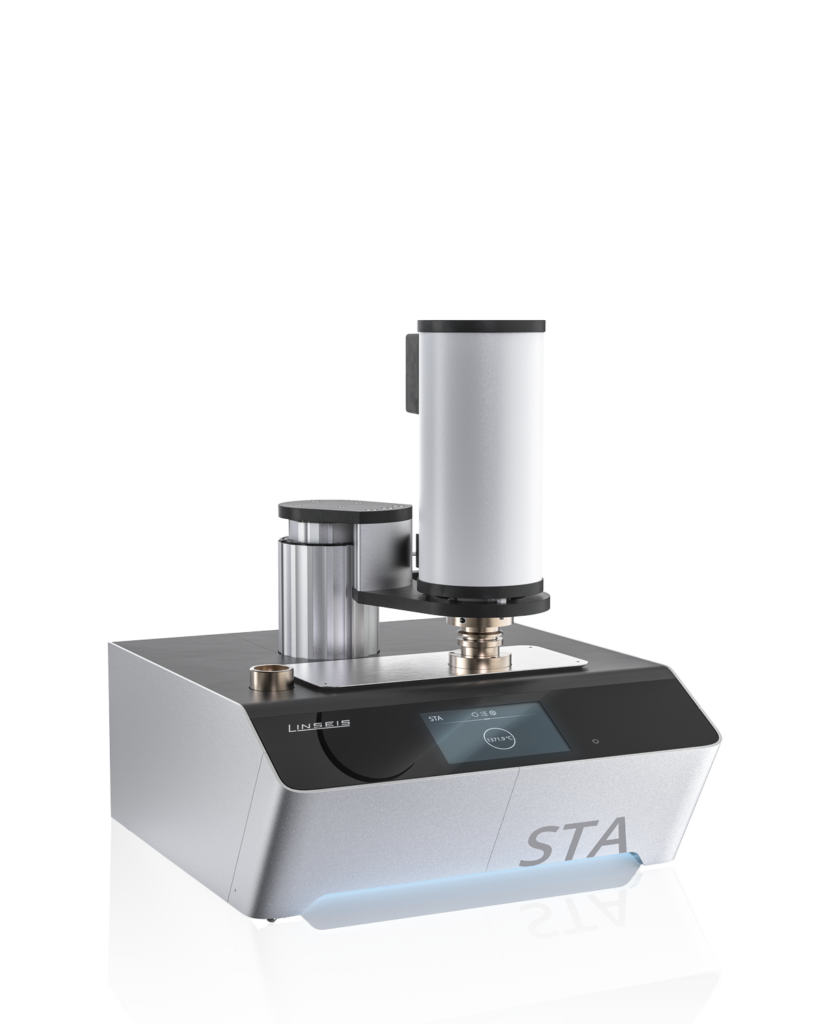
STA measurements using theLINSEIS STA L82 show the temperature-dependent thermal decomposition behavior of bacterial cellulose produced from conventional culture media as well as from mango residues. The measurement results demonstrate comparable thermal stability in both materials and provide valuable insights for the development of sustainable biopolymers, process optimization, and quality assurance. Download the white paper to learn more about the complete measurement setup, thermogravimetric analysis, and the interpretation of the measurement results.
Why Analyzing Aging and Shelf Life Is Crucial
A product’s stability determines its efficacy, safety, and quality throughout its entire life cycle. Even minor changes in storage conditions can lead to undesirable changes in the material.
The combination of modern analytical methods makes it possible to:
Assessment of Thermal Stability
Study of Moisture and Sorption Behavior
Analysis of Glass Transitions and Crystallization
Determination of Oxidation and Decomposition Processes
Optimization of Packaging and Storage
Extending the Product’s Lifespan
Support for Stability and Shelf-Life Studies
Applications – Pharmaceuticals, Food & Life Sciences
FAQ – Aging & Shelf Life
Why are thermal analyses important for stability studies?
Thermal analysis methods detect changes such as glass transitions, crystallization, or thermal decomposition at an early stage. This makes it possible to define appropriate storage conditions and reliably assess a product’s shelf life.
What role does moisture play in aging?
Many active pharmaceutical ingredients and food products are sensitive to moisture. Water can accelerate chemical reactions, alter crystal structures, or impair a product’s efficacy. Sorption analyses provide important information for selecting appropriate packaging and storage conditions.
Why is the glass transition studied?
The glass transition affects the mechanical properties and stability of amorphous materials. Understanding it is crucial for storage, transportation, and the development of stable formulations.
Which measurement methods are suitable for aging studies?
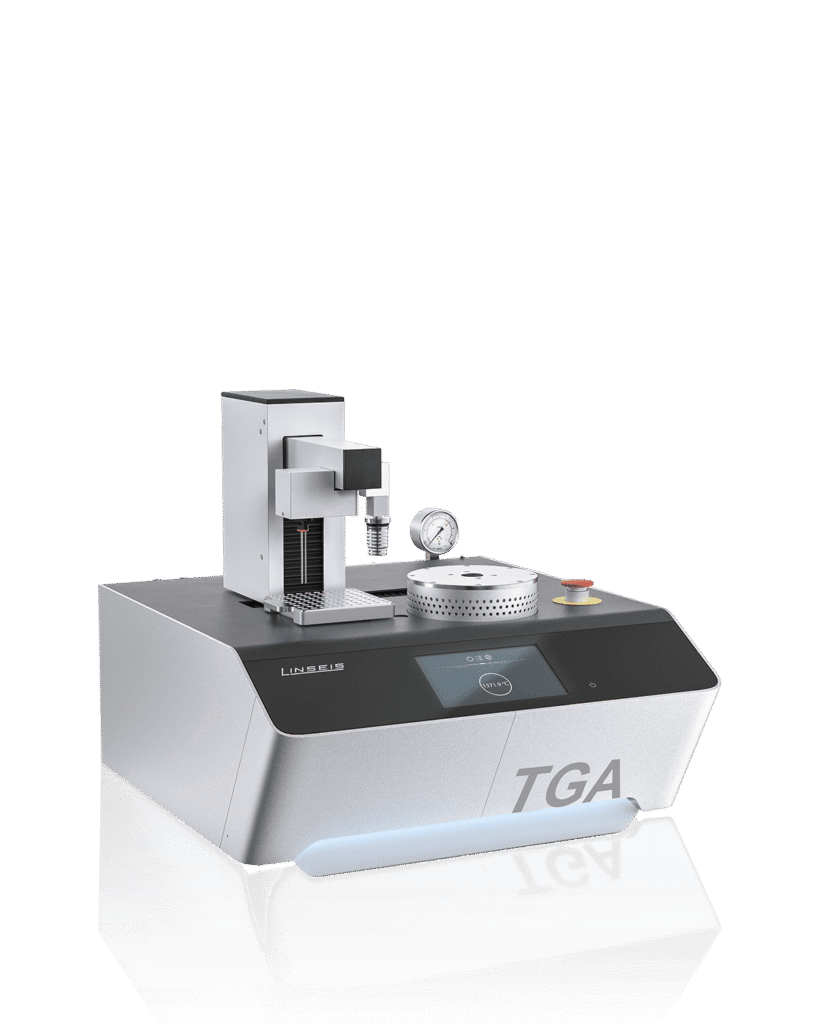
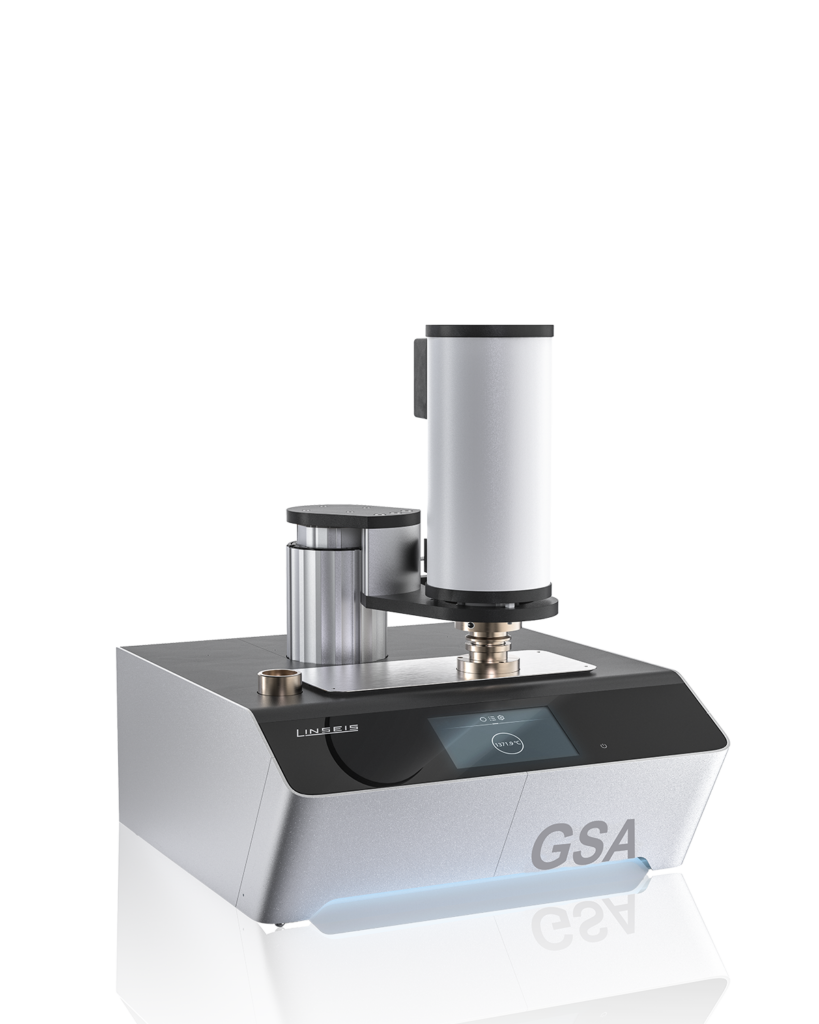
DSC, TGA, GSA, and STA complement each other perfectly. While DSC analyzes thermal transitions, TGA determines moisture and mass losses. GSA examines moisture behavior, and STA combines changes in heat and mass in a single measurement.
Which products can be tested?
LINSEIS systems are suitable for pharmaceuticals, vaccines, food, dietary supplements, cosmetics, biomaterials, packaging materials, and pharmaceutical excipients.
How does thermal analysis support the development of new products?
It provides important information about stability, storage behavior, and changes in the material. This makes it possible to improve formulations, optimize packaging, and ensure product quality over the long term.