Energy storage is a key component of the energy transition. Since renewable energy sources such as solar and wind are not continuously available, efficient storage technologies are becoming increasingly important. Modern energy storage media enable the use of energy at a later time and help stabilize energy systems.
The development of high-performance thermal storage materials requires a deep understanding of their thermal, physical, and chemical properties. Modern analytical methods provide important information about storage capacity, heat transfer, thermal stability, and long-term behavior.
With over 69 years of experience, LINSEIS offers solutions for characterizing energy storage materials in research, development, and industrial quality control.
Relevant Questions
How much energy can a material store?
What is the heat capacity of a storage medium?
What phase transitions occur during storage?
How quickly can heat be absorbed and released?
How does storage capacity change over many cycles?
What materials are suitable for high-temperature storage tanks?
How does thermal conductivity affect storage performance?
How stable are storage materials during long-term operation?
Relevant Material and Process Parameters
Parameter
Meaning
Heat Capacity
A material’s ability to store energy
Thermal Conductivity
Efficient heat flow in the storage unit
Thermal Diffusivity
Rate of heat propagation
Melting temperature
Suitability for PCM applications
Phase Transitions
Storage and Release of Energy
Thermal Stability
Behavior under operating conditions
Cycle Stability
Long-Term Storage Performance
Storage Capacity
Assessment of Energy Density
Measurement Methods for Energy Storage Materials
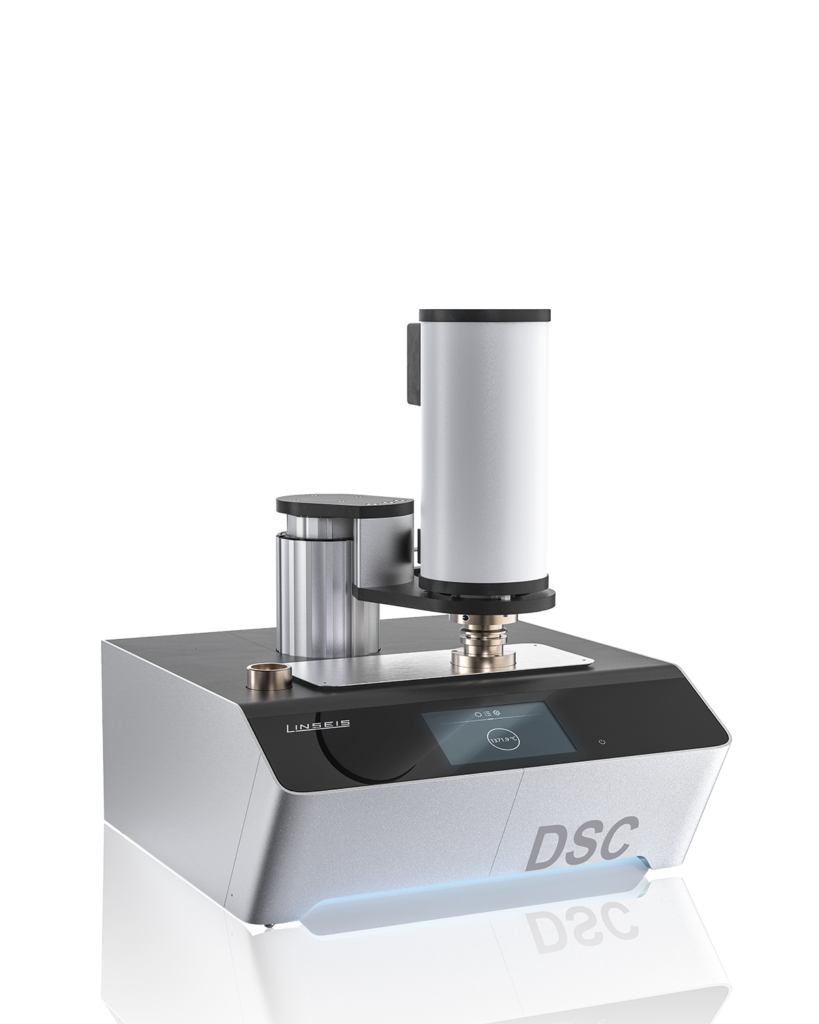
Differential Scanning Calorimetry (DSC)
The DSC investigates thermal transitions and heat storage processes in energy storage materials.
Case Study: Analysis of an Energy Storage Material
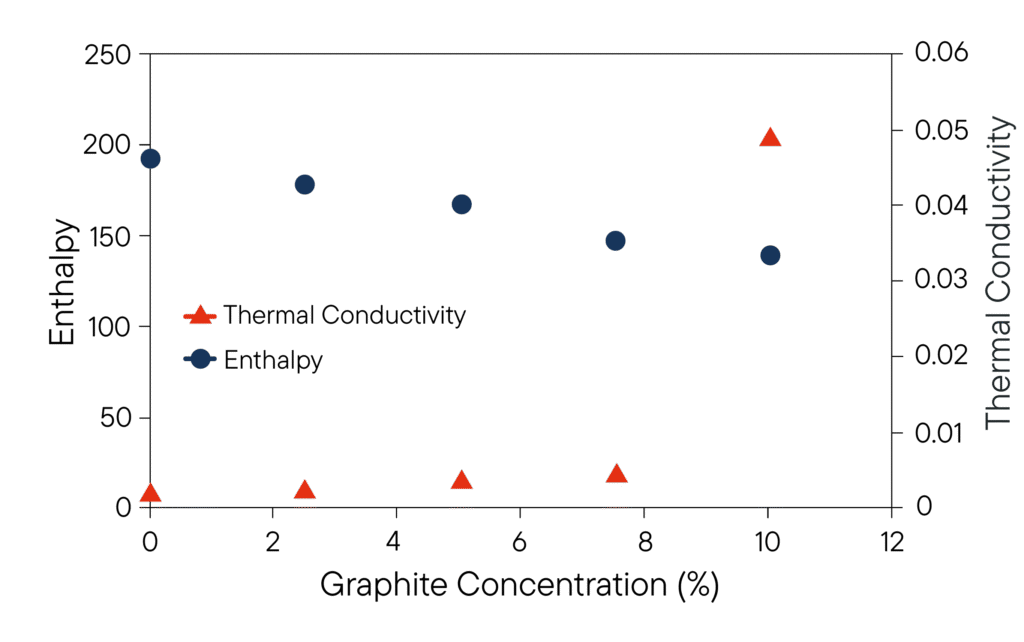
Improving the Thermal Conductivity of Graphite-Modified Phase-Change Materials
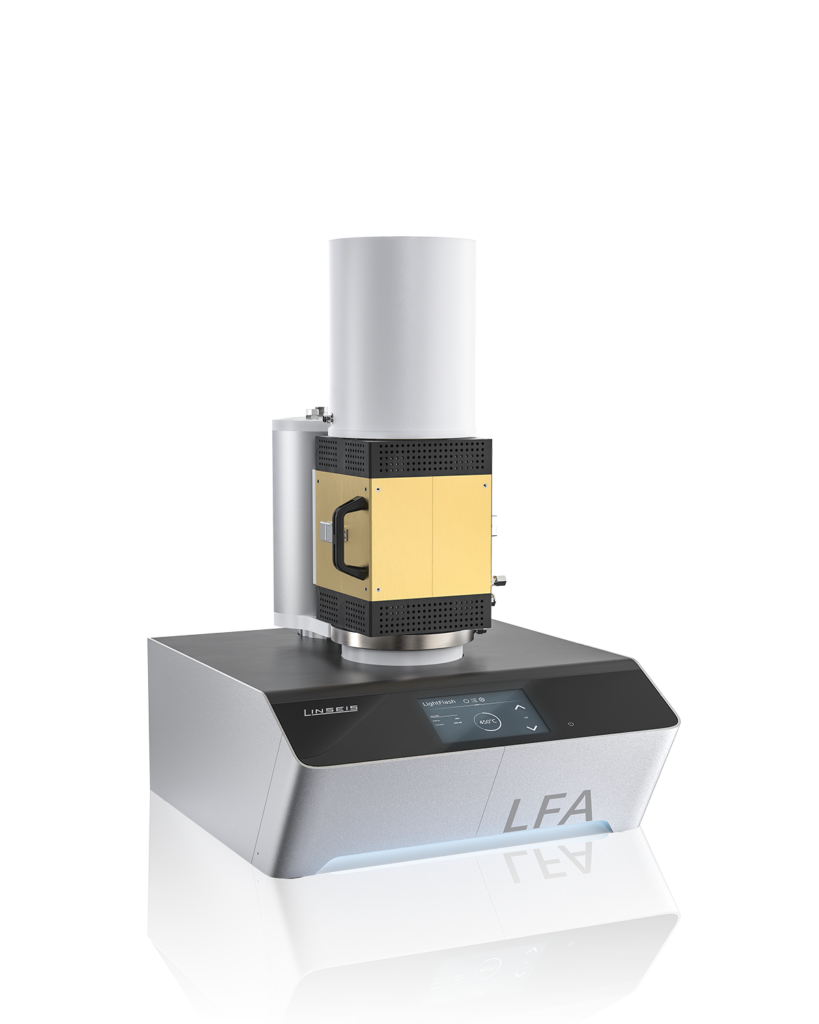
LFA measurements taken with the Linseis LFA L51 demonstrate the influence of graphite nanoparticles on the thermal conductivity of phase-change materials (PCM). The results illustrate how targeted material modification can improve heat transfer and, consequently, the performance of thermal energy storage systems. Download the white paper to learn more about the measurement setup, the thermophysical properties, and their industrial significance.
Why Material Analysis Is Crucial for Energy Storage Media
The performance of an energy storage system is largely determined by the properties of its materials. Thermal conductivity, heat capacity, phase transitions, and thermal stability all influence energy density, efficiency, and service life.
The combination of modern analytical methods makes it possible to:
Development of High-Performance Storage Materials
Optimization of Heat and Energy Storage Systems
Study of Phase Change Materials (PCM)
Characterization of Hydrogen Storage Systems
Evaluation of Long-Term Stability and Aging
Improving Loading and Unloading Processes
Applications – Energy & Batteries
FAQ – Energy Storage Media
What materials are used as energy storage media?
The most important energy storage media include phase-change materials (PCM), molten salts, ceramic heat storage media, sorption materials, and hydrogen storage media such as metal hydrides or MOFs.
Why is thermal conductivity important for energy storage systems?
Thermal conductivity determines how quickly energy can be absorbed, distributed, and released within a storage material. It therefore directly affects the efficiency of the storage system.
How are phase-change materials characterized?
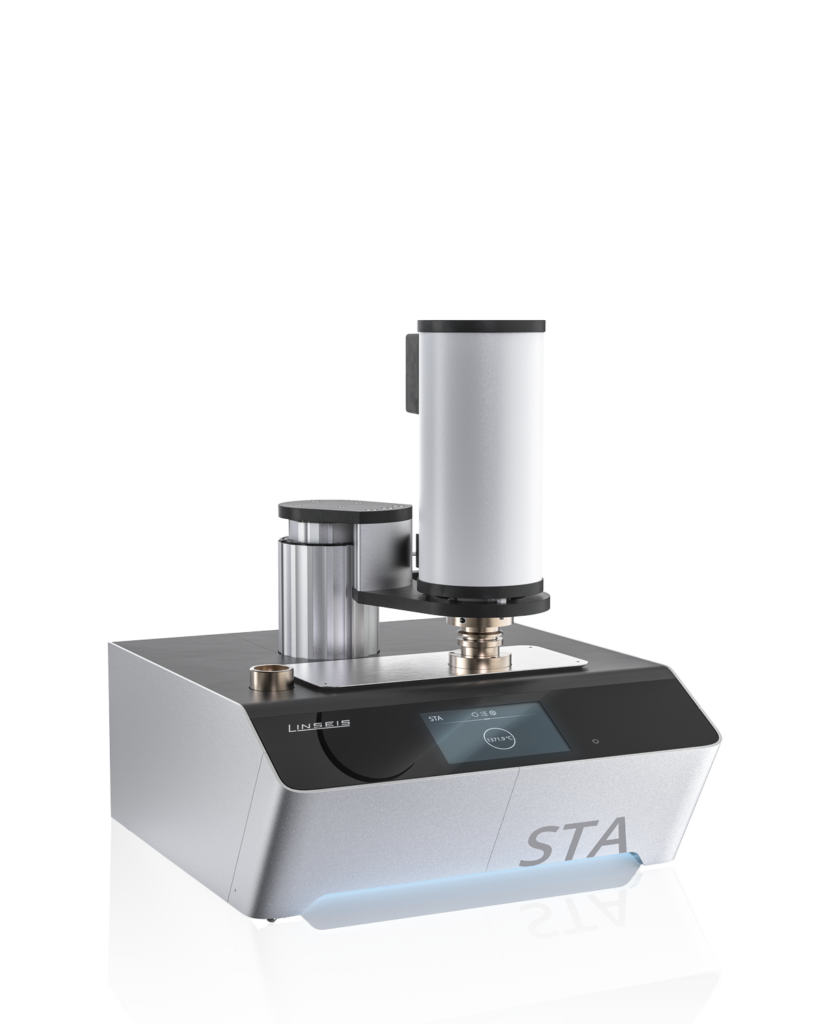
Phase-change materials are often analyzed using DSC, STA, and LFA to determine melting temperatures, phase transitions, heat capacities, and thermal conductivity.
What role do molten salts play in energy storage systems?
Molten salts are used as high-temperature heat storage media and enable the storage of large amounts of energy, for example in solar thermal power plants.
How is the long-term stability of storage materials tested?
Using TGA, STA, and cyclic temperature programs, aging, material degradation, and changes in storage properties can be analyzed over long periods of operation.
Why are energy storage media important for the energy transition?
Energy storage systems enable the deferred use of renewable energy and help balance fluctuations in energy generation and ensure energy security.