
Laser Flash Analyzer

LFA L52

High-performance LaserFlash for measuring thermophysical properties

LFA L52 – Where Precision Redefines Thermal Conductivity

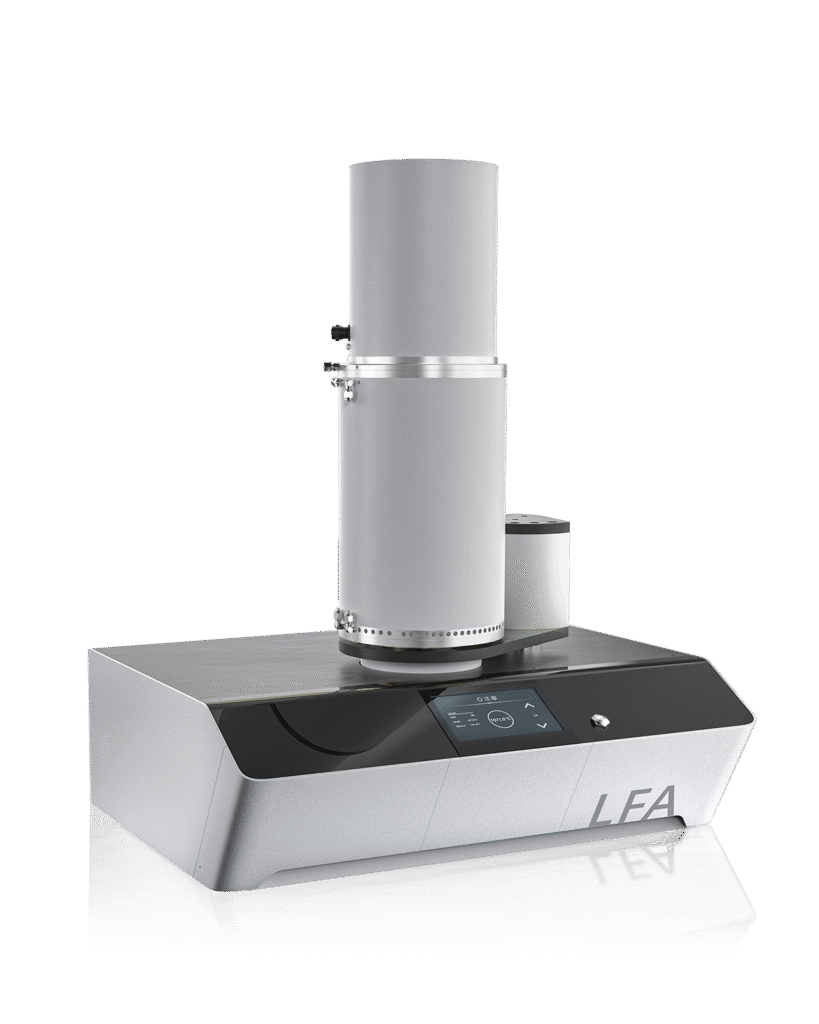
The LINSEIS LFA L52 is a high-performance Laser Flash Analyzer designed for precise determination of thermal diffusivity, thermal conductivity and specific heat across an exceptionally wide application spectrum. The system supports simultaneous measurement of up to 3, 6 or 18 samples, enabling high throughput in research, development and quality control. Thanks to its modular furnace concept, the LFA L52 covers an unparalleled temperature range from –125 °C to 2800 °C, making it suitable for solids, powders, pastes and liquids used in industries such as aerospace, ceramics, metallurgy, energy storage and advanced electronics.

As an absolute measurement method, the Laser Flash technique requires no calibration standards and complies with international norms such as ASTM E-1461 and DIN EN 821-2. The LFA L52 can be equipped with user-exchangeable detectors and offers optional vacuum and inert gas operation for maximum control of measurement conditions. A turntable for a second furnace is available to reduce downtime and enable uninterrupted transition between temperature ranges. With fast, non-contact measurements, minimal sample preparation and outstanding accuracy, the LFA L52 sets a new benchmark for advanced thermophysical material characterization.

Unique Features

Icon für zertifizierte Qualität und Normkonformität

Software Improvements

  • New LINSEIS LiEAP Software Platform
    A completely redesigned software environment focused on usability, efficient data handling and streamlined workflows. Tailored toolsets support thermophysical analysis with faster setup, clearer navigation and improved process control.

  • Automatic Updates & Continuous Feature Enhancements
    Regular automatic updates ensure that users always benefit from the latest features, stability improvements and security upgrades – without downtime or manual installation.

  • Lex Bus Plug & Play Integration
    The modern Lex Bus hardware interface enables seamless communication between laser, detector, furnace and electronics. New hardware modules can be added effortlessly, ensuring long-term system scalability.

  • High-Speed Data Acquisition Tools 
    Full support for the L52’s ultra-fast 2.5 MHz data acquisition delivers improved pulse triggering, curve fitting and diffusivity evaluation – ideal for thin samples, high-conductivity materials and rapid heat transfer processes.

Linseis Lab Link

With Linseis Lab Link, we offer an integrated solution to address uncertainties in measurement results. With direct access to our application experts via the software, you can get advice on the correct measurement procedure and evaluation of results. This direct communication ensures optimal results and maximizes the efficiency of your measurements for precise analysis and research as well as a smooth process flow.

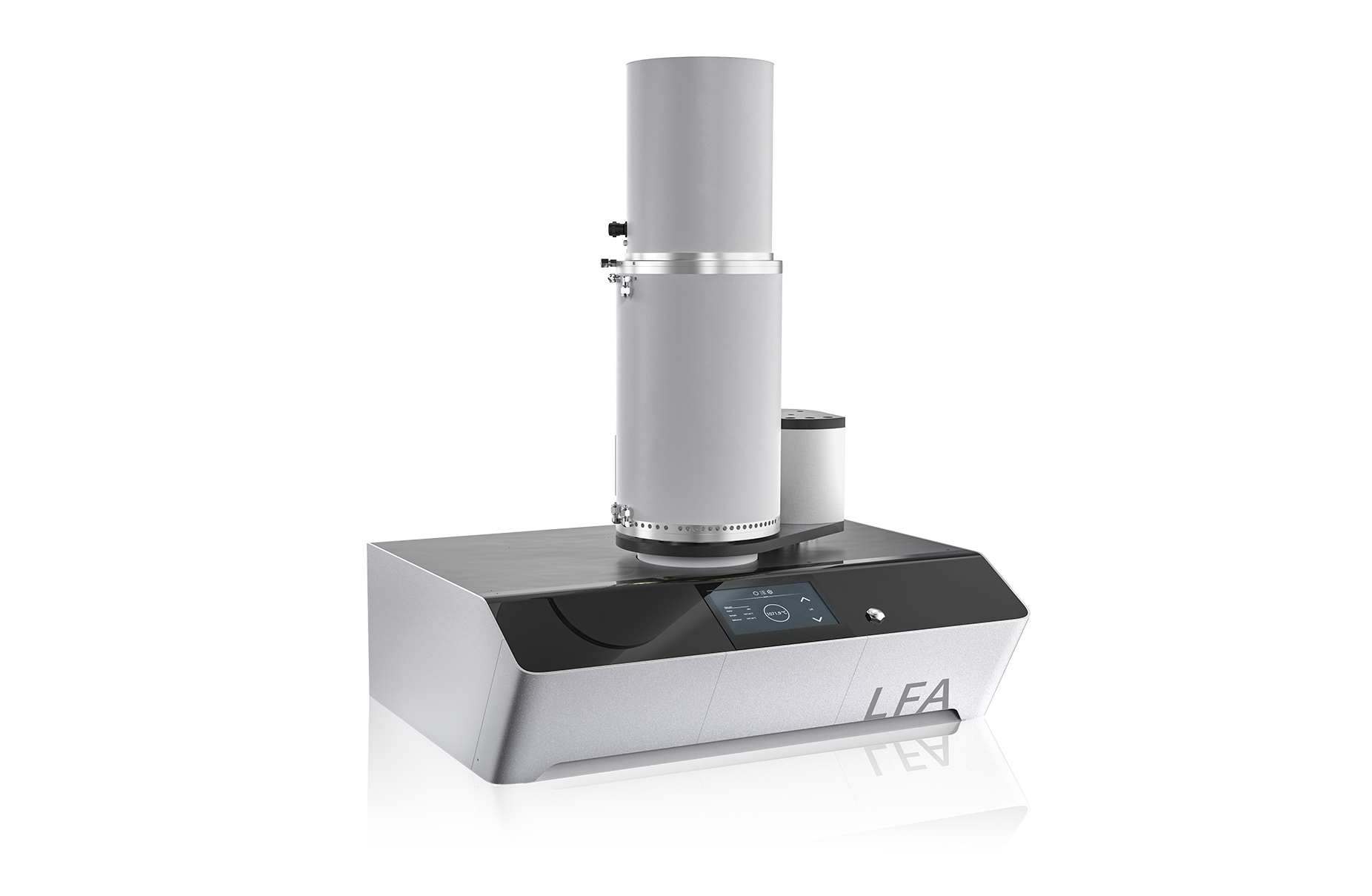
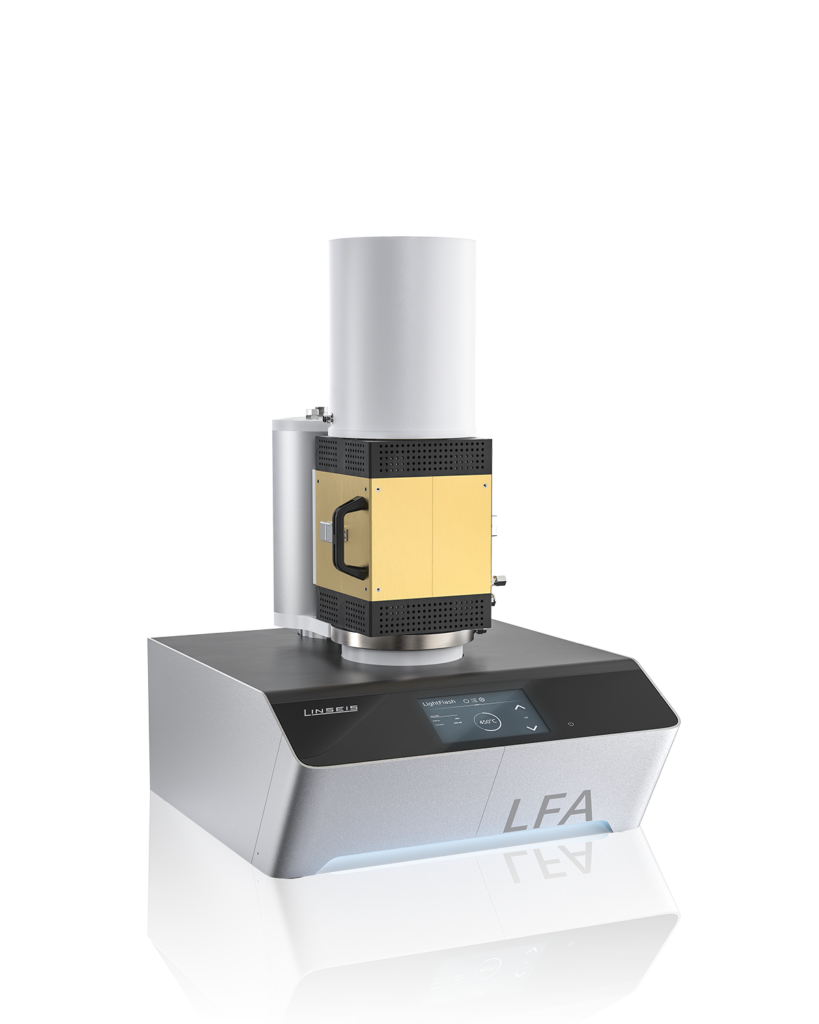
The new instrument design features a sleek and durable aluminum housing that combines mechanical robustness with a modern aesthetic. An integrated LED status bar provides clear, at-a-glance visualization of operating conditions, while the touch panel supports intuitive, streamlined interaction. The overall design emphasizes ergonomic handling and a contemporary user experience that enhances both comfort and functionality.

Full support for the L52’s ultra-fast 2.5 MHz data acquisition enables exceptionally precise capture of the laser pulse and the resulting temperature response. The high sampling density improves pulse triggering, curve fitting, noise suppression and the accuracy of the diffusivity calculation across the entire time domain. This high-speed capability is particularly advantageous for thin samples, materials with very high thermal conductivity, multilayer structures or any application involving rapid heat transfer, where conventional acquisition rates would fail to resolve the thermal transient with sufficient clarity.

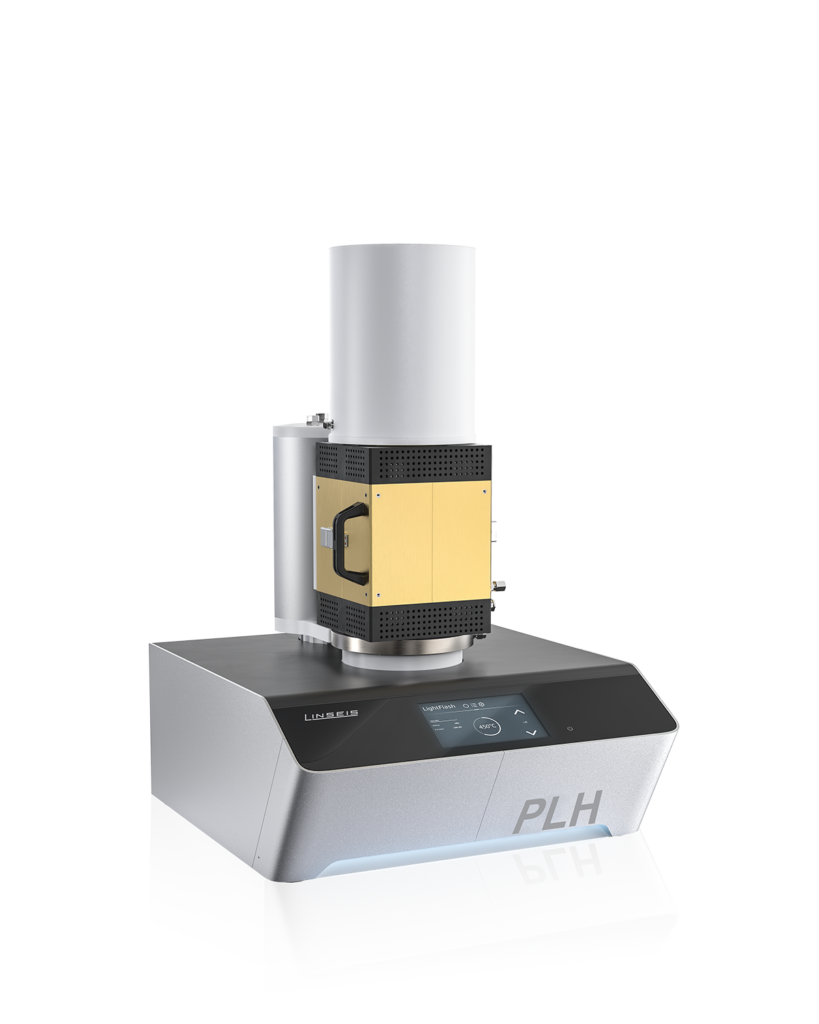
The LFA L52 instruments can be upgraded with the PLH (periodic laser heating) option. This patented 2-in-1 solution provides two measurement techniques in one instrument, maximizing the range of applications and enabling analysis of samples ranging from µm to mm thickness.

The PLH technology has been specifically developed and optimized to characterize thin film samples with unparalleled accuracy. It covers a measurement range of sample thicknesses from 10 μm to 500 μm and a thermal diffusivity range spanning from 0.01 to 2000 mm²/s.

The PLH L53 option can handle a wide variety of materials, making it suitable for:

  • Heat spreader materials such as graphite foils and thin copper foils,
  • Semiconductors with complex thermal properties,
  • Metals requiring precise diffusivity measurements,
  • Ceramics and polymers used in advanced material systems

Anisotropy and inhomogeneity analysis

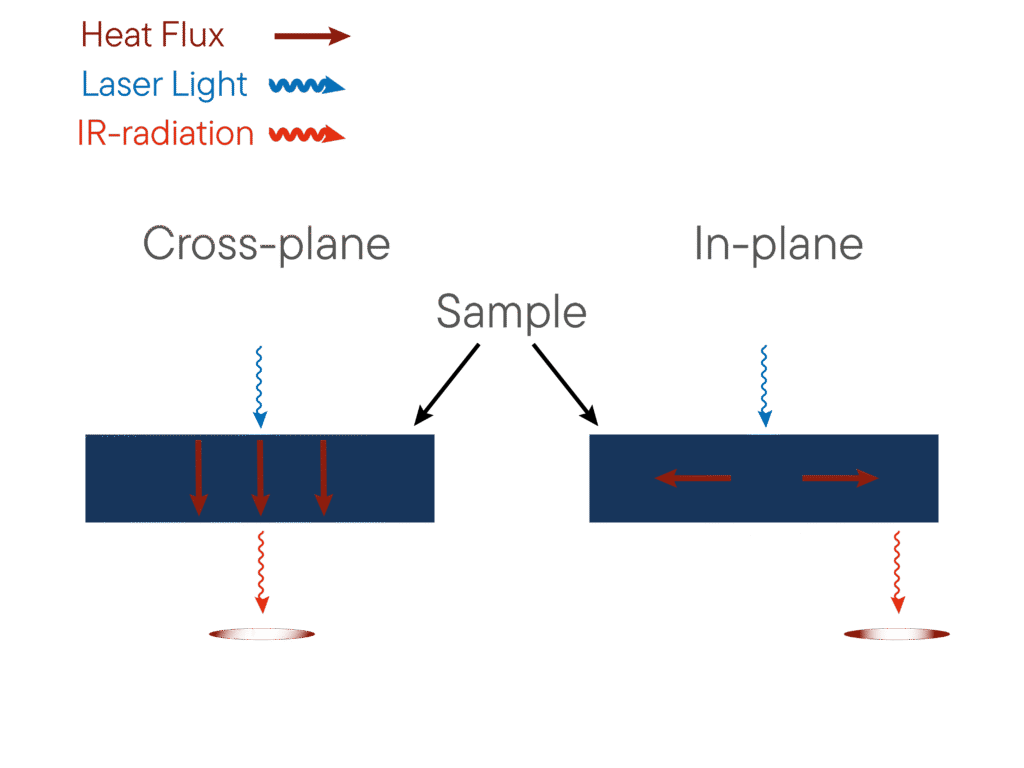
With its advanced mapping capabilities, the PLH system enables the spatially resolved measurement of thermal diffusivity across a sample. This feature is particularly valuable for identifying anisotropies (directional differences in thermal behavior) and inhomogeneities (material inconsistencies). By scanning multiple regions, users gain a comprehensive understanding of the thermal properties of thin films, ensuring optimized material performance for demanding applications.

Applications and Industry Focus

Typical applications include the analysis of freestanding films and membranes, which are of increasing importance in the battery and hydrogen industries. The ability to accurately measure thermal transport properties in these materials is crucial for improving energy efficiency, thermal management, and overall system performance.

Key Features at a Glance

  • Anisotropy analysis: Combines cross-plane and in-plane measurements seamlessly.
  • Versatile material compatibility: Suitable for semiconductors, metals, ceramics, and polymers.
  • Mapping capability: Allows precise spatial analysis of anisotropies and inhomogeneities within the sample.
  • High measurement accuracy: Covers a broad range of sample thicknesses and thermal diffusivity values.

Highlights

Wide temperature range:
-125°C to 2800°C

High precision and repeatability
of measurements

Modular design for
flexible customization

Fast measuring times thanks
to advanced IR-detector technology

User-friendly software for
comprehensive data analysis

Compatibility with different sample
geometries and materials

Key Features

New Electronics

  • Enhanced Detector & Amplifier Electronics
    Improved SNR and dynamic range ensure clean, high-resolution signals even for thin or highly conductive samples.
  • 2.5 MHz High-Speed Data Acquisition
    Ultra-fast sampling captures rapid thermal transients with greater precision, improving pulse detection and diffusivity evaluation.
  • Stabilized Laser Control
    New driver electronics deliver highly consistent laser pulses with adjustable energy, enhancing reproducibility across all temperature ranges.

Broadest Temperature Range in Its Class

Covers –125 °C to 2800 °C through modular furnace options, enabling applications from cryogenics to ultra-high-temperature materials.

Multi-Sample Capability (3, 6, or 18 samples)

By enabling the simultaneous analysis of multiple samples under identical temperature, atmosphere and laser-pulse conditions, the LFA L52 significantly increases throughput for R&D and QC workflows. Entire material series, production batches or comparative studies can be processed in a single run with minimal operator intervention, while the uniform test environment across all positions ensures directly comparable results with high statistical reliability.

Flexible Sample Holder System

The flexible sample holder system of the LFA L52 accommodates a wide range of material forms, including solids, powders, pastes, liquids, thin films, ceramics, metals, refractories and ultra-high-temperature materials (UHTCs). Interchangeable holder geometries and materials ensure optimal thermal contact, controlled boundary conditions and minimal heat losses for each sample type. This versatility allows users to characterize everything from low-density insulation materials to dense technical ceramics and metallic alloys within the same platform, making the LFA L52 suitable for virtually any thermophysical analysis workflow.

Complete Sample Illumination

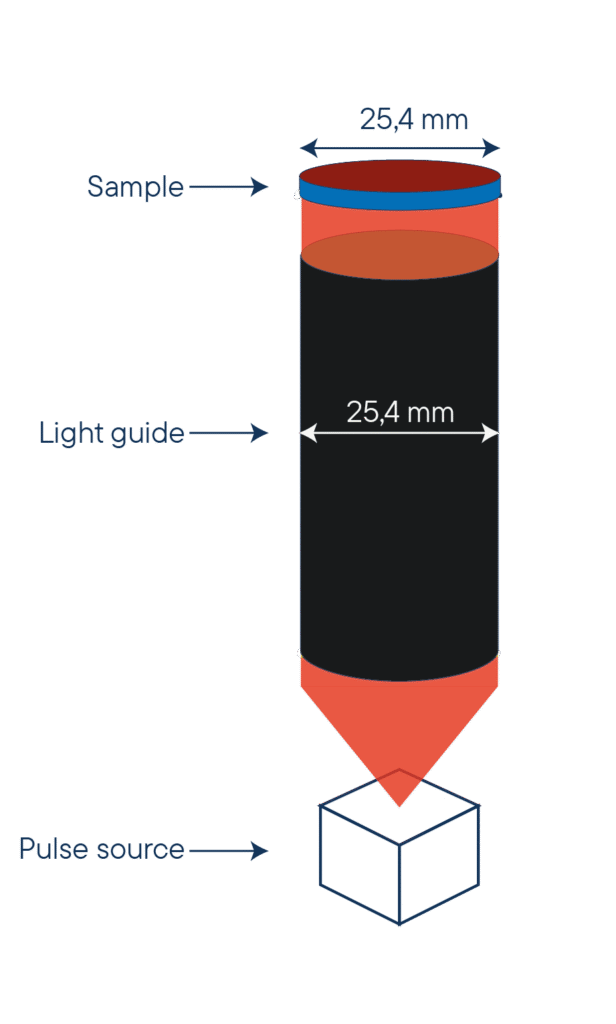
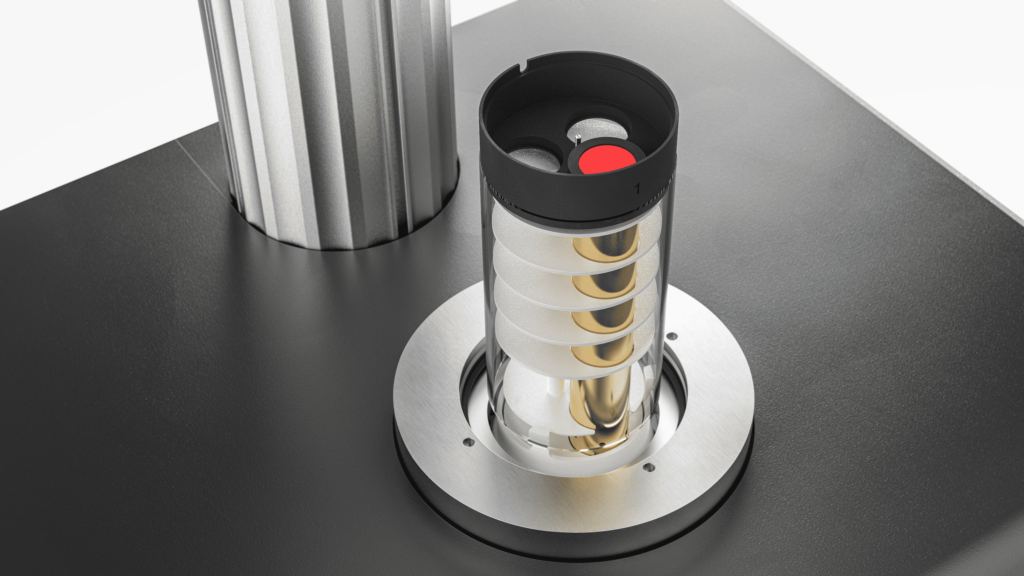
The LFA L52 provides full and uniform illumination of samples up to 25.4 mm in diameter, ensuring that the laser pulse penetrates the entire sample surface without creating radial temperature gradients. This homogeneous heating leads to higher reproducibility, improved data quality and consistent measurement results across different materials, thicknesses and geometries.

Questions? We're just a call away!

+1 (609) 223 2070


+49 (0) 9287/880 0

Our service is available Monday to
Thursday from 8-16 o’clock
and Friday from 8-12 o’clock.

Wir sind für Sie da!

Specifications

Temperature range: –125 °C to 2800 °C

Icon für gezielte Messlösungen

High-Energy Nd:YAG Laser: up to 25 J/pulse

Vacuum & Controlled Atmospheres: down to 10⁻⁵ mbar
Discover our high-performance LFA L52 – engineered for rapid and reliable thermophysical analysis:

  • Detector options: InSb or MCT detectors, available with LN₂ or Peltier cooling
  • Atmosphere control: Inert, reducing or oxidizing environments; vacuum capability down to 10⁻⁵ mbar
  • Sample handling: Compatible with solids, powders, pastes, liquids, laminates and thin films
  • Laser pulse capture: Ultra-fast 2.5 MHz data acquisition for precise transient analysis
  • Furnace configuration: Optional dual-furnace turntable for continuous, high-throughput workflows

Method

Laser Flash Analysis

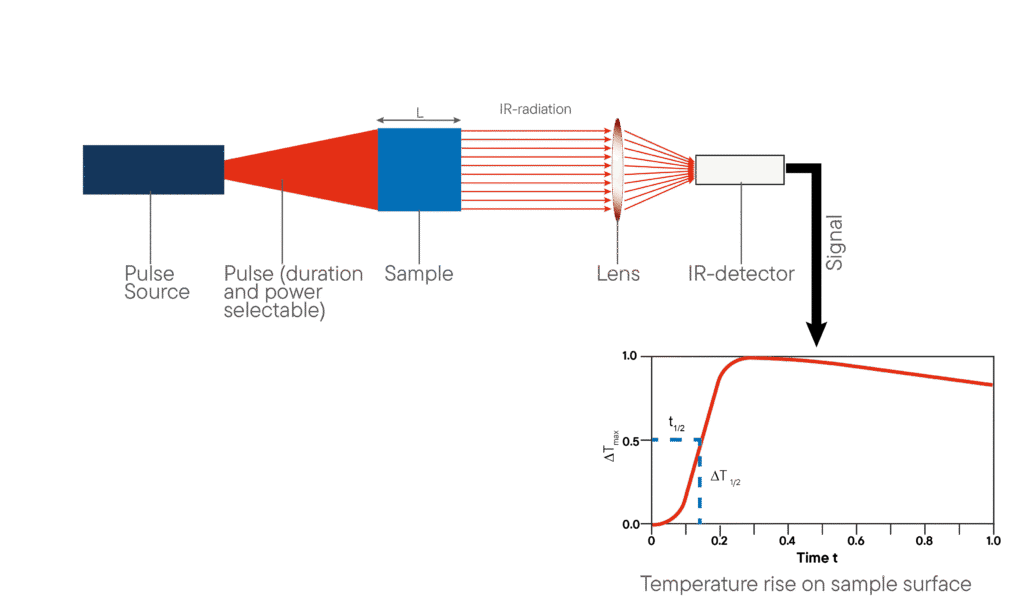
The Light Flash Method (LFA) is a fast, non-contact technique for determining the thermal diffusivity, specific heat and thermal conductivity of solids, powders and pastes. A short energy pulse heats the rear face of the sample, and the resulting temperature increase on the front surface is recorded over time using a high-speed infrared detector.

The temperature rise curve reflects how quickly heat travels through the sample. From this data, the thermal diffusivity is calculated. When the specific heat and density of the material are known, the thermal conductivity can be determined as well.

LFA is a non-destructive and highly precise method, widely used in materials research, electronics, aerospace and energy applications. Its key advantages include short measurement times, minimal sample preparation and the ability to test a wide range of materials – all with high repeatability and under controlled atmospheres.

LFA L52

Measurement Principle

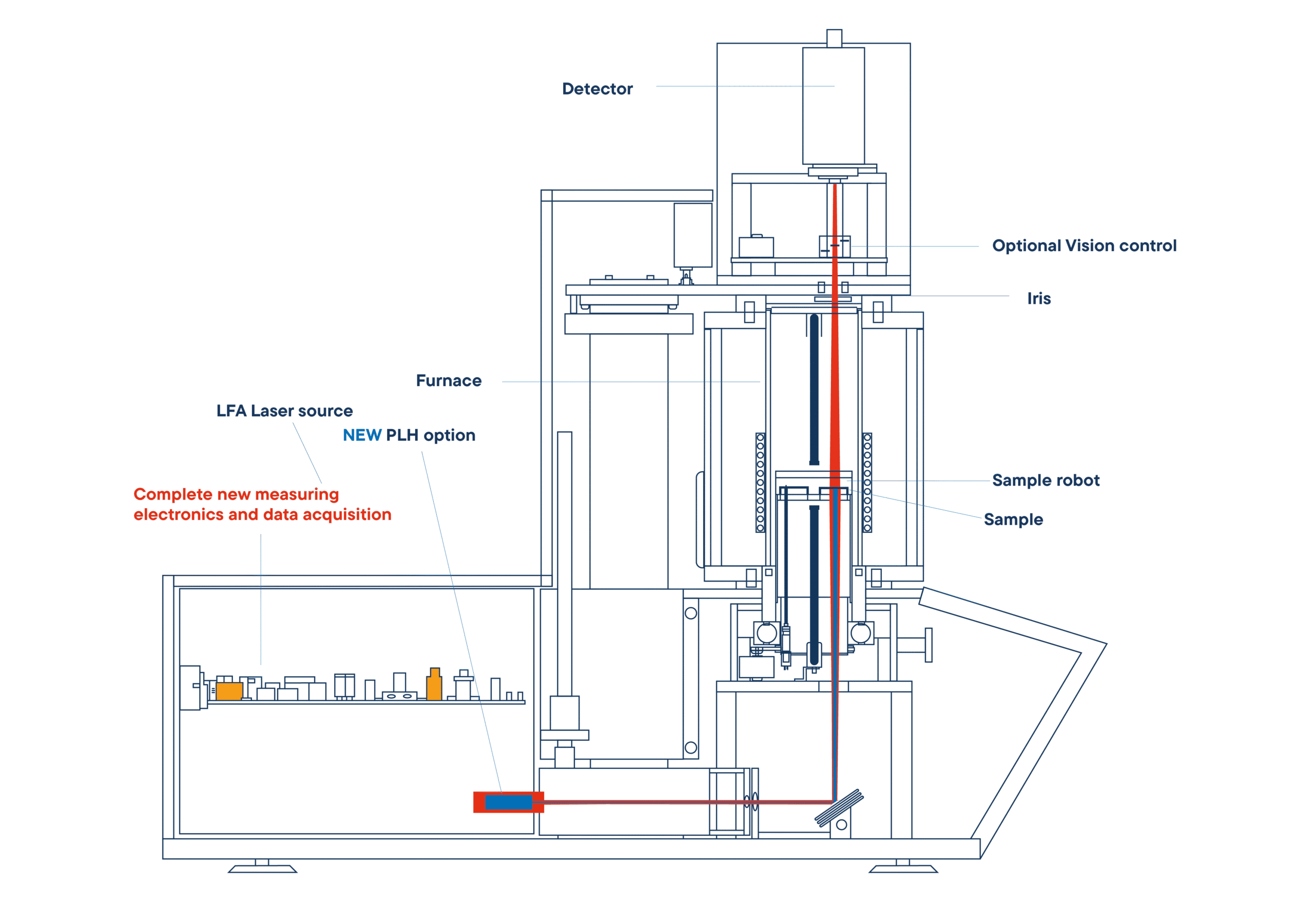
In an LFA measurement, the sample is brought to a defined temperature inside a furnace and then exposed to a short, high-energy laser pulse on its rear surface. The absorbed energy generates an instantaneous temperature rise that propagates through the sample thickness and appears on the front surface.

This temperature change is recorded over time by a fast infrared detector. From the resulting temperature–time curve, the thermal diffusivity is calculated using the sample thickness and the characteristic half-time of the temperature rise. With additional knowledge of specific heat and density, the thermal conductivity can be determined as well.

The method delivers precise results within short measurement times, requires only simple sample geometry and supports measurements under vacuum or controlled gas atmospheres.

Measured Properties

  • Multi-sample measurement (up to 18 samples)

  • Thin film analysis (with PLH module)

  • Isothermal and temperature-dependent measurements

  • Analysis of anisotropic materials

  • Measurement of powders, pastes, solids and laminates

  • Measurement under controlled atmospheres (inert, reducing, oxidizing)

  • Vacuum measurements (down to 10⁻⁵ mbar)

  • High-speed data acquisition for fast thermal events

A head start with the LFA L52 – high-performance solutions for advanced thermophysical analysis

PLH L53 - Periodic Laser Heating

Precise measurement of the thermal conductivity and temperature capability of thin layers

LFA L52 Nuclear

High-performance Nuclear-LaserFlash for measuring thermophysical properties

LFA L51

Simple and cost-effective measurement of thermal conductivity

Questions? We're just a call away!

+1 (609) 223 2070


+49 (0) 9287/880 0

Our service is available Monday to
Thursday from 8-16 o’clock
and Friday from 8-12 o’clock.

Wir sind für Sie da!

LFA L51 uncovered – how it works, where it fits, what it offers

Measurement Concept

The sample is placed on a sample holder positioned within a furnace that maintains a defined measurement temperature. A programmable energy pulse is applied to the rear surface of the sample, causing a transient temperature rise at the front surface. This temperature response is captured by a highly sensitive, high-speed infrared (IR) detector. From the resulting temperature-time curve, both the thermal diffusivity and the specific heat can be determined. If the material density (ρ) is known, the thermal conductivity can then be calculated using:

λ=Thermal Conductivity [W/m•K] α=Thermal Diffusivity [mm2/s] Cp=Specific Heat [J/g•K] ρ=Density [g/cm3] T=Temperature

The LFA 51 device can be equipped with either a high-speed infrared furnace (LFA L51 500/1000), an advanced micro-heater (LFA L51 1250) or an low temperature resistance furnace (LFA L51 LT), allowing for exceptionally fast heating and cooling rates. This rapid temperature adjustment minimizes downtime, saving valuable time and enabling a high sample throughput for increased lab productivity. With this technology, numerous samples can be analyzed in a short period, which is especially beneficial for time-sensitive applications. The infrared and micro-heating technology also ensures precise and uniform temperature control, delivering reliable and accurate measurement results.

Because time matters

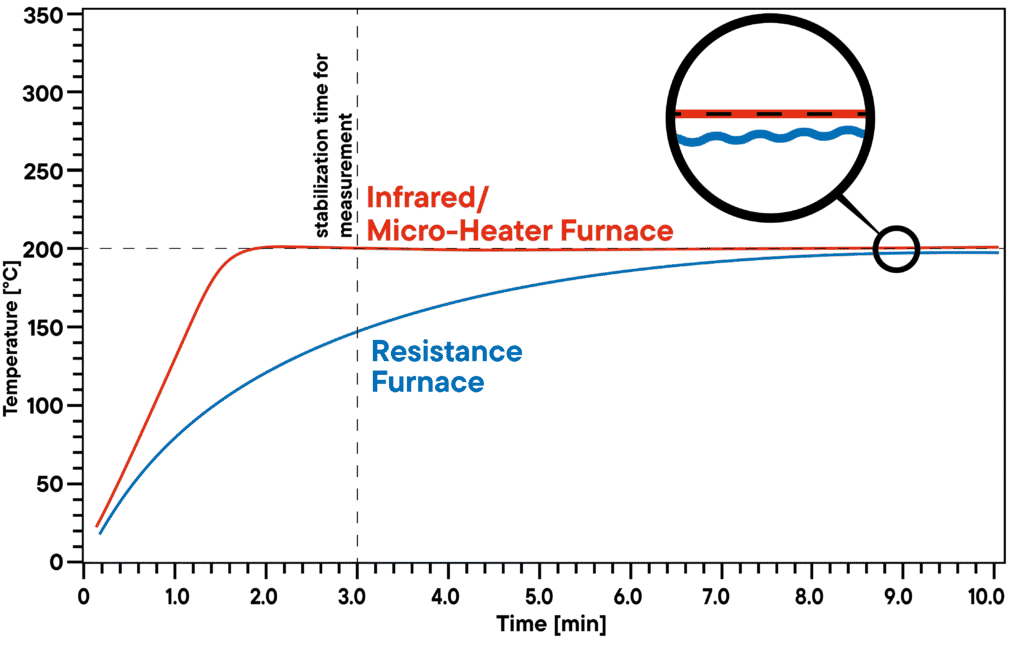
Comparison of time to reach the temperature stability.
A high speed IR-micro-heater furnace reaches the set temperature much faster and delivers a superior iso-thermal temperature stability.

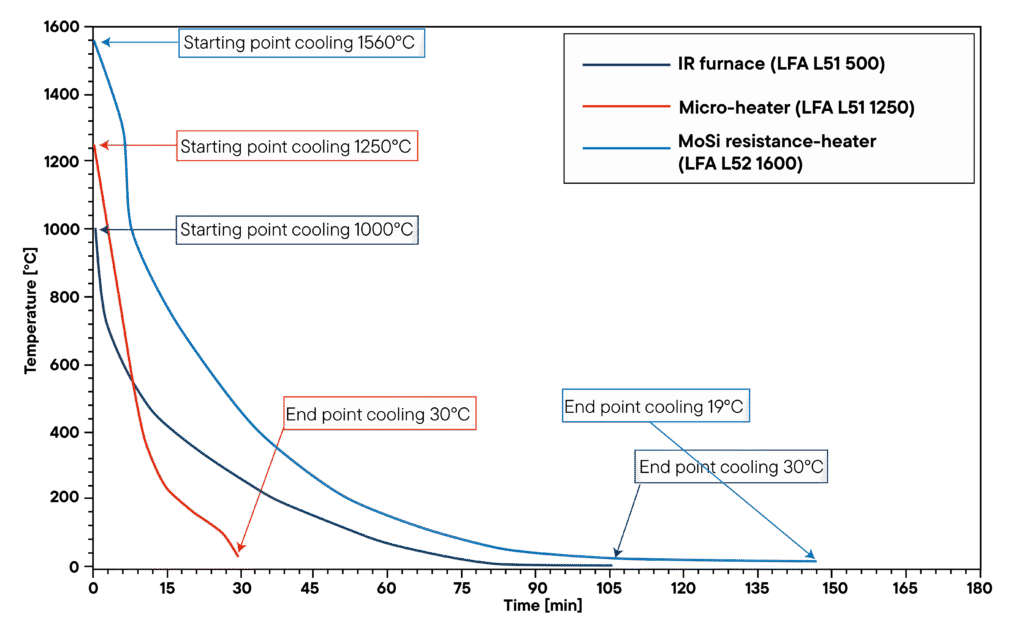
Cooling comparison of IR furnace, micro-heater, and MoSi resistance-heater clearly demonstrates the
advantage of short cool-down times. This allows
multiple measurements in quick succession and
improves sample throughput. The IR furnace cools from 1000°C to 30°C in 105  minutes, while the micro-heater takes only ~26.5 minutes. Even when cooling from 1250°C, it stays below 30 minutes. The MoSi-heater, used for comparison, cools from 1560°C to 19°C in approximately 147 minutes.

LFA L52 1250/1600

The standard model is designed for metals and ceramics and is ideal for applications requiring high sample throughput. It enables the simultaneous measurement of 3, 6 or 18 samples and supports sample diameters up to 25.4 mm, allowing precise analysis of thermal conductivity, thermal diffusivity and specific heat capacity.

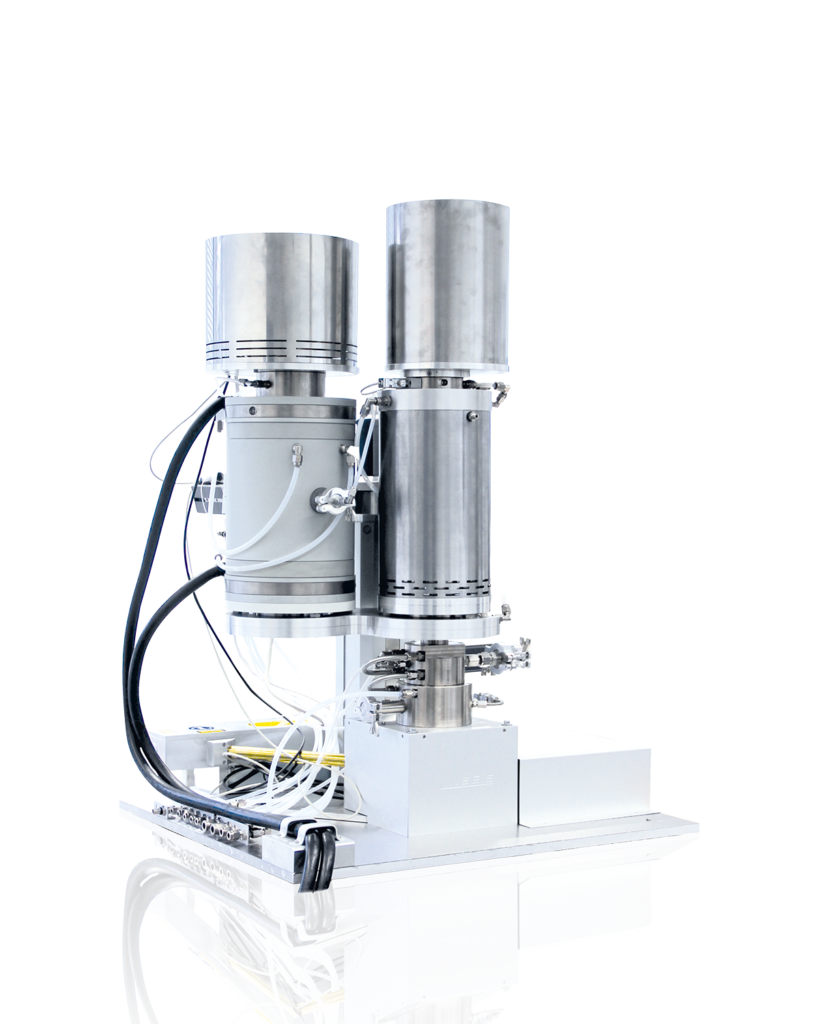
LFA L52 2000/2400/2800

The high-temperature version enables measurements up to 2000 / 2400 / 2800 °C and is equipped with a sample robot for up to three samples with a diameter of 12.7 mm.
Special configurations are available for glovebox or hot cell environments.
Typical applications include refractory materials, graphite or nuclear applications.

LFA L52 2400

Provides accurate measurements at temperatures up to 2400 °C using a tungsten furnace, enabling graphite-free analysis across a broad temperature range.
Equipped with a sample robot for up to three samples (12.7 mm), the model ensures high throughput and precise Cp measurements.

LFA L52 LT

The low-temperature version delivers precise measurements from –125 °C / –100 °C to 500 °C for various applications.
Lower laser power in this range can be a decisive factor for obtaining high-precision measurement results.

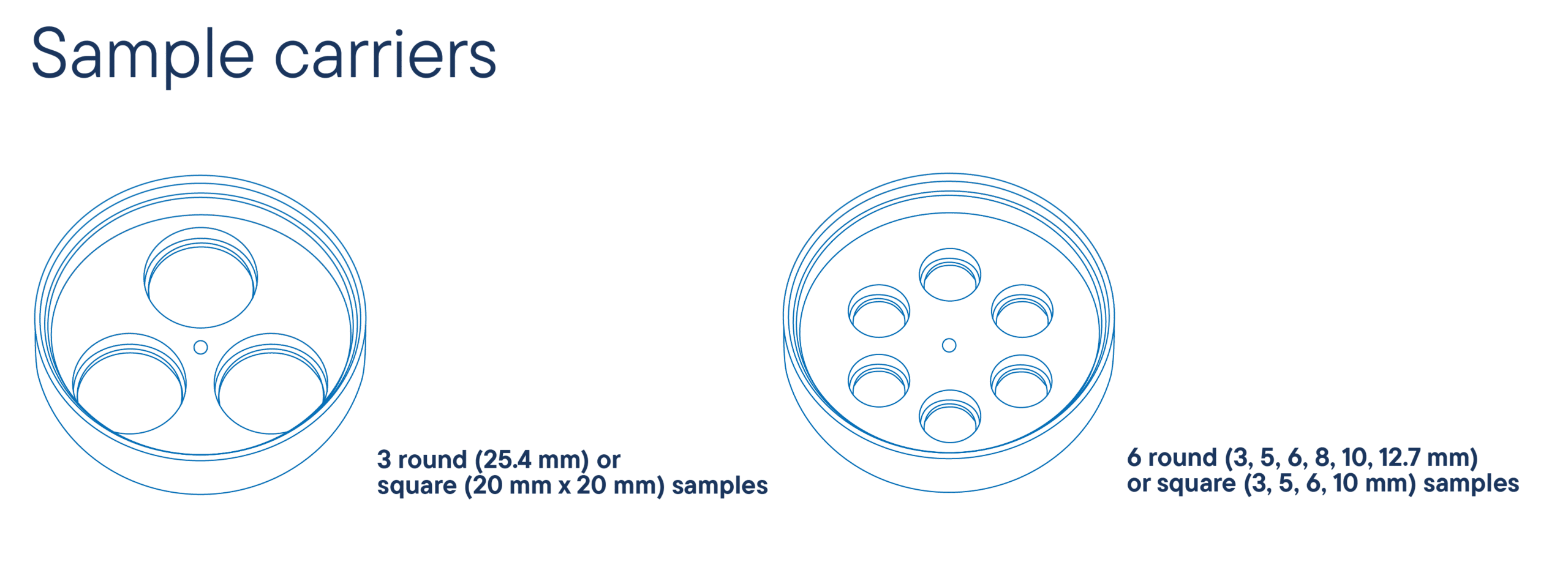
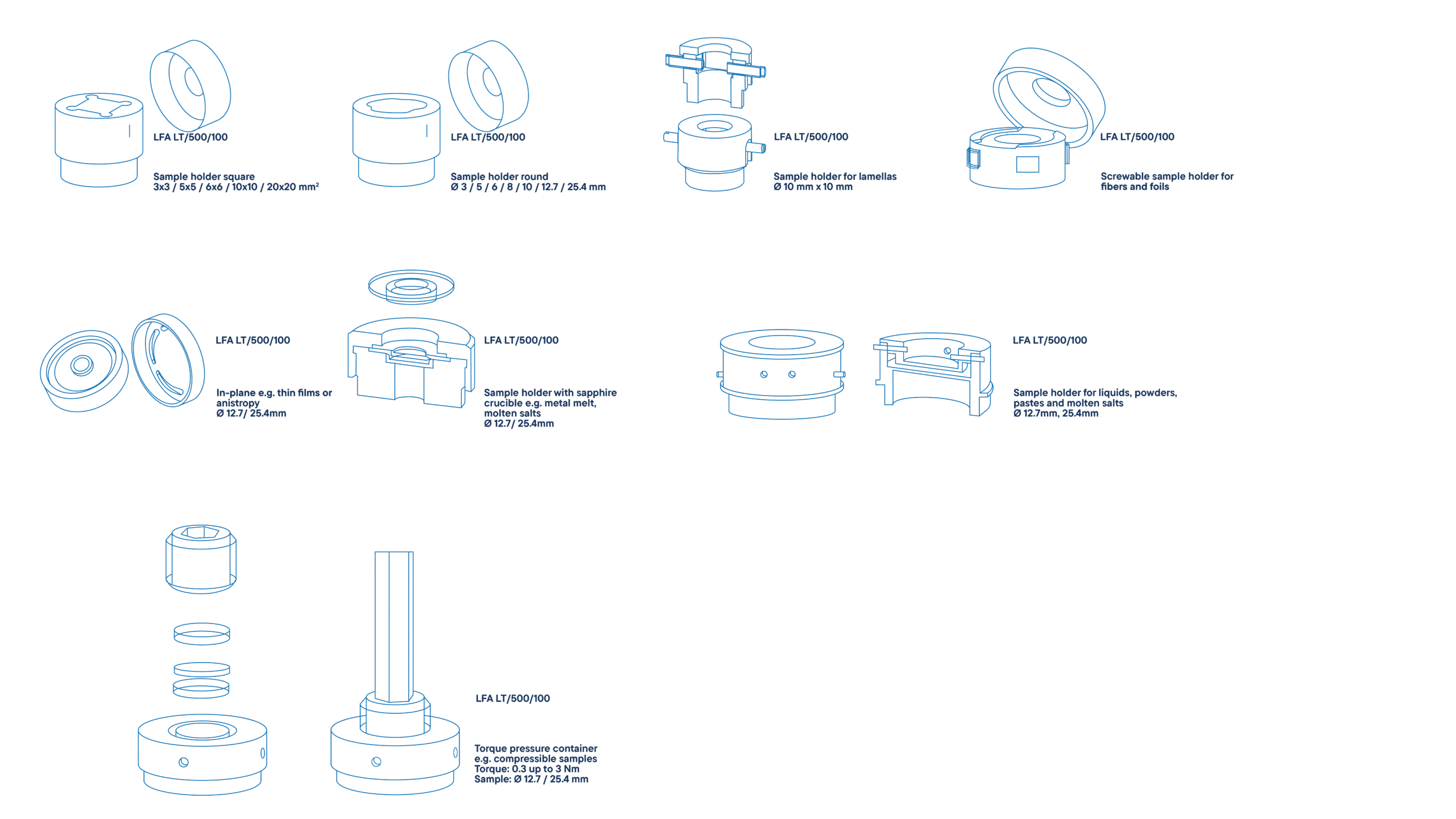
Various sample holder types allow the measurement of a broad range of sample dimensions from 3 to 25,4 mm in solid, liquid, powder, or paste form. In addition, sample carriers for phase change materials are available. The Linseis sample robot can measure up to 6 samples simultaneously, with options for up to 18 samples on request. Sample holder materials include graphite, SiC, alumina, or various metals.

Sample holder

Supported model selection

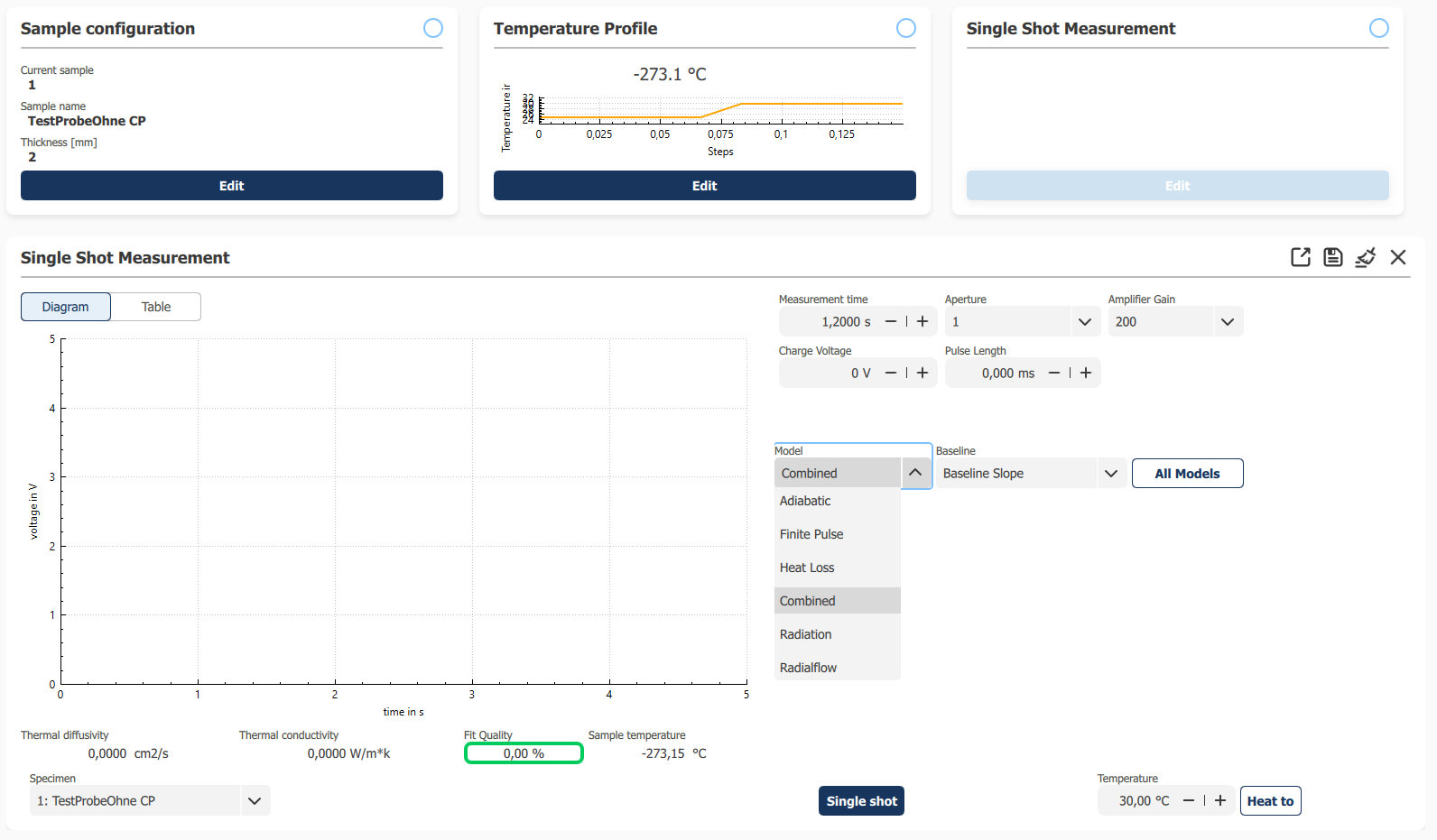
The softwarre allows the selection of various evaluation models. To support the user with the selection, the fit quality of all models can be easily displayed to guarantee an easy handling as well as maximum accuracy.
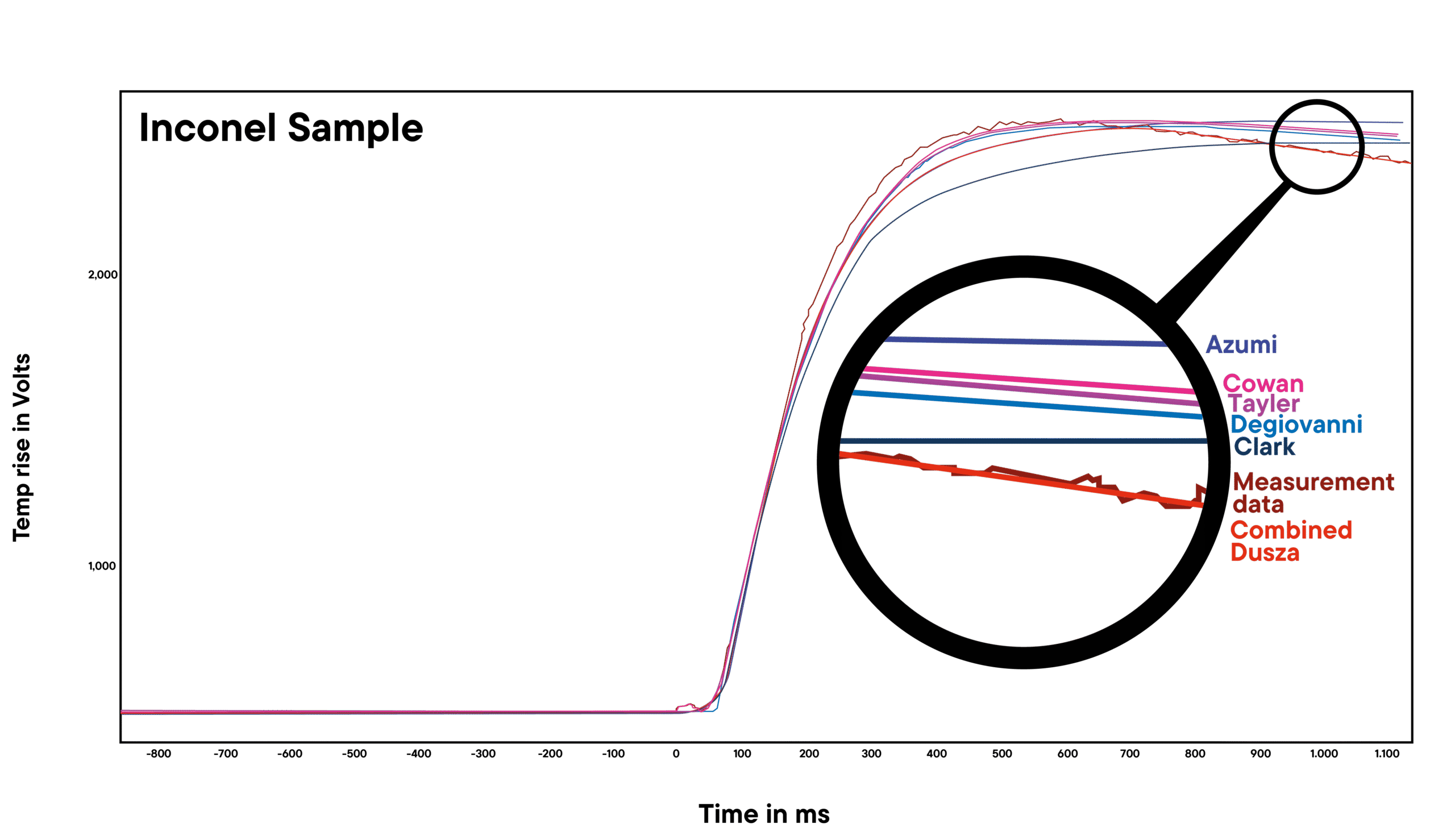
Empirical data from customers and Linseis application labs worldwide show that the combined Dusza model is the most universally applicable, typically providing the best fit between measurement data and model across a wide range of materials.

Combined Dusza-Model – Unique combined solution of the simultaneous heat loss and finite pulse corrections with the laser flash method

The universal combined model, based on Dusza’s proven method, enables reliable evaluation of laser flash data by simultaneously correcting for heat losses, finite pulse effects, and non-adiabatic conditions. Thanks to non-linear parameter estimation, no manual model selection is needed—saving time and avoiding user error. Tested on over more than 100 samples, the method consistently delivers accurate and highest quality results. The example with an Inconel sample clearly shows: the combined model provides the best fit and highest precision compared to conventional approaches.

* Dusza, Laszlo. “Combined solution of the simultaneous heat loss and finite pulse corrections with the laser flash method.” High Temperatures-high Pressures (1995): 467-473.

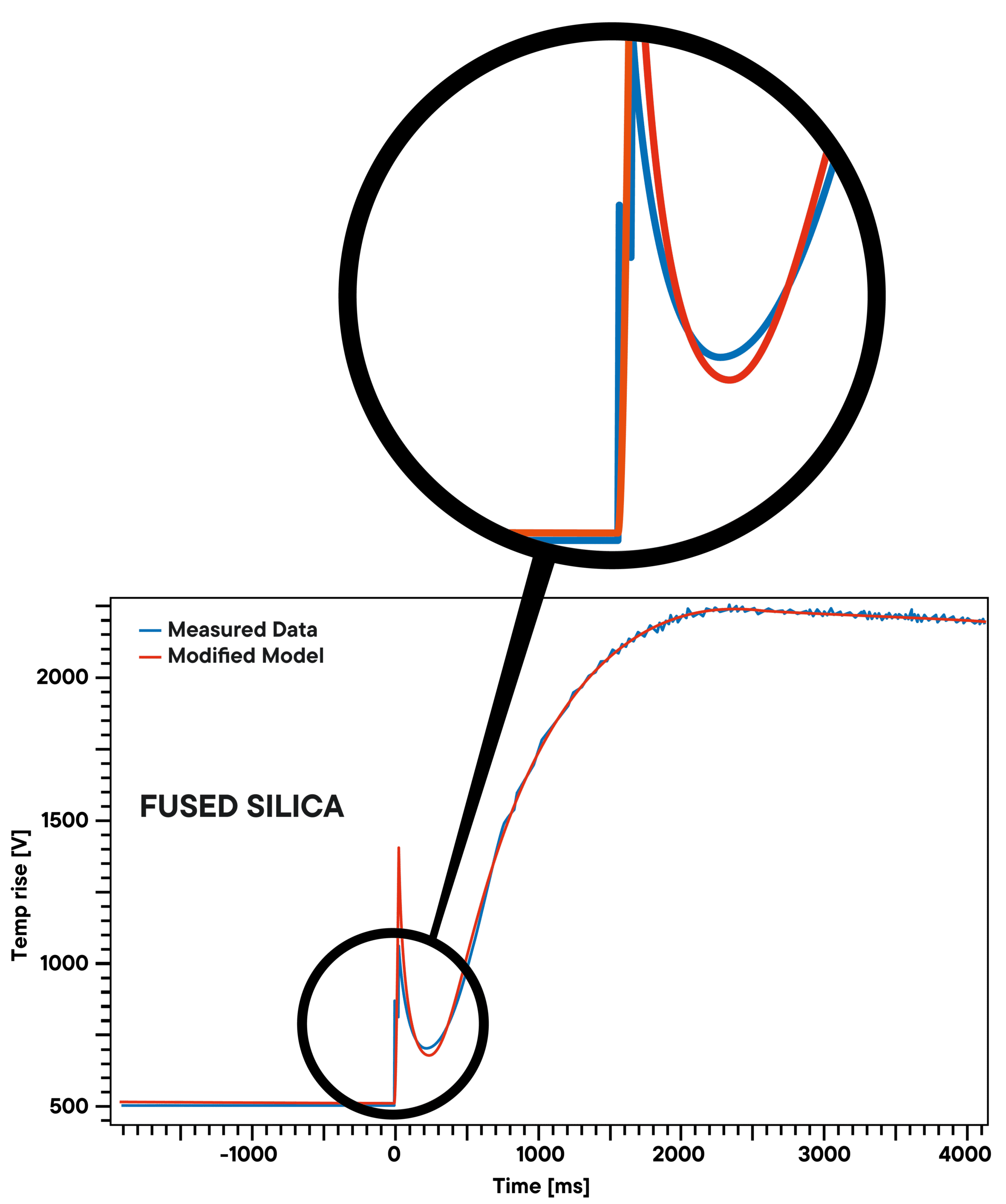
Modified combined model / special model for translucent samples

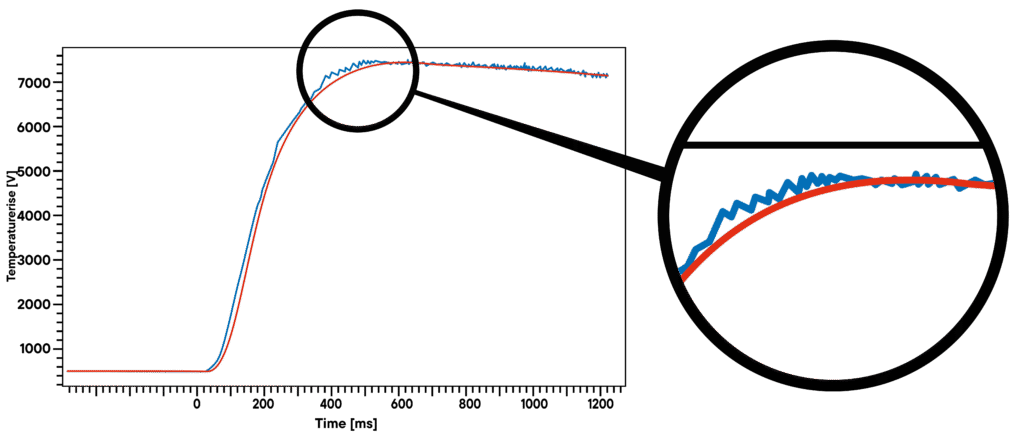
Standard Heat Loss Model
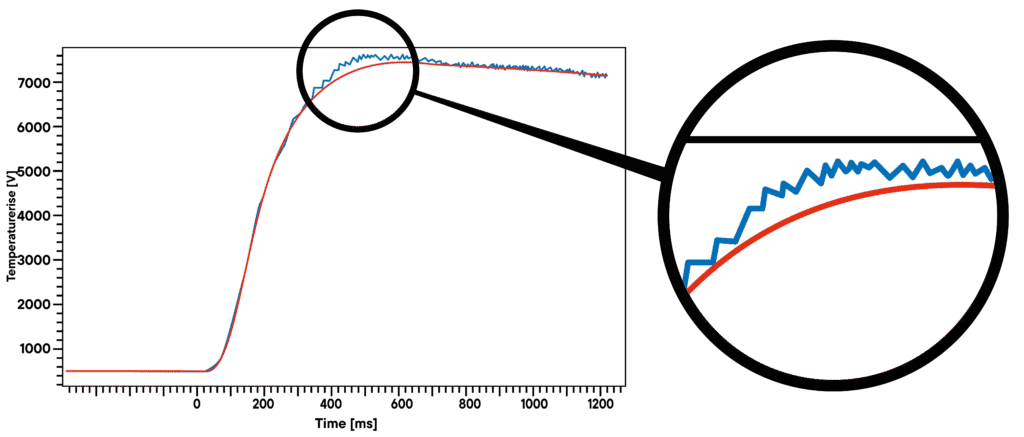
Modified Model

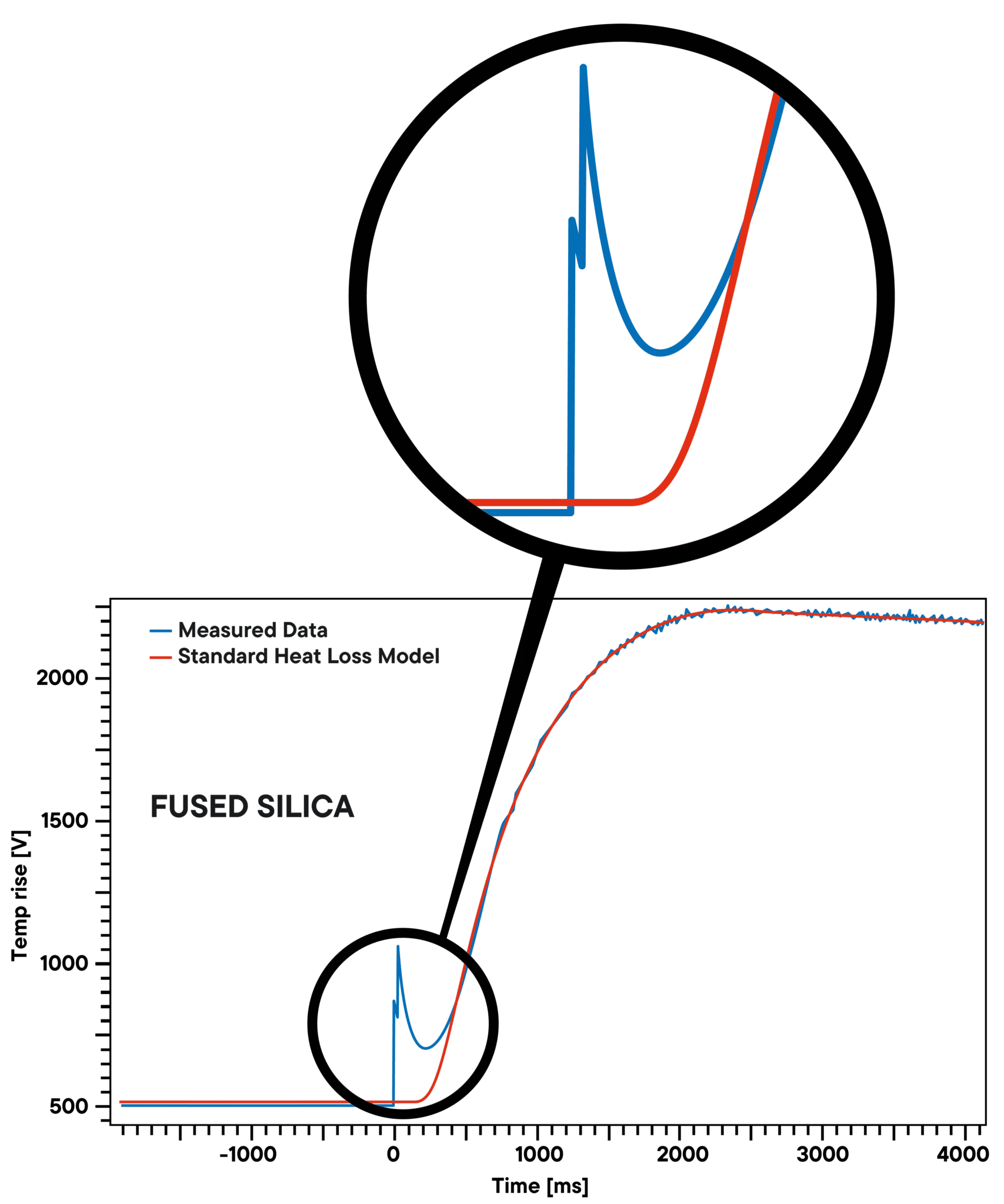
As illustrated in the graph, the temperature rise for translucent samples, generated by the induced energy pulse, results in an immediate signal increase of the detector. This initial signal has to be considered and corrected, as it distorts the measurement result to a seemingly higher thermal diffusivity. Up to now, existing models could not provide a sufficiently good fit for this immediate temperature rise phenomenon. Our unique combined model enables the correction of the sample data and provides an adjusted fit, leading to significantly improved measurement results.

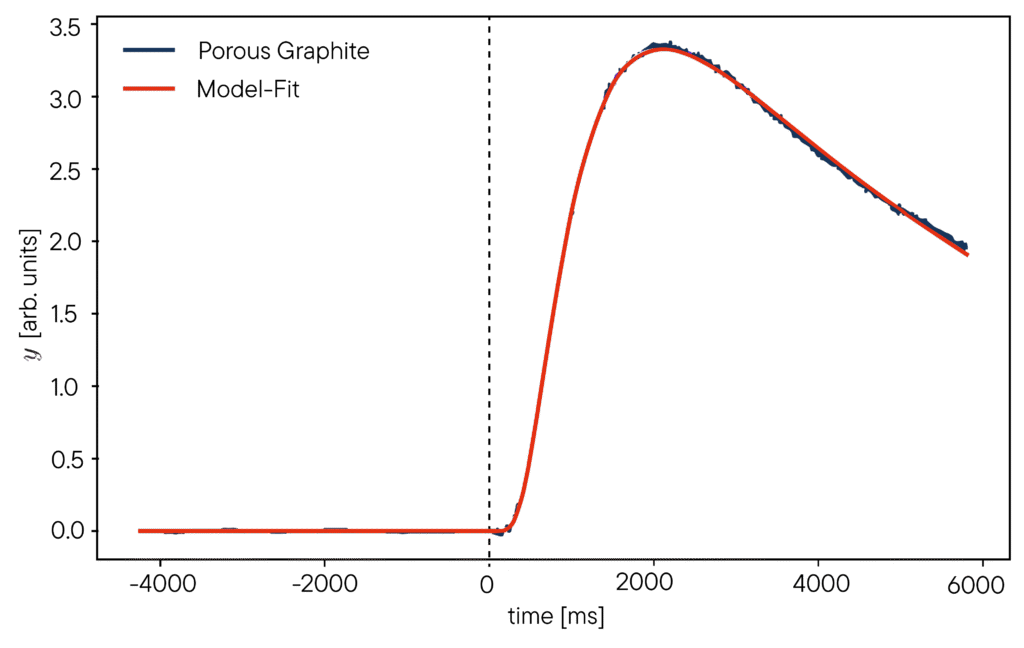
The McMasters Model is a specialized tool designed to analyze heat transfer in porous materials with precision and flexibility.

Key Features:

  • One-dimensional heat transfer model for accurate analysis.
  • Includes finite penetration depth of the initial pulse as a key fit parameter.
  • Accounts for heat losses at both front and rear surfaces of the sample.


This advanced model, based on the work of McMasters et al.,* ensures reliable and detailed results,
making it an essential option for complex thermal investigations.

* McMasters, Robert L. et al. “Accounting for Penetration of Laser Heating in Flash Thermal Diffusivity Experiments.” ASME. J.
Heat transfer (1999): 121(1): 15-21.

Large Diameter
Small Diameter

Measurement principle

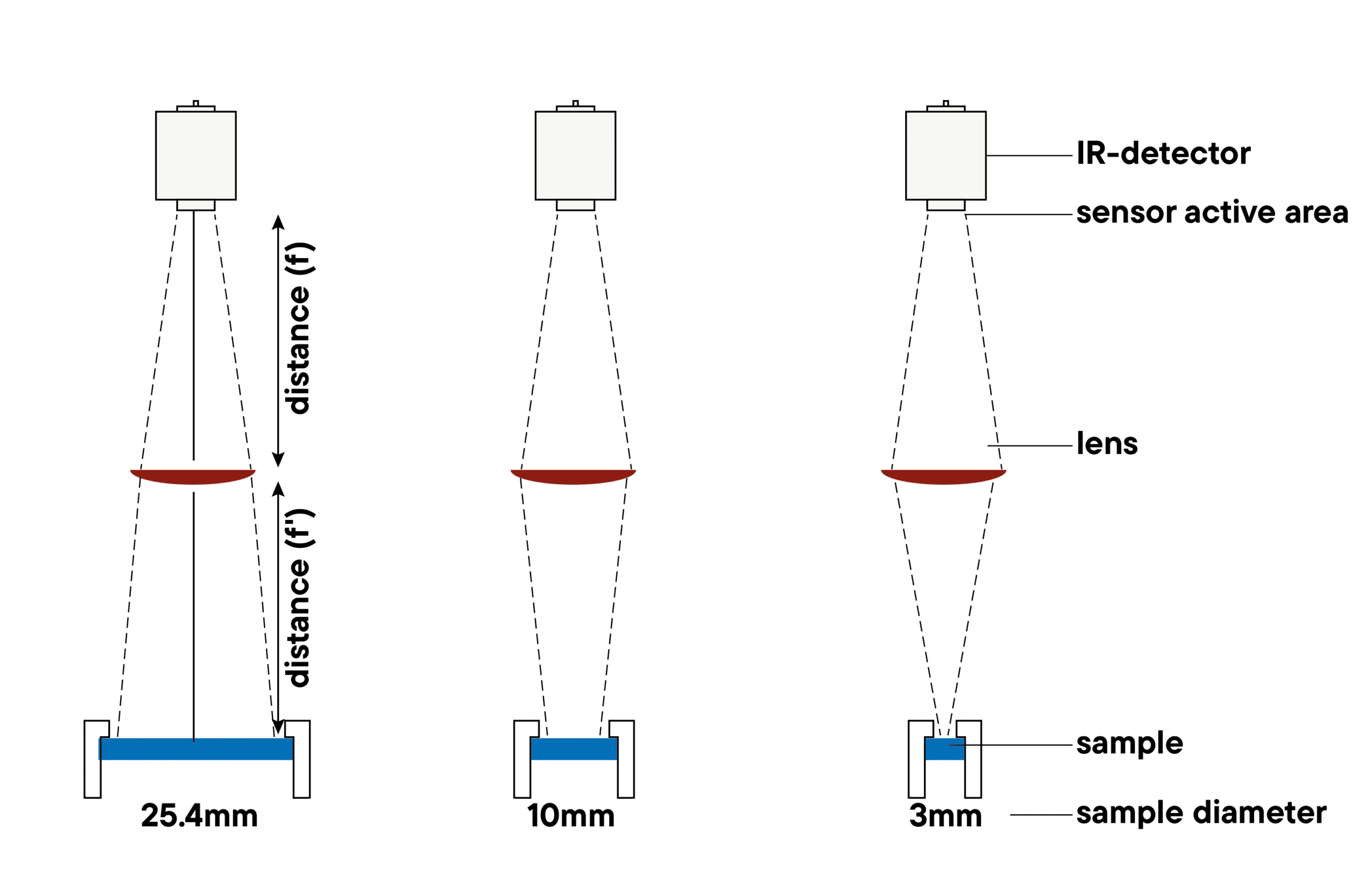
In a Flash system the signal quality depends on the amount of radiation of the sample which hits the surface of the infrared detector. Normally, the active surface of the detector is limited (e.g. 2×2 mm2) compared to a sample diameter of (3 mm to 25.4 mm). For this reason, an optimized arrangement of IR-detector, lens and sample is used to improve the imaged sample surface. The measurement spot on the sample should be as large as possible, but it should not exceed the sample. Any exceeding of the spot can generate measurement artefacts or additional noise on the signal. The vision control feature provides best signal quality for any sample dimension. The optimization ensures superior signal quality for big and small samples.

Vision control

The „vision control“ option ensures a perfect detection spot for different sample geometries. This allows the perfect adaption to image the sample surface ideally and sharply on the sensor active area.*

*Not available in all configurations and countries

The price of an LFA L52 system depends on the selected configuration and additional options, such as the temperature range, detector type, automation features, or specialized sample holders. Since each system can be tailored to your specific application requirements, the cost can vary significantly.

For an exact quotation, please use our contact form to send us your requirements – we will be happy to prepare a customized offer for you.

The delivery time for an LFA L52 largely depends on the chosen options and configuration. Additional features such as extended temperature ranges, specialized detectors, automation, or custom adaptations may increase production and preparation time and therefore extend the delivery period.

Please contact us via our contact form to receive an accurate delivery time estimate based on your individual requirements.

Software

Making values visible and comparable

ALL NEW LiEAP Software

The newly developed LiEAP software includes AI-based assistance that minimizes operator errors and reduces measurement uncertainties. Additionally, the software supports various unique models, including the Dusza model, which can handle transparent, porous, liquid, powder samples and multilayer systems.

Main Features

  • Fully compatible MS®Windows™ software
  • Data security in case of power failure
  • Safety Features (Thermocouple break protection, power failure, etc.)
  • Online and offline Evaluation of current measurement
  • Curve comparison
  • Storage and export of evaluations
  • Export and import of data in ASCII format
  • Data export to MS Excel
  • Multi – method analysis (DIL, STA, DSC, HCS, LSR, LZT, LFA)
    Programmable gas control
  • NEW workflow
  • Measurement data is automatically stored in a database.


Cp (Specific Heat) determination by comparative method

To calculate the specific heat capacity, the maximum of the temperature rise in the sample is compared to the maximum of the temperature rise of a reference sample. Both, the unknown and the reference sample are measured under the same conditions in a single run, using the sample robot. So, the energy of the laser pulse and the sensitivity of the infrared detector can be assumed to be the same for both measurements. 

Pulse detection

In order to enhance the precision of the Cp meaurement, it is essential to measure the energy of the pulse and the sensivity of the detector, rather than assuming these to be constant.
Therefore, the updated LFA L51 offers the possibilitiey to record the plus shape and detects the pulse shape and perform an energy correction in the fully automated measurement cycle. This results in a highly accurate determination of the specific heat capacity in the comparative measurement mode with a known reference material.

Evaluation Software

  • Automatic or manual input of related measure- ment data: such as density and specific heat
  • Universal combined evaluation model for data evaluation
  • Special models for translucent or porous samples


Evaluation Models

  • Dusza combined model
  • NEW McMasters model (for porous samples)
  • 2-/3-layer models
  • Parker
  • Cowan 5 and 10
  • Azumi
  • Clark-Taylor
  • Degiovanni
  • Finite pulse correction
  • Heat loss correction
  • Baseline correction
  • Multilayer model
  • Determination of contact resistance
  • Correction for translucent samples


Measurement Software

  • Easy and user-friendly data input for tempera- ture segments, gases etc.
  • Controllable sample robot
  • Software automatically displays corrected measurements after the energy pulse
  • Fully automated measurement procedure for multi sample measurements
  • Costumer support
  • Easy mode for efficent and fast measurements
  • Expert mode for maximum individualisation
  • Service model monitors the device mode and provides feedback

Applications

Ceramics & Glas

Glass and ceramics are essential materials in both traditional and high-tech applications. From household items to advanced components in electronics, aerospace and medical technology, their unique mechanical, thermal and chemical properties enable versatile use under demanding conditions.

Thermal analysis methods play a crucial role in material development and process optimization. They provide precise insights into thermal conductivity, heat capacity, thermal expansion and sintering behavior. This allows manufacturers to fine-tune compositions, improve energy efficiency and ensure product performance across a wide range of glass and ceramic materials – including technical ceramics, smart surfaces and fiber-reinforced composites.

Application example: Thermal conductivity, thermal diffusivity and specific heat capacity of glass ceramics

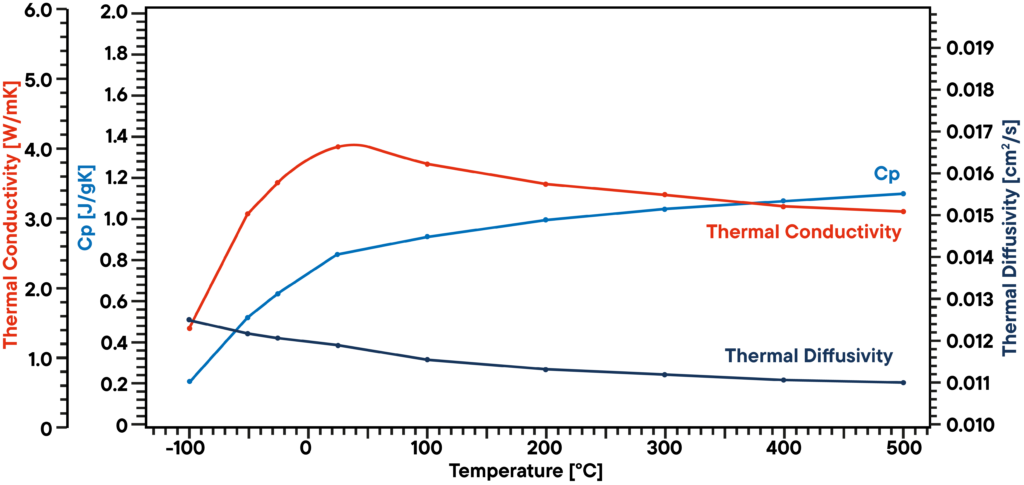
BCR 724, a standard glass ceramic has been measured using LFA L52. Therefore, a small disc of 1mm thickness and 25.4mm diameter was cut out of a plate of bulk material and coated with graphite for the measurement. The LFA L52 gives the thermal diffusivity as a direct function of temperature. The Cp data was obtained in a comparative way by measuring a known ceramic standard under the same conditions in a second sample position of the same sample holder. Using this, the thermal conductivity was calculated out of the product of density, specific heat and thermal diffusivity. The result shows a slightly decreasing thermal diffusivity and conductivity while the Cp value increases over temperature.

Application example: Thermal diffusivity of glass ceramic

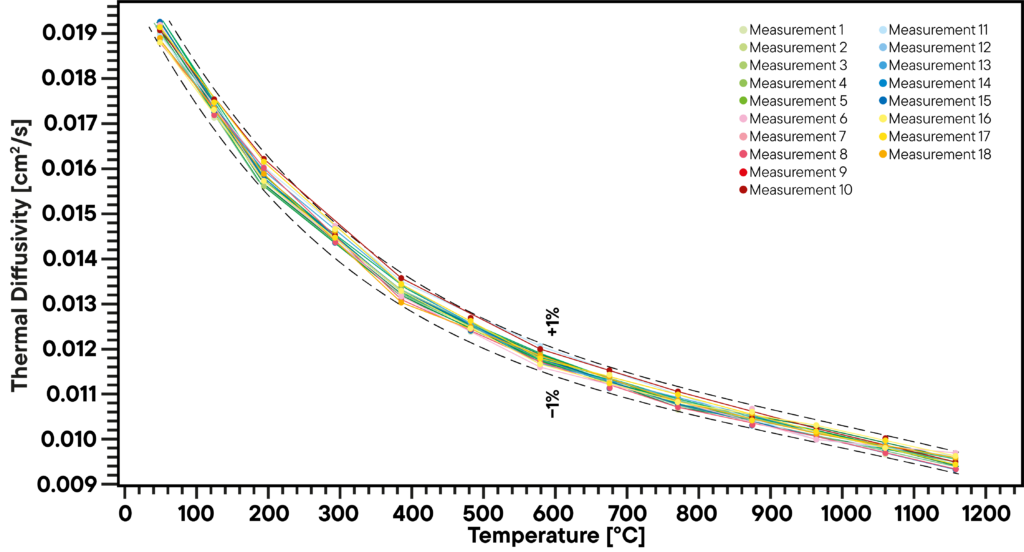
Pyroceram, a glass ceramic trademark of Corning used as a standard material in various applications, has been measured using the LFA L52 to show the reproducibility of thermal diffusivity values. In total 18 measurements were performed with 18 samples that were cut out of one bulk block. Each sample was measured separately and the result shows a spread in the result that is in a range of +/- 1 % in a temperature range up to 1160°C.

Application example: Thermal conductivity, thermal diffusivity and specific heat capacity of glass ceramics

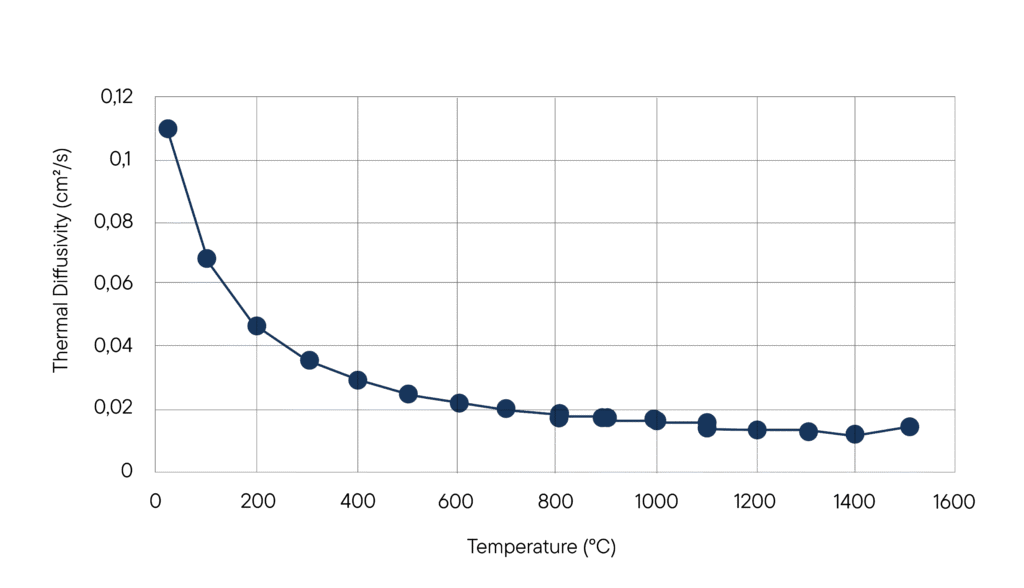
The presented measurement shows the temperature-dependent thermal diffusivity of alumina in the range from room temperature up to
1500 °C. At low temperatures, alumina exhibits relatively high thermal
diffusivity values around 0.11 cm²/s. With increasing temperature, a strong
decrease is observed, approaching values close to 0.015 cm²/s at high
temperatures.
Knowledge of this property is essential for applications in refractories,
substrates and structural ceramics, where reliable heat management and
long-term stability are required.

New materials play a crucial role in technological innovation – from lightweight composites in aerospace to advanced ceramics and semiconductors. Their development requires detailed knowledge of thermophysical properties such as thermal diffusivity, thermal conductivity and specific heat capacity.

The LINSEIS LFA systems provide fast, non-destructive and precise measurement of these key parameters. This makes them essential tools in material research and development, especially for polymers, ceramics, hybrid materials and high-temperature alloys. With accurate LFA data, researchers can optimize heat flow, improve performance under thermal stress and support the development of safer, more efficient and sustainable materials.

Application example: Thermal conductivity of graphite

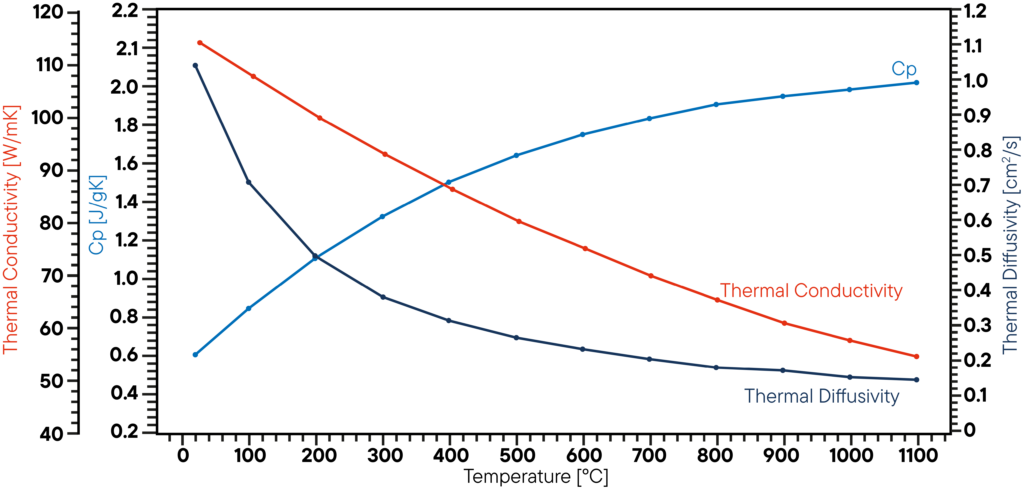
A graphite sample has been investigated using the LFA L51. Thermal diffusivity has been determined directly at several temperature between RT and 1000°C. Specific heat capacity has been determined using a known graphite standard in a second sample position as a reference in the same measurement. The product out of diffusivity, specific heat and density gives the corresponding thermal conductivity. The result shows a linear decreasing thermal conductivity which is typical and a thermal diffusivity that is showing a plateau above 500°C. The Cp is slightly increasing over temperature.

Materials used in nuclear systems must endure extreme thermal, mechanical and radiation loads. Their thermal conductivity, expansion behavior and resistance to corrosion or irradiation damage are essential for maintaining reactor safety and preventing the release of radioactive material under operating conditions.

Thermal analysis methods provide valuable insights into material degradation, phase changes and long-term stability at high temperatures and pressures. They support the development of advanced alloys, ceramic composites and radiation-tolerant materials for fuel rods, reactor vessels and next-generation concepts such as molten-salt reactors and SMRs. This enables reliable lifetime assessments, improved safety margins and optimized performance of critical nuclear components.

Application example: Thermal Diffusivity of graphite

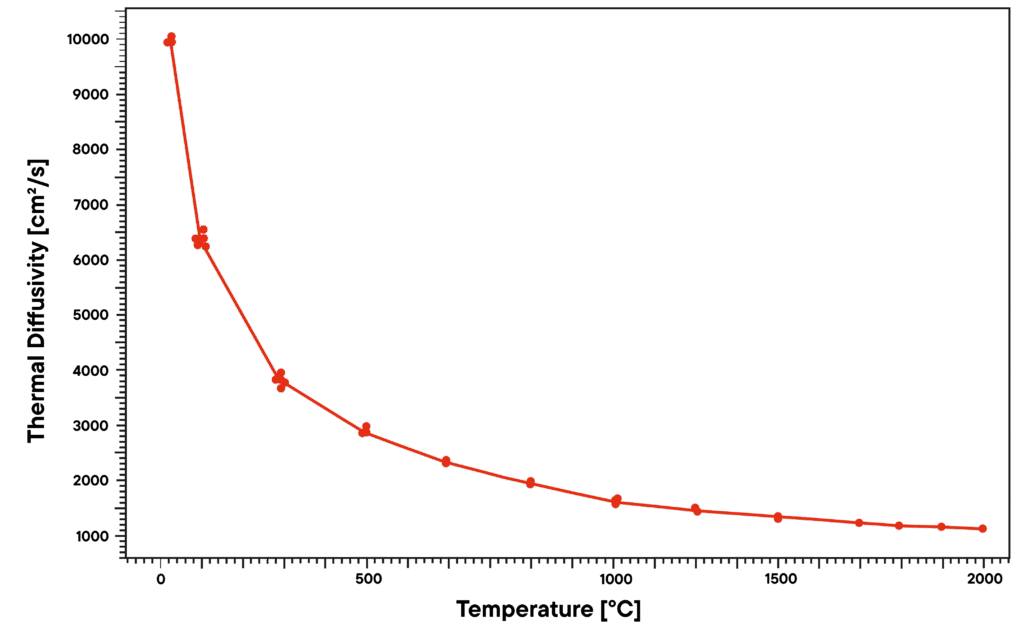
A graphite sample was analyzed using the LFA L52 from RT to 2000 °C.
Thermal diffusivity was determined directly and specific heat capacity
measured using a reference sample in the same run.
Results show a strong decrease in diffusivity with temperature, leveling off above ~1500 °C – a typical behavior of graphite due to increased phonon scattering at high temperatures.

well informed

Downloads

Everything at a glance

LFA L52

High-performance LaserFlash for measuring thermophysical properties