









Simultaneous thermal analysis

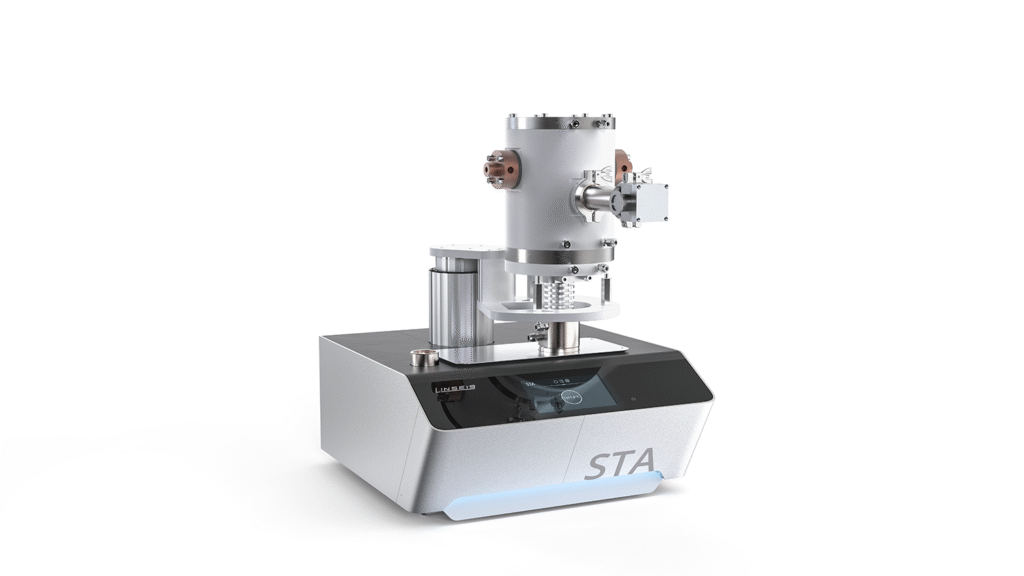
STA L81

TG + DSC – High temperature STA with furnace configuration up to 2400°C

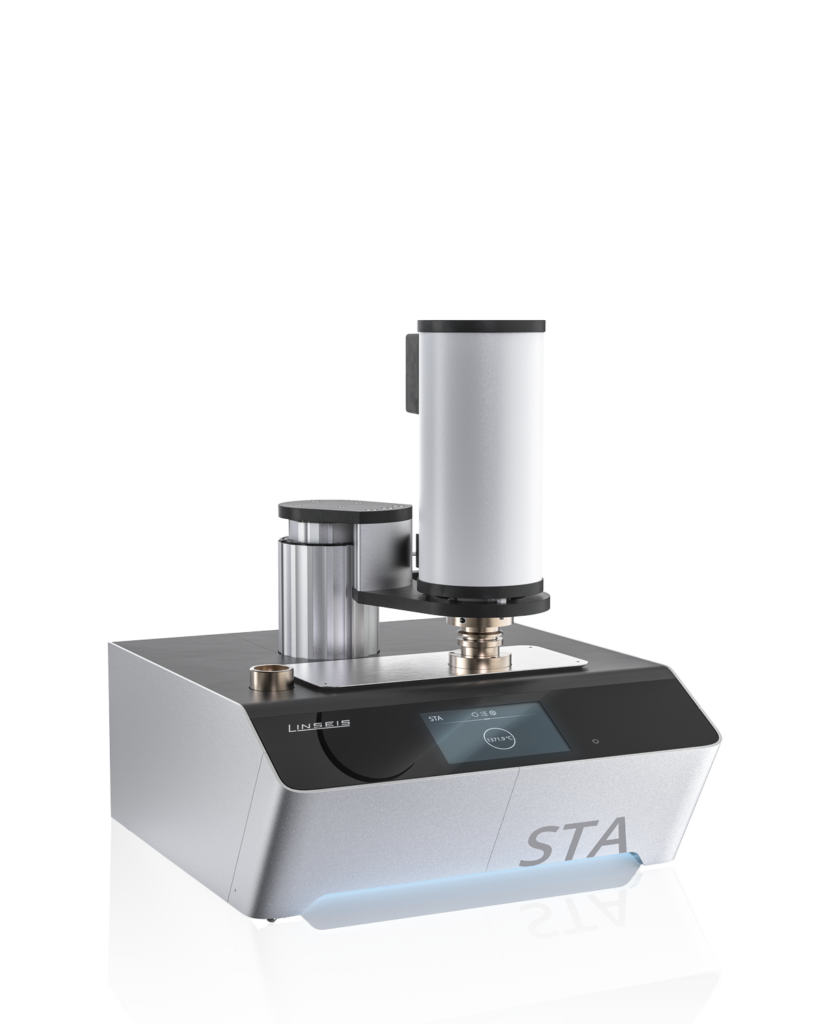
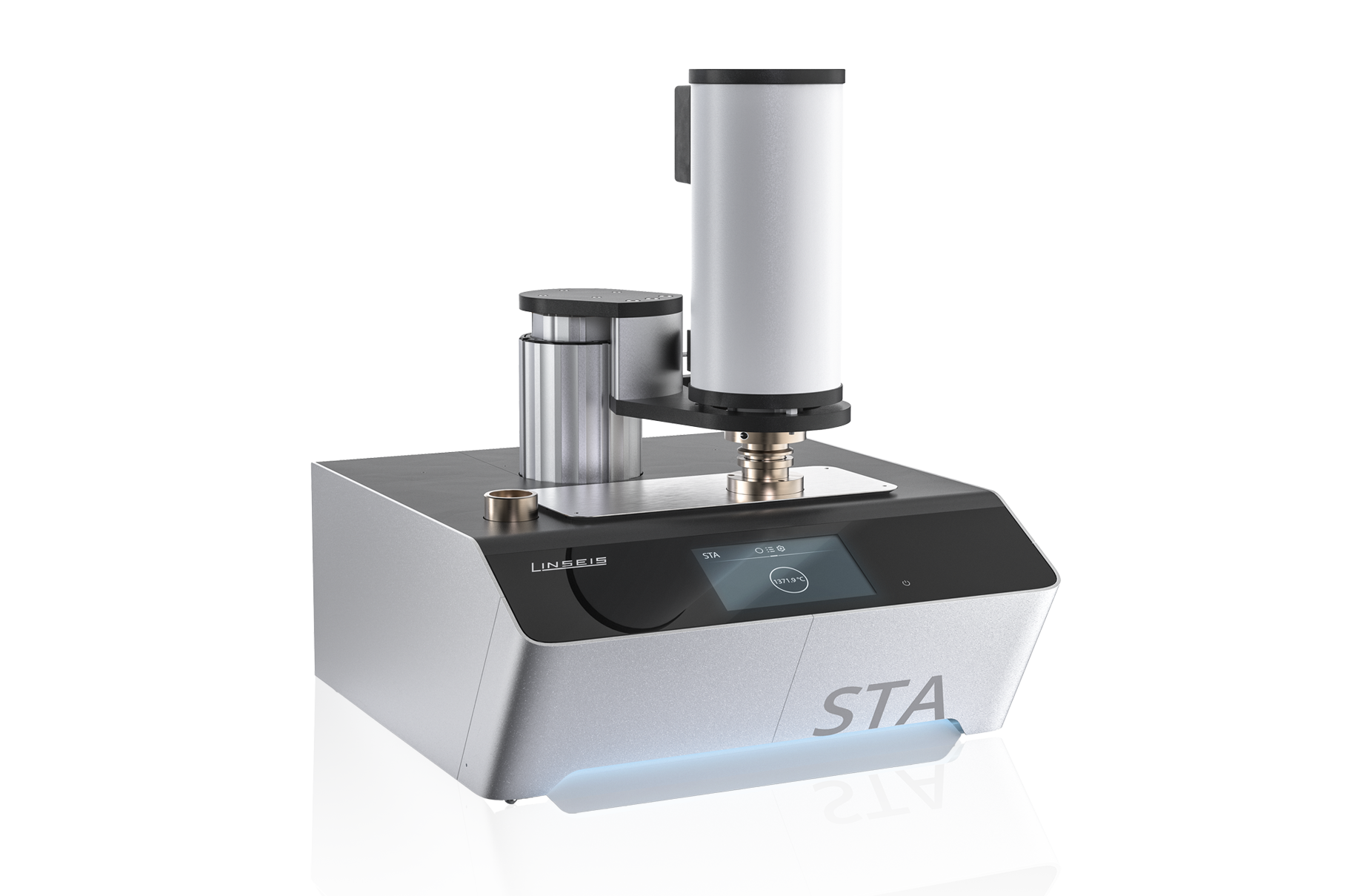
STA L81: Combination of thermogravimeter and differential scanning calorimeter

The LINSEIS STA L81 is a high-end system for simultaneous high-performance thermal analysis (TG-DSC) with dynamic differential scanning calorimetry functions. This versatile device is ideal for investigating the thermal stability, of phase transitions, oxidation/reduction reactions and decomposition processes in a variety of materials and applications. With interchangeable furnaces in the temperature range from -150 °C to 2400 °C and a sample load capacity of up to 35 g, the STA L81 offers outstanding flexibility, precision and reliability.

Unique features

Icon for certified quality and conformity to standards

Electronics upgrade

The new measuring electronics offer significant performance improvements and are based on the “Linseis Digital Balance” architecture.

The advantages of this new digital scale architecture include:

  • Minimization of drift
    Ensures consistently high precision over long periods of time.

  • Improved resolution
    Unique resolution in the sub-microgram range.

  • Highest accuracy
    Increases the reliability of your measurement results.

  • Reproducibility
    Ensures consistent results with repeated measurements.

STA PT 1600

New hardware features

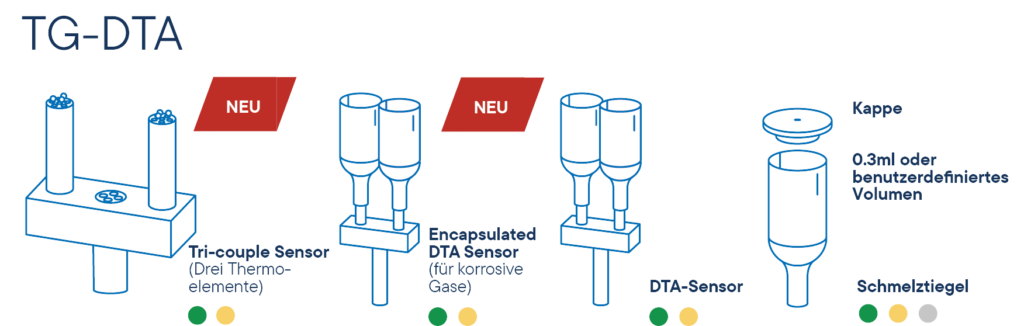
  • Tri-couple DTA measuring system
    DTA measuring system with three thermocouples for detecting the smallest endothermic and exothermic effects – even with inhomogeneous samples.

  • Jacketed DTA measuring system for corrosive samples
    Specially developed for demanding sample environments, the jacketed DTA system offers additional protection against corrosive gases and aggressive decomposition products. It ensures the long-term durability of the sensor system and precise heat flow measurements – even with highly reactive or contaminating substances.

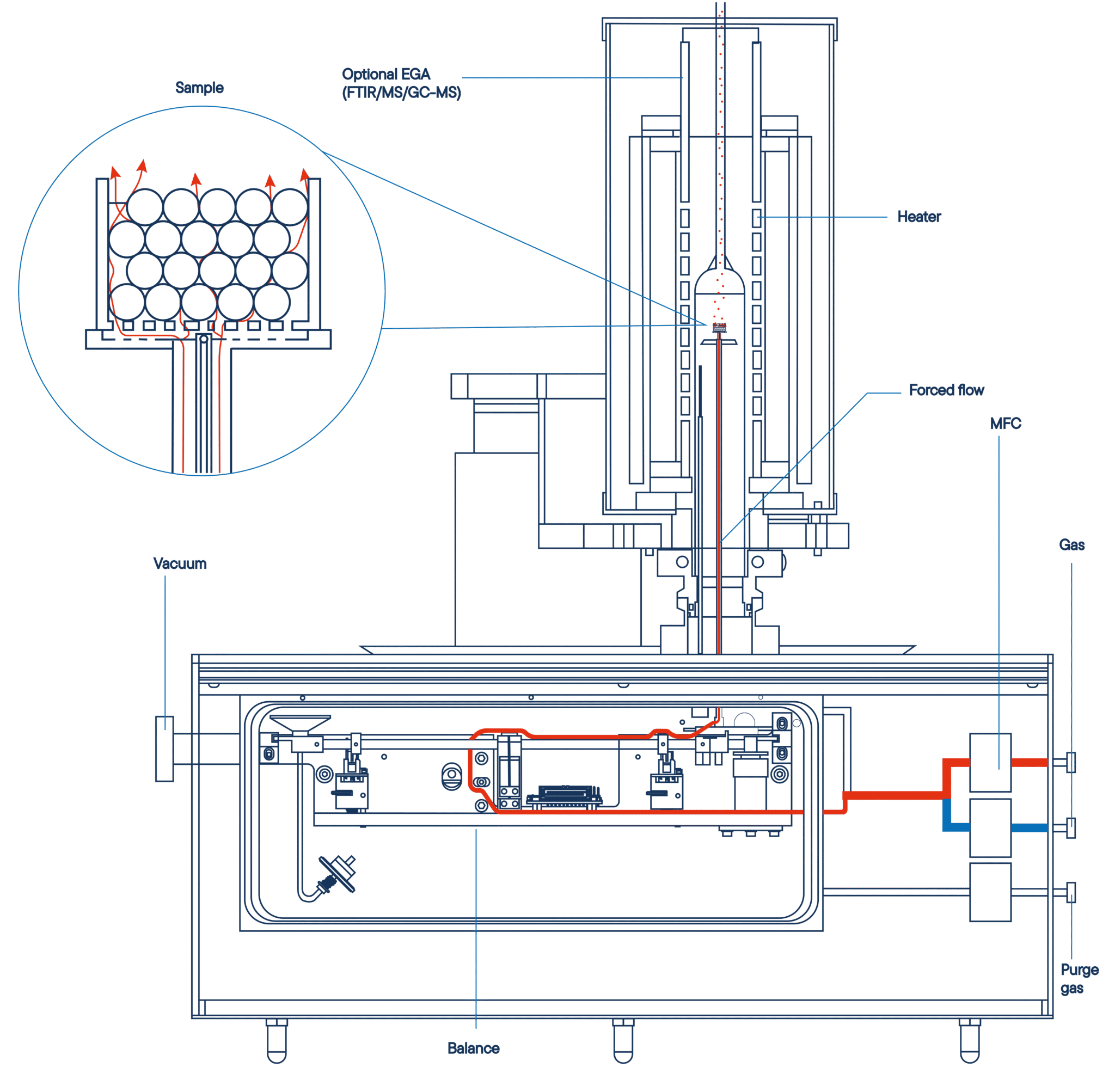
  • Patented “Forced Flow” method
    Enables a forced gas flow through your TG or TG-DTA measurement. Up to 100 % of the reaction gas is selectively supplied to the sample.
    This innovative method allows scalable measurements for the first time and therefore precise analysis under realistic conditions.

Design improvements

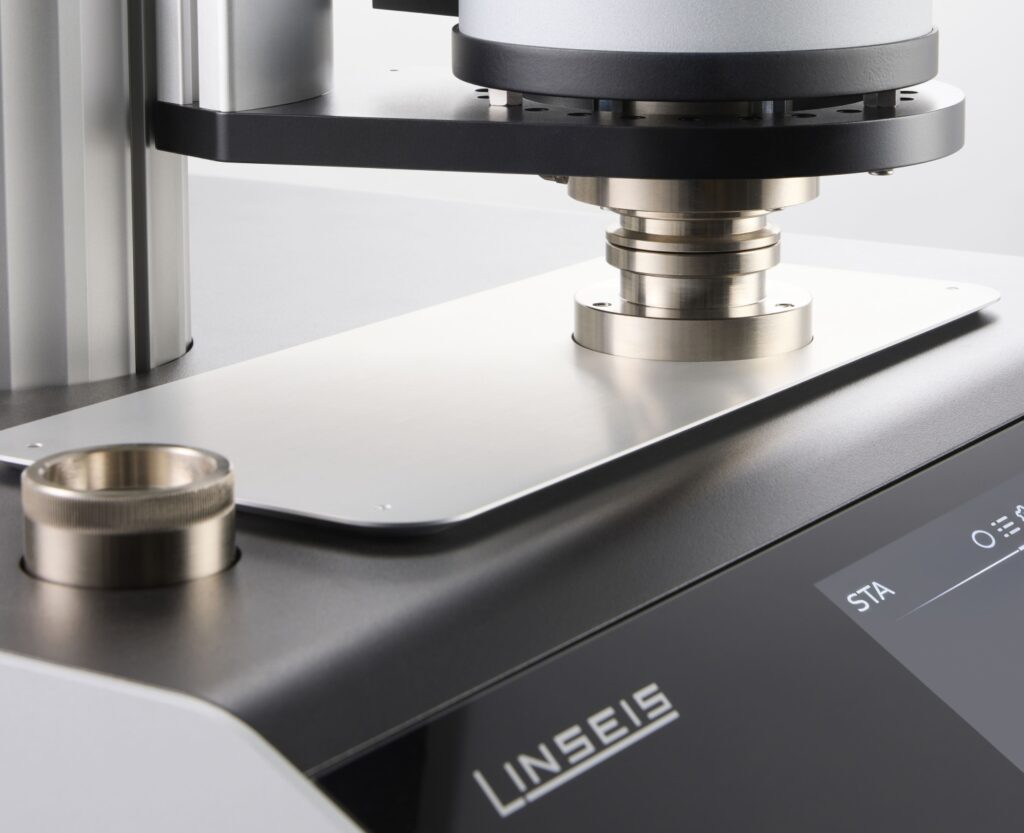
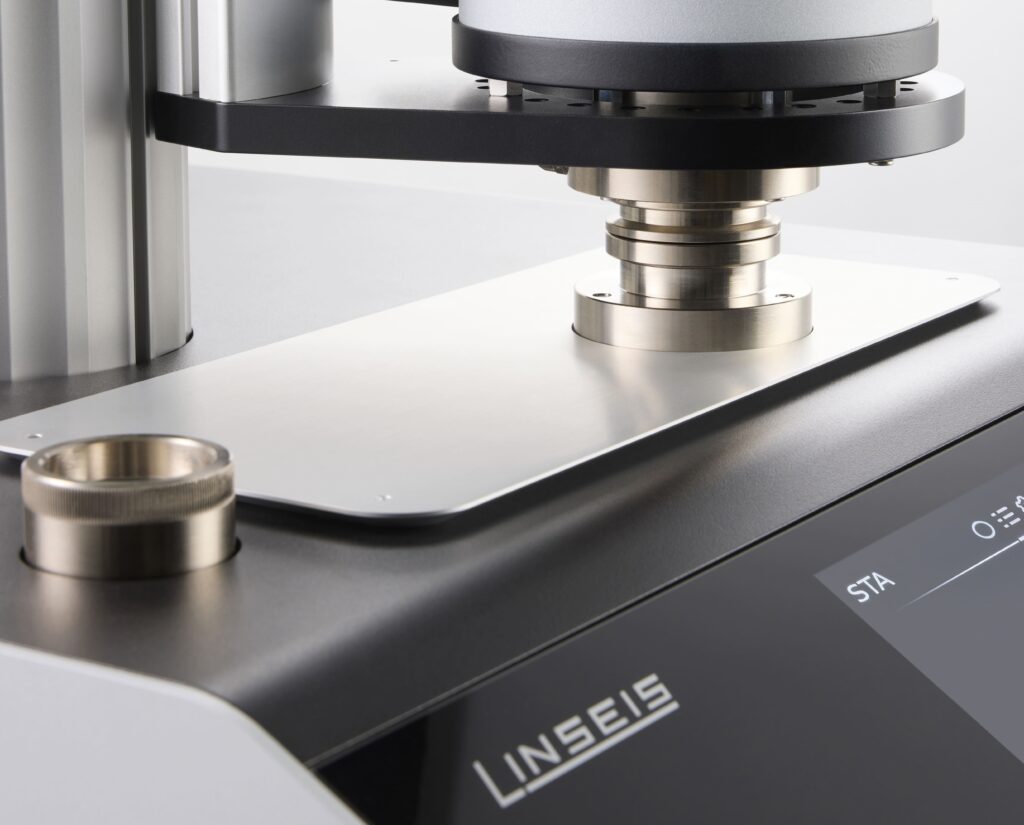
The new device design is characterized by an elegant aluminium housing that is both robust and visually appealing. An LED status bar provides a user-friendly visualization of important information. A touch panel enables intuitive operation and ensures a modern user experience that combines convenience and functionality. The focus of the new design is on ergonomic handling.

With Linseis Lab Link, we offer an integrated solution for eliminating uncertainties in measurement results. With direct access to our application experts via the software, you receive advice on the correct measurement procedure and how to evaluate the results. This direct communication ensures optimal results and maximizes the efficiency of your measurements for accurate analysis and research and a smooth process flow.

  • Lex Bus Plug & Play
    Our latest hardware interface Lex Bus revolutionizes data communication within our systems.
    Lex Bus enables the seamless and efficient integration of new hardware and software tools.

  • Improved oven control
    Our new and further optimized oven control system allows even more precise temperature control.
    The result: more precise temperature control – exactly according to your wishes and requirements – and therefore better measurement results.

  • New software with user interface
    Our communication is now even more focused on your needs:
    You are always informed about the current status and receive targeted support whenever it is needed.

  • Process reliability
    Our software has been optimized for maximum process security: Your data is protected at all times and can be processed in a fail-safe manner.

  • Error messages and bug fixes
    The system automatically detects errors and problems, documents them immediately and fixes them as quickly as possible – for minimal downtime.

  • Automatic updates and new functions
    Regular automatic software updates not only improve security, but also continuously bring new functions.

  • Permanent system monitoring
    The software permanently monitors all system parameters – for optimum performance at all times.

  • Preventive maintenance and problem detection
    Our preventive maintenance approach detects problems and wear at an early stage, before damage occurs – to keep your appliance in top form for the long term.

The appliances have an integrated automatic emptying function that ensures efficient processes and smooth operation.

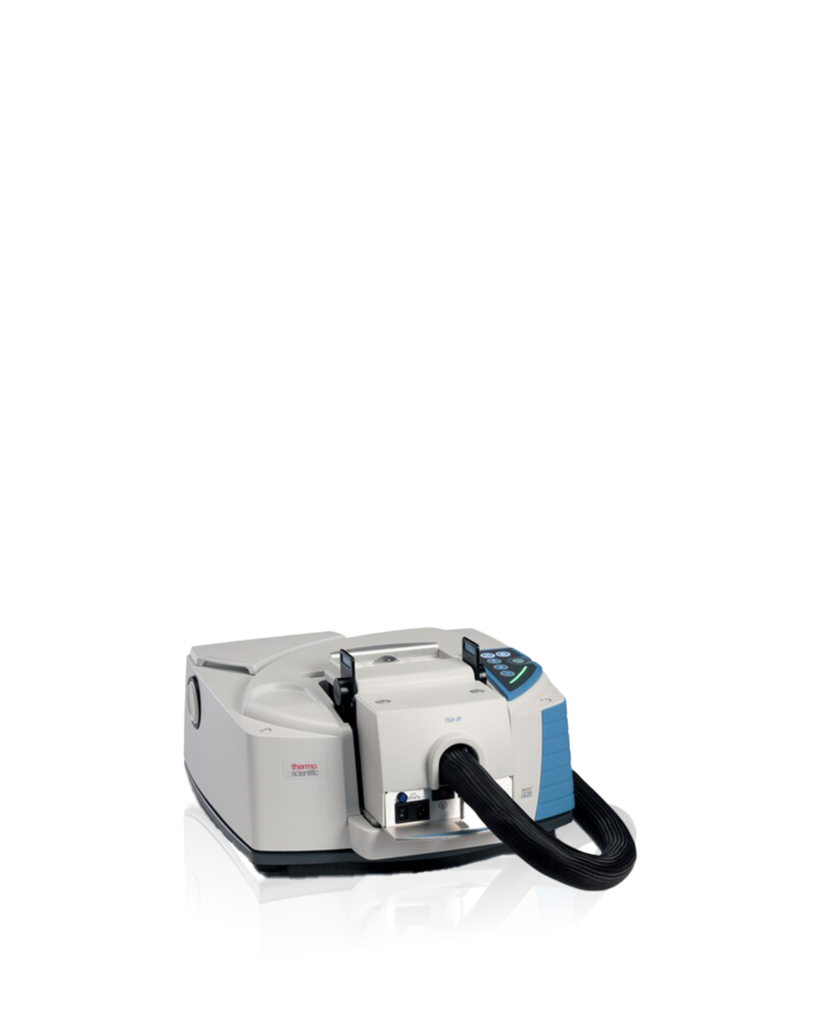
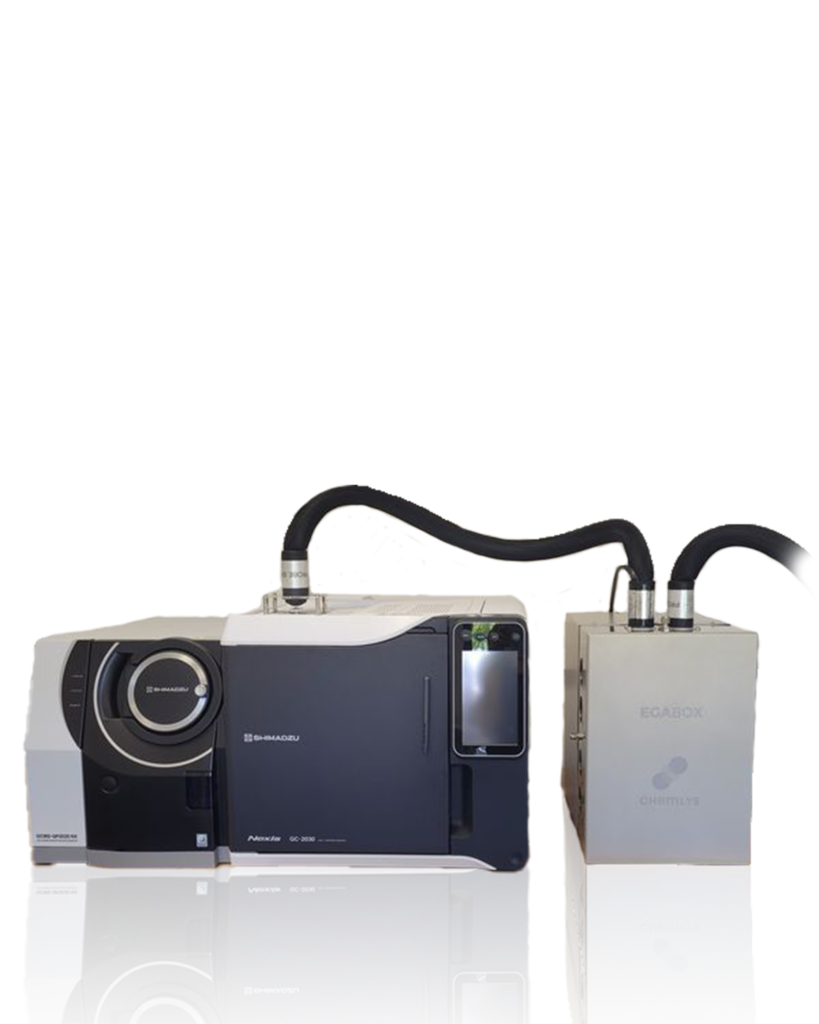
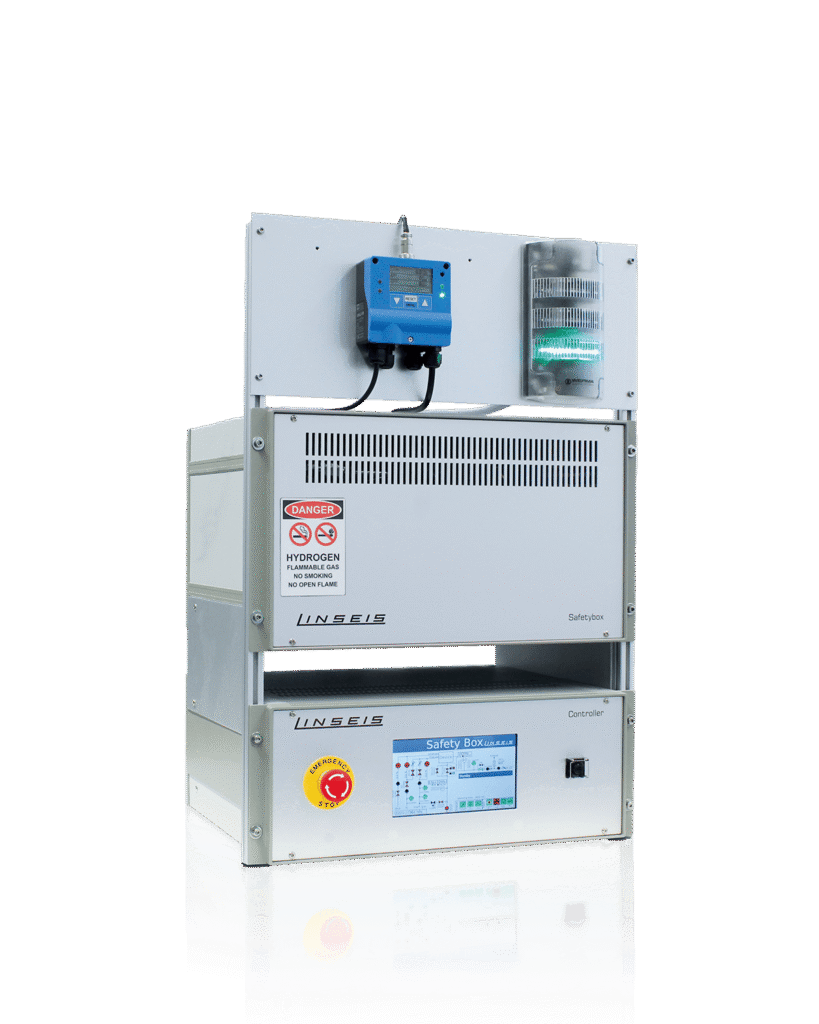
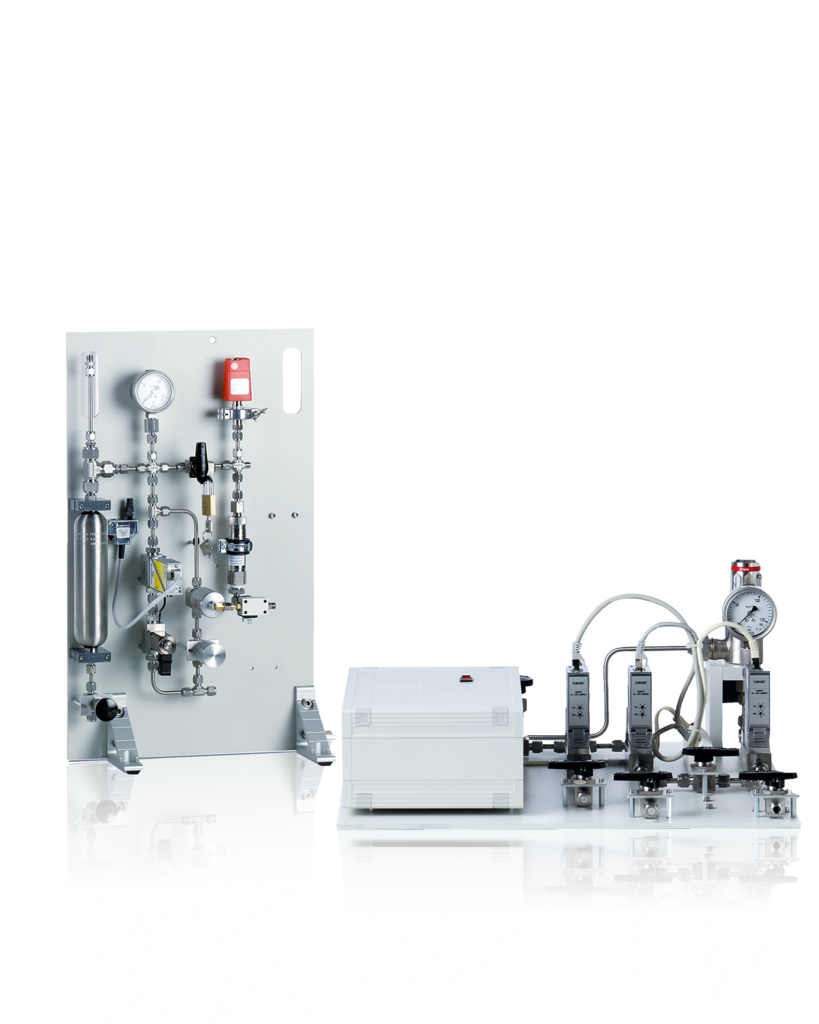
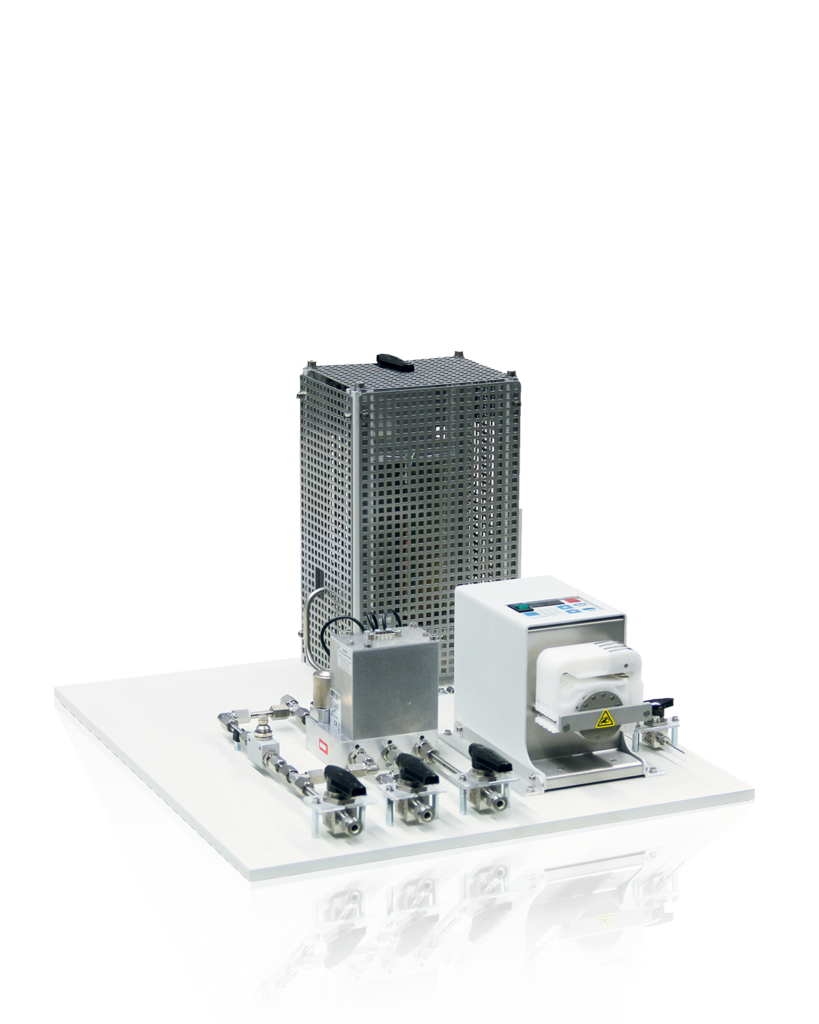
An optional gas analysis with MS, FTIR or GCMS provides valuable additional information. The system supports stand-alone or integrated MFCs for precise gas dosing and can be customized with options such as a heated inlet. A flexible gas safety system enables the safe use of gases such as hydrogen or carbon dioxide.

Highlights

Print_red
Gas bottle_red
Mulit Sample Robot_red

High-resolution DTA
(3 thermocouples)

Accessories starter kit

Sample robot

Wide temperature range

Shielded DTA
for corrosive
applications

Vacuum and controlled atmosphere

Automatic evacuation
and calibration

Key features

Wide temperature range

-150 °C to 2400 °C – LINSEIS STA devices can be equipped with up to two furnaces simultaneously. A wide selection of different furnace types enables measurements in the largest temperature range available on the market.

Sample robot

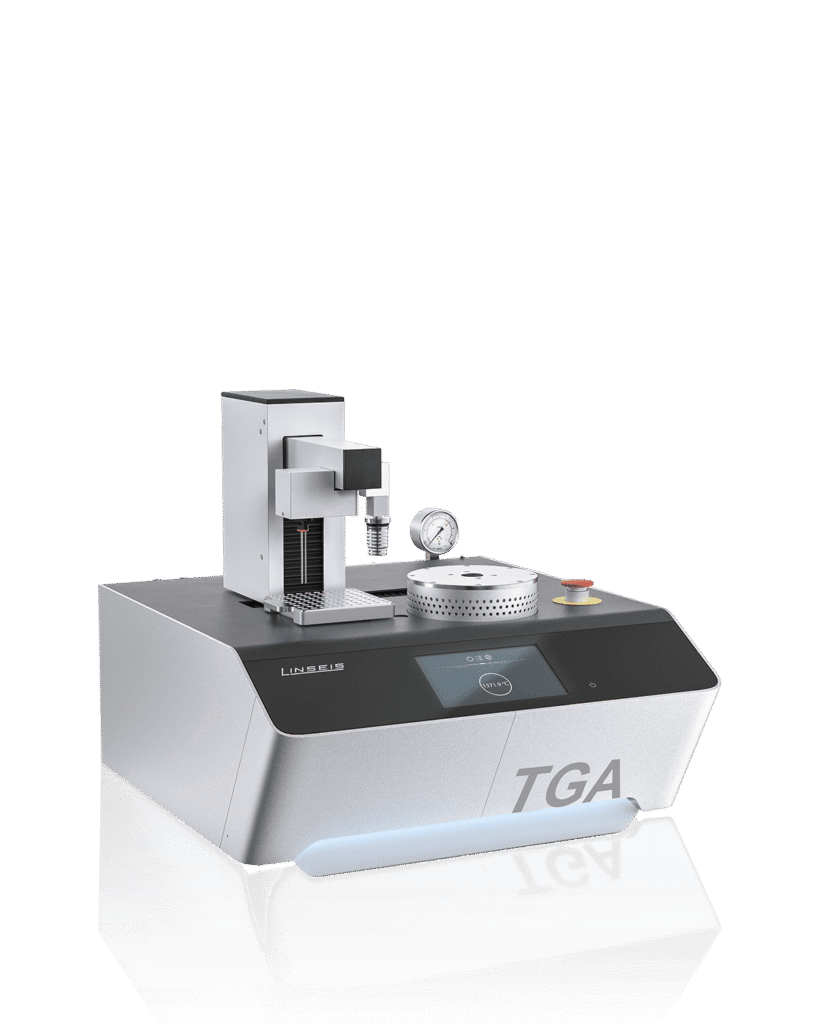
Our STA L81 can be equipped with a proven sample robot that enables unattended sample measurements – for maximum sample throughput.

Vacuum and controlled atmosphere

  • Supports high vacuum as well as inert, reducing, oxidizing or humidified atmospheres
  • Optionally, pressurization with up to 5 bar overpressure is possible
  • The analysis of certain corrosive conditions can be realized with appropriate precautions
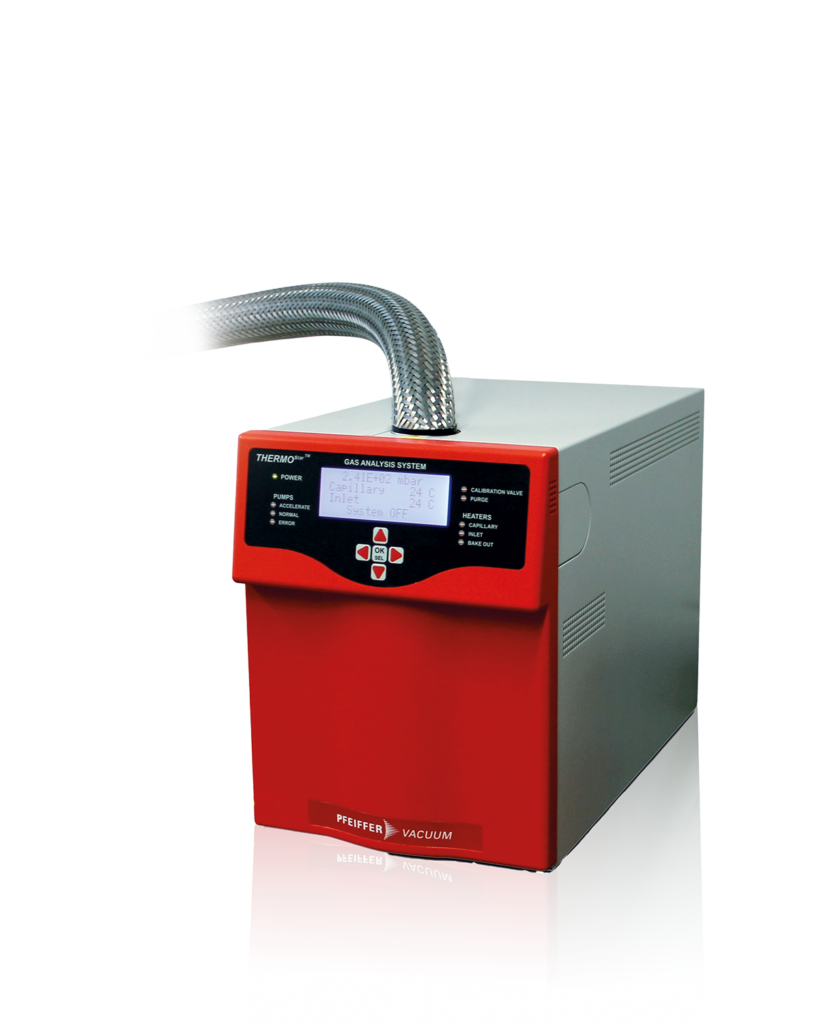
  • A heated capillary can be optionally integrated for residual gas analysis

Integrated LINSEIS platform

The integrated LINSEIS software offers a comprehensive solution that combines hardware and software for maximum process reliability and precision. The standardized platform enables seamless integration of components and devices from external partners – for a particularly robust and reliable overall system.

Questions? Just give us a call!

+49 (0) 9287/880 0

Our service is available Monday to
Thursday from 8 am to 4 pm
and Friday from 8 am to 12 pm.

We are here for you!

Specifications

12 different ovens available

Temperature range: -150°C to 2400°C

22 different sensors available
Discover our high-performance STA – developed for maximum flexibility and precision:

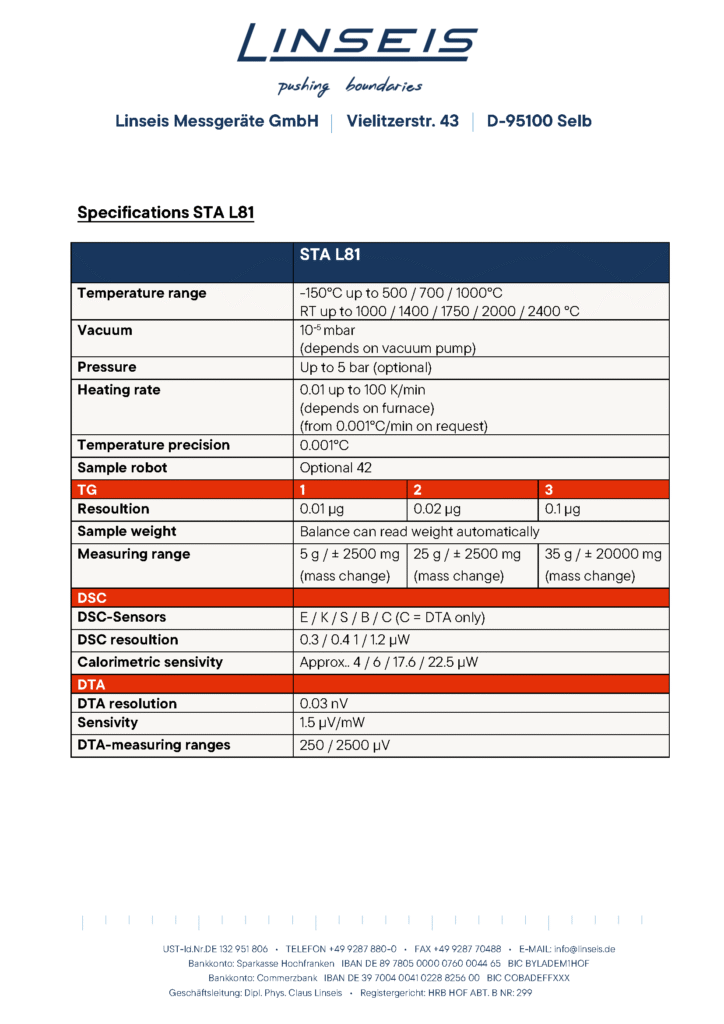
  • Heating rates: 0.01 to 100 K/min (on request also from 0.001 K/min)

  • Temperature resolution: 0,001 K

  • Atmospheres: Vacuum up to 10-⁵ mbar (depending on the pump), pressure up to 5 bar (optional)

  • Balance resolution: 0.01 / 0.02 / 0.1 μg

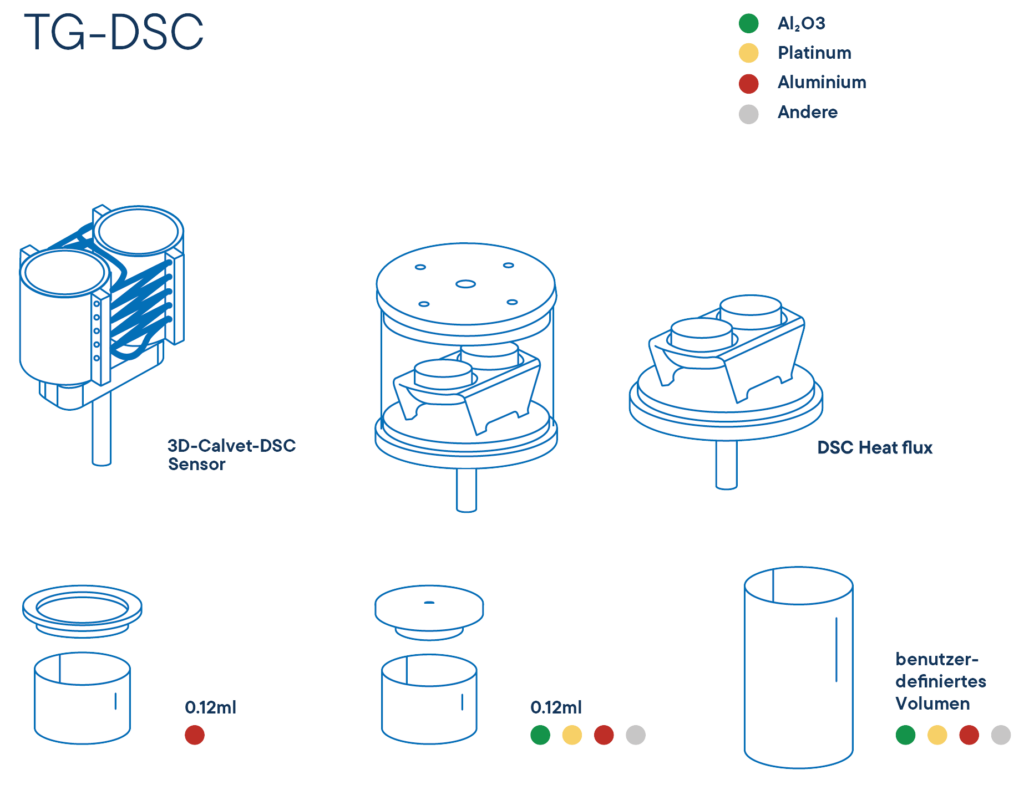
  • Sensor options: TG, TG-DTA, TG-DSC with E- / K- / S- / B- / C-sensors (C = DTA only)

Hoctemperature specialist

The STA L81 tungsten furnace is the reliable solution for applications in the ultra-high temperature range up to 2400 °C. In contrast to graphite, which can react with many samples at high temperatures, tungsten offers high chemical stability even under demanding conditions.

Ideal for sensitive materials, this oven ensures precise measurement results without unwanted interactions. Designed for maximum robustness and performance, it is the first choice when the highest temperatures and sample compatibility are required.

Recommended equipment

EGA - Evolved Gas Analysis

Method

Simultaneous Thermal Analysis

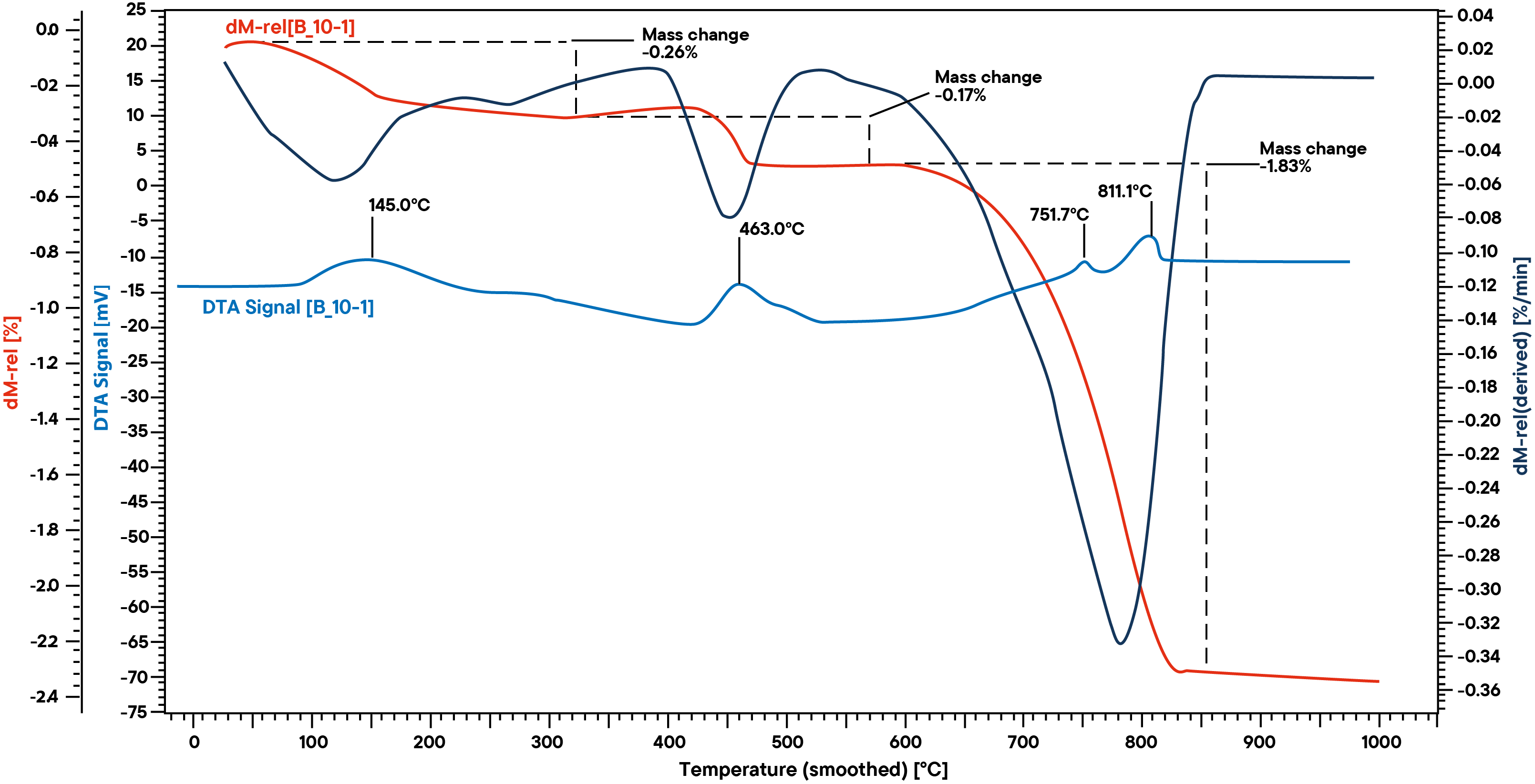
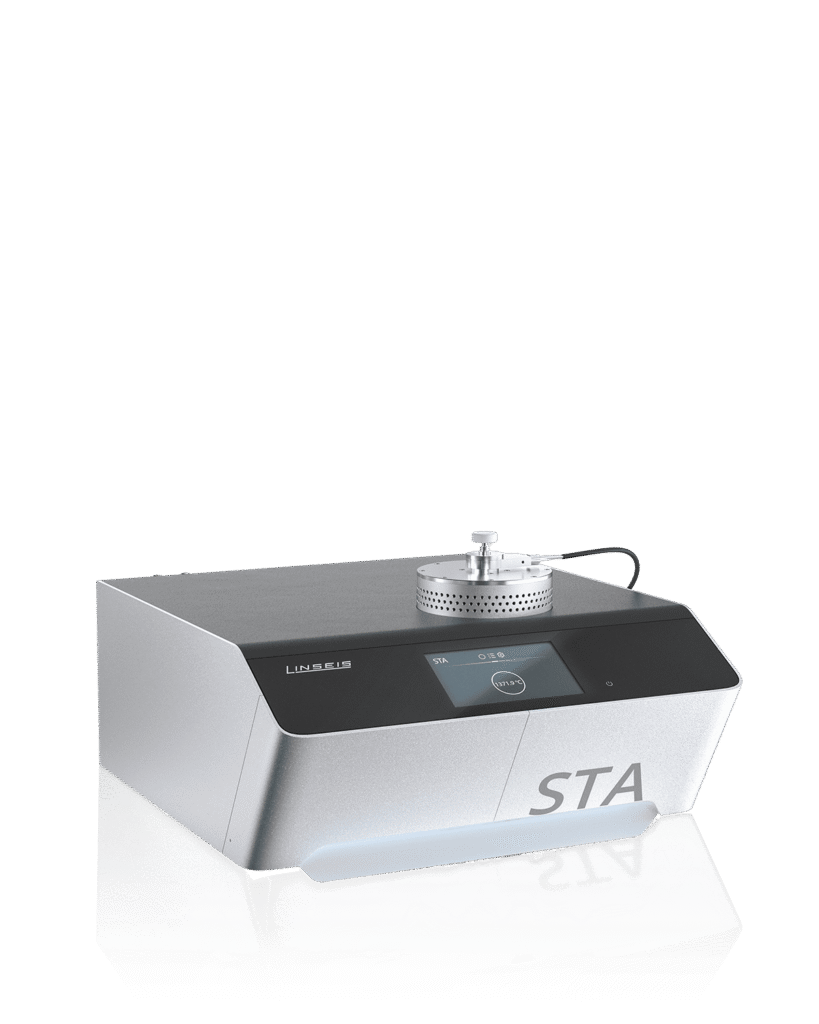
Simultaneous Thermal Analysis (STA) combines the thermogravimetric analysis (TG) and the Differential Scanning Calorimetry (DSC) in a single measurement. Changes in mass and thermal effects are recorded in parallel under identical conditions on the same sample.

This simultaneous approach prevents deviations that can arise due to differences in sample geometry, heating rate or atmosphere. As both signals are recorded simultaneously, the results are directly comparable and enable a precise interpretation of complex thermal processes.

STA allows a distinction to be made between thermal processes with and without mass change:
DSC detects for example melting, crystallizations or phase transitionswhile TG data on decomposition, oxidation or evaporation. This dual detection provides detailed insight into multi-step or overlapping reactions.

The correlation of TG and DSC signals also enables enthalpy corrections can be made on the basis of mass loss – for improved quantitative accuracy.

STA is particularly valuable for analyzing modern materials, plastics, pharmaceuticals and inorganic substances – and enables efficient, reproducible thermal analysis in just one experiment.

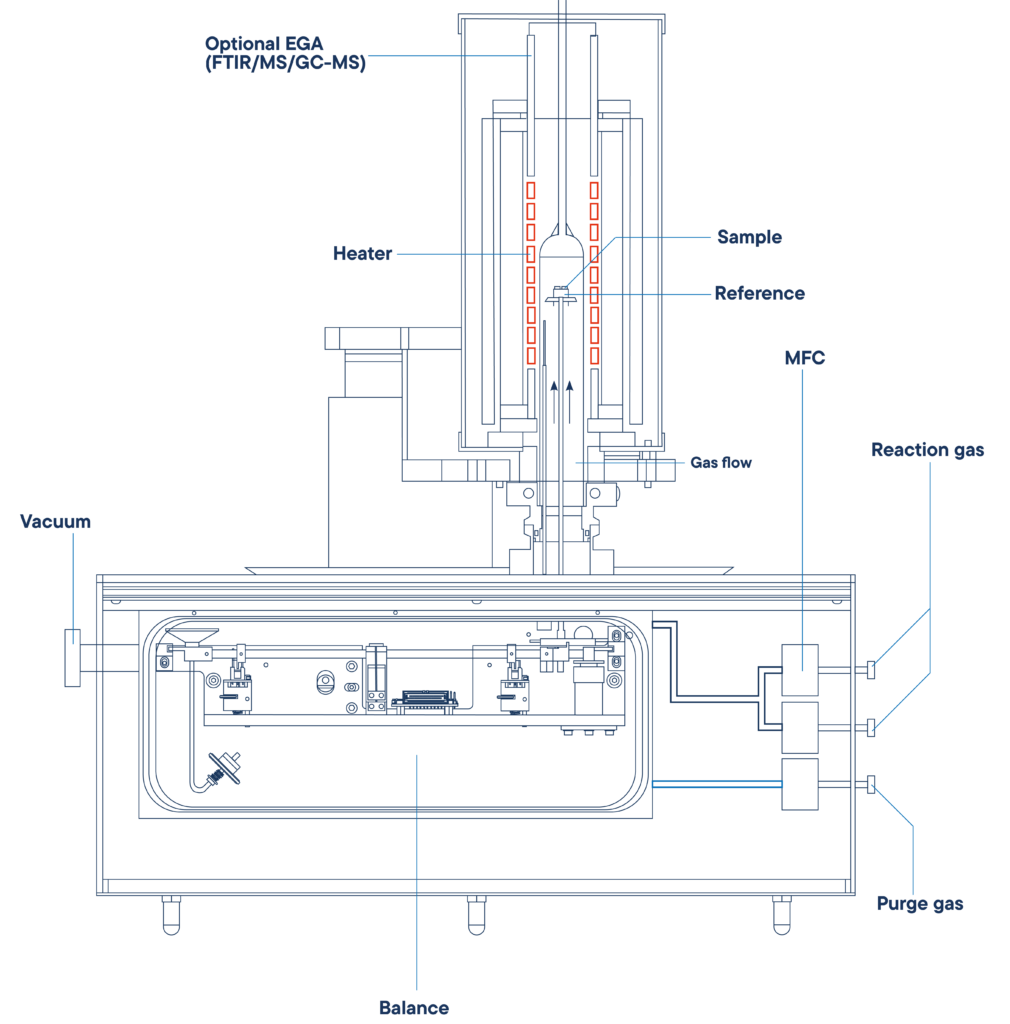
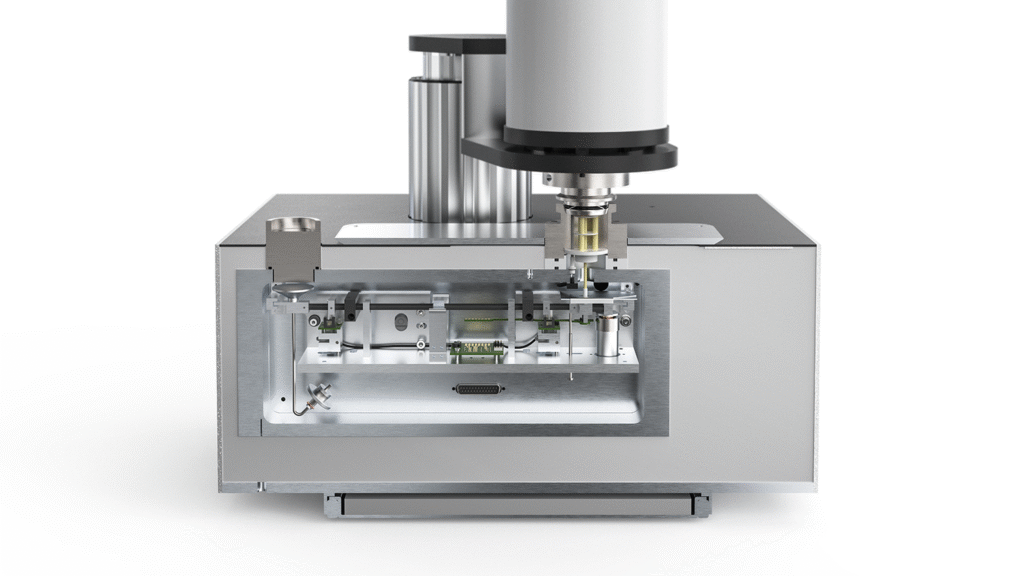
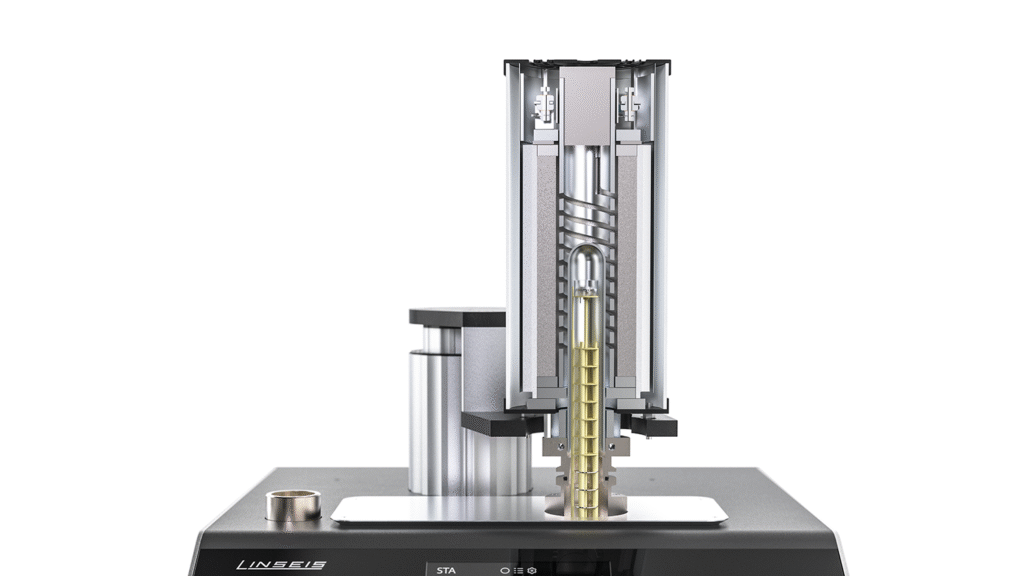
Cross-section STA L81 with Beam Balance

Functional principle of the STA L81

The STA L81 performs simultaneous thermal analysis by combining thermogravimetric and calorimetric measurements in a single process. The sample is placed in a crucible and subjected to a precisely controlled heating or cooling program.

During the entire temperature cycle, the STA L81 continuously records two key measured variables:

  • Mass change – Weight loss or gain due to decomposition, oxidation or the release of volatile components are measured with high sensitivity.

  • Heat flow – Thermal events such as melting, crystallization or phase transitions are detected via changes in heat absorption or release.

By simultaneously recording both signals on the same sample under identical conditions, the STA L81 enables a detailed analysis of the thermal behavior and material composition. This method ensures high data quality and a direct correlation between thermal effects and mass changes.
Measured variables with dynamic differential calorimetry

Possibilities of thermal analysis using thermogravimetry (TG):

A head start with the STA L81 - flexible options for every need

TGA L83

Thermobalance with high-precision temperature control up to 1100°C

STA L82

Flexibility in Simultaneous Thermal Analysis

TGA L81

High temperature – TGA / thermogravimetry – thermobalance

Questions? Just give us a call!

+49 (0) 9287/880 0

Our service is available Monday to
Thursday from 8 am to 4 pm
and Friday from 8 am to 12 pm.

We are here for you!

STA L81 explained - function, use, features and frequently asked questions

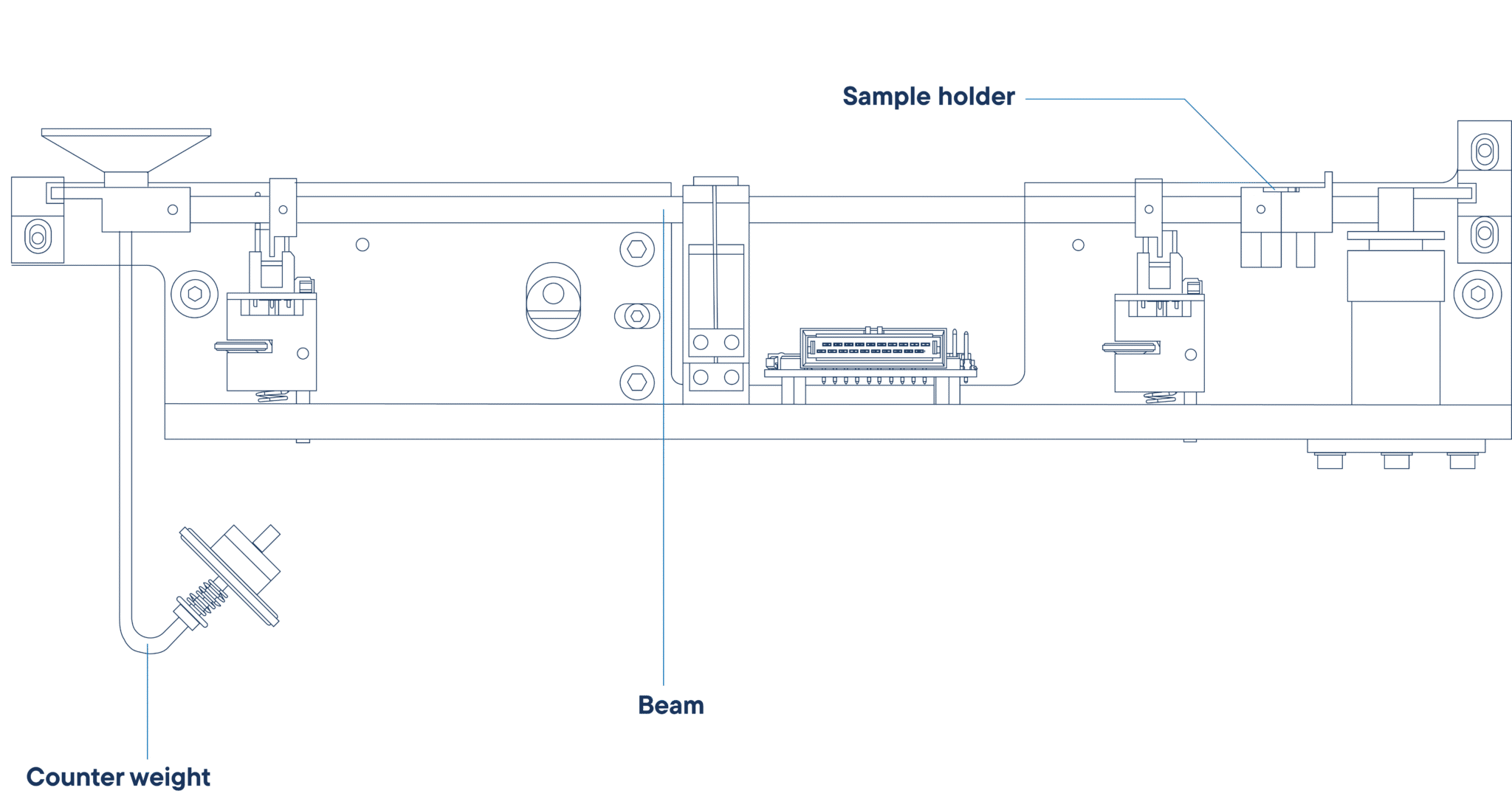
How a beam balance works

Forced flow – advantages in the investigation of gas-solid reactions
(Patented)

The forced flow principle offers numerous advantages for the analysis of reactions between gas and solid phases:

  • Controlled conditions
    Precise control of the reaction environment for reproducible measurement results.

  • Faster reaction times
    Acceleration of slow reactions through continuous gas flow.

  • Better mixing
    Even distribution of the reactants for improved reaction kinetics.

  • Continuous analysis
    Real-time monitoring and control of the response possible.

  • Scalability
    Easily adaptable to different volumes and flow rates – ideal for optimizing production processes.

The forced flow principle is available for both thermogravimetric analysis (TGA) and the differential thermoanalytical method (DTA). This considerably expands the application range of this technology and enables more precise analyses as well as more advanced examination methods in thermal analysis.

DTA
TGA

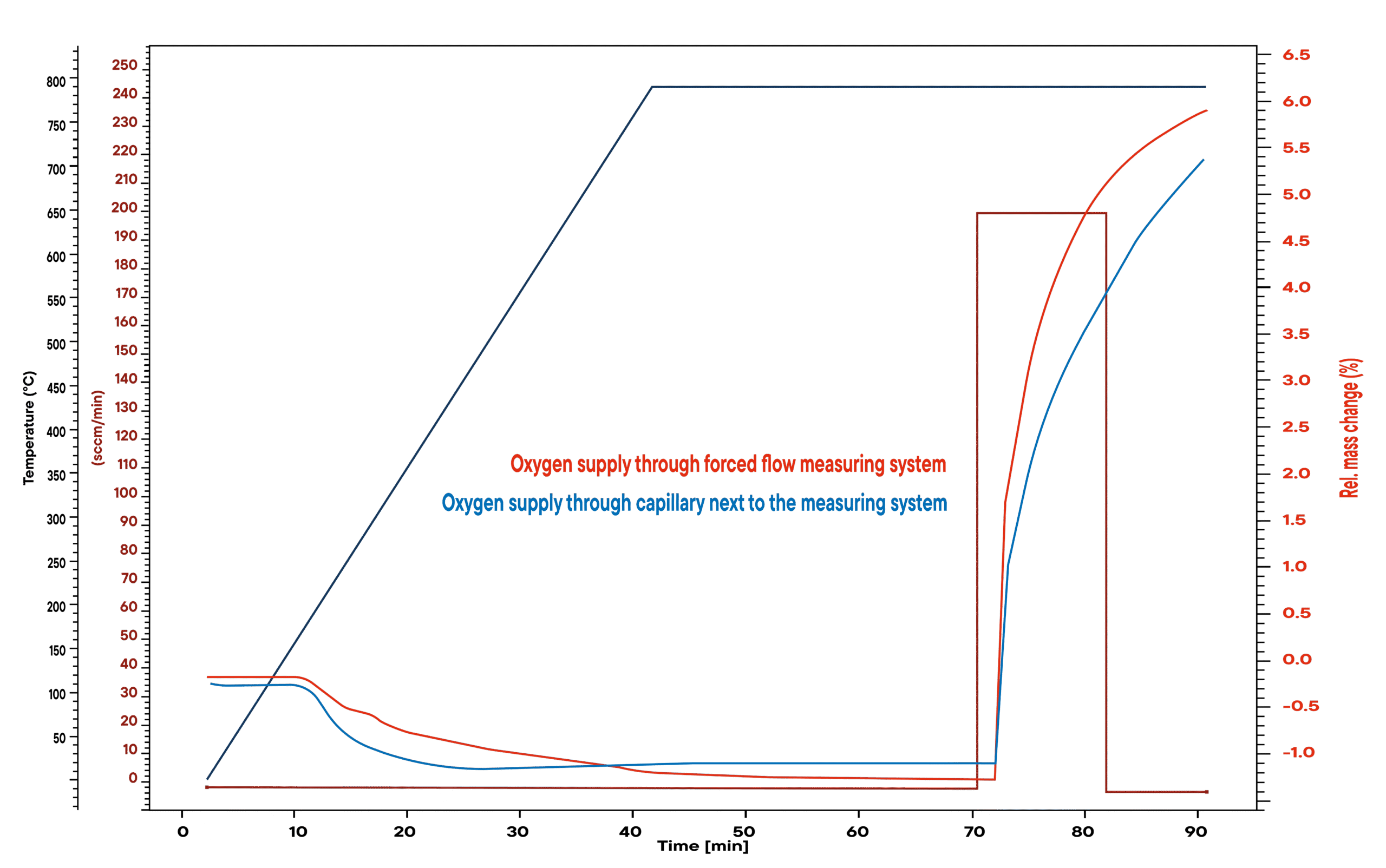
The oxidation of copper produces copper oxide, whereby the reaction rate depends heavily on the gas supply. The forced flow principle ensures that the oxidizing agent (O₂) is distributed quickly and evenly over the entire sample material right from the start. This allows the reaction to take place much faster than with conventional methods, where the gas only reaches the sample gradually.

The reaction for the formation of copper oxide is:
2Cu + O₂ → 2 CuO

Due to the forced gas flow, the oxygen reacts efficiently with the copper – for accelerated reactions and more precise analyses under realistic conditions.

TEMPERATUR

TYP

ELEMENT

ATMOSPHÄRE

TC-TYP

-70°C – 400°CL81/24/RCFNur hängend, Intracooler / Kanthalinert, oxid, red., vak.K
-150°C – 500°CL81/24/500Kanthalinert, oxid, red., vak.K
-150°C – 700°CL81/24/700Kanthalinert, oxid, red., vak.K
-150°C – 1000°CL81/24/1000Kanthalinert, oxid, red., vak.K
RT – 1000°CL81/20ACSiCinert, oxid, red., vak.K
RT – 1600°CL81/20ACSiCinert, oxid, red., vak.S
RT – 1750°CL81/250MoSi2inert, oxid, vak.B
RT – 2000°CL81/20/G/2000Graphitinert, red.C
RT – 2400°CL81/20/G/2400Graphitinert, red.Pyrometer
RT – 2800°CL81/20/G/2800Graphitinert, red.Pyrometer
RT – 2400°CL81/20/TWolframinert, red.C
RT – 1000°CL81/200Glühzünderinert, oxid, red., vak.S/K

The price of an STA L81 system depends on the selected configuration and additional options, such as the temperature range, oven type, cooling system, automation functions or special measurement modes. As each system can be customized to your specific application requirements, costs can vary considerably.

For an exact quote, please use our contact form to let us know your requirements – we will be happy to provide you with a customized quote.

The delivery time for an STA L81 depends largely on the options selected and the desired configuration. Additional functions such as special ovens, extended temperature ranges, automation or special adaptations can increase the production and preparation effort and therefore extend the delivery time.

Please contact us via our contact form to receive a precise delivery time estimate based on your individual requirements.

The simultaneous TG-DSC/DTA measurement with the STA L81 makes it possible to record weight changes and thermal effects under exactly identical conditions on the same sample material. This avoids deviations that can occur with separate measurements due to differences in sample geometry, heating rate or atmosphere.

This is particularly advantageous for complex, multi-stage reactions or overlapping processes – for example when a mass loss (TG) and a thermal event (DSC/DTA) coincide in time. The direct correlation of both signals allows a more precise interpretation, such as distinguishing whether a thermal effect is accompanied by a mass change or not.

This simultaneous procedure also saves time, as only one measurement is necessary, and reduces sample consumption, which is particularly advantageous for rare or expensive materials.

Yes, with the right configuration, the STA L81 can also perform pressure-dependent measurements. Special high-pressure furnaces and gas controls are available for this purpose, which enable operation under increased pressure. This is particularly useful for simulating reactions under realistic process conditions, for example in materials research, catalysis development or safety-related tests.

Please contact us to discuss the appropriate equipment and printing ranges for your application.

Yes, the STA L81 can – with the appropriate equipment – be operated in both hydrogen and water vapor atmospheres. Special safety-tested gas systems and high-temperature ovens are available for hydrogen measurements, which enable safe and controlled operation. Water vapour atmospheres can be created using special humidification systems and heated gas lines to prevent condensation and ensure stable measurement conditions.

These possibilities are particularly valuable for applications in materials development, corrosion research, catalysis and energy technology.

Yes, the STA L81 can be coupled with various gas analyzers such as FTIR, MS or GC systems. This enables in-situ analysis of the gases released during the measurement. Coupling takes place via heated transfer lines, which ensure condensation-free gas flow and enable the precise synchronization of thermal events with the gas composition.

This combination offers significant added value, as it not only provides information on the thermal and mass-related changes in the sample, but also on the type of gases produced or released – ideal for material characterization, decomposition studies and reaction mechanisms.

Software

Making values visible and comparable

All LINSEIS thermoanalytical devices are software-controlled. The individual software modules run exclusively under Microsoft® Windows® operating systems. The complete software consists of 3 modules: temperature control, data acquisition and data evaluation. The Windows® software contains all the essential functions for preparing, carrying out and evaluating a thermoanalytical measurement. Thanks to our specialists and application experts, LINSEIS was able to develop a comprehensive, easy-to-understand and user-friendly software.

Features software

  • Program suitable for text editing
  • Data backup in the event of a power failure
  • Thermocouple breakage protection
  • Repeat measurements with minimal
    parameter input
  • Evaluation of the current measurement
  • Curve comparison up to 50 curves
  • Saving and exporting evaluations
  • Export and import of ASCII data
  • Data export to MS Excel
  • Multi-method analysis (DSC, TGA, TMA, DIL, etc.)
  • Zoom function
  • 1 and 2 Derivation
  • Curve arithmetic
  • Statistical evaluation package
  • Automatic calibration
  • Optional kinetics and service life prediction
  • Software packages

TG features:

HDSC features:

  • Glass transition temperature
  • Complex peak evaluation
  • Multi-point calibration for sample temperature
  • Multi-point calibration for the enthalpy change
  • Cp calibration for the heat flow
  • Signal-controlled measuring methods

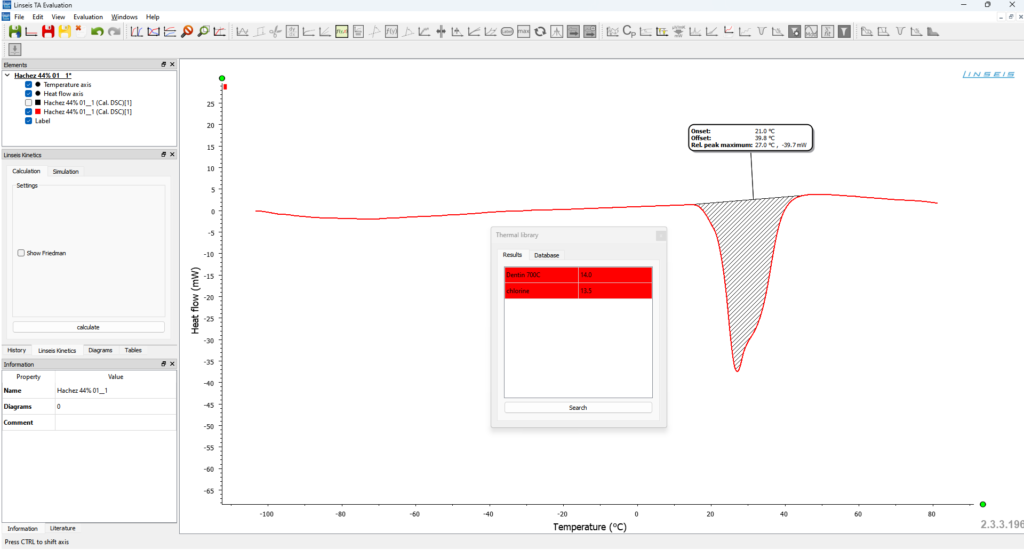
LINSEIS Thermal Library

The LINSEIS Thermal Library software package is an option for the well-known, user-friendly LINSEIS Platinum evaluation software, which is integrated in almost all our devices. The Thermal Library allows you to compare the complete curves with a database containing thousands of references and standard materials in just 1-2 seconds.

Multi-instrument

All LINSEIS instruments DSC, DIL, STA, HFM, LFA, etc. can be controlled via a software template.

Multilingual

Our software is available in many different user-interchangeable languages, such as: English, Spanish, French, German, Chinese, Korean, Japanese, etc.

Report generator

Convenient template selection for creating individual measurement reports.

Multi-user

The administrator can set up different user levels with different rights to operate the device. An optional log file is also available.

Kinetic software

Kinetic analysis of DSC, DTA, TGA, EGA (TG-MS, TG-FTIR) data to investigate the thermal behavior of raw materials and products.

Database

The state-of-the-art database enables simple data management with up to 1000 data records.

Application

Automotive and aerospace industry

Thermophysical measurement methods are indispensable tools in research and development for the transportation and aerospace industries – including automotive engineering, aviation, satellite technology and manned space missions. They support key tasks such as component testing, quality assurance, process optimization and fault analysis.

During operation, vehicles are exposed to a wide range of environmental conditions that can affect both appearance and performance in the long term. The climatic simulations and thermal analyses provided by our devices are crucial to understanding these effects and improving product life.

This includes the precise determination of thermal diffusivity in materials such as rubber – a decisive factor for evaluating the thermal behavior and ageing resistance of technical components.

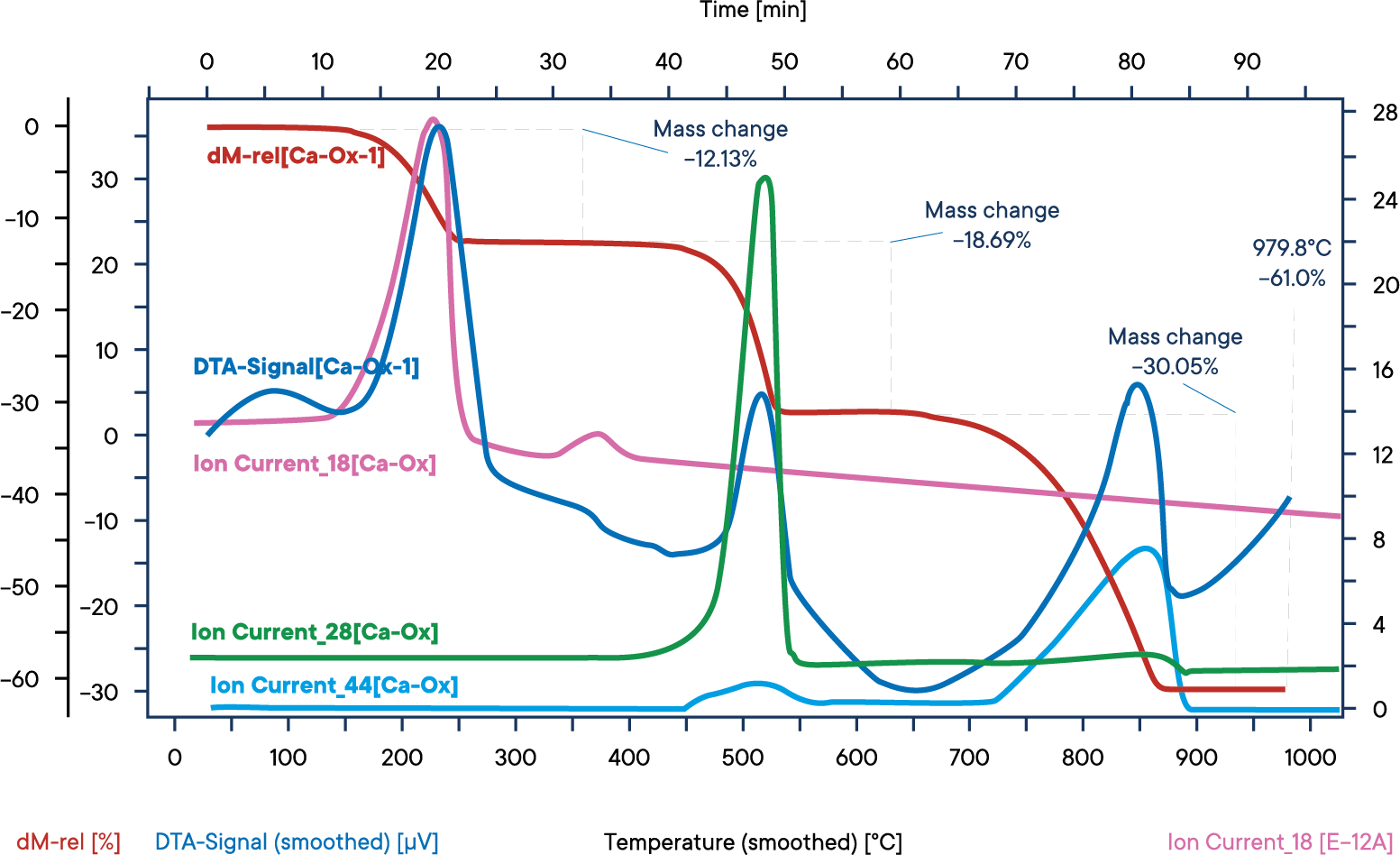
Application example: Decomposition of CaC₂O₄ – H₂O

The gases released during the decomposition of calcium oxalate were fed to the mass spectrometer via a heated capillary. The ion currents for the mass numbers 18 (water), 28 (carbon monoxide) and 44 (carbon dioxide) were shown in the diagram.
Simultaneous Thermal Analysis (STA) offers an effective solution for characterizing building materials such as concrete, cement, mortar, gypsum and other mineral materials. It enables the detailed investigation of glass transitions in modified glass, binder degradation, decomposition behavior, cement hydration processes and material expansion or shrinkage.

In contrast to separate measurements with individual devices, STA allows the simultaneous recording of mass change and heat flow in a single experiment. This allows thermogravimetric (TGA) and calorimetric (DSC) data to be correlated exactly – under identical test conditions.

By recording thermal and mass-related processes in parallel in real time and under the same atmosphere and heating rate, STA provides reliable, time-saving and comprehensive insights into the thermal behavior of complex building materials.

Application example: Cement

The main components of cement are tricalcium silicate, dicalcium silicate and tricalcium aluminate. After mixing with water, hydrates are slowly formed. First the absorbed water evaporates.

At around 570 °C, the hydrates of the calcium silicates decompose. This is followed by the hydroxides of calcium, magnesium and aluminum. Carbon dioxide (CO₂) is then released from calcium carbonate.

Metals used in industrial applications must fulfill specific properties resulting from their intended function. Characteristics such as hardness, mechanical strength, thermal expansion, thermal conductivity and resistance to oxidation and corrosion must be matched to the conditions of use in order to ensure a long service life and reliability.

As pure metals often do not meet these requirements, they are usually alloyed with other elements – metals, semi-metals or non-metals. These combinations, known as alloys, have improved material properties and enable a wide range of technical applications.

Thermophysical measurement methods enable the analysis of important material behaviour such as phase transitions, crystallization temperatures, changes of state and the thermal stability of raw materials used in sheet metal, substrates or other metallurgical products. Other measurable parameters include specific heat capacity, linear thermal expansion and melting point.

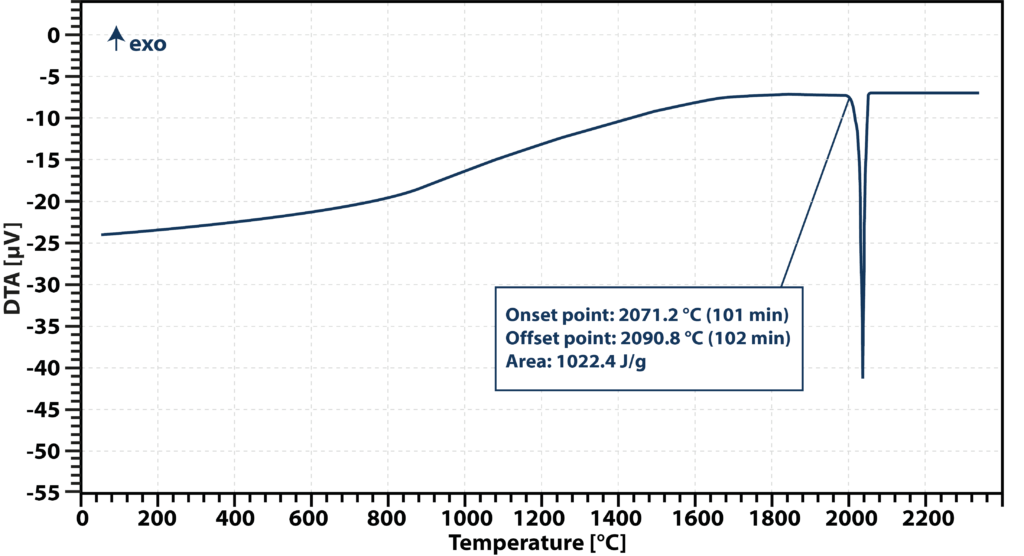
Application example: STA L81 – Determination of the melting behavior of aluminum oxide (Al₂O₃) in high-temperature applications

Aluminum oxide (Al₂O₃) is characterized by its high melting temperature of 2070 °C and is therefore an ideal material for high-temperature applications up to 2000 °C.

Among other things, it is used in thermal analysis as a reference material for melting behavior – as in the following measurement with an STA L81 (TG in combination with simultaneous DSC or DTA).
Application Aluminum oxide Melting behavior

Application example: STA L81 – Melt analysis of palladium

Palladium, a rare, silvery-white shiny metal, is examined in thermal analysis due to its high melting point and its special thermophysical properties.

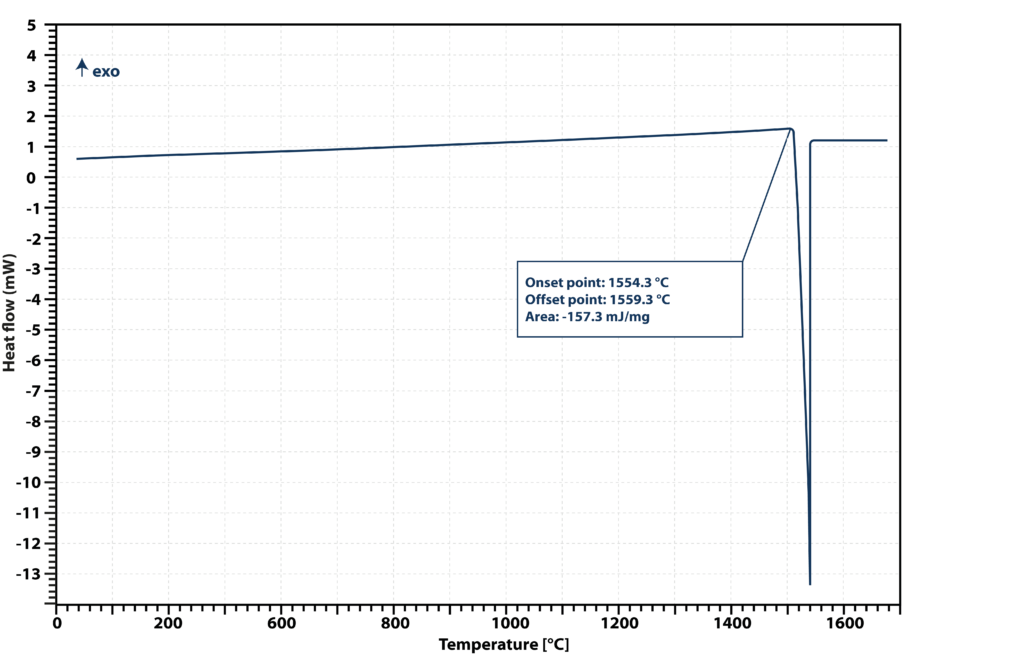
Palladium was analyzed in the laboratory using the STA L81. The measurement was carried out at a heating rate of 5 K/min in a nitrogen atmosphere, using 5.6 mg of palladium wire. The resulting DTA curve shows a clearly pronounced endothermic peak, which represents the melting process of palladium – with an onset at 1554.3 °C and an offset at 1559.3 °C. The area under the peak is -157.3 mJ/mg and corresponds to the enthalpy of fusion.

Such precise measurements of melting behavior and melt enthalpy are essential for the calibration of DSC devices and ensure high accuracy in thermal analysis for a wide range of research and industrial applications.
Well informed

Downloads

Everything at a glance

STA L81

TG + DSC - High temperature STA with furnace configuration up to 2400°C