Ceramic insulators and semiconducting ceramics are indispensable materials in modern electronics, energy technology, and power electronics. They combine outstanding electrical insulation with high temperature resistance, chemical stability, and—depending on the material—excellent thermal conductivity.
Applications range from power semiconductors, substrates, and sensors to high-voltage insulators and ceramic components for electric mobility and renewable energy. Precise characterization of thermal and thermophysical properties is crucial for ensuring reliability, heat dissipation, and long-term stability.
LINSEIS analytical instruments can be used to characterize ceramic insulators and semiconductors throughout the entire development and manufacturing process—from material development to quality control.
Relevant Questions
What is the thermal conductivity of the ceramic material?
How does thermal conductivity change as the temperature rises?
What is the material’s coefficient of thermal expansion?
How can thermal stresses between ceramics and metal be reduced?
Which ceramics are suitable as substrates for power electronics?
What phase transitions occur during the manufacturing process?
How stable is the material’s temperature during continuous operation?
Which materials offer optimal insulation while also providing high thermal conductivity?
Relevant Material and Process Parameters
Parameter
Meaning
Thermal Conductivity
Efficient heat dissipation from electronic components and assemblies
Thermal Conductivity
Rate of heat propagation in a ceramic material
Coefficient of Thermal Expansion (CTE)
Thermal Matching to Semiconductors, Metals, and Bonding Layers
Heat Capacity
Thermal storage behavior and response to temperature changes
Thermal Stability
Reliability at continuously elevated operating temperatures
Phase Transitions
Evaluation of Temperature-Induced Structural and Material Changes
Sintering Behavior
Optimization of Compaction, Shrinkage, and Ceramic Manufacturing Processes
Temperature Resistance
Operating Limits in Electronics, High-Voltage, and High-Power Applications
Measurement Methods for Ceramic Insulators & Semiconductors
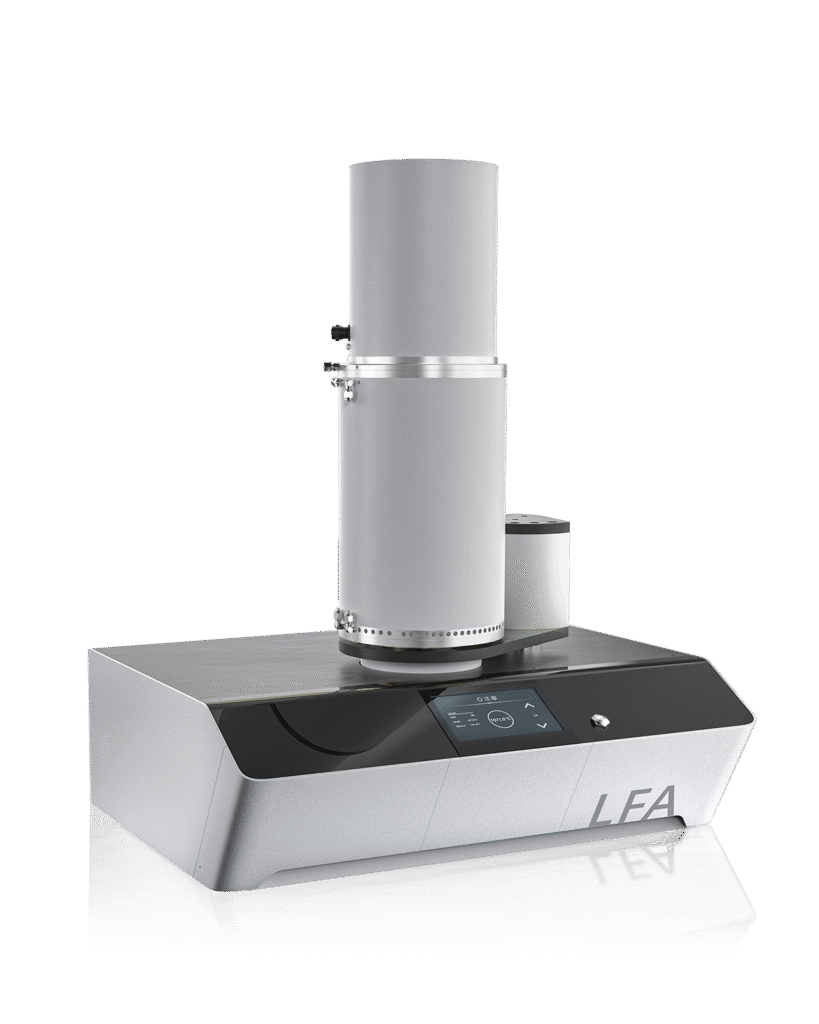
Laser Flash Analysis (LFA)
Determination of the thermal conductivity and temperature conductivity of ceramic materials.
Case Study: Thermal Conductivity of High-Temperature Ceramics
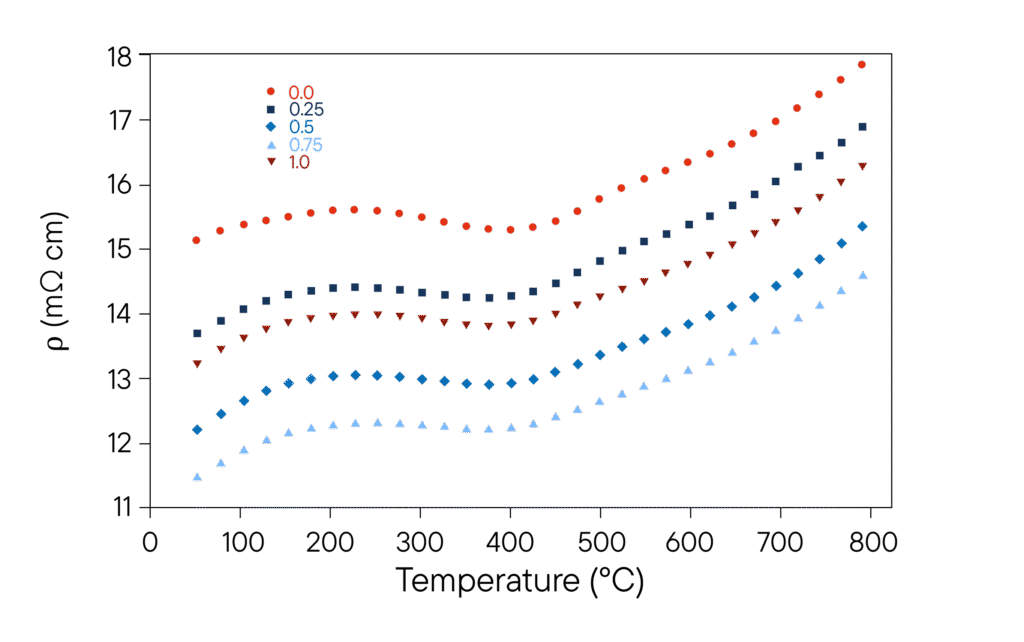
Electrical resistivity of TiC-doped thermoelectric Ca₃Co₄O₉ ceramics
With the LINSEIS LSR L33 was used to investigate the temperature-dependent electrical resistance of TiC-doped Ca₃Co₄O₉ ceramics. The measurements demonstrate the influence of TiC doping on charge transport and provide valuable insights into the optimization of thermoelectric ceramics for energy generation, high-temperature applications, and functional electronic materials.
Why Material Characterization of Ceramic Insulators and Semiconductors Is Critical
Electronic ceramics must combine electrical insulation with optimal heat transfer. Even slight differences in thermal properties can significantly affect the reliability and service life of electronic assemblies.
The combination of modern analytical methods makes it possible to:
Determination of Thermal Conductivity
Analysis of Thermal Expansion
Investigation of Sintering Processes
Assessment of Thermal Stability
Optimization of Ceramic Substrates
Development of New Materials for Power Electronics
Why is thermal conductivity important for ceramic insulators?
Ceramic insulators must provide electrical insulation while efficiently dissipating the heat generated. High thermal conductivity improves the cooling of electronic components and extends their service life.
What ceramic materials are commonly used in electronics?
The most important materials include aluminum oxide (Al₂O₃), aluminum nitride (AlN), silicon nitride (Si₃N₄), silicon carbide (SiC), and boron nitride (BN). Depending on the application, they differ in terms of thermal conductivity, electrical insulation, and mechanical properties.
Why does the coefficient of thermal expansion need to be adjusted?
Ceramic substrates are often bonded to metals or semiconductors. If the coefficients of thermal expansion do not match, thermal stresses arise that can lead to cracks or delamination.
What measurement methods are suitable for electronic ceramics?
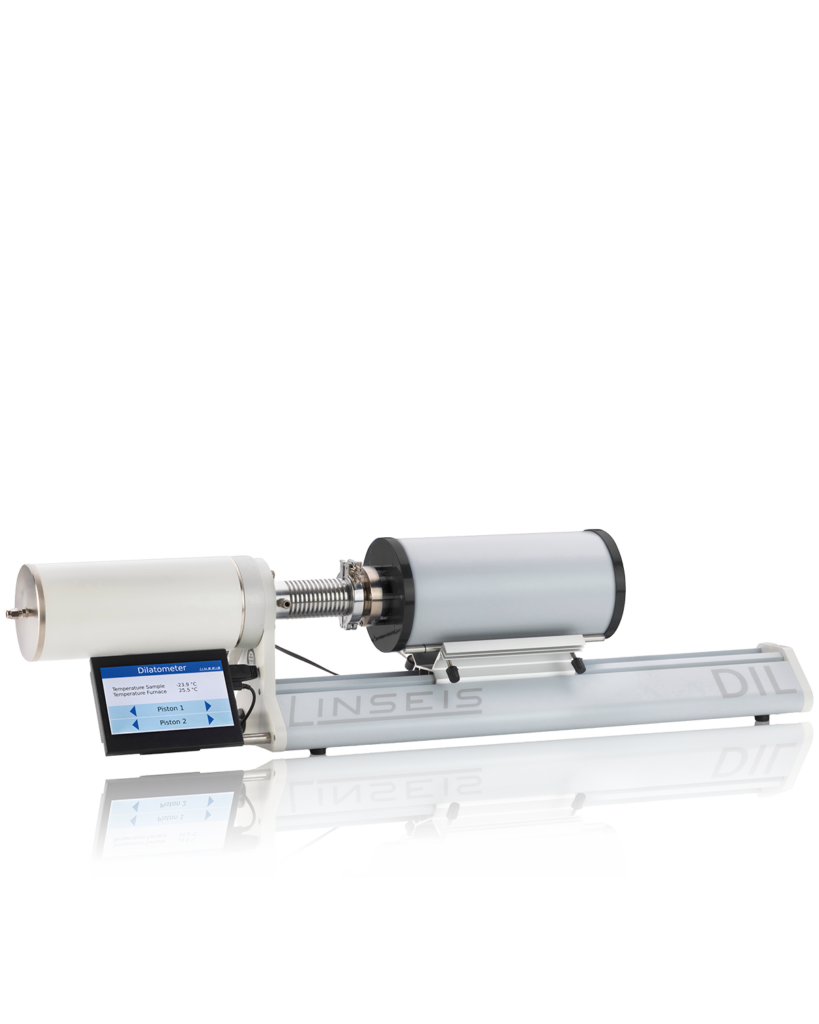
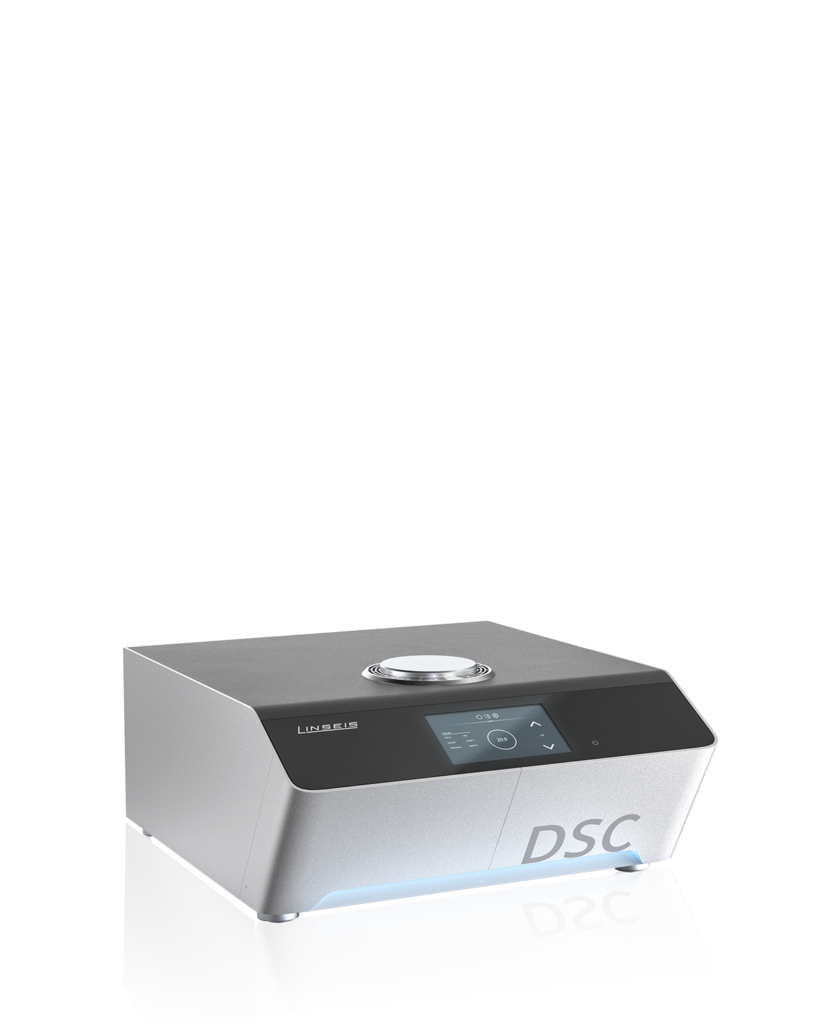
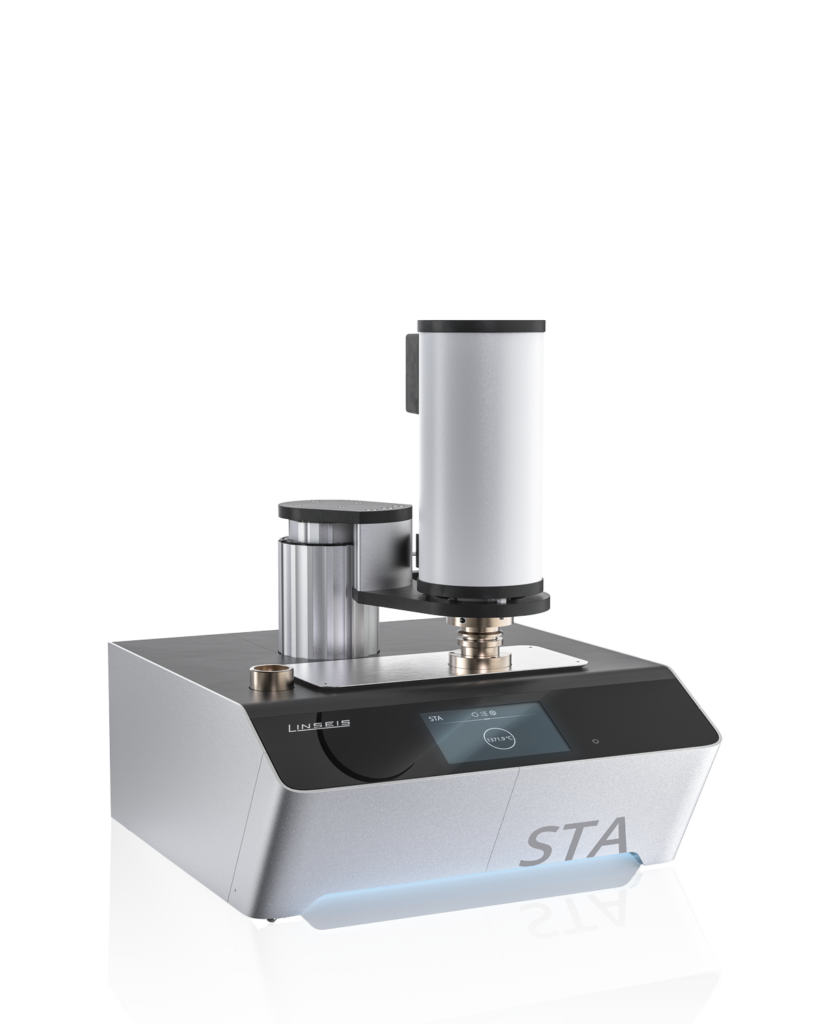
The primary methods used for characterization are LFA, DIL, DSC, and STA. These methods provide information on thermal conductivity, thermal expansion, phase transitions, sintering behavior, and thermal stability.
Which applications benefit from ceramic insulators?
Typical applications include power electronics, IGBT modules, power semiconductors, LED technology, high-voltage insulators, sensor technology, electric mobility, and renewable energy.
Why is it beneficial to combine different measurement methods?
The combination of thermoanalytical and thermophysical measurement methods enables a comprehensive characterization of ceramic materials. This allows for the targeted optimization of material development, manufacturing processes, and the reliability of electronic components.