
TIM L58: Test device for thermally conductive materials for detailed characterization of TIM
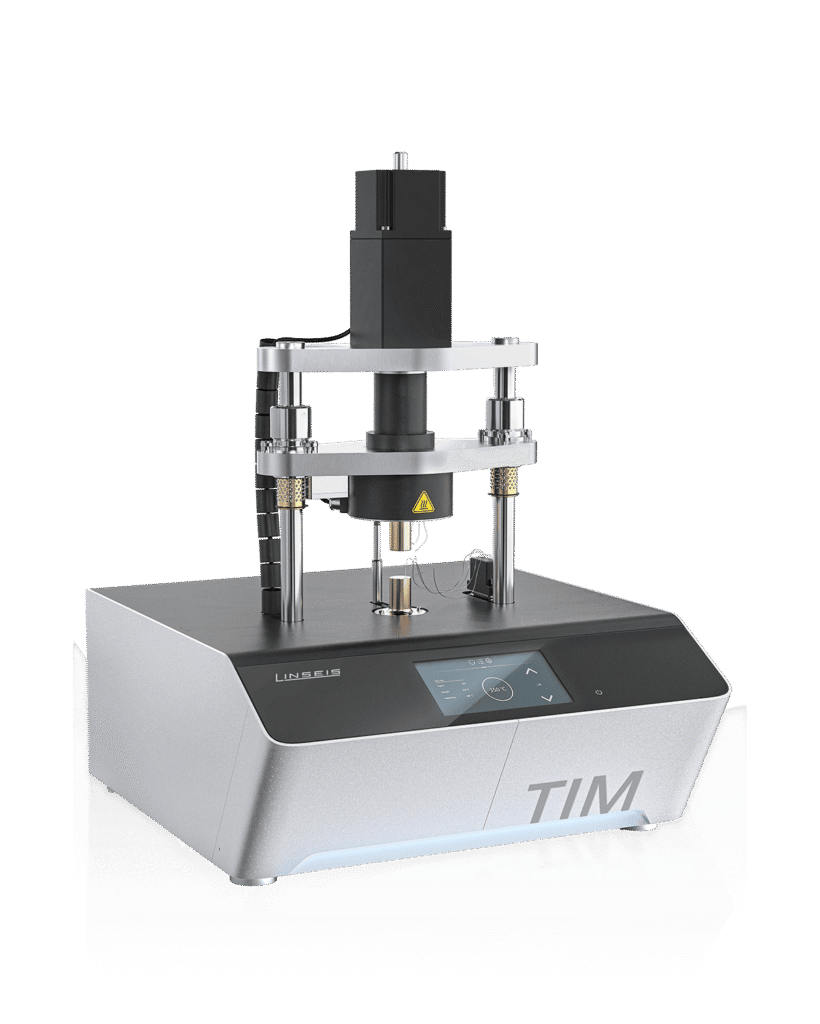
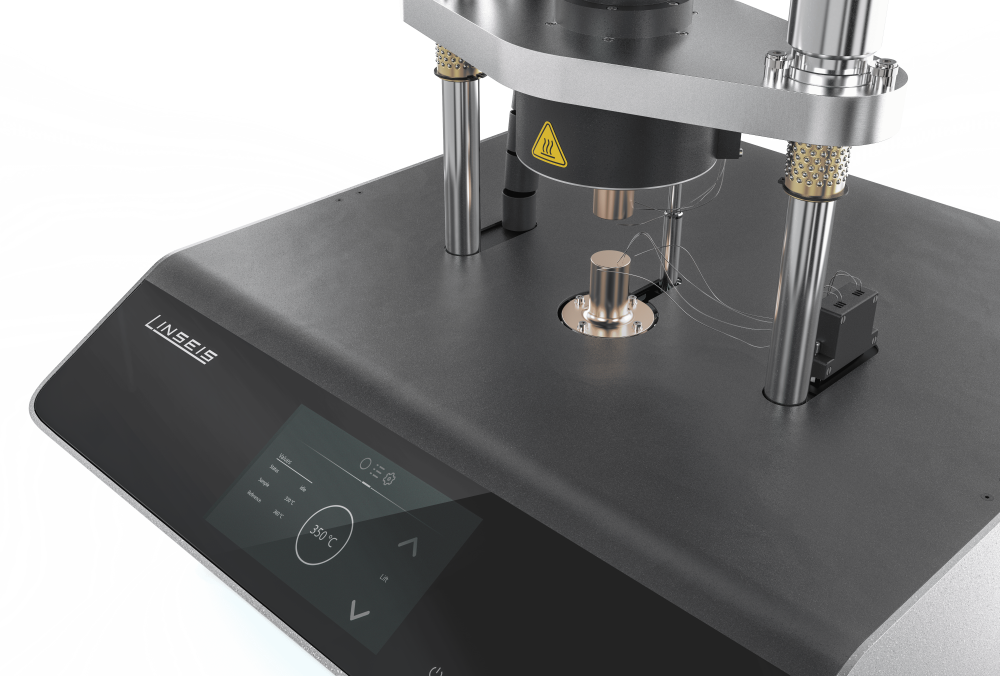
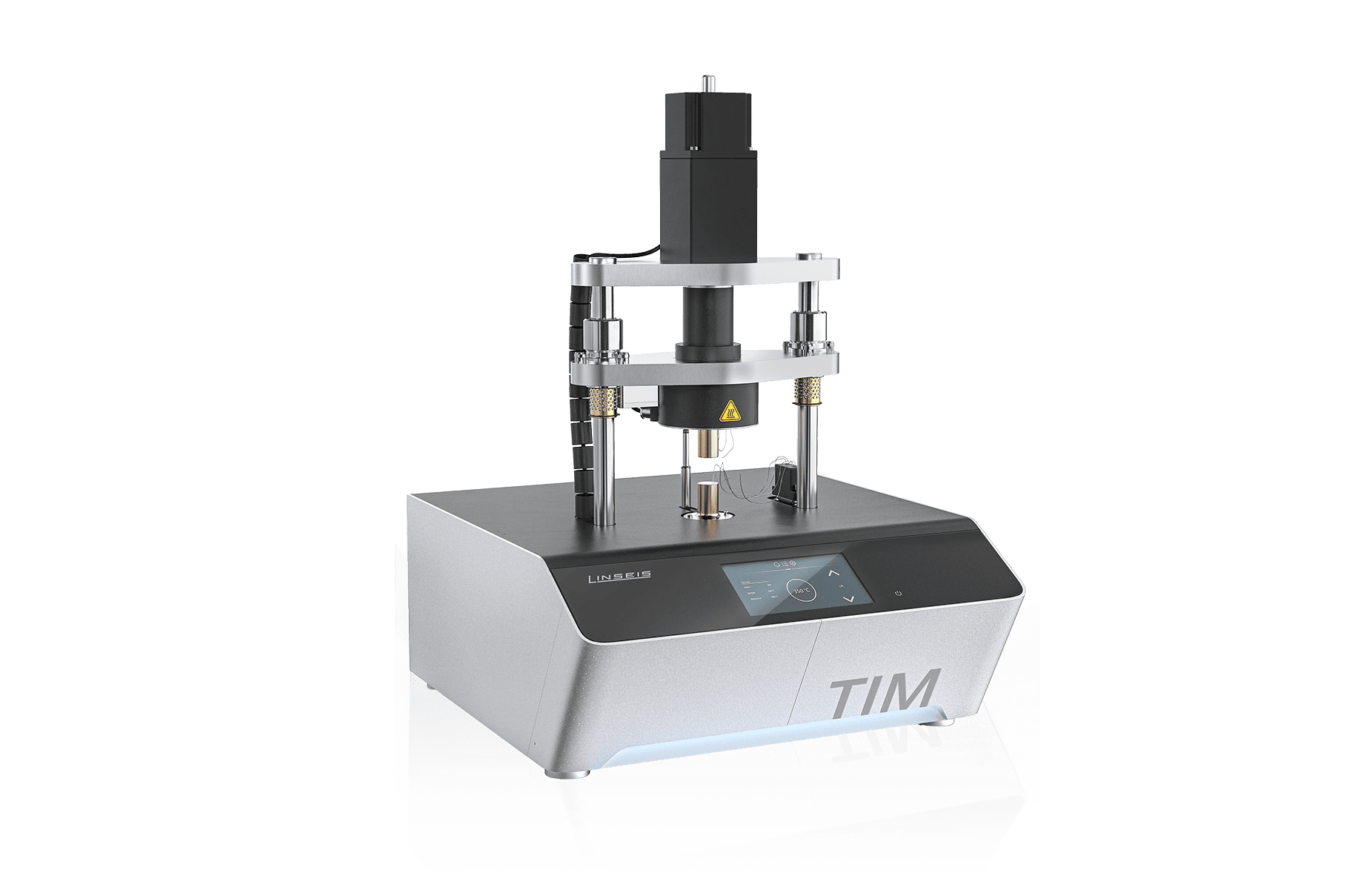
The LINSEIS TIM L58 is a high-end system for the precise characterization of thermally conductive materials (TIMs) under realistic contact pressure and temperature conditions. The device enables the precise determination of the thermal impedance, thermal resistance and apparent thermal conductivity in accordance with the ASTM D5470 standard. The TIM L58 was developed for applications in the fields of electronics, battery technology, semiconductor cooling and advanced thermal management and supports the analysis of viscous TIM-pastes, pads, films, polymers and metallic interface materials. With automatic pressure control up to 16 MPa, integrated thickness determination and a temperature range of -30 °C to 450 °C, the system offers outstanding flexibility, reproducibility and precision to industry standards.
Unique features

Electronics upgrade
The completely redesigned electronics of the TIM L58 provide intelligent control of all measurement processes and ensure maximum process reliability. The close integration of hardware and LiEAP software enables reproducible measurement results with minimal operator effort.
The advantages of the new electronics include:
- Automatic Calibration
Reduces operator errors and ensures consistently accurate measurement results. - Fully Automated Measurement Processes
Measurement, control, and data analysis are software-controlled. - Smart Measurement Profiles
Freely definable temperature, pressure, and cycle programs. - Integrated LiEAP Platform
Unified control of hardware, software, and data analysis. - High process reliability
Consistent and reproducible results with every measurement.
New Hardware Features
The TIM L58’s modular measurement platform was designed for maximum flexibility and the highest precision. High-performance actuators, high-resolution sensors, and interchangeable measurement components allow for optimal adaptation to a wide variety of thermal interface materials.
Hardware highlights include:
- NEW: Exchangeable Meter bars
Exchangeablemeter bars made of various materials and with different geometries for application-specific measurements. - Plug-and-Play Technology
Automatic detection of all calibration and configuration data. - Automatic Pressure Control
Reproducible contact forces up to 16 MPa. - High-resolution LVDT measurement
Precise determination of sample thickness to within ±5 µm. - Modular System Design
Optionally available with a vacuum chamber, safety housing, or custom extensions.
Software improvements
The TIM-L58 software platform combines intelligent automation, reliable process control, and advanced analysis tools for efficient and reproducible TIM characterization.
The benefits of the optimized software architecture include:
- Integrated LiEAP Platform
Unified control, analysis, and device communication in a single software environment. - Automated Measurement Procedures
Fully automated pressure, temperature, and cycle control for reproducible TIM analysis. - Advanced Data Analysis
Tools for real-time visualization, trend comparison, and statistical analysis. - Reliable process safety
Automatic calibration, thermocouple monitoring, and secure data handling. - Flexible plugin architecture
Expandable software modules for temperature cycling, thickness modulation, and quality management.
Automatic pressure control
The integrated electromechanical pressure system enables precise and reproducible control of the contact force up to 16 MPa for realistic TIM characterization under application-relevant conditions.
Integrated Thickness Measurement
A high-resolution LVDT system continuously measures the sample thickness during operation, ensuring extremely accurate calculations of thermal resistance and thermal conductivity.
Temperature Cycling and Reliability Tests
The TIM L58 supports automated temperature cycling and long-term stability testing to evaluate the aging of thermal interface materials, “pump-out” effects, and thermal reliability under repeated stress conditions.
Measurements according to ASTM D5470
The system performs standardized measurements of steady-state heat flux in accordance with ASTM D5470, thereby enabling directly comparable and reproducible results in the characterization of thermal interface materials (TIM).
Highlights


Automatic pressure control up to 16 MPa
Measurements according to ASTM D5470
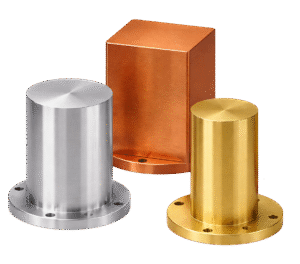
System with interchangeable meter bars
Fully integrated LiEAP software platform
Temperature range from -30 °C to 450 °C
Integrated LVDT thickness measurement
Key features

Wide temperature range
-30 °C to 450 °C – The LINSEIS TIM L58 enables the precise characterization of thermally conductive materials under realistic operating conditions across one of the widest temperature ranges available for TIM testing.

Automatic pressure control
Up to 16 MPa – The integrated electromechanical actuator enables highly reproducible contact pressure conditions for realistic TIM characterization.

Interchangeable meter bars
The modular Meter Bar system allows for optimal adaptation to different TIM materials and thermal conductivity ranges. Interchangeable measuring blocks ensure maximum flexibility and the highest measurement accuracy across a variety of applications.

Measurements according to ASTM D5470
The TIM L58 performs standardized stationary heat flux measurements in accordance with ASTM D5470 to obtain directly comparable results.
Questions? Just give us a call!
+1 (609) 223 2070
+49 (0) 9287/880 0
Thursday from 8 am to 4 pm
and Friday from 8 am to 12 pm.
We are here for you!
Specifications

Thickness Measurement: Thickness measurement with an accuracy of ± 5 µm
Temperature range: -30 °C to 450 °C

Thermal conductivity: 0.1 to 50 W/mK
Discover our powerful TIM tester – designed for reliable and realistic characterization of thermally conductive materials:
- Sample thickness: 0.001 to 8 mm (optionally up to 20 mm)
- Resistance range of the sample: 0.005 – 500 cm²K/W
- Force options: 1 kN, 2 kN and 5 kN
- Material compatibility: pastes, pads, foils, polymers, graphite, metals and ceramics
- Temperature cycles: Automated reliability and ageing tests under realistic operating conditions
Method
Method for Determining Steady-State Heat Flux (ASTM D5470)
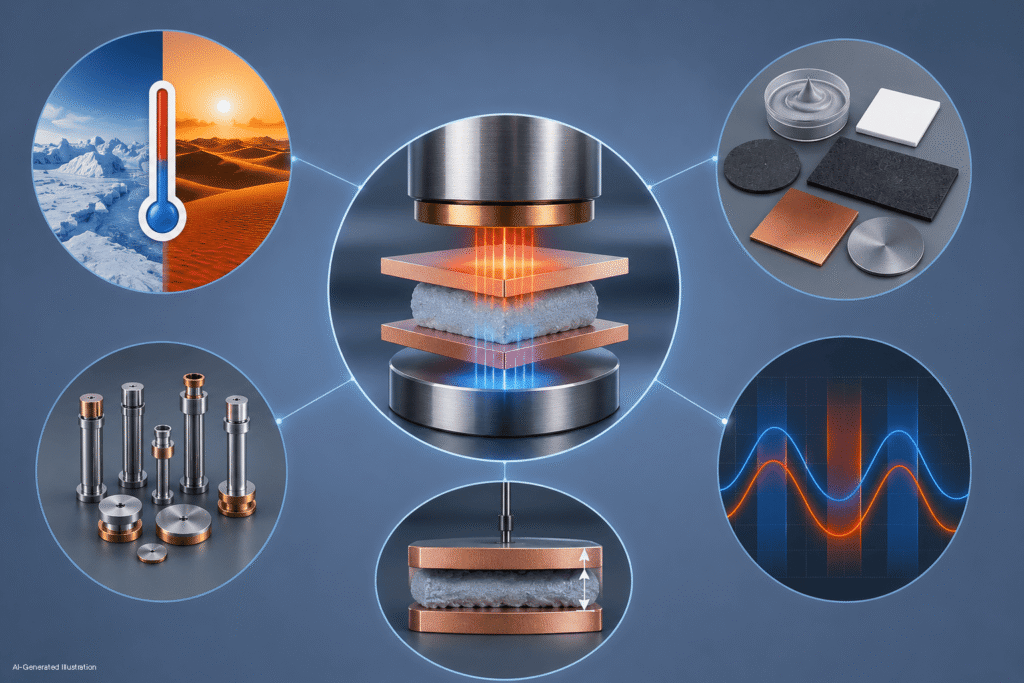
When testing thermal interface materials (TIM), the thermal resistance and heat transfer performance of materials placed between two abutting surfaces under defined mechanical and thermal conditions are measured. The method provides direct insights into the efficiency of heat transport across interfaces—a critical parameter for modern electronics, battery systems, and power devices.
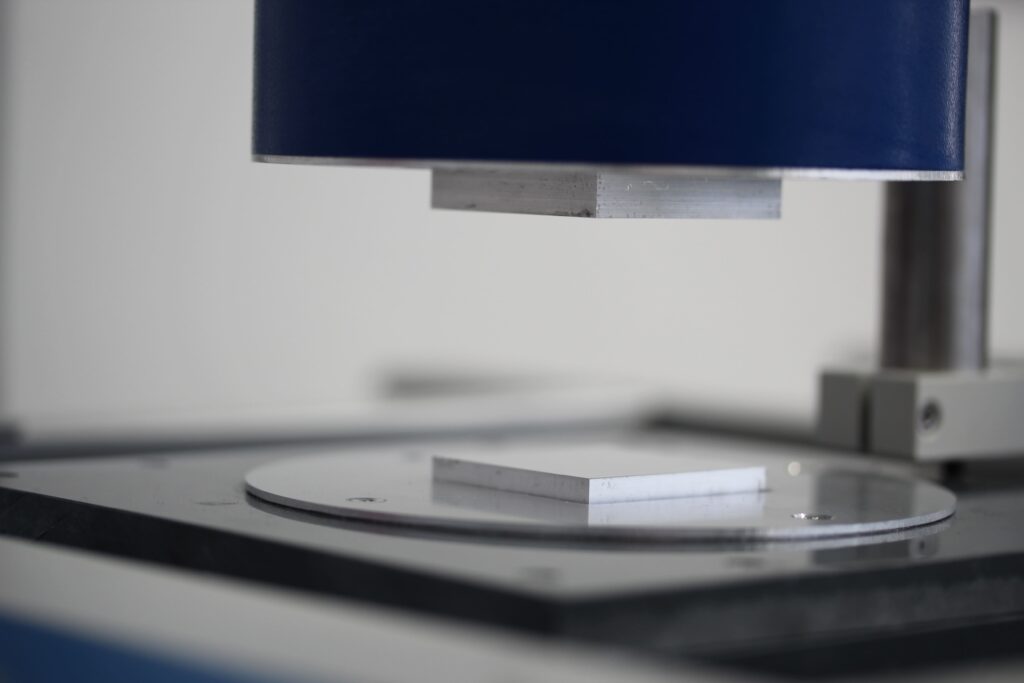
In a TIM measurement, the sample is positioned between a heated upper measuring bar and a cooled lower measuring bar. A defined heat flux is generated through the material while the contact pressure is precisely controlled. The resulting temperature gradient across the sample is continuously recorded and used to calculate the thermal resistance and the apparent thermal conductivity.
Unlike conventional methods for determining volumetric thermal conductivity, the TIM test specifically evaluates the overall interfacial behavior under realistic installation conditions. This includes the influence of contact pressure, sample thickness, surface finish, and interfacial quality on the overall thermal behavior.
The integrated thickness measurement system simultaneously measures the effective sample thickness during operation, ensuring highly accurate and reproducible calculations—even with soft or compressible TIM materials such as thermal interface pastes, pads, and films.
TIM characterization in accordance with ASTM D5470 is essential for the development of advanced thermal management solutions. It enables a reliable evaluation of thermal interface materials for semiconductor cooling, battery technology, automotive electronics, and high-performance industrial applications.
Functional principle of the TIM L58
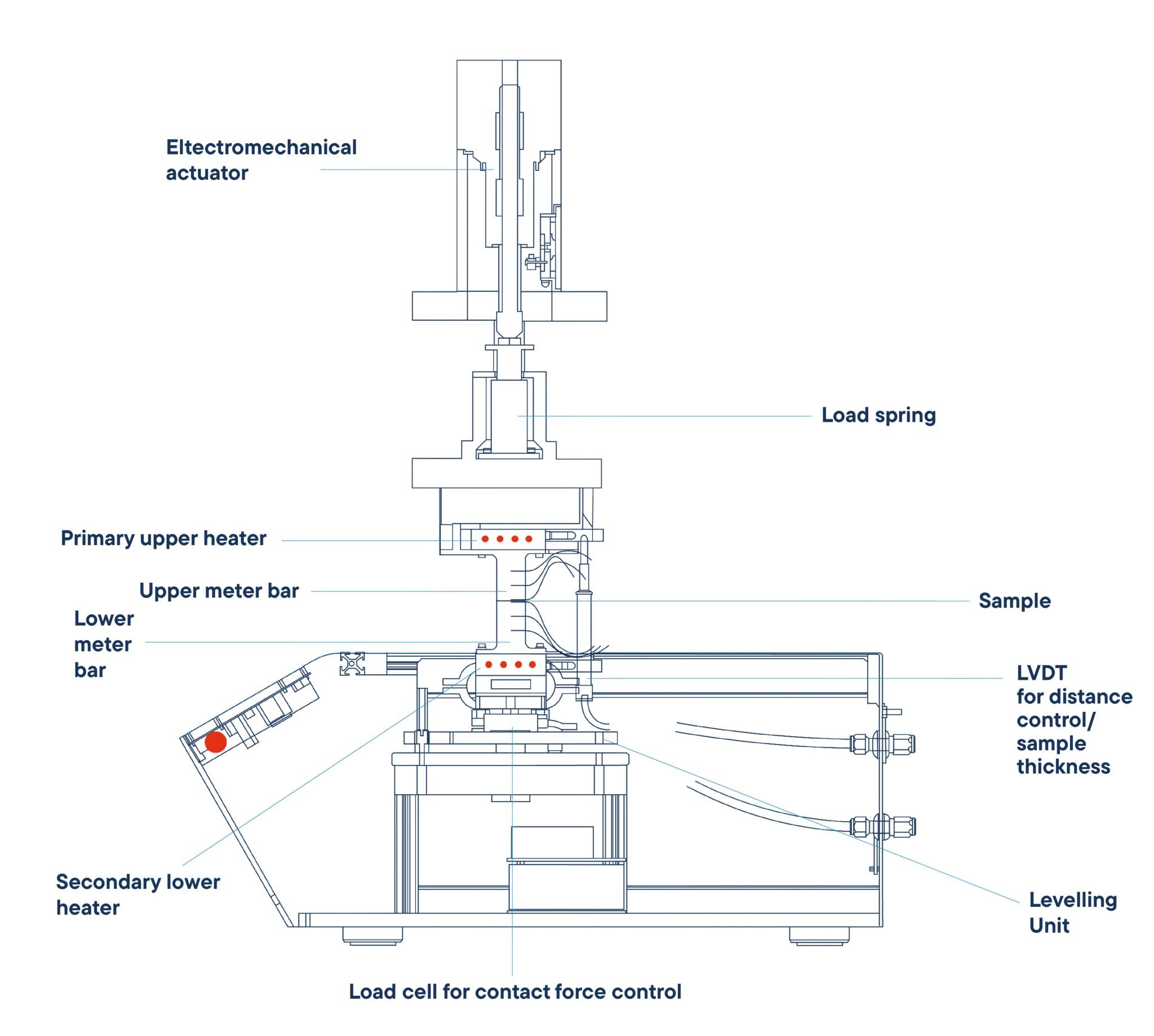
The TIM L58 performs precise characterization of thermally conductive materials using the steady-state heat flux method in accordance with ASTM D5470. The specimen is positioned between a heated upper measuring bar and a cooled lower measuring bar while a defined mechanical contact pressure is applied.
During the measurement, the system continuously records the temperature gradient across the sample and the resulting heat flow through the heat conducting material.
The TIM L58 measures several key parameters simultaneously:
- Thermal Resistance – The material’s resistance to heat transfer across the interface is determined with high precision.
- Thermal Conductivity – The apparent thermal conductivity of the TIM material is calculated based on the heat flux, the temperature difference, and the sample geometry.
- Specimen thickness – An integrated high-resolution LVDT system continuously measures the effective thickness of the material during operation.
- Pressure-dependent behavior – The influence of contact pressure on the thermal performance of the TIM material can be investigated under realistic assembly conditions.
Thanks to its combination of precise temperature control, automatic force control, and integrated thickness measurement, the TIM L58 enables reliable and reproducible characterization of thermal interface materials for electronics, battery systems, and advanced thermal management applications.
Parameters Used in TIM Characterization
Possibilities of analyzing heat conducting materials with the TIM L58:
- Thermal resistance
- Apparent Apparent thermal conductivity
- Thermal impedance
- Contact resistance
- Pressure-dependent thermal behavior
- Temperature-dependent thermal behavior
- Thickness-dependent thermal output
- Heat flow through the interface
- Aging and cycle stability
- Pressure-dependent material behavior
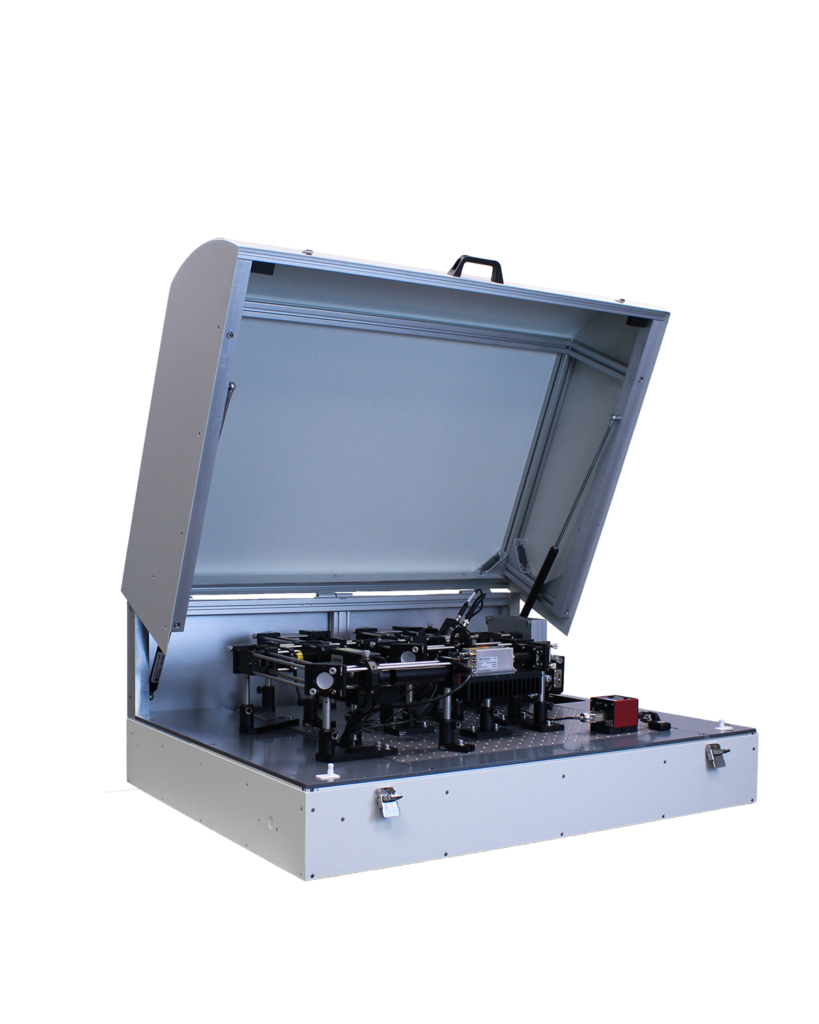
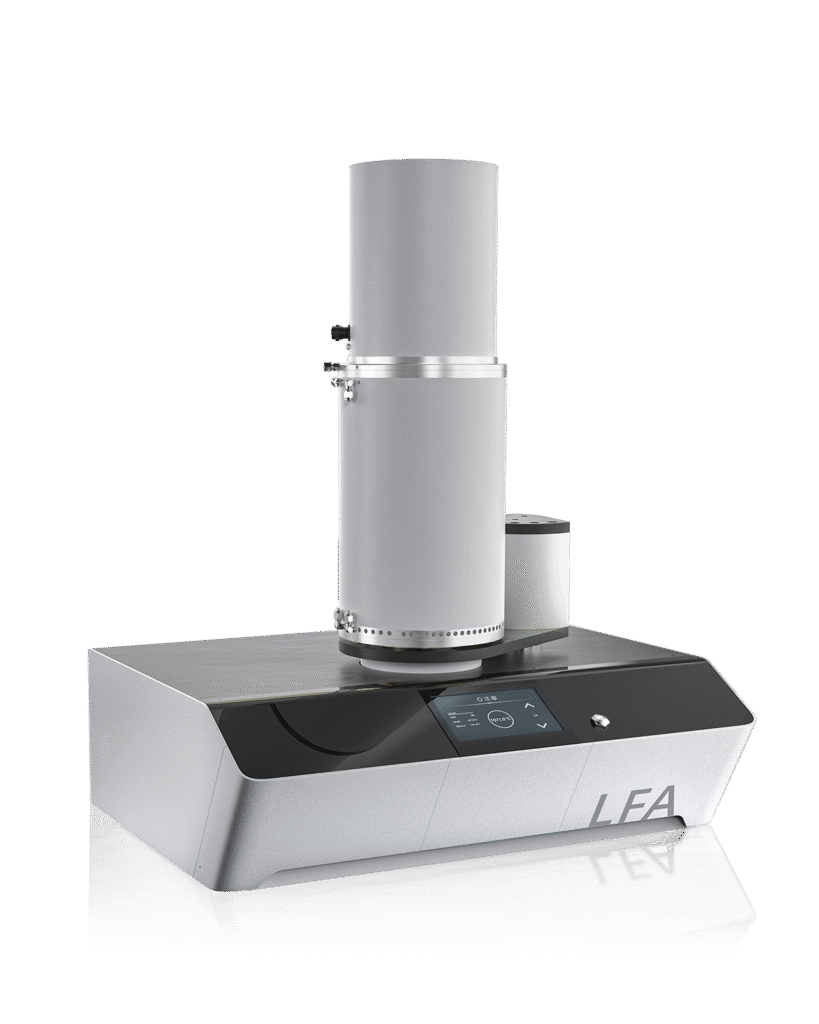
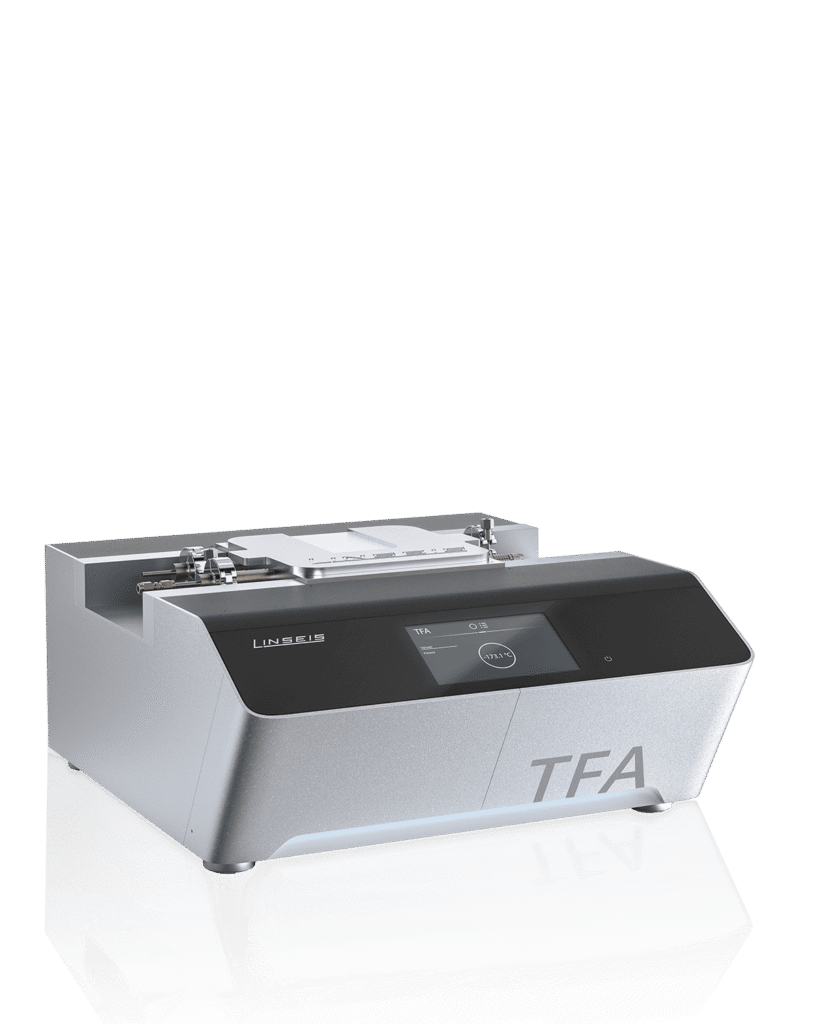
A Comprehensive Solution for Thermal Management – Complementary LINSEIS Devices

Questions? Just give us a call!
+1 (609) 223 2070
+49 (0) 9287/880 0
Thursday from 8 am to 4 pm
and Friday from 8 am to 12 pm.
We are here for you!
TIM L58 at a Glance – How It Works, Applications, Features, and Frequently Asked Questions
What is a thermal interface material (TIM)?
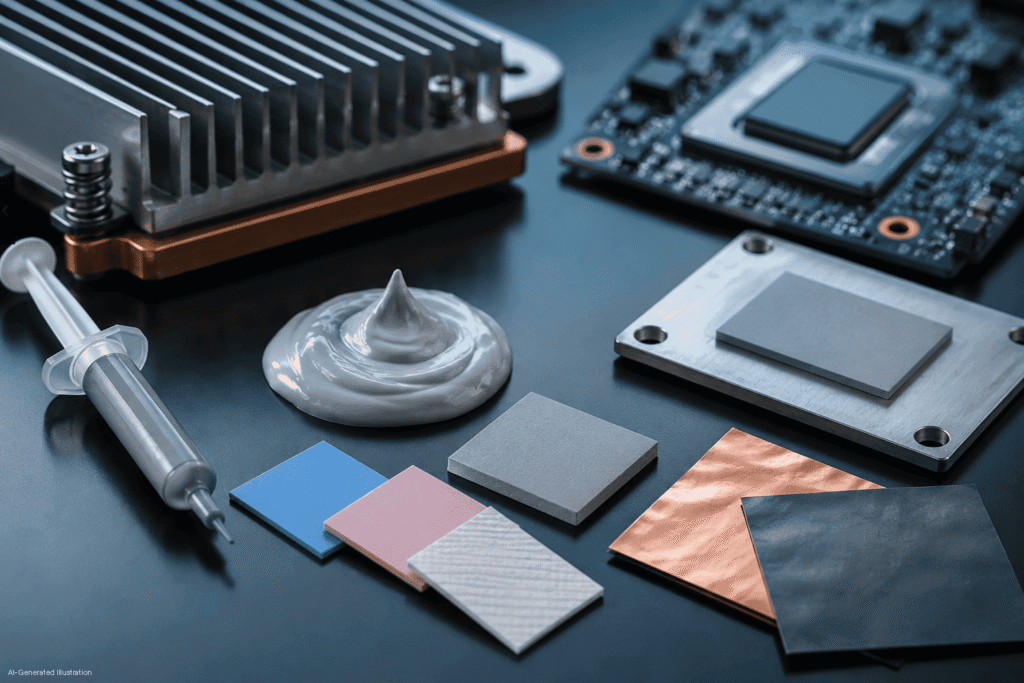
Thermal interface materials (TIMs) are materials applied between two abutting surfaces to improve heat transfer and reduce thermal contact resistance. Typical TIMs include thermal pastes, thermal pads, thermal films, phase-change materials, and graphite sheets, which are used in electronics, batteries, and power modules.
What materials can be measured with the TIM L58?
The TIM L58 supports the characterization of a wide range of materials, including thermal interface materials, thermal pads, films, graphite materials, polymers, metals, ceramics, and phase-change materials (PCM). The system is designed for both soft and solid interface materials.
What is measured according to ASTM D5470?
The ASTM D5470 standard describes a standardized method for determining steady-state heat flux to evaluate the thermal resistance and apparent thermal conductivity of thermally conductive materials. The TIM L58 performs these measurements under controlled temperature and pressure conditions to achieve highly reproducible results.
How does contact pressure affect the performance of thermal interface material (TIM)?
Contact pressure has a significant impact on the thermal performance of heat-conductive materials. Increasing the pressure reduces air gaps and improves surface contact, resulting in lower thermal resistance and better heat transfer. The TIM L58 allows for precise investigation of pressure-dependent thermal behavior.
Can the TIM L58 perform thermal shock and ageing tests?
Yes, the TIM L58 supports automated temperature cycles and long-term stability tests. This enables the evaluation of material ageing, pump-out effects and thermal reliability under realistic operating conditions.
What does a TIM L58 cost?
The price of a TIM L58 system depends on the selected configuration and optional features, such as the temperature range, force configuration, cooling system, interchangeable test bars, or software extensions for temperature cycling and reliability testing. Since each system can be tailored to specific application requirements, the final configuration and price may vary.
For an accurate quote, please use our contact form and provide your application details—our team will be happy to create a customized solution for your needs.
How long is the delivery time for a TIM L58?
The delivery time for a TIM L58 system depends on the selected configuration and optional features. Additional options such as extended temperature ranges, custom test bars, cooling systems, or expanded software packages for temperature cycling and reliability testing may extend production and setup times.
Please contact us via our contact form to receive an accurate estimate of the delivery time based on your specific application and configuration requirements.
What is the difference between thermal resistance and thermal conductivity?
Thermal conductivity describes a material’s intrinsic ability to conduct heat, while thermal resistance reflects the actual resistance to heat flow within an entire interface system. TIM testing takes into account not only the material itself, but also its thickness, contact pressure, and the quality of the interface.
Software
Making values visible and comparable
All LINSEIS thermoanalytical devices are software-controlled. The individual software modules run exclusively under Microsoft® Windows® operating systems. The complete software consists of three modules: temperature control, data acquisition and data evaluation. The Windows® software contains all the essential functions for preparing, performing and evaluating a thermoanalytical measurement. Thanks to our specialists and application experts, LINSEIS has been able to develop comprehensive, easy-to-understand and user-friendly software.
General functions
- Real-time visualization of the measurement data
- Freely configurable diagram layouts and axis scaling
- Automatic and manual scaling functions
- Zoom and cursor tools
- Curve comparison and overlay functions
- Statistical evaluation tools
- Automatic report generation
- Data export to Excel® and ASCII formats
- Multi-user operation
- Data security in the event of a power failure
- Automatic calibration routines
- Storage and export of evaluation results
- Integrated online help system
- Calculations of the first and second derivative
- Flexible data processing and post analysis
Functions for thermal analysis
- Automatic calculation of the thermal resistance
- Determination of the apparent thermal conductivity
- Evaluation of the thermal impedance
- Calculation of the contact resistance
- Thickness-dependent thermal analysis
- Evaluation of the pressure-dependent thermal behavior
- Temperature-dependent material characterization
Extended test functions
- Automated temperature change measurements
- Reliability and ageing tests
- Long-term stability tests
- Multi-stage measurement sequences
- Automated measurement sequences
- Functions for batch tests
System control
- Independent control of upper and lower temperature
- Automatic force control and monitoring
- Continuous thickness monitoring using LVDT
- Real-time display of the measurement status
- Automated execution of test sequences
Quality and validation tools
- Plugin for quality management
- Checking the repeatability
- Statistical comparison of measurement series
- Calibration management
- Standardized evaluation routines according to ASTM D5470
Application
Automotive, Aerospace
Thermal interface materials (TIMs) are essential components in automotive and aerospace systems, where efficient heat dissipation is critical to performance, reliability, and service life. They improve heat transfer between power electronics, batteries, cooling systems, and structural components by minimizing thermal contact resistance at the interfaces.
The TIM L58 enables the precise characterization of thermal conductivity, thermal resistance, and interfacial performance under realistic temperature and pressure conditions. This supports the development and optimization of thermal management solutions for electric vehicles, battery systems, avionics, radar technology, and other high-performance applications that operate under demanding environmental conditions.
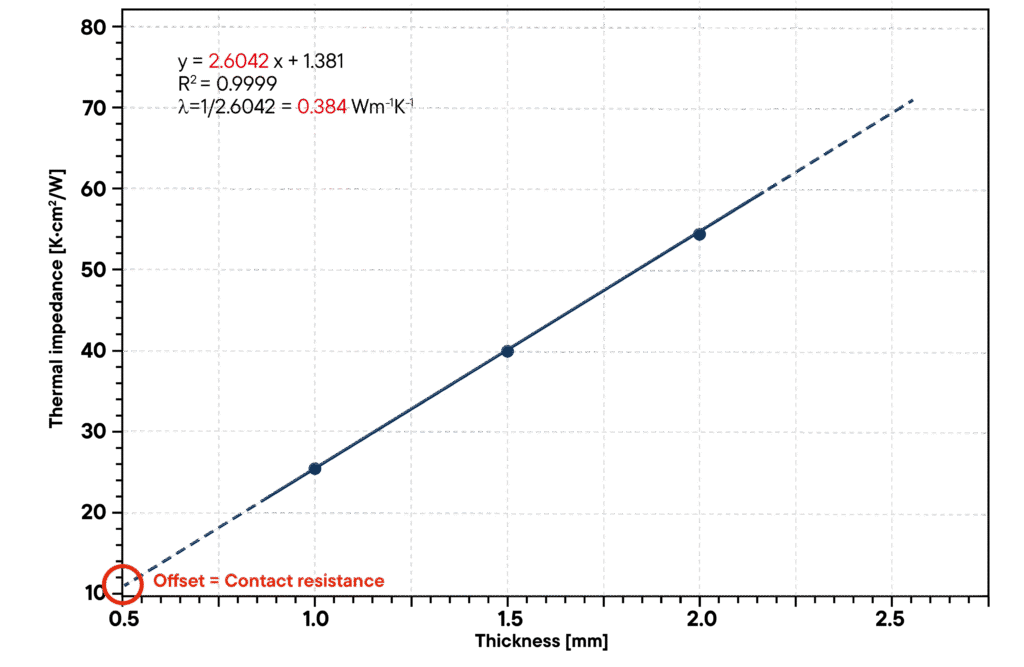
Application Example: Measurement of Vespel (Type 3 / at 50 °C / 1 MPa)
Measurement of the thermal impedance (thermal conductivity) of a 25 mm × 25 mm Vespel™ sample at 50 °C (TH = 70 °C, TC = 30 °C) and a contact pressure of 1 MPa. Three different samples with thicknesses ranging from 1.0 mm to 2.00 mm were measured to determine the apparent thermal conductivity and the thermal contact resistance (using linear regression).
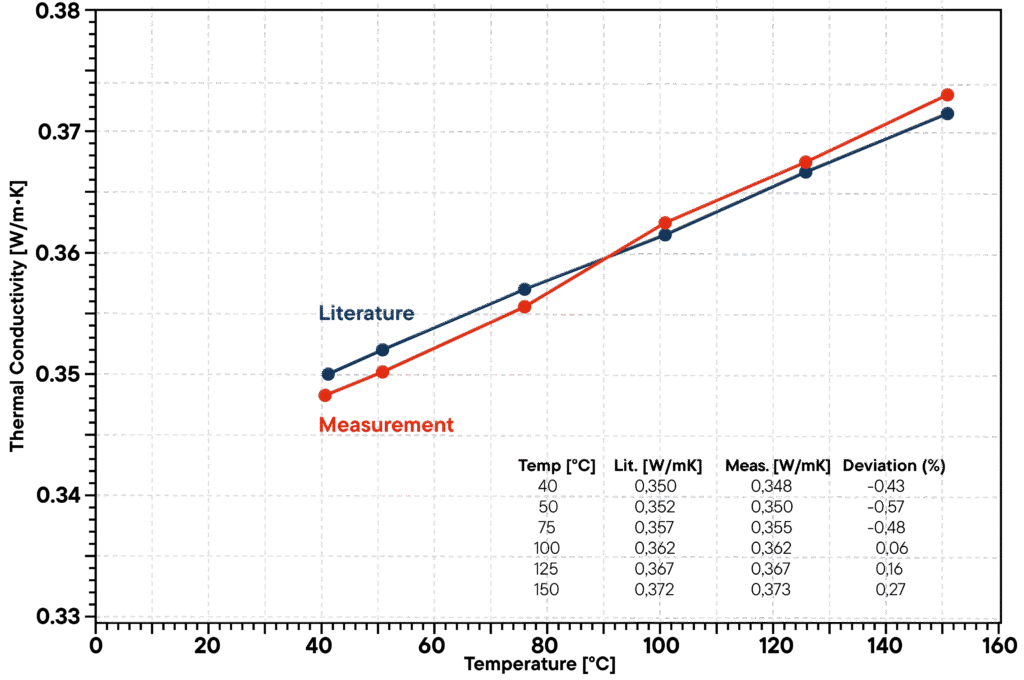
Application Example: Temperature-Dependent Measurement of Vespel™
Representation of the temperature-dependent apparent thermal conductivity of a 25 mm × 25 mm Vespel™ sample in the temperature range from 40 °C to 150 °C at a constant contact pressure of 1 MPa.
Semiconductors & Electronics
Thermal interface materials (TIMs) are essential components in the semiconductor and electronics industries, where efficient heat dissipation is critical to the performance, reliability, and service life of electronic assemblies. They improve heat transfer between semiconductor devices, power electronics, heat sinks, and enclosures by minimizing the thermal contact resistance at the interfaces.
The TIM L58 enables the precise characterization of thermal conductivity, thermal resistance, and interfacial performance under realistic temperature and pressure conditions. This supports the development and optimization of thermal management solutions for processors, power semiconductors, LED modules, power modules, data centers, telecommunications systems, and other high-performance applications with increasing demands for power density and reliability.
Application Example: Measurement of a Type 2 thermal pad (at 50 °C)
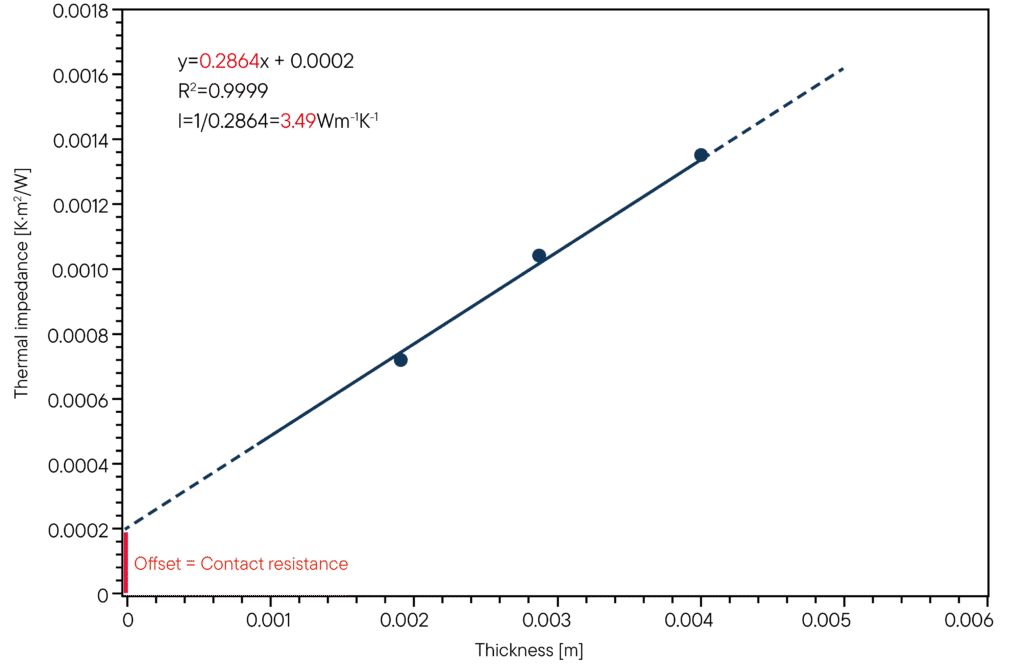
Measurement of the thermal impedance (thermal conductivity) of a 25 mm × 25 mm heat-conducting pad (sample type 2) at 50 °C (TH = 70 °C, TC = 30 °C). Three different samples with thicknesses ranging from approximately 2 mm to 4 mm were measured to determine the thermal contact resistance (using linear regression).
Application example: Measurement of a type 1 viscous thermal paste (at 60 °C)
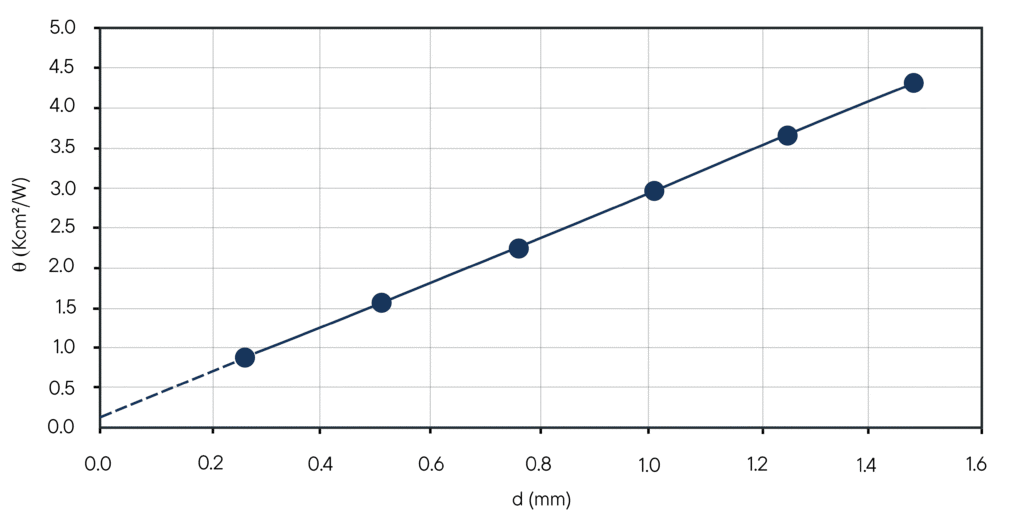
Measurement of the thermal impedance (effective thermal conductivity) of a viscous thermal paste (sample type 1) at 60 °C. A sample with nominal thicknesses ranging from 0.25 mm to 1.50 mm was analyzed to quantify the temperature gradient and the resulting thermal impedance under unpressurized conditions.
Application Example: Cycle Test
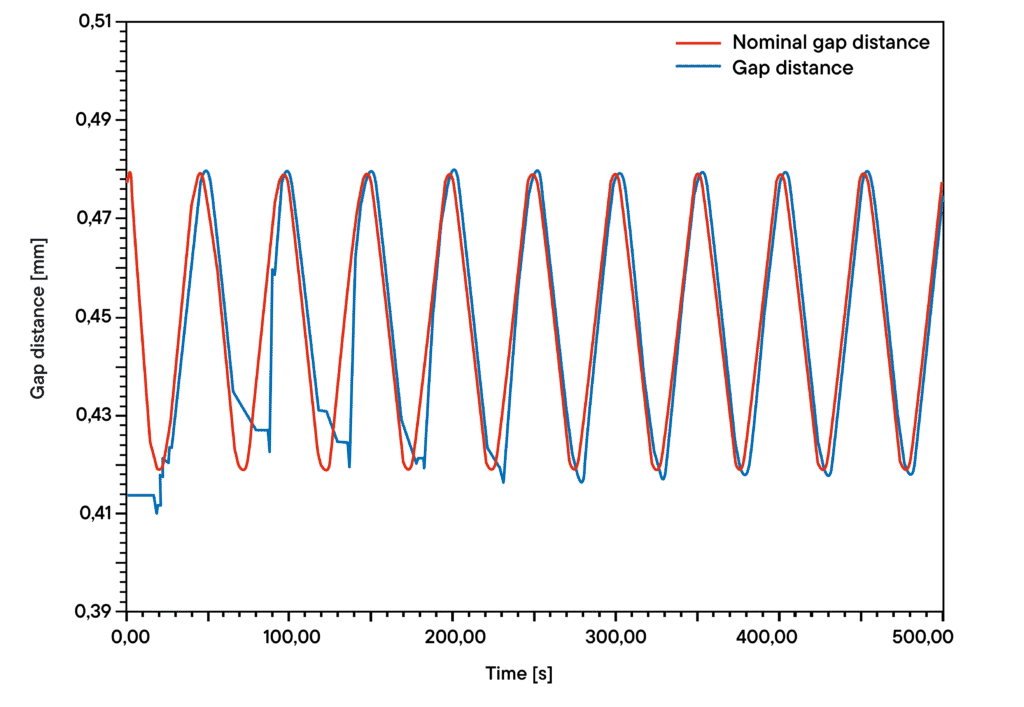
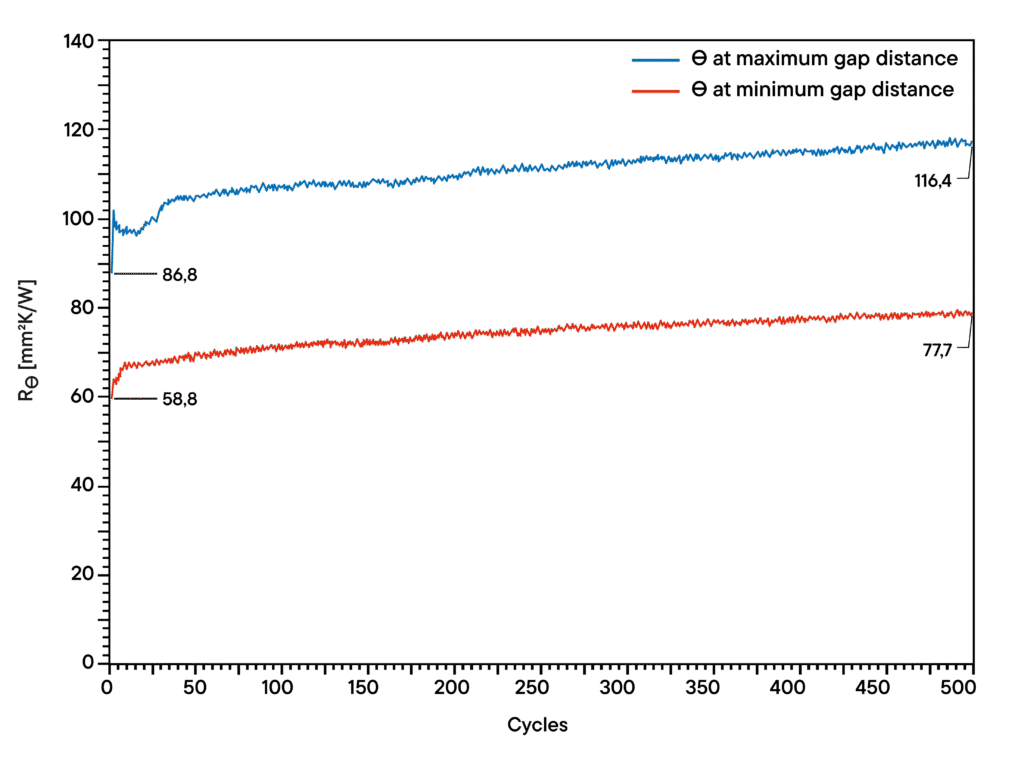
Aging tests and behavior under continuous loading are important tests for understanding the long-term performance of TIM materials. For this characterization, the TIM Tester (TIM L58) offers a software plug-in that allows for cyclic changes in either temperature, gap width, or compression. During the cycle, all parameters—such as temperature, gap width/specimen thickness, pressure, and thermal impedance—are continuously monitored to directly capture changes in behavior. The application demonstrates that, in the performance test, a cyclic compression of ±30 μm at a frequency of 0.02 Hz was defined at a constant sample temperature.
The first image shows this cycle with the nominal and live-measured gap width. The second image shows that the thermal impedance increases slightly with the number of cycles, resulting in a slight decrease in performance during long-term operation. This information aids in the modeling of devices and the estimation of the service life of individual components.
Well informed